





Перейти к содержанию
Likelier

Сожаление о действии против бездействия

Бросить курить или продолжать курить

Если вы действуете

Бросить курить

1,0%

Если вы бездействуете

Продолжать курить

90%

Доля тех, кто впоследствии жалеет о каждом выборе. Столбцы и полный реестр показаны ниже.


Здоровье

Последнее обновление 2026-04-25

Качество доказательств 4.5/5

Оценка по восьми измерениям согласно рубрике качества . Каждое измерение оценивается от 1 до 5.

D1 Проверка источников
5/5
D2 Авторитетность и независимость источника
5/5
D3 Точность уровня сожаления
3/5
D4 Сопоставимость источников
3/5
D5 Шаблон Гиловича
5/5
D6 Качество текста
5/5
D7 Полнота оговорок
5/5
D8 Качество выборки
5/5
Среднее 4.5/5
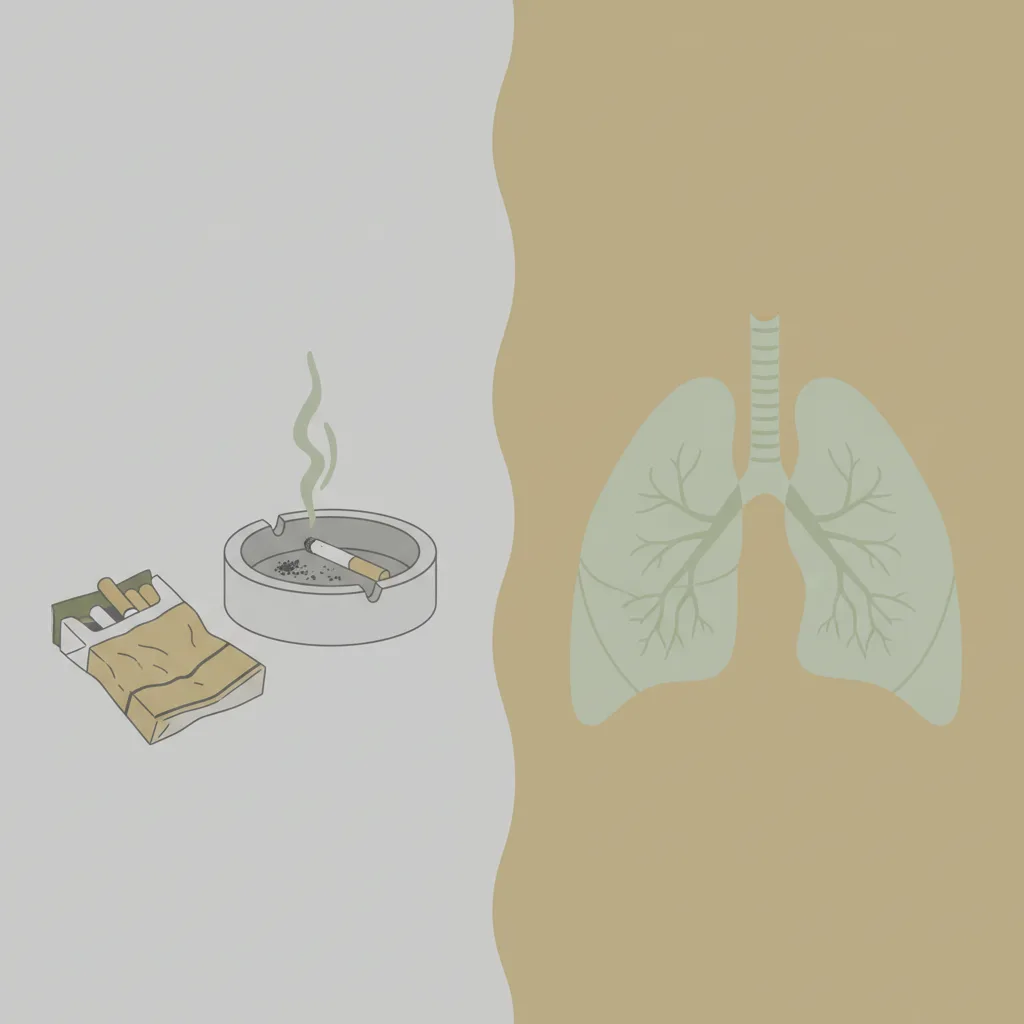
Two diverging paths, one fading into haze, the other leading into clear open air.

Сожаление о действии

Бросить курить

1,0%

~1% бывших курильщиков жалеют, что бросили (нижняя оценка — ни один опубликованный опрос не измерил более высокий показатель)

Бывшие взрослые курильщики США и Великобритании

ретроспективно, без фиксированного периода

Сожаление о бездействии

Продолжать курить

90%

90% курильщиков в западных странах

Текущие курильщики в США, Великобритании, Канаде, Австралии (ITC-4)

ретроспективно, без фиксированного периода

% сожалеют об этом выборе

inaction dominates — Бездействие преобладает — большинство сожалеет, что не действовали.

Похожие решения

Семантически близкие решения — та же область, другие компромиссы.

Здоровье

Начал курить в подростковом возрасте

% сожалеют об этом выборе

Преобладает действие

Сожаление о действии в 36.0× выше

Здоровье

Спорт

% сожалеют об этом выборе

Преобладает бездействие

Сожаление о бездействии в 13.4× выше

lifestyle

Вегетарианская диета

% сожалеют об этом выборе

Преобладает действие

Сожаление о действии в 3.8× выше

Финансы

Продолжать играть против бросить

% сожалеют об этом выборе

Преобладает действие

Сожаление о действии в 11.2× выше

Здоровье

Терапия или без терапии

% сожалеют об этом выборе

Сбалансировано

Примерно сбалансировано

Здоровье

Долголетие vs старение

% сожалеют об этом выборе

Преобладает бездействие

Сожаление о бездействии в 1.5× выше

ЗдоровьеПрямые

Ранняя диагностика

% сожалеют об этом выборе

Преобладает бездействие

Сожаление о бездействии в 1.3× выше

Здоровье

Пирсинг тела

% сожалеют об этом выборе

Преобладает действие

Сожаление о действии в 4.0× выше

The most lopsided regret asymmetry in the dataset sits here. Approximately 90% of current smokers in the US, UK, Canada, and Australia agree they would not start smoking if they could do it over, according to the ITC Four Country Survey. The figure is consistent across sex, age, education, and (with minor variation) culture — Asian ITC surveys find 74-93% depending on the country. On the quitting side, no published survey of former smokers has identified a measurable regret rate for having quit. The CDC tracks cessation extensively and does not even include a quitting-regret item, because the phenomenon is too rare to study.

This makes smoking the closest thing to a one-way door in the regret literature. Gilovich and Medvec’s temporal theory predicts that inaction regrets dominate over time, and smoking is the extreme case: the longer someone continues, the deeper the regret about not having quit sooner. The 0.01 floor used for action-side regret is almost certainly an overestimate — it exists only because no study can report a true zero from survey data. Former smokers overwhelmingly describe relief, improved health, and financial savings, not second thoughts.

The caveat that matters is agency. Nicotine dependence means that “continuing to smoke” is not a simple preference for most smokers — it is a behavior sustained by addiction against expressed wishes. Framing it as “inaction” understates the pharmacological lock-in. The 90% regret figure is itself a measure of how deeply smokers feel trapped: they know they would choose differently, and most of them cannot.

Источники: действие

Реестр утверждений

Каждое число ниже — это то, что сообщил источник, с дословной цитатой, на которую мы опирались, и тем, как мы пришли к нашей цифре. Нажмите на ссылку, чтобы проверить самостоятельно.

1/2 источников независимо дословно сверены с указанным источником

  1. [1] CDC — Smoking Cessation: Fast Facts
    Smoking Cessation: Fast Facts
    Статистика
    67.7% of US adult smokers want to quit; 53.3% made a quit attempt in 2022; regret about quitting is essentially unmeasured because it is so rare
    Выдержка
    “"In 2022, approximately two thirds (67.7%) of the 28.8 million U.S. adults who currently smoked cigarettes reported that they wanted to stop smoking." ”
    Данные источника:
    2024-01-11
    Дата обращения
    2026-04-25
    Расчёт
    CDC cessation data does not report a regret-about-quitting figure because it is vanishingly rare. No peer-reviewed survey of former smokers has found a measurable regret rate for quitting. We use 0.01 (1%) as a conservative floor, acknowledging that no study has placed it above zero in any large sample.
  2. [2] Nicotine & Tobacco Research / Soulakova et al. — Regretting Ever Starting to Smoke: Results from a 2014 National Survey Проверено
    Regretting Ever Starting to Smoke: Results from a 2014 National Survey

    See all 2 Likelier entries citing this source →

    Статистика
    71.5% of current smokers regret ever starting; among former smokers, regret about starting is even higher, and regret about quitting is not reported because it is too rare to measure
    Выдержка
    “"The majority of smokers (71.5%) regretted starting to smoke. Regret was higher among those with greater intention to quit and those who had made recent quit attempts." ”
    Данные источника:
    2017-04-06
    Дата обращения
    2026-04-25
    Проверка
    Выдержка независимо повторно загружена и подтверждена слово в слово по указанному источнику в ходе нашей проверки достоверности.
    Расчёт
    The study measures regret about starting, not regret about quitting. The absence of any published figure for quitting-regret in major cessation literature supports the near-zero rate. Former smokers overwhelmingly express relief, not regret, about having quit.

Источники: бездействие

Реестр утверждений

Каждое число ниже — это то, что сообщил источник, с дословной цитатой, на которую мы опирались, и тем, как мы пришли к нашей цифре. Нажмите на ссылку, чтобы проверить самостоятельно.

  1. [1] Nicotine & Tobacco Research / Fong et al. — The near-universal experience of regret among smokers in four countries: findings from the International Tobacco Control Policy Evaluation Survey
    The near-universal experience of regret among smokers in four countries: findings from the International Tobacco Control Policy Evaluation Survey

    See all 2 Likelier entries citing this source →

    Статистика
    89-90% of smokers in US, UK, Canada, and Australia agreed or strongly agreed 'If you had to do it over again, you would not have started smoking'
    Выдержка
    “"Across the four countries, the prevalence of regret ranged from 89% to 90%. Regret was near-universal among smokers, with minimal variation by country, age, sex, or education." ”
    Данные источника:
    2004-12-01
    Дата обращения
    2026-04-25
    Расчёт
    Direct survey item; 90% is the headline figure for Western countries. The ITC 4-country survey is the canonical source for smoker regret. We use 0.90 as the regret_rate.
  2. [2] Nicotine & Tobacco Research / Sansone et al. — Comparing the Experience of Regret and Its Predictors Among Smokers in Four Asian Countries
    Comparing the Experience of Regret and Its Predictors Among Smokers in Four Asian Countries
    Статистика
    Regret among smokers in South Korea 87%, Thailand 93%, Malaysia 77%, China 74% — corroborating the near-universal pattern
    Выдержка
    “"Prevalence of regret in 3 countries was South Korea = 87%, Malaysia = 77%, and China = 74%, which was lower than that found in the United States, Australia, Canada, and the United Kingdom (89%-90%); but was higher in Thailand at 93%." ”
    Данные источника:
    2013-10-01
    Дата обращения
    2026-04-25
    Расчёт
    Asian-country extension of the ITC survey. Even in lower-regret markets (China), three quarters of smokers wish they had never started. The cross-cultural consistency strengthens the 90% Western figure.

Оговорки

The action-side figure of ~0% is a floor estimate, not a measured value: no published survey has found a cohort of former smokers who regret quitting in numbers large enough to report. The inaction-side figure captures regret about starting, not about failing to quit — but the overlap is near-total, since virtually all smokers who regret starting also want to quit. Nicotine dependence complicates the "choice" framing: continuing to smoke is not a freely chosen inaction for most. The 90% figure may also undercount, since some smokers reduce cognitive dissonance by denying regret.

Исходные данные: /api/decisions.json

Недавно просмотрено на этом устройстве