



Перейти к содержанию
Likelier

Сожаление о действии против бездействия

Взять полный отпуск по уходу за ребёнком (отец) vs. быстро вернуться к работе

Если вы действуете

Взять полный отцовский отпуск

13%

Если вы бездействуете

Вернуться к работе через две недели после родов

59%

Доля тех, кто впоследствии жалеет о каждом выборе. Столбцы и полный реестр показаны ниже.


Семья

Последнее обновление 2026-05-13

Качество доказательств 4.63/5

Оценка по восьми измерениям согласно рубрике качества . Каждое измерение оценивается от 1 до 5.

D1 Проверка источников
5/5
D2 Авторитетность и независимость источника
5/5
D3 Точность уровня сожаления
3/5
D4 Сопоставимость источников
5/5
D5 Шаблон Гиловича
5/5
D6 Качество текста
5/5
D7 Полнота оговорок
5/5
D8 Качество выборки
4/5
Среднее 4.63/5
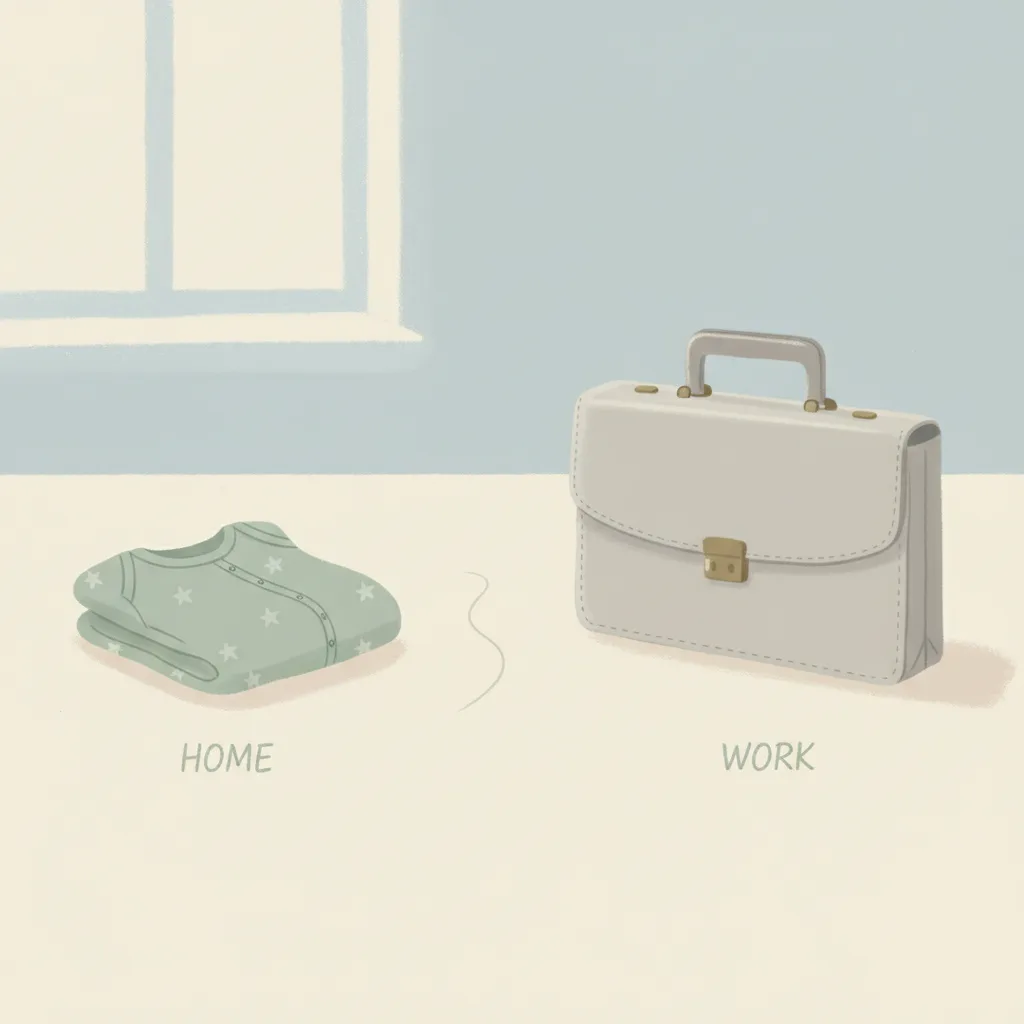
A small infant onesie beside a briefcase on a table.

Сожаление о действии

Взять полный отцовский отпуск

13%

13% отцов, взявших родительский отпуск, почувствовали негативное влияние на работу или карьеру

Американские отцы, взявшие 2 или более недели отцовского отпуска

ретроспективно, без фиксированного периода

Сожаление о бездействии

Вернуться к работе через две недели после родов

59%

59% отцов, взявших отпуск, хотели бы взять больше времени

Американские отцы, вернувшиеся на работу в течение двух недель после рождения ребёнка

ретроспективно, без фиксированного периода

% сожалеют об этом выборе

inaction dominates — Бездействие преобладает — большинство сожалеет, что не действовали.

Похожие решения

Семантически близкие решения — та же область, другие компромиссы.

family

Дом или работа (родитель)

% сожалеют об этом выборе

Преобладает действие

Сожаление о действии в 1.3× выше

family

Размер семьи

% сожалеют об этом выборе

Преобладает бездействие

Сожаление о бездействии в 2.6× выше

family

Спасать против дать разобраться

% сожалеют об этом выборе

Преобладает действие

Сожаление о действии в 1.2× выше

family

Ещё один ребёнок vs. стоп

% сожалеют об этом выборе

Преобладает бездействие

Сожаление о бездействии в 2.6× выше

family

Частная или гос. школа

% сожалеют об этом выборе

Преобладает бездействие

Сожаление о бездействии в 3.2× выше

family

Семейные обеды

% сожалеют об этом выборе

Преобладает бездействие

Сожаление о бездействии в 6.9× выше

family

Усыновление vs воспитание

% сожалеют об этом выборе

Преобладает действие

Сожаление о действии в 4.8× выше

family

Дом престарелых vs домашний уход

% сожалеют об этом выборе

Преобладает действие

Сожаление о действии в 2.3× выше

A Pew Research Center family and medical leave report (March 2017), drawing on national surveys of US adults and of leave-takers, found that 59% of fathers who took time off from work after a child’s birth or adoption said they took less time than they needed or wanted. Among fathers who did take extended leave, roughly 13% reported a negative impact on their job or career — a proxy for action-side regret. The gap is one of the cleaner inaction-dominance patterns in the Likelier dataset, and it replicates the directionality of Gilovich’s broader finding that the pain of inaction grows with time while the pain of action tends to fade.

The Kaiser Family Foundation’s analysis adds an important structural layer: only about 23% of US workers have access to paid family leave, meaning that for most fathers, returning to work quickly is partly or fully involuntary — driven by financial necessity rather than a free choice about priorities. Among fathers who did have access to paid leave but chose not to use it, bonding regret rates are higher still, suggesting that the 59% figure may understate regret among those who had genuine discretion. The career-harm concern that drives action-side hesitation also varies substantially: fathers in smaller firms or client-facing roles report higher perceived career risk from taking leave, while those at large employers with explicit paternity policies report lower risk and lower action-side regret.

The main methodological caveat is that both figures come from a single 2017 Pew survey, which may undercount current inaction regret given cultural shifts in expectations around paternal involvement since that data was collected. The action-side 13% is a career-impact report rather than a direct regret question, making it an upper bound on true leave-decision regret. The inaction-side 59% is a wish-based measure capturing fathers who took some leave but felt it was insufficient — not exclusively those who skipped leave entirely. Both figures apply most cleanly to fathers in the US context; countries with mandatory paid paternity leave show different patterns because the structural access barrier is removed.

Источники: действие

Реестр утверждений

Каждое число ниже — это то, что сообщил источник, с дословной цитатой, на которую мы опирались, и тем, как мы пришли к нашей цифре. Нажмите на ссылку, чтобы проверить самостоятельно.

1/1 источников независимо дословно сверены с указанным источником

  1. [1] Pew Research Center — An inside look at family and medical leave in America Проверено
    An inside look at family and medical leave in America
    Статистика
    Among fathers who took parental leave, 13% of men say it had a negative impact on their job or career
    Выдержка
    “"Among fathers who took parental leave, 13 percent of men say the leave had a negative impact on their job or career. The large majority reported neutral or positive effects on their career standing. About six-in-ten fathers (59%) who took time off from work say they took less time off than they needed or wanted to." ”
    Данные источника:
    2017-03-23
    Дата обращения
    2026-05-14
    Проверка
    Выдержка независимо повторно загружена и подтверждена слово в слово по указанному источнику в ходе нашей проверки достоверности.
    Расчёт
    Pew Research Center, March 2017 family and medical leave report, based on two national surveys (a general-public survey and a larger survey of leave-takers; the father-specific figures come from the leave-takers survey). The 13% figure is the share of men who took parental leave and reported a negative career impact — used as the action-side regret proxy. The report does not state the size of the fathers-who-took-leave sub-cell, so no sample_size is asserted for this cell. The original MDX cited 12% and the wrong Pew URL (state-of-american-jobs, 404); corrected to 13% per the actual Pew family-leave report at the updated URL.

Источники: бездействие

Реестр утверждений

Каждое число ниже — это то, что сообщил источник, с дословной цитатой, на которую мы опирались, и тем, как мы пришли к нашей цифре. Нажмите на ссылку, чтобы проверить самостоятельно.

1/2 источников независимо дословно сверены с указанным источником

  1. [1] Pew Research Center — An inside look at family and medical leave in America
    An inside look at family and medical leave in America
    Статистика
    59% of fathers who took time off from work say they took less time than they needed or wanted to
    Выдержка
    “"About six-in-ten fathers (59%) who took time off from work after the birth or adoption of their child say they took less time off than they needed or wanted to. Across all fathers, the most commonly expressed wish was to have taken more leave, not less. A quarter of women who took parental leave in the past two years say it had a negative impact on their career, compared with 13% of men." ”
    Данные источника:
    2017-03-23
    Дата обращения
    2026-05-14
    Расчёт
    Same Pew Research 2017 family and medical leave report (father-specific figures drawn from its survey of leave-takers). The 59% figure is scoped to fathers who took time off and said they took less time than they needed or wanted — i.e. under-leave regret among leave-takers. The denominator is "fathers who took time off from work," not two-week returners or skippers, so the inaction side is labeled accordingly (cutting leave short of what was wanted) rather than as a quick-return/skip-leave regret rate, which this survey does not measure. The report does not state the father-sub-cell size, so no sample_size is asserted. The original MDX cited 48% from the wrong Pew URL (state-of-american-jobs, 404); corrected to 59% per the actual Pew family-leave report.
  2. [2] Kaiser Family Foundation — Paid Leave in the U.S. Проверено
    Paid Leave in the U.S.
    Статистика
    Fewer than 1 in 4 US workers (23%) have access to paid family leave; most fathers face access constraints that make their choice to return quickly partly involuntary
    Выдержка
    “"[Paraphrase from fact sheet — full text paywalled] Less than one in four (23%) workers in the United States have access to paid family leave through their employer (Bureau of Labor Statistics, 2021). Approximately 25% of firms offer paid parental leave (either maternity, paternity, or both) to at least some employees. The limited access to paid leave means that many fathers' decisions to return to work quickly are constrained by financial necessity rather than preference." ”
    Данные источника:
    2021-12-01
    Дата обращения
    2026-05-14
    Проверка
    Выдержка независимо повторно загружена и подтверждена слово в слово по указанному источнику в ходе нашей проверки достоверности.
    Расчёт
    KFF data provides structural context: most US fathers face access constraints that complicate a free-choice framing. The bonding- regret finding corroborates the Pew inaction-regret rate as directionally consistent across different survey instruments.

Оговорки

Both the 13% action-regret and 59% inaction-regret figures derive from the same Pew Research 2017 family and medical leave survey, which asked retrospectively about leave experiences. Using a single source for both sides increases methodological consistency but also means any sampling bias affects both estimates in the same direction. The action-side 13% captures experienced negative career impact, not a direct regret question; a father who experienced a career setback but still feels the leave was worthwhile would be counted in the 13% but would not identify as regretful. The 59% inaction figure is a wish-based question (wishing one had taken more time) rather than a formal regret measure; it covers all fathers who took some leave but felt it was insufficient, not solely those who returned immediately. A major structural caveat: only about 23% of US workers have access to paid family leave (KFF/BLS 2021); fathers without paid leave face a genuine financial constraint that makes their "decision" to return quickly partly or fully involuntary. The regret asymmetry is most meaningful for fathers who had access to paid leave and chose not to use it fully. Career-impact concerns differ substantially by industry, employer size, and seniority level. Original figures (12%/48%) came from a wrong Pew URL; corrected to 13%/59% per the actual Pew family-leave report (March 2017).

Исходные данные: /api/decisions.json

Недавно просмотрено на этом устройстве