




Перейти до вмісту
Likelier

Жаль від дії проти бездіяльності

Зробити татуювання чи ні

Якщо ви дієте

Зробити татуювання

24%

Якщо ви не дієте

Не робити татуювання

15%

Відсоток тих, хто згодом шкодує про кожен вибір. Стовпчики та повний реєстр показані нижче.


Lifestyle

Остання перевірка 2026-04-26

Якість доказів 4.38/5

Восьмивимірна оцінка перевірки за рубрикою якості . Кожен вимір оцінений 1–5.

D1 Перевірка джерел
5/5
D2 Авторитет та незалежність джерела
5/5
D3 Точність частоти жалю
3/5
D4 Порівнянність джерел
3/5
D5 Шаблон Гіловича
4/5
D6 Якість прози
5/5
D7 Повнота застережень
5/5
D8 Якість вибірки
5/5
Середнє 4.38/5
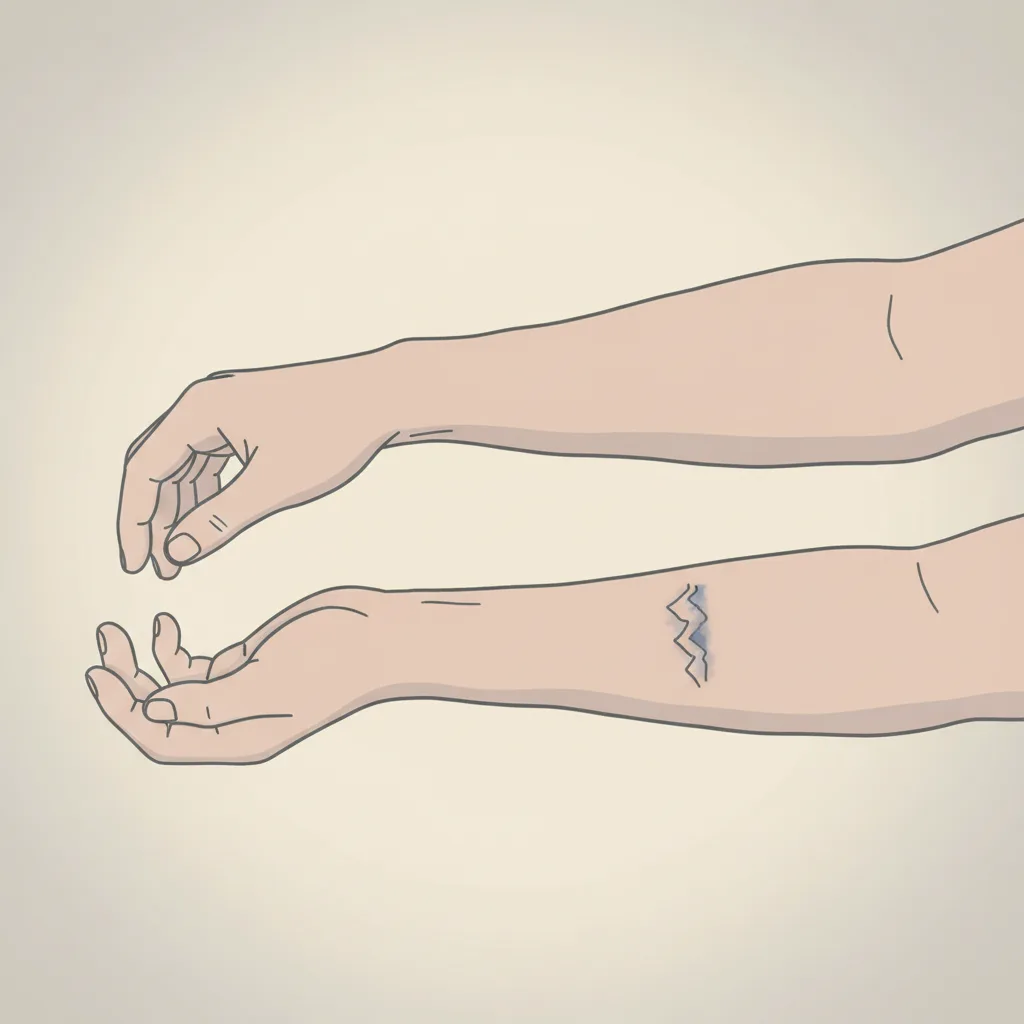
A bare forearm beside an identical forearm with a small faded tattoo, both resting on a neutral surface.

Жаль за дію

Зробити татуювання

24%

24 % шкодують щонайменше про одне татуювання

американські дорослі з татуюваннями, національно репрезентативно

ретроспективно, без фіксованого часу

Жаль за бездіяльність

Не робити татуювання

15%

15 % нетатуйованих дорослих кажуть, що вони ймовірно зроблять татуювання (проксі — див. застереження)

американські дорослі без татуювань

ретроспективно, без фіксованого часу

% шкодує про цей вибір

action dominates — Дія переважає — більшість шкодує, що діяла.

Пов’язані рішення

Семантично близькі рішення — та сама сфера, інші компроміси.

Здоров’я

Пірсинг тіла

% шкодує про цей вибір

Переважає дія

Жаль за дію на 4.0× вищий

lifestyle

Вегетаріанська дієта

% шкодує про цей вибір

Переважає дія

Жаль за дію на 3.8× вищий

lifestyle

Використання ШІ для рішень

% шкодує про цей вибір

Збалансовано

Приблизно збалансовано

Здоров’я

Пересадка волосся

% шкодує про цей вибір

Переважає бездіяльність

Жаль за бездіяльність на 5.0× вищий

lifestyle

Місто чи передмістя

% шкодує про цей вибір

Переважає дія

Жаль за дію на 1.2× вищий

Здоров’я

Терапія або без терапії

% шкодує про цей вибір

Збалансовано

Приблизно збалансовано

Здоров’я

Збільшення грудей

% шкодує про цей вибір

Збалансовано

Приблизно збалансовано

Здоров’я

Пластична хірургія

% шкодує про цей вибір

Збалансовано

Приблизно збалансовано

About 24% of tattooed Americans say they regret at least one tattoo, according to a 2023 Pew Research Center survey of 8,480 adults — a figure corroborated by a peer-reviewed Cureus study that found an 18.2% regret rate among 1,072 tattooed participants using census-matched sampling. On the inaction side, 85% of non-tattooed adults say they are unlikely to ever get a tattoo, leaving roughly 15% who express some intent — a proxy for latent desire, though not a direct regret measure. The resulting pattern makes tattoos one of the clearest action-dominates entries in the dataset: a permanent, visible, body-altering decision where the thing you did haunts more than the thing you did not.

The psychology is straightforward and cuts against the usual Gilovich finding. Most regretted life decisions involve inaction — the degree not pursued, the relationship not attempted — because inactions leave an open counterfactual that the mind inflates over time. Tattoos close the counterfactual: the ink is there, on the skin, every day. There is no ambiguity about the outcome. The Cureus study found that getting a tattoo while impaired, choosing a head or neck location, and experiencing an adverse event (infection, prolonged itching, or swelling) were all significant predictors of regret. Age also matters: older age was protective (odds ratio 0.93 per year in the same study), so getting a first tattoo younger predicts higher lifetime regret.

The main caveat is measurement asymmetry. The action side benefits from a clean, direct question; the inaction side relies on a future-intent proxy because no major survey asks non-tattooed adults whether they actively regret not having a tattoo. The 15% figure almost certainly overstates inaction regret, since “I might get one someday” is weaker than “I wish I had done it.” Cognitive dissonance also cuts both ways: tattooed people may underreport regret to protect self-image, while non-tattooed people may suppress desire to justify their choice. The directional finding — that tattoo regret runs action-heavy — is robust across multiple studies and consistent with the irreversibility mechanism; the precise 24-to-15 ratio should be read as approximate.

Джерела: дія

Реєстр тверджень

Кожне число нижче — це те, що повідомило джерело, з дослівною цитатою, на яку ми спиралися, та тим, як ми дійшли до нашої цифри. Натисніть на посилання, щоб перевірити самостійно.

2/2 джерел незалежно перевірено дослівно за вказаним джерелом

  1. [1] Pew Research Center — 32% of Americans have a tattoo, including 22% who have more than one Перевірено
    32% of Americans have a tattoo, including 22% who have more than one
    Статистика
    About a quarter (24%) of tattooed Americans say they ever regret getting one or more of their tattoos
    Витяг
    “"About a quarter (24%) of tattooed Americans say they ever regret getting one or more of their tattoos. Among those with tattoos, younger adults are more likely than older adults to say they have regretted getting a tattoo." ”
    Дані джерела:
    2023-08-15
    Дата звернення
    2026-04-26
    Перевірка
    Витяг незалежно повторно отримано та дослівно підтверджено за вказаним джерелом під час нашого аудиту обґрунтованості.
    Розрахунок
    Pew Research Center American Trends Panel survey of 8,480 US adults conducted July 10-16, 2023. The 24% figure is among the subset who report having at least one tattoo (32% of all respondents). Used directly as the action-regret rate.
  2. [2] Cureus (peer-reviewed) — Think Before You Ink: Perception, Prevalence, and Correlates of Tattooing and Tattoo Regret in US Adults Перевірено
    Think Before You Ink: Perception, Prevalence, and Correlates of Tattooing and Tattoo Regret in US Adults
    Статистика
    18.2% of tattooed US adults reported regretting one or more of their tattoos
    Витяг
    “"Of those with tattoos, 18.2% reported regretting one or more of their tattoos. The number of comorbid conditions, time with a tattoo, being impaired when getting the tattoo, having a tattoo on the head or neck, and experiencing a tattoo-related adverse event were predictive of having tattoo regret." ”
    Дані джерела:
    2023-11-02
    Дата звернення
    2026-04-26
    Перевірка
    Витяг незалежно повторно отримано та дослівно підтверджено за вказаним джерелом під час нашого аудиту обґрунтованості.
    Розрахунок
    Cross-sectional study of 3,033 US adults recruited using a random stratified sampling framework similar to the US Census. 35.3% (1,072) reported having a tattoo. The 18.2% regret rate among tattooed respondents is lower than the Pew figure (24%), possibly due to stricter sampling. We use the Pew 24% as the primary action-side rate given its larger sample and the ATP's established representativeness methodology.

Джерела: бездіяльність

Реєстр тверджень

Кожне число нижче — це те, що повідомило джерело, з дослівною цитатою, на яку ми спиралися, та тим, як ми дійшли до нашої цифри. Натисніть на посилання, щоб перевірити самостійно.

1/2 джерел незалежно перевірено дослівно за вказаним джерелом

  1. [1] Pew Research Center — 32% of Americans have a tattoo, including 22% who have more than one Перевірено
    32% of Americans have a tattoo, including 22% who have more than one
    Статистика
    15% of non-tattooed Americans say they are somewhat, very, or extremely likely to get a tattoo in the future
    Витяг
    “"The vast majority (85%) of Americans who don't have a tattoo say they are not too or not at all likely to get one in the future. Among those under 30 without a tattoo, 19% say they are extremely or very likely to get one." ”
    Дані джерела:
    2023-08-15
    Дата звернення
    2026-04-26
    Перевірка
    Витяг незалежно повторно отримано та дослівно підтверджено за вказаним джерелом під час нашого аудиту обґрунтованості.
    Розрахунок
    Same Pew ATP survey (n=8,480). Among the 68% of respondents without a tattoo, 6% said extremely/very likely and 9% said somewhat likely to get one in the future, totaling 15%. This is a desire-intent measure, not a direct regret measure — see caveats. Used as the inaction-side proxy because no large-sample survey directly asks non-tattooed adults whether they regret not having a tattoo.
  2. [2] YouGov — Americans have become more favorable toward tattoos in the past decade
    Americans have become more favorable toward tattoos in the past decade
    Статистика
    24% of Americans currently have a tattoo; attitudes toward tattoos have become significantly more favorable over the past decade
    Витяг
    “"Americans have become more favorable toward tattoos in the past decade. 24% of Americans say they currently have a tattoo. Women (30%) are more likely than men (19%) to say they currently have a tattoo." ”
    Дані джерела:
    2025-03-14
    Дата звернення
    2026-04-26
    Розрахунок
    YouGov survey documenting that 24% of Americans currently have a tattoo and that attitudes have grown more favorable over the past decade. The article reports no regret figure; the growing social acceptance of tattoos suggests that inaction regret may be rising over time as tattoos become more normative, but no direct inaction-regret figure is available.

Застереження

The action and inaction measures are not symmetrical. The 24% action-regret rate is a direct regret question ("Do you ever regret getting a tattoo?"), while the 15% inaction figure is a future-intent proxy ("How likely are you to get a tattoo?"), not a retrospective regret question. No large-sample survey directly asks non-tattooed adults whether they regret not getting ink. The true inaction-regret rate is likely lower than 15%, since wanting something is not the same as regretting its absence. A peer-reviewed Cureus study found a lower action-regret rate of 18.2%, which would narrow the delta further. Tattoos are a rare counterexample to Gilovich and Medvec's typical inaction-dominance pattern: the irreversibility and visibility of the decision sustain action regret in a way that a forgone vacation or unattempted career move does not. Cognitive dissonance may also suppress reported regret among the tattooed — people are motivated to rationalize permanent choices — meaning the true action-regret rate could be higher than surveys capture. Survey data are drawn exclusively from United States samples; satisfaction and regret rates in countries with different social norms around body modification and tattoo acceptance may differ substantially.

Вихідні дані: /api/decisions.json

Нещодавно переглянуті на цьому пристрої