





Перейти до вмісту
Likelier

Жаль від дії проти бездіяльності

Перейти на вегетаріанство чи продовжити їсти м'ясо

Якщо ви дієте

Стати вегетаріанцем/веганом

84%

Якщо ви не дієте

Продовжувати їсти м'ясо

22%

Відсоток тих, хто згодом шкодує про кожен вибір. Стовпчики та повний реєстр показані нижче.


Lifestyle

Остання перевірка 2026-04-26

Якість доказів 4.0/5

Восьмивимірна оцінка перевірки за рубрикою якості . Кожен вимір оцінений 1–5.

D1 Перевірка джерел
5/5
D2 Авторитет та незалежність джерела
4/5
D3 Точність частоти жалю
2/5
D4 Порівнянність джерел
3/5
D5 Шаблон Гіловича
3/5
D6 Якість прози
5/5
D7 Повнота застережень
5/5
D8 Якість вибірки
5/5
Середнє 4.0/5
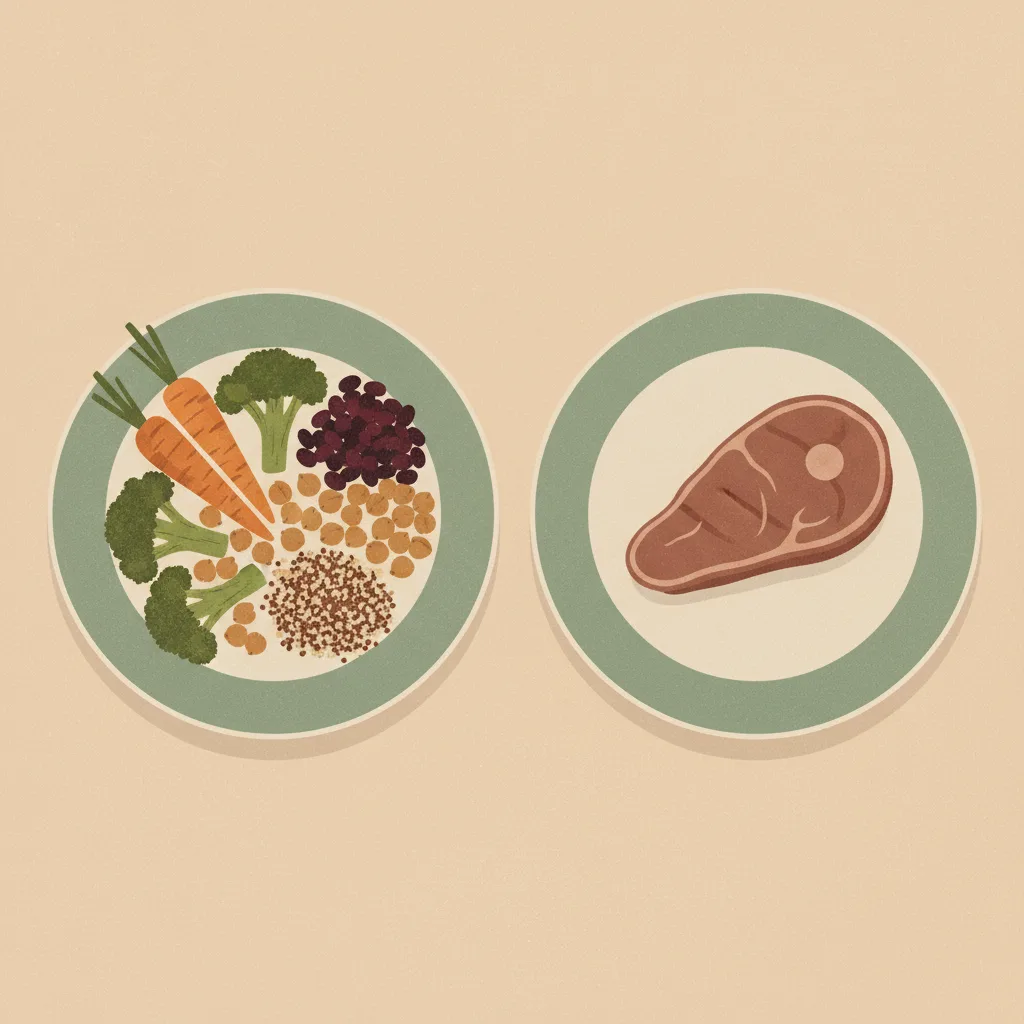
Two plates side by side, one with vegetables and legumes, the other with a cut of meat, both slightly faded.

Жаль за дію

Стати вегетаріанцем/веганом

84%

84 % покинули вегетаріанство (проксі покидання — ставка відмови, не прямий жаль)

американські дорослі, які пробували вегетаріанство або веганство

ретроспективно, без фіксованого часу

Жаль за бездіяльність

Продовжувати їсти м'ясо

22%

22 % постійно почуваються винними щодо їжі м'яса (проксі провини — не прямий жаль)

британські дорослі не-вегани, національно репрезентативно

ретроспективно, без фіксованого часу

% шкодує про цей вибір

action dominates — Дія переважає — більшість шкодує, що діяла.

Пов’язані рішення

Семантично близькі рішення — та сама сфера, інші компроміси.

lifestyle

Залишити або віддати улюбленця

% шкодує про цей вибір

Переважає бездіяльність

Жаль за бездіяльність на 5.7× вищий

lifestyle

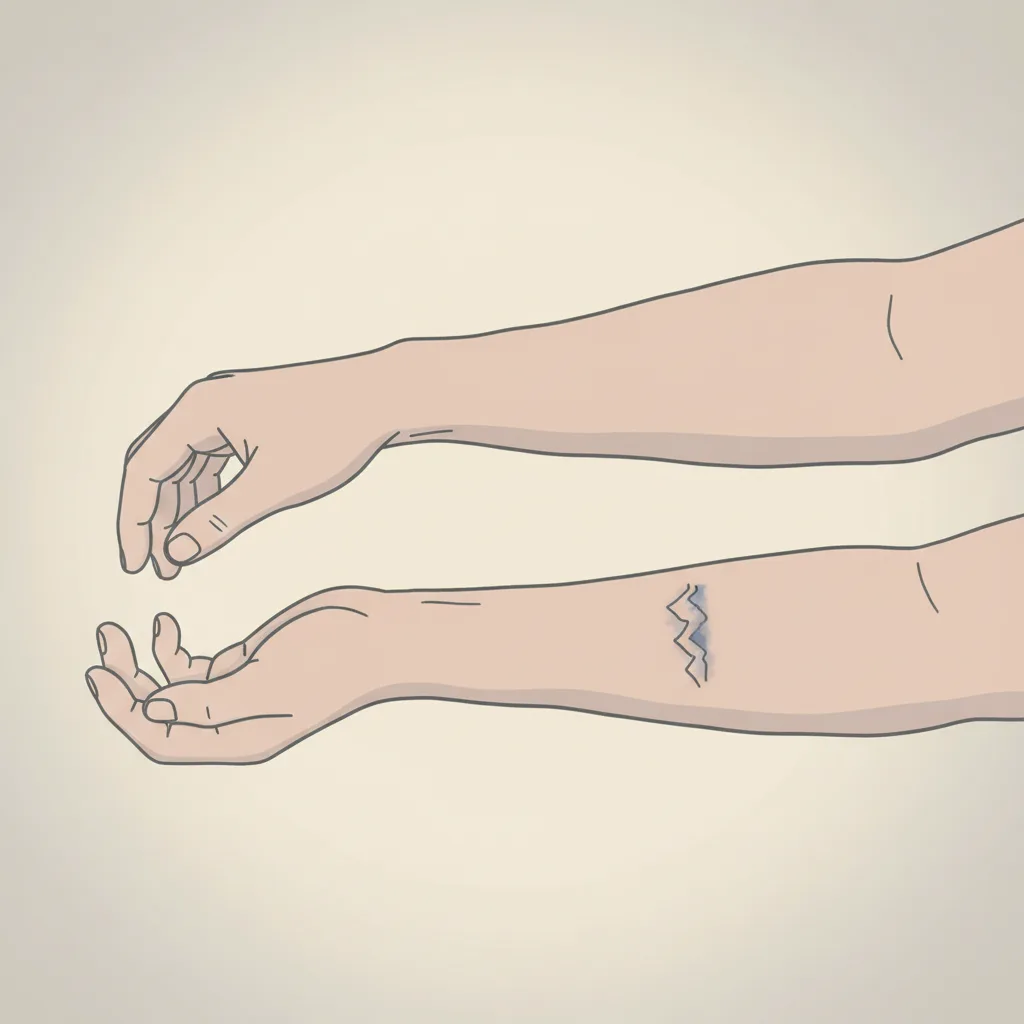
Татуювання

% шкодує про цей вибір

Переважає дія

Жаль за дію на 1.6× вищий

Здоров’я

Кинути палити

% шкодує про цей вибір

Переважає бездіяльність

Жаль за бездіяльність на 90.0× вищий

lifestyle

Інтервальне голодування

% шкодує про цей вибір

Переважає дія

Жаль за дію на 2.9× вищий

lifestyle

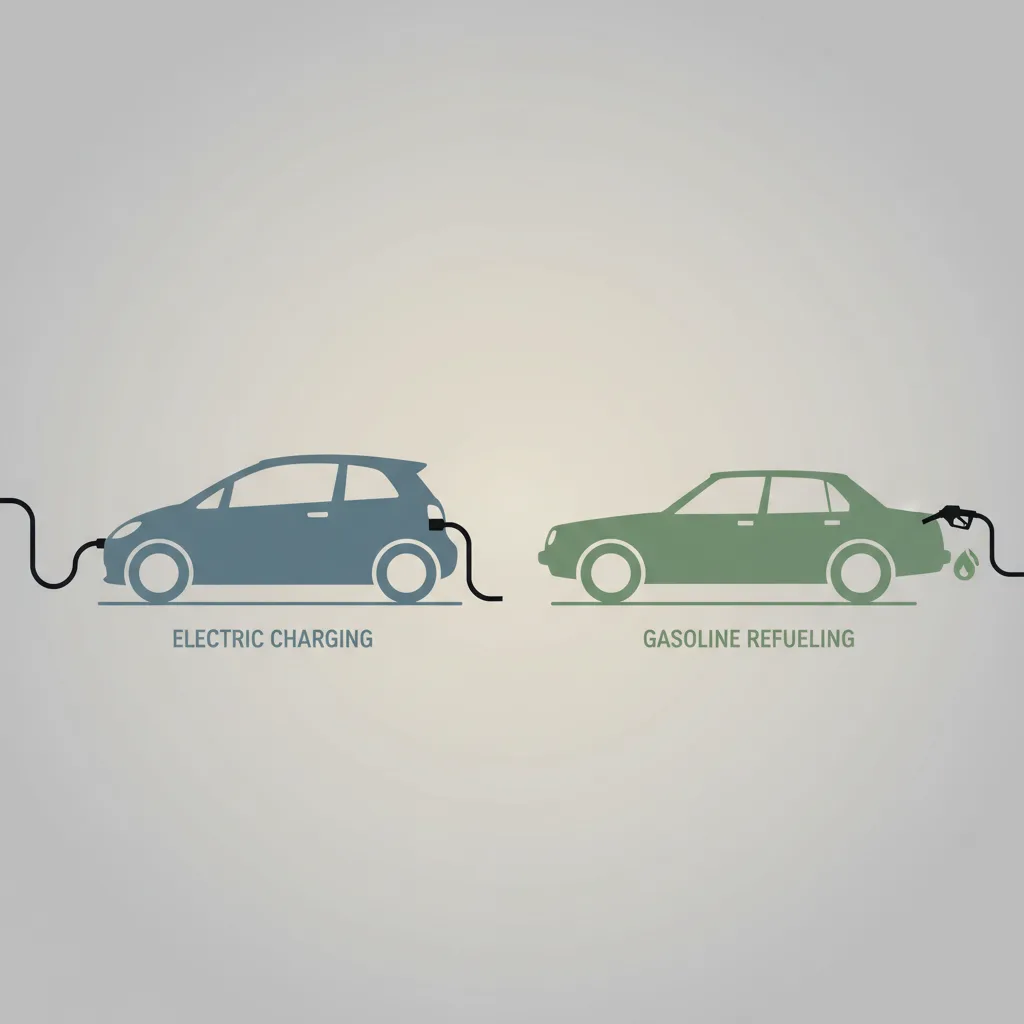
Електро чи бензин

% шкодує про цей вибір

Переважає дія

Жаль за дію на 2.9× вищий

Здоров’я

Пірсинг тіла

% шкодує про цей вибір

Переважає дія

Жаль за дію на 4.0× вищий

lifestyle

Залишити релігію

% шкодує про цей вибір

Переважає бездіяльність

Жаль за бездіяльність на 2.9× вищий

Здоров’я

Прагнення довголіття vs прийняття старіння

% шкодує про цей вибір

Переважає бездіяльність

Жаль за бездіяльність на 1.5× вищий

The largest study of vegetarian and vegan retention — Faunalytics’ 2014 survey of 11,399 US adults via Harris Interactive — found that 84% of people who adopted a vegetarian or vegan diet eventually returned to eating meat. That number is the action-side proxy shown above, used directly rather than the previously constructed composite. But lapse rate is not regret rate. Crucially, 37% of the lapsed expressed interest in re-adopting, meaning they do not regret the diet itself — they regret stopping it, or faced barriers they could not overcome. A Faunalytics obstacle analysis found that social isolation (84% were not part of any veg community), food access, and meal prep difficulty — not principled rejection of the diet — drove most lapses.

On the other side, a 2022 Vegan Society survey of 2,000 non-vegan UK adults found that 22% report feeling guilty about eating meat all of the time — a persistent-guilt figure we use as the inaction proxy rather than the combined 71% who report guilt “some” or “all” of the time. Persistent guilt maps more closely to a regret-adjacent construct than intermittent discomfort. Cognitive dissonance research (Bastian et al., 2012) shows that meat-related guilt is often resolved through justification strategies — “the guilt persists but produces no corresponding desire to act.” The Vegan Society, as the commissioning body, has an advocacy interest in high guilt numbers.

What the data establishes is that dietary identity is unstable: most people who try vegetarianism quit (though many want to try again), and roughly one in five meat eaters carries persistent guilt about it. The action-dominates pattern reflects an asymmetry between a very high lapse rate and a modest persistent-guilt rate, but readers should note that lapsing conflates genuine dissatisfaction with situational barriers. Both figures are proxies for different constructs (behavioral abandonment vs affective discomfort), so the large delta should be read with caution.

Джерела: дія

Реєстр тверджень

Кожне число нижче — це те, що повідомило джерело, з дослівною цитатою, на яку ми спиралися, та тим, як ми дійшли до нашої цифри. Натисніть на посилання, щоб перевірити самостійно.

1/2 джерел незалежно перевірено дослівно за вказаним джерелом

  1. [1] Faunalytics / Harris Interactive — A Summary of Faunalytics' Study of Current and Former Vegetarians and Vegans Перевірено
    A Summary of Faunalytics' Study of Current and Former Vegetarians and Vegans
    Статистика
    84% of people who have adopted a vegetarian or vegan diet subsequently abandon it; 53% lasted less than one year; 37% of the lapsed are interested in re-adopting
    Витяг
    “"84% of vegetarians/vegans abandon their diet. About a third (34%) of lapsed vegetarians/vegans maintained the diet for three months or less, and slightly more than half (53%) adhered to the diet for less than one year. The only motivation cited by a majority (58%) of former vegetarians/vegans was health." ”
    Дані джерела:
    2014-12-02
    Дата звернення
    2026-04-26
    Перевірка
    Витяг незалежно повторно отримано та дослівно підтверджено за вказаним джерелом під час нашого аудиту обґрунтованості.
    Розрахунок
    Faunalytics commissioned Harris Interactive to survey 11,399 US adults aged 17+. Of those who had ever identified as vegetarian/vegan, 84% had reverted to eating meat. We use the 84% lapse rate directly as the action-side proxy. This is NOT a regret measure — it counts anyone who tried vegetarianism even briefly as a "former vegetarian." Crucially, 37% of lapsed expressed interest in re-adopting, meaning many lapsed for situational reasons (social isolation, food access) rather than because they regret the decision in principle.
  2. [2] Faunalytics — Bringing Back Former Vegans And Vegetarians: An Obstacle Analysis
    Bringing Back Former Vegans And Vegetarians: An Obstacle Analysis
    Статистика
    Food dissatisfaction is the most common struggle; accessibility and meal preparation time are the primary must-haves for re-adoption
    Витяг
    “"Dissatisfaction with veg*n food is the most common struggle, with nearly half of lapsed veg*ns experiencing cravings, boredom with their veg*n diet, feeling hungry on the diet, and other issues related to food dissatisfaction." ”
    Дані джерела:
    2019-10-01
    Дата звернення
    2026-04-26
    Розрахунок
    Faunalytics obstacle analysis of former veg*ns. Confirms that many lapsed for practical/situational reasons (access, time, social isolation) rather than regretting the decision in principle. 84% of former veg*ns were not part of any vegetarian community, and 63% disliked sticking out from the crowd.

Джерела: бездіяльність

Реєстр тверджень

Кожне число нижче — це те, що повідомило джерело, з дослівною цитатою, на яку ми спиралися, та тим, як ми дійшли до нашої цифри. Натисніть на посилання, щоб перевірити самостійно.

  1. [1] The Vegan Society / Attest — Younger people feel more guilty about eating meat than older people, Vegan Society research finds
    Younger people feel more guilty about eating meat than older people, Vegan Society research finds
    Статистика
    22% of non-vegan UK adults feel guilty about eating meat all of the time; an additional 49% feel guilty some of the time
    Витяг
    “"49 per cent of respondents felt guilty about eating meat 'some' of the time, while a further 22 per cent felt guilty 'all' of the time. Even amongst those not limiting their consumption of meat and animal products at all, 45 per cent said they felt guilty about it 'some' or 'all' of the time." ”
    Дані джерела:
    2022-11-01
    Дата звернення
    2026-04-26
    Розрахунок
    Vegan Society commissioned Attest to survey 2,000 non-vegan UK adults (working age, nationally representative for age, gender, and region) in October 2022. We use the 22% "guilty all the time" figure rather than the combined 71% (some + all), because persistent guilt is a closer proxy for regret-adjacent affect than intermittent guilt. The Vegan Society as commissioning body has an advocacy interest in high guilt numbers. Guilt about eating meat is NOT the same as regret about not going vegetarian — cognitive dissonance research shows meat-guilt is often resolved through justification strategies.
  2. [2] Faunalytics / Harris Interactive — A Summary of Faunalytics' Study of Current and Former Vegetarians and Vegans
    A Summary of Faunalytics' Study of Current and Former Vegetarians and Vegans
    Статистика
    88% of US adults have never tried vegetarianism or veganism; 10% are former veg*ns; 2% are current veg*ns
    Витяг
    “"About 88 percent of the U.S. population had never attempted a vegetarian or vegan diet, yet among the 12 percent who tried, only 2 percent had stuck with it." ”
    Дані джерела:
    2014-12-02
    Дата звернення
    2026-04-26
    Розрахунок
    Faunalytics population data. 88% of US adults have never tried vegetarianism, providing context: the vast majority of meat eaters have not even considered the alternative seriously, making "regret about not going vegetarian" a narrow phenomenon even if guilt about meat is widespread.

Застереження

Neither side measures regret directly. The action-side 84% is a lapse rate — it counts anyone who tried vegetarianism and reverted, including sub-3-month experiments. Lapsing is not regretting: 37% of the lapsed expressed interest in re-adopting, and the Faunalytics obstacle analysis found that practical barriers (social isolation, food access, meal prep difficulty) drove most lapses rather than principled rejection. The raw 84% should be read as "the diet failed to stick" rather than "they regret trying." The inaction-side 22% is persistent guilt ("all the time") about eating meat, not regret about failing to go vegetarian. Cognitive dissonance research (Bastian et al., 2012) shows that meat-related guilt is often resolved through justification strategies without behavior change. The two samples are from different countries (US vs UK) and different decades (2014 vs 2022). The action-dominates pattern reflects the asymmetry between a high lapse rate and a modest persistent-guilt rate, but both are proxies for different constructs (behavioral abandonment vs affective discomfort). The large delta (0.62) overstates the difference in actual regret because lapsing conflates regret with situational barriers.

Вихідні дані: /api/decisions.json

Нещодавно переглянуті на цьому пристрої