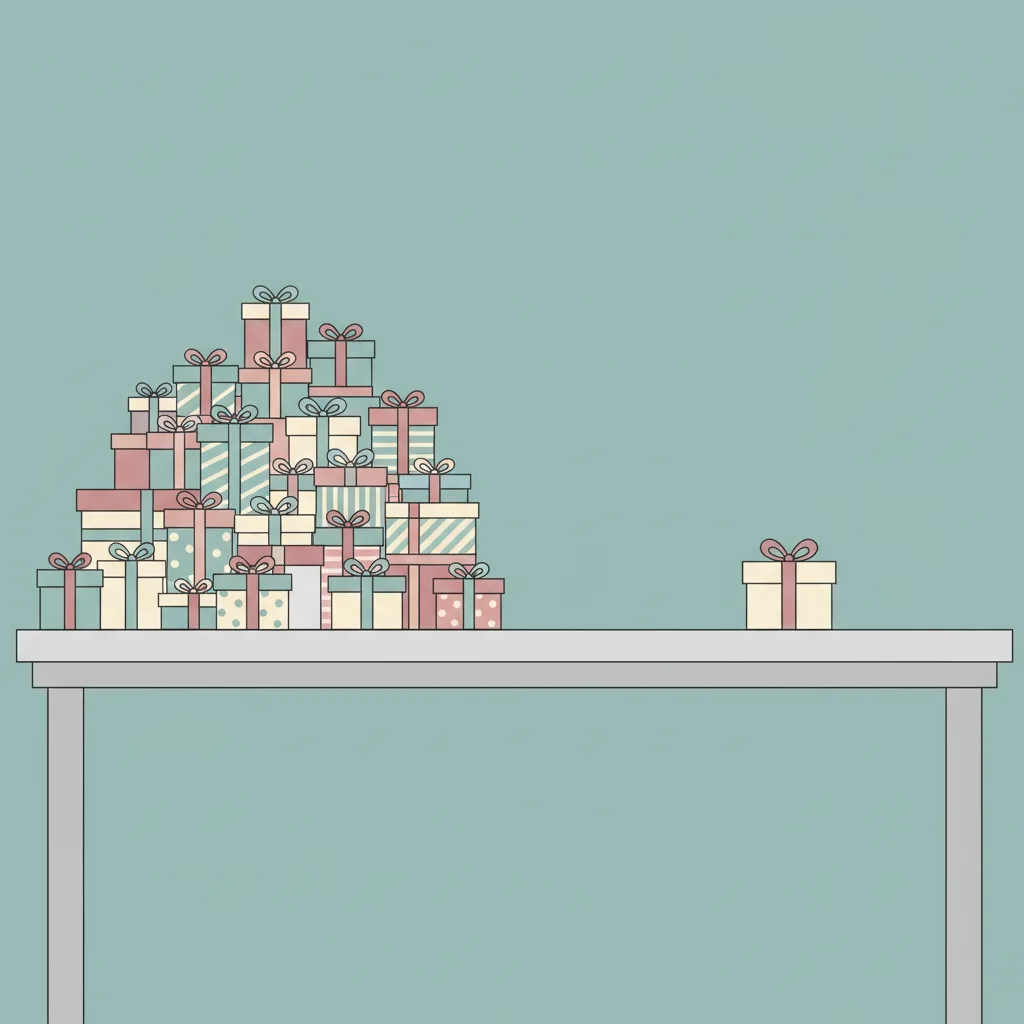
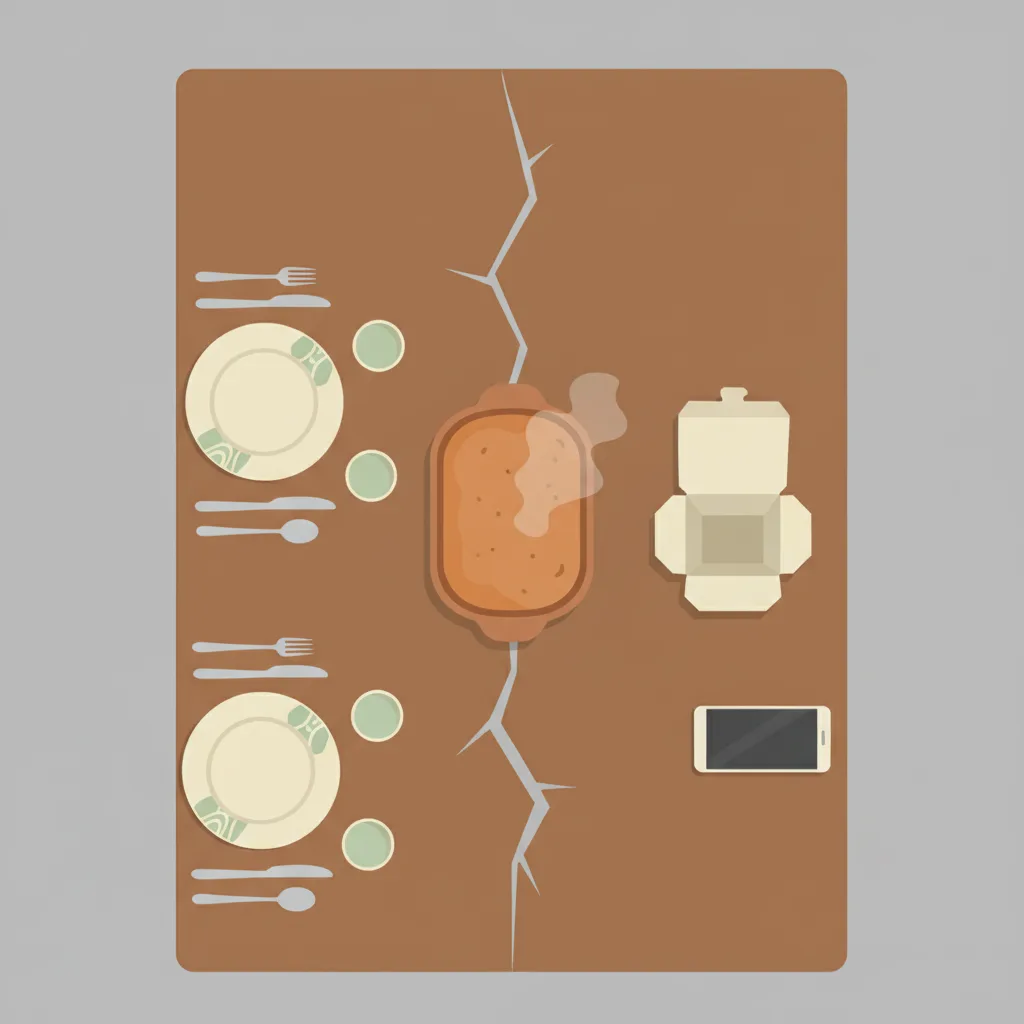
Регулярна публікація життя дитини в соцмережах vs. захист їхньої цифрової приватності
Якщо ви дієте
Регулярно ділитися життям своєї дитини в соцмережах (sharenting)
52%
Якщо ви не дієте
Захищати цифрову приватність дитини, тримати її від соцмереж
8,0%
Відсоток тих, хто згодом шкодує про кожен вибір. Стовпчики та повний реєстр показані нижче.
Family
Остання перевірка 2026-05-13
Якість доказів 4.38/5
Восьмивимірна оцінка перевірки за
рубрикою якості
. Кожен вимір оцінений 1–5.
D1 Перевірка джерел
4/5
D2 Авторитет та незалежність джерела
5/5
D3 Точність частоти жалю
5/5
D4 Порівнянність джерел
4/5
D5 Шаблон Гіловича
4/5
D6 Якість прози
4/5
D7 Повнота застережень
4/5
D8 Якість вибірки
5/5
Середнє4.38/5
Замінні дані — для цього рішення не існує прямого дослідження жалю. Показники отримані з оцінок задоволеності та даних про бар'єри доступу, а не з питань, що безпосередньо стосувалися жалю. Дивіться застереження нижче.
Жаль за дію
Регулярно ділитися життям своєї дитини в соцмережах (sharenting)
52%
52% батьків стурбовані тим, що їхня дитина буде збентежена, коли подорослішає, тим, що опубліковано (проксі занепокоєння, а не виміряне шкодування)
американські батьки, які регулярно публікують фото або відео своєї дитини в соцмережах
поперечно, 2015
Жаль за бездіяльність
Захищати цифрову приватність дитини, тримати її від соцмереж
8,0%
Жодне опитування не вимірює шкодування серед батьків, які захищають приватність; показані ~8% — це умовний заповнювач, а не виміряний показник
американські батьки, які активно обмежують або уникають публікацій про своїх дітей в соцмережах
поперечно, 2019
% шкодує про цей вибір
Регулярно ділитися життям своєї дитини в соцмережах (sharenting)Захищати цифрову приватність дитини, тримати її від соцмереж
52%8,0%
action dominates — Дія переважає — більшість шкодує, що діяла.
Пов’язані рішення
Семантично близькі рішення — та сама сфера, інші компроміси.
Among US parents of children age four and under, 52% are concerned their child might be embarrassed when older by what is shared about them on social media, and roughly two-thirds are concerned about private information (68%) or photos (67%) being found, according to the C.S. Mott Children’s Hospital National Poll on Children’s Health (fielded 2014, n=569). These are concerns about a hypothetical future, not retrospective regret, and they coexist with continued sharing: a 2020 Pew Research Center survey found that 82% of social-media-using parents have posted photos, videos, or information about their children, yet only 16% say they worry sometimes or often that their child will later be upset about it. On the inaction side, no published survey directly asks non-sharing parents whether they regret their restraint. The ~8% shown for that side is an imputed placeholder, not a measured rate; the entry is flagged as a proxy comparison.
The decision differs structurally from most regret pairs because its full consequences unfold over years, not weeks. A child photographed extensively in infancy cannot consent and may, at age 12 or 16, discover years of publicly archived posts depicting their private developmental milestones, childhood embarrassments, or medical experiences. Once content is indexed, screenshot, or held by third-party data brokers, deletion from the original platform does not reliably remove it. The Mott Poll was fielded in late 2014, before the normalization of Stories, Reels, and TikTok — current sharenting rates are substantially higher, and the volume of archived content per child has grown accordingly.
Gilovich and Medvec’s temporal asymmetry research predicts that action regrets are more vivid in the short term but that inaction regrets accumulate over time. Sharenting is unusual in that the short-term feedback is consistently positive (social validation, likes, grandparent engagement) while the long-term cost accrues to the child, not the parent. This feedback mismatch — positive reinforcement at time of posting, negative consequence to a third party years later — may cause parents to systematically underestimate action-side regret at the moment of decision and encounter it only retrospectively, when the child is old enough to object.
Джерела: дія
Реєстр тверджень
Кожне число нижче — це те, що повідомило джерело, з дослівною цитатою, на яку ми спиралися, та тим, як ми дійшли до нашої цифри. Натисніть на посилання, щоб перевірити самостійно.
1/2 джерел незалежно перевірено дослівно за вказаним джерелом
[1]C.S. Mott Children's Hospital National Poll on Children's Health — Parents on Social Media: Likes and Dislikes of Sharenting
Первинне дослідження
52% of parents are concerned that, when older, their child might be embarrassed about what has been shared on social media; 68% are concerned about private information about their child being found, and 67% about photos being shared
Витяг
“"More than two-thirds of parents are concerned about someone finding out private information about their child (68%) or sharing photos of their child (67%). Over half (52%) are concerned that, when older, their child might be embarrassed about what is shared on social media."
”
Дані джерела:
2015-03-16
Дата звернення
2026-06-30
Розрахунок
C.S. Mott Children's Hospital National Poll on Children's Health, Vol. 23 Issue 2 ("Parents on Social Media: Likes and Dislikes of Sharenting"), survey fielded November/December 2014, N=569 parents of children age 4 and under. Nationally representative US sample. The 52% captures parents concerned that their child might be embarrassed about shared content when older -- the side label is a forward-looking concern about future embarrassment, not a direct "I regret what I posted" question. The 0.52 numeral is the poll's verbatim embarrassment-concern reading but is a concern proxy, not measured regret.
[2]Pew Research Center — Parents' attitudes -- and experiences -- related to digital technology
Перевірено
Первинне дослідження
82% of parents who use social media have posted photos, videos or other information about their children on these sites; 16% say they sometimes or often worry their children might be upset in the future about what was posted (83% rarely or never worry)
Витяг
“"82% of parents who use social media say they have posted photos, videos or other information about their children on these sites. ... The majority of parents who share photos, videos and information about their children on social media say they rarely or never (83%) worry that in the future their children might be upset about the things they posted about them on social media sites. Just 16% say they worry about this sometimes or often."
”
Дані джерела:
2020-07-28
Дата звернення
2026-06-30
Перевірка
Витяг незалежно повторно отримано та дослівно підтверджено за вказаним джерелом під час нашого аудиту обґрунтованості.
Розрахунок
Pew Research Center, "Parenting Children in the Age of Screens" (American Trends Panel Wave 63, fielded March 2-15, 2020). Documents that sharenting is near-universal among social-media-using parents (82% have posted about their children) while only a 16% minority worry sometimes/often that their child will later be upset -- a lower self-reported worry rate than the Mott concern figures. Used as corroborating evidence on the action side, not in rate arithmetic.
Джерела: бездіяльність
Реєстр тверджень
Кожне число нижче — це те, що повідомило джерело, з дослівною цитатою, на яку ми спиралися, та тим, як ми дійшли до нашої цифри. Натисніть на посилання, щоб перевірити самостійно.
[1]Pew Research Center — Parenting Children in the Age of Screens↗ 1 other entry
Первинне дослідження
Among parents whose under-12 child uses a voice-activated assistant, about 39% are at least somewhat concerned about the data the assistant collects about their child (11% very concerned)
Витяг
“"About four-in-ten parents of a child age 11 or younger who uses or interacts with a voice-activated assistant (39%) say they are at least somewhat concerned about the data these assistants collect about their child, including 11% who say they are very concerned."
”
Дані джерела:
2020-07-28
Дата звернення
2026-06-30
Розрахунок
Pew Research Center, "Parenting Children in the Age of Screens" (American Trends Panel Wave 63, fielded March 2-15, 2020). This source documents that parental concern about child data collection is real but partial (39% concerned about voice-assistant data among the relevant subgroup) -- it establishes the motivation behind privacy protection. It does NOT measure regret among privacy-protective parents. No published survey asks non-sharing parents whether they regret their restraint, so the inaction side carries no reliable regret estimate (see regret_display).
Застереження
Both rates on this entry are proxies, not measured regret -- the entry is flagged proxy_only. The action-side figure captures parental CONCERN, not retrospective regret: 52% of parents in the C.S. Mott poll said they were concerned their child might be embarrassed when older by what is shared, and the same poll found 68%/67% concerned about private information or photos. These are forward-looking worries, not "I regret specific posts" answers, and many parents who voiced them kept sharing (Pew finds 82% of social-media-using parents have posted about their children, yet only 16% worry sometimes or often that their child will later be upset). The inaction-side 8% is NOT a measured rate: no published survey asks privacy-protective parents whether they regret their restraint, so the numeral is an imputed placeholder retained only because the schema requires a number -- treat the inaction side as having no reliable regret estimate. A distinctive feature of this decision is that regret may intensify as the child ages: children photographed extensively in early childhood cannot consent to their digital footprint and may later object to years of publicly archived posts. Content posted to platforms between 2010 and 2025 is likely to persist indefinitely even after deletion, given archiving, screenshots, and third-party data brokers. The Mott Poll was conducted in 2015, before the widespread normalization of Instagram Stories, TikTok, and BeReal-style spontaneous sharing -- sharenting rates and subsequent concerns have likely increased since then.