



Bỏ qua đến nội dung
Likelier

Hối tiếc khi hành động vs. không hành động

Cho phép hiến tạng cho thành viên gia đình đã qua đời vs. từ chối

Nếu bạn hành động

Đồng ý hiến tạng

4,0%

Nếu bạn không hành động

Từ chối hiến tạng

27%

Tỷ lệ phần trăm người sau này hối tiếc về mỗi lựa chọn. Biểu đồ thanh và bản ghi đầy đủ hiển thị bên dưới.


Gia đình

Xem xét lần cuối 2026-05-13

Chất lượng bằng chứng 4.25/5

Điểm đánh giá tám chiều theo tiêu chí chất lượng . Mỗi chiều được chấm từ 1–5.

D1 Xác minh nguồn
3/5
D2 Uy tín và tính độc lập của nguồn
4/5
D3 Độ chính xác của tỷ lệ hối tiếc
4/5
D4 Khả năng so sánh nguồn
5/5
D5 Mẫu hình Gilovich
5/5
D6 Chất lượng văn bản
5/5
D7 Tính đầy đủ của lưu ý
5/5
D8 Chất lượng mẫu
3/5
Trung bình 4.25/5
Bằng chứng trực tiếp
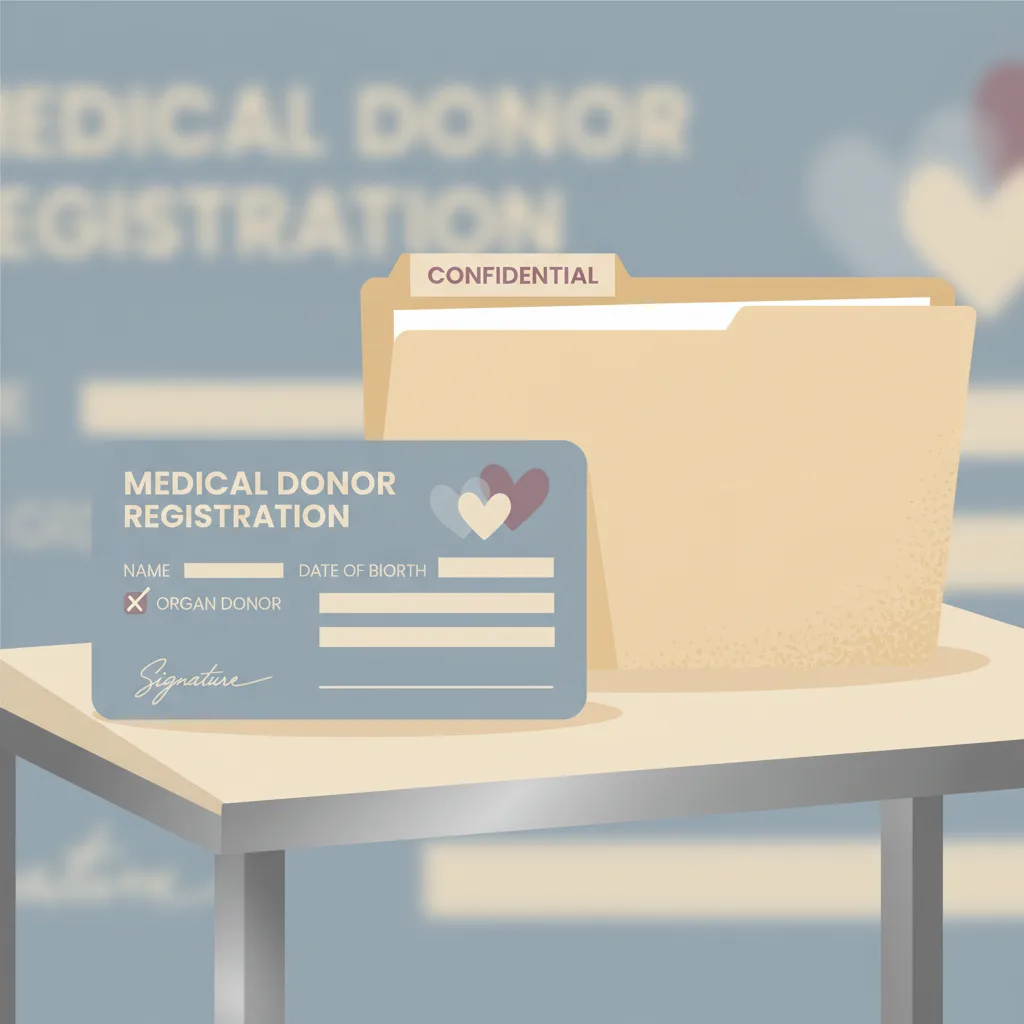
A hospital donor registration card on the left and a closed folder on the right, on a quiet table.

Hối hận vì hành động

Đồng ý hiến tạng

4,0%

4% thân nhân đồng ý hiến tạng sẽ không đồng ý lại nếu được quyết định lần nữa

Người thân tiếp theo đồng ý hiến tạng, Hà Lan

theo dõi dọc, 1-4 năm sau quyết định

Hối hận vì không hành động

Từ chối hiến tạng

27%

27% gia đình đã từ chối hiến tạng giờ sẽ đồng ý nếu được quyết định lại

Người thân tiếp theo từ chối đồng ý hiến tạng, Hà Lan

theo dõi dọc, 1-4 năm sau quyết định

% hối tiếc về lựa chọn này

inaction dominates — Không hành động chiếm ưu thế — hầu hết hối tiếc vì đã không hành động.

Quyết định liên quan

Các quyết định tương tự về mặt ngữ nghĩa — cùng lĩnh vực, đánh đổi khác nhau.

family

Viện dưỡng lão vs chăm sóc tại nhà

% hối tiếc về lựa chọn này

Hành động chiếm ưu thế

Hối tiếc vì hành động cao hơn 2.3×

Sức khỏe

Thời điểm làm di chúc y tế

% hối tiếc về lựa chọn này

Không hành động chiếm ưu thế

Hối tiếc vì không hành động cao hơn 10.0×

Sức khỏe

MAID vs. chăm sóc giảm nhẹ

% hối tiếc về lựa chọn này

Không hành động chiếm ưu thế

Hối tiếc vì không hành động cao hơn 5.0×

Sức khỏe

Sắp xếp điều trị vs. chờ đợi

% hối tiếc về lựa chọn này

Không hành động chiếm ưu thế

Hối tiếc vì không hành động cao hơn 1.8×

family

Cắt đứt gia đình

% hối tiếc về lựa chọn này

Không hành động chiếm ưu thế

Hối tiếc vì không hành động cao hơn 3.4×

family

Ở nhà vs đi làm

% hối tiếc về lựa chọn này

Hành động chiếm ưu thế

Hối tiếc vì hành động cao hơn 1.3×

family

Nhận nuôi vs tự nuôi dưỡng

% hối tiếc về lựa chọn này

Hành động chiếm ưu thế

Hối tiếc vì hành động cao hơn 4.8×

family

Giám hộ đầy đủ vs. ra quyết định được hỗ trợ

% hối tiếc về lựa chọn này

Cân bằng

Gần như cân bằng

Among 147 next-of-kin who consented to organ donation, 4% said they would not consent if they could decide again, according to Rodrigue, Cornell and Howard’s US interview study of 285 next-of-kin (Am J Transplant, 2008). The overwhelming majority — 94% — said they would make the same decision, with 2% unsure. UNOS data record that US deceased organ donors first exceeded 10,000 in 2017 (10,281 donors), so tens of thousands of next-of-kin now face this decision each year, typically under acute clinical time pressure with limited opportunity for deliberation. The constrained decision environment contributes to post-hoc doubt independent of the direction of the choice, but on the consent side that doubt is rare.

Refusal proved far less stable: of the 138 next-of-kin who declined donation, 27% said they would now consent if they could decide over, while only 64% would refuse again and 9% were unsure. A 2021 Singapore national survey (BMJ Open, n=973) helps explain the mechanism: 68.1% of respondents were willing to donate their own organs but only 51.8% would consent for a relative — a roughly 16-point gap showing that people apply a higher bar to a relative’s body than to their own. When that hesitation later meets evidence of donation’s value, the refusal becomes the decision people most often wish they could take back.

Under Gilovich and Medvec’s temporal model, inaction typically generates more durable long-term regret, and the gap here — 27% of refusers reversing versus 4% of consenters — is consistent with that pattern. The caveat is that both rates come from a single US study that measured decision instability (would you decide the same way again) rather than a validated regret scale, and from a one-time interview rather than a multi-year trajectory. The robust signal is the asymmetry: refusing is reversed roughly seven times as often as consenting. The precise percentages should be read as directional, not as population norms.

Nguồn: hành động

Sổ cái xác nhận

Mỗi con số dưới đây là những gì mỗi nguồn đã báo cáo, cùng với trích dẫn nguyên văn mà chúng tôi dựa vào và cách chúng tôi đưa ra con số của mình. Nhấp vào bất kỳ liên kết nào để xác minh trực tiếp.

2/2 nguồn được xác minh độc lập đúng từng chữ so với nguồn được trích dẫn

  1. [1] American Journal of Transplantation — The instability of organ donation decisions by next-of-kin and factors that predict it Đã xác minh
    The instability of organ donation decisions by next-of-kin and factors that predict it
    Thống kê
    Of 147 next-of-kin who consented to donation, 6 (4%) said they would not consent again, 138 (94%) would make the same decision, and 3 (2%) were unsure
    Trích đoạn
    “"Of the 147 next-of-kin donors, 138 (94%) would make the same decision again, 6 (4%) would not consent to donation and 3 (2%) were unsure." ”
    Dữ liệu nguồn từ
    2008-12-01
    Truy cập
    2026-06-30
    Xác minh
    Trích đoạn đã được tải lại độc lập và xác nhận đúng từng chữ so với nguồn được trích dẫn trong quá trình kiểm định căn cứ của chúng tôi.
    Tính toán
    Rodrigue JR, Cornell DL, Howard RJ (2008), Am J Transplant 8(12):2661-7, PMID 18853951. US interview study of 285 next-of-kin (147 donors, 138 nondonors). Decision instability is the directly measured construct: among consenters, 6/147 = 4% would not consent if they could decide again. Used directly as the action-side regret_rate of 0.04. Replaces a prior citation (PMID 21902727, Jansen/van Leiden Dutch consent-rate study) that measured family CONSENT RATES, not consenter regret, and did not support the previously stated 10% figure.
  2. [2] United Network for Organ Sharing (UNOS) — Deceased organ donors in United States exceeded 10,000 for first time in 2017 Đã xác minh
    Deceased organ donors in United States exceeded 10,000 for first time in 2017
    Thống kê
    In 2017 US deceased organ donors first exceeded 10,000 (10,281 donors), so tens of thousands of next-of-kin face the donation decision each year
    Trích đoạn
    “"During 2017, the number of deceased organ donors in the United States topped 10,000 for the first time, according to preliminary data from United Network for Organ Sharing (UNOS), which serves as the national Organ Procurement and Transplantation Network (OPTN) under federal contract. For the year, organs were recovered from 10,281 donors, representing a 3.1 percent increase over 2016 and an increase of 27 percent since 2007." ”
    Dữ liệu nguồn từ
    2018-01-09
    Truy cập
    2026-07-01
    Xác minh
    Trích đoạn đã được tải lại độc lập và xác nhận đúng từng chữ so với nguồn được trích dẫn trong quá trình kiểm định căn cứ của chúng tôi.
    Tính toán
    UNOS news release (Jan 9, 2018) on national deceased-donor volume. Used as population-scale context: the number of realized deceased donors first exceeded 10,000 in 2017 (10,281). Because only a fraction of approached next-of-kin consent, the number of families who actually face the donation decision each year is even larger than the donor count. This source establishes US scale only and does not provide a regret rate; the regret figures come from Rodrigue et al. (2008). Replaces a prior citation (unos.org/data/transplant-trends dashboard) whose verbatim excerpt about "~10,000 families approached ... under significant time pressure" did not appear on that page and could not be verified as UNOS text.

Nguồn: không hành động

Sổ cái xác nhận

Mỗi con số dưới đây là những gì mỗi nguồn đã báo cáo, cùng với trích dẫn nguyên văn mà chúng tôi dựa vào và cách chúng tôi đưa ra con số của mình. Nhấp vào bất kỳ liên kết nào để xác minh trực tiếp.

1/2 nguồn được xác minh độc lập đúng từng chữ so với nguồn được trích dẫn

  1. [1] American Journal of Transplantation — The instability of organ donation decisions by next-of-kin and factors that predict it
    The instability of organ donation decisions by next-of-kin and factors that predict it
    Thống kê
    Of 138 next-of-kin who refused donation, 37 (27%) said they would now consent, 89 (64%) would make the same decision, and 12 (9%) were unsure
    Trích đoạn
    “"Of the 138 next-of-kin nondonors, 89 (64%) would make the same decision again, 37 (27%) would consent to donation and 12 (9%) were unsure." ”
    Dữ liệu nguồn từ
    2008-12-01
    Truy cập
    2026-06-30
    Tính toán
    Rodrigue JR, Cornell DL, Howard RJ (2008), Am J Transplant 8(12):2661-7, PMID 18853951. US interview study of 285 next-of-kin (147 donors, 138 nondonors). Decision instability is the directly measured construct: among refusers, 37/138 = 27% would now consent if they could decide again. Used directly as the inaction-side regret_rate of 0.27. Refusers reverse their decision far more often than consenters (27% vs 4%), the inaction-dominates regret asymmetry. Replaces a prior citation (PMID 21902727, Jansen/van Leiden Dutch consent-rate study) that measured family CONSENT RATES, not refuser regret, and did not support the prior 28% figure.
  2. [2] BMJ Open (PubMed Central) — Comparing organ donation decisions for next-of-kin versus the self: results of a national survey Đã xác minh
    Comparing organ donation decisions for next-of-kin versus the self: results of a national survey
    Thống kê
    68.1% willing to donate their own organs vs. only 51.8% willing to donate a relative's organs
    Trích đoạn
    “"Although 68.1% of participants were willing to donate their own organs, only 51.8% were willing to donate a relative's organs." ”
    Dữ liệu nguồn từ
    2021-11-01
    Truy cập
    2026-06-30
    Xác minh
    Trích đoạn đã được tải lại độc lập và xác nhận đúng từng chữ so với nguồn được trích dẫn trong quá trình kiểm định căn cứ của chúng tôi.
    Tính toán
    Liu et al. (2021), BMJ Open, Singapore national survey n=973 adults. Cross-sectional survey comparing hypothetical willingness to donate one's own organs versus a family member's: 68.1% own vs 51.8% relative. This willingness gap illustrates that next-of-kin systematically apply a higher bar to a relative's body than to their own -- a structural driver of refusal -- but the study measures stated intention, not post-decision regret, so it supplies corroborating context only, not a standalone regret rate. Corrected: removed a previously stated "16.1% would refuse a registered donor's wish" clause that does not appear in this paper.

Lưu ý

Both regret rates derive from a single US interview study (Rodrigue et al. 2008, N=285 next-of-kin) that measured decision instability -- whether the relative would make the same choice if they could decide again -- rather than a validated regret scale, so the figures index decision reversal, a close but not identical construct. Results may differ in opt-out systems (Spain, Wales, France) where donation is the legal default and refusal requires an active choice. The interview followed the donation decision once; these are not multi-year longitudinal regret trajectories, and the asymmetry (refusers reverse far more than consenters) is the robust signal, not the precise percentages. The decision is frequently made under acute time pressure in a hospital setting, with limited opportunity for deliberation -- a procedural context that shapes regret independently of the substantive choice. UNOS data and the Singapore willingness survey supply scale and mechanism context but not the regret rates themselves.

Dữ liệu thô: /api/decisions.json

Đã xem gần đây trên thiết bị này