





Bỏ qua đến nội dung
Likelier

Hối tiếc khi hành động vs. không hành động

Đưa cha mẹ già vào cơ sở chăm sóc vs tự chăm sóc họ tại nhà

Nếu bạn hành động

Đưa vào cơ sở chăm sóc

54%

Nếu bạn không hành động

Người nhà chăm sóc tại nhà

23%

Tỷ lệ phần trăm người sau này hối tiếc về mỗi lựa chọn. Biểu đồ thanh và bản ghi đầy đủ hiển thị bên dưới.


Gia đình

Xem xét lần cuối 2026-05-02

Chất lượng bằng chứng 4.13/5

Điểm đánh giá tám chiều theo tiêu chí chất lượng . Mỗi chiều được chấm từ 1–5.

D1 Xác minh nguồn
5/5
D2 Uy tín và tính độc lập của nguồn
4/5
D3 Độ chính xác của tỷ lệ hối tiếc
2/5
D4 Khả năng so sánh nguồn
3/5
D5 Mẫu hình Gilovich
5/5
D6 Chất lượng văn bản
5/5
D7 Tính đầy đủ của lưu ý
5/5
D8 Chất lượng mẫu
4/5
Trung bình 4.13/5
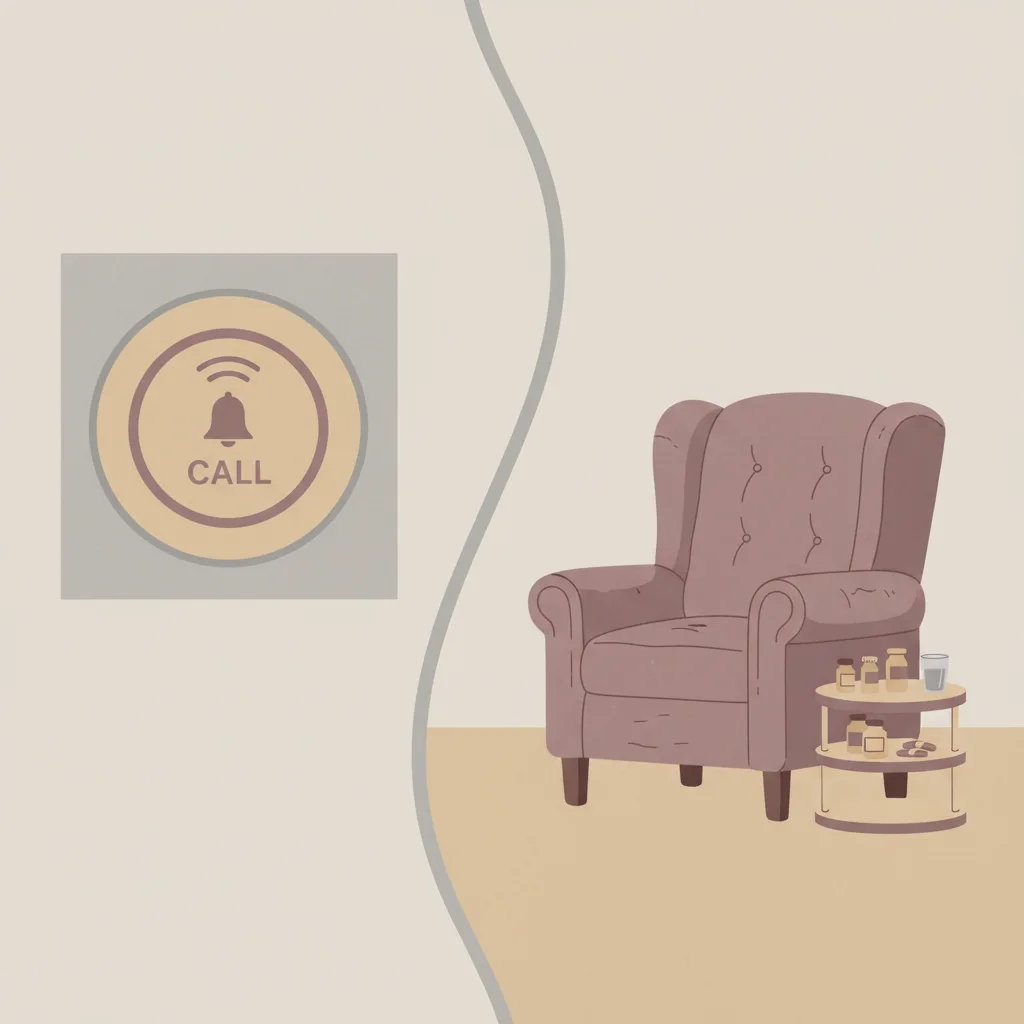
A hospital call button on the left and a home armchair with a medication tray on the right

Hối hận vì hành động

Đưa vào cơ sở chăm sóc

54%

54% gia đình báo cáo cảm thấy ít nhất phần nào có lỗi sau khi đưa vào viện dưỡng lão (đại lượng thay thế về mặc cảm — mặc cảm không giống với việc phán xét quyết định đó là sai)

Người trưởng thành Mỹ có thành viên gia đình ở nhà dưỡng lão

cắt ngang, hồi cứu

Hối hận vì không hành động

Người nhà chăm sóc tại nhà

23%

23% người chăm sóc tại nhà báo cáo sức khỏe của họ đã xấu đi do việc chăm sóc (đại lượng thay thế về gánh nặng — đo lường tổn hại của người chăm sóc, không phải hối tiếc trực tiếp về việc chọn chăm sóc tại nhà)

Người chăm sóc gia đình Mỹ, đại diện toàn quốc

cắt ngang; chăm sóc đang diễn ra tại thời điểm khảo sát

% hối tiếc về lựa chọn này

action dominates — Hành động chiếm ưu thế — hầu hết hối tiếc vì đã hành động.

Quyết định liên quan

Các quyết định tương tự về mặt ngữ nghĩa — cùng lĩnh vực, đánh đổi khác nhau.

familyTrực tiếp

Cho phép hiến tạng gia đình vs. từ chối

% hối tiếc về lựa chọn này

Không hành động chiếm ưu thế

Hối tiếc vì không hành động cao hơn 6.8×

family

Ở nhà vs đi làm

% hối tiếc về lựa chọn này

Hành động chiếm ưu thế

Hối tiếc vì hành động cao hơn 1.3×

family

Nhận nuôi vs tự nuôi dưỡng

% hối tiếc về lựa chọn này

Hành động chiếm ưu thế

Hối tiếc vì hành động cao hơn 4.8×

family

Trường tư vs trường công

% hối tiếc về lựa chọn này

Không hành động chiếm ưu thế

Hối tiếc vì không hành động cao hơn 3.2×

family

Giám hộ đầy đủ vs. ra quyết định được hỗ trợ

% hối tiếc về lựa chọn này

Cân bằng

Gần như cân bằng

family

Can thiệp vs. tự giải quyết

% hối tiếc về lựa chọn này

Hành động chiếm ưu thế

Hối tiếc vì hành động cao hơn 1.2×

family

Có con

% hối tiếc về lựa chọn này

Cân bằng

Gần như cân bằng

family

Tự do vs giám sát chặt chẽ

% hối tiếc về lựa chọn này

Hành động chiếm ưu thế

Hối tiếc vì hành động cao hơn 2.3×

54% of families report feeling at least somewhat guilty after placing a relative in a nursing home, according to a Care.com survey of 978 US adults (2019), with 14% feeling “extremely guilty.” A peer-reviewed parallel from Statz et al. (2021), tracking 83 dementia caregivers through residential long-term care transitions, found that nearly half (46.3%) experienced guilt from the care recipient, other family members, or facility staff. Adult children reported markedly more guilt from other family members than spouses did — 29.8% versus 4.0%, the only guilt source that differed significantly by caregiver role — and the qualitative record is thick with the specific fear that placement happened “too soon.” Action-side guilt is well-documented, replicated across research designs, and begins immediately after the move.

The inaction side lacks a symmetrical direct-regret measure, but the burden data are substantial. The 2020 NAC/AARP nationally representative survey of 1,707 US caregivers found that 23% said caregiving had made their own health worse — up from 17% in 2015. The same report found 28% had stopped saving and 23% had taken on more debt because of caregiving. Schulz and Sherwood’s 2008 synthesis of three decades of caregiver health research concluded that caregiving “creates physical and psychological strain over extended periods of time” and that roughly two-thirds of caregivers experience some negative consequence. The floor of inaction-side harm is real but harder to frame as regret because most home caregivers are embedded in an ongoing situation rather than looking back on a discrete choice.

Under Gilovich and Medvec’s framework, actions generate more regret in the short term, and the placement guilt literature fits this pattern: guilt is highest immediately after the move and tends to attenuate as the care recipient stabilises and the caregiver observes professional care quality. Inaction regret — regret about not having placed sooner — is harder to study because it surfaces mainly when home care has already broken down (hospitalisation, caregiver health crisis, or care recipient injury from inadequate supervision). The 31-point gap between sides should be read cautiously: the two measures are not equivalent constructs, and a direct bilateral survey asking both groups the same retrospective question does not yet exist in the published literature.

Nguồn: hành động

Sổ cái xác nhận

Mỗi con số dưới đây là những gì mỗi nguồn đã báo cáo, cùng với trích dẫn nguyên văn mà chúng tôi dựa vào và cách chúng tôi đưa ra con số của mình. Nhấp vào bất kỳ liên kết nào để xác minh trực tiếp.

  1. [1] Care.com / Statista — Guilt over leaving one or more relatives in a nursing home in the United States in 2019
    Guilt over leaving one or more relatives in a nursing home in the United States in 2019
    Thống kê
    53.6% of respondents felt at least somewhat guilty: extremely (13.7%), moderately (20.9%), somewhat (19%); 23.7% slightly guilty; 22.7% not at all
    Trích đoạn
    “"In the 2019, roughly 14 percent of people with a relative in a nursing home felt extremely guilty over their choice of leaving their relative in the nursing home." ”
    Dữ liệu nguồn từ
    2019-01-25
    Truy cập
    2026-05-02
    Tính toán
    Care.com online survey, n=978 US adults with a family member in a nursing home, 2019. Regret proxy: respondents rating guilt as "extremely" (13.7%) + "moderately" (20.9%) + "somewhat" (19.0%) = 53.6%, rounded to 0.54. The AARP coping article independently summarises this as "over 50 percent felt at least somewhat guilty." "Slightly guilty" (23.7%) is excluded as below the "somewhat" threshold used by AARP's framing.
  2. [2] Couple and Family Psychology: Research and Practice (PMC) — "We Moved Her Too Soon": Navigating Guilt Among Adult Child and Spousal Caregivers of Persons Living with Dementia Following a Move into Residential Long-Term Care
    "We Moved Her Too Soon": Navigating Guilt Among Adult Child and Spousal Caregivers of Persons Living with Dementia Following a Move into Residential Long-Term Care
    Thống kê
    46.3% of dementia caregivers (N=83) reported experiencing guilt from care recipient, other family members, or facility staff following nursing home placement
    Trích đoạn
    “"Nearly half of caregivers reported experiencing guilt from their care recipient, other family members, or facility staff." ”
    Dữ liệu nguồn từ
    2021-05-13
    Truy cập
    2026-05-02
    Tính toán
    Mixed-methods study, N=83 caregivers (25 spouses, 58 adult children) transitioning a family member with Alzheimer's disease or related dementia to residential long-term care. Quantitative analyses identified guilt prevalence at 46.3% for any source of guilt. Adult children reported guilt from other family members at 29.8% vs 4.0% for spouses. The peer-reviewed figure (46.3%) is conservative relative to the Care.com survey (53.6%); the entry uses the Care.com figure as the primary regret_rate because it covers a broader guilt construct and a larger, non-dementia-specific sample.

Nguồn: không hành động

Sổ cái xác nhận

Mỗi con số dưới đây là những gì mỗi nguồn đã báo cáo, cùng với trích dẫn nguyên văn mà chúng tôi dựa vào và cách chúng tôi đưa ra con số của mình. Nhấp vào bất kỳ liên kết nào để xác minh trực tiếp.

1/2 nguồn được xác minh độc lập đúng từng chữ so với nguồn được trích dẫn

  1. [1] National Alliance for Caregiving (NAC) and AARP — Caregiving in the United States 2020
    Caregiving in the United States 2020
    Thống kê
    23% of US caregivers say caregiving has made their own health worse, up from 17% in 2015; 23% find it hard to take care of their own health
    Trích đoạn
    “"Family caregivers provide vital help and care for their loved ones, yet this survey shows that they keep getting stretched thinner and thinner." ”
    Dữ liệu nguồn từ
    2020-05-14
    Truy cập
    2026-05-02
    Tính toán
    NAC/AARP nationally representative probability-based online survey of 1,707 US caregivers age 18+, conducted 2019 by Greenwald & Associates. Regret proxy: 23% reporting health has worsened. This is a burden/harm proxy, not a direct regret measure — no large-scale survey asks home caregivers retrospectively whether they regret choosing home care over facility placement. The 23% represents the floor of caregiver harm; separate data show 28% have stopped saving, 23% have taken on more debt, and 21% provide 41+ hours/week of care. The health-worsened figure is used as the regret_rate because health decline is the most proximate marker of caregiver regret in the absence of a direct question.
  2. [2] American Journal of Nursing — Physical and Mental Health Effects of Family Caregiving Đã xác minh
    Physical and Mental Health Effects of Family Caregiving
    Thống kê
    Caregiving creates physical and psychological strain over extended periods; about one third of caregivers report neither strain nor negative health effects, implying approximately two thirds experience some negative consequence
    Trích đoạn
    “"Caregiving has all the features of a chronic stress experience: It creates physical and psychological strain over extended periods of time, is accompanied by high levels of unpredictability and uncontrollability, has the capacity to create secondary stress in multiple life domains such as work and family relationships, and frequently requires high levels of vigilance." ”
    Dữ liệu nguồn từ
    2008-09-01
    Truy cập
    2026-05-02
    Xác minh
    Trích đoạn đã được tải lại độc lập và xác nhận đúng từng chữ so với nguồn được trích dẫn trong quá trình kiểm định căn cứ của chúng tôi.
    Tính toán
    Literature review by Schulz & Sherwood, American Journal of Nursing, September 2008, Vol. 108, No. 9 Supplement, pp. 23–27. DOI: 10.1097/01.NAJ.0000336406.45248.4c. Authors synthesise three decades of caregiver health research and note that approximately one third of caregivers report no strain, suggesting two thirds experience some negative health consequence. This is directionally consistent with the AARP 2020 figure of 23% reporting health explicitly worsened, which is the primary regret_rate used. The Schulz & Sherwood review corroborates that the AARP 23% is a reasonable lower bound.

Lưu ý

The two sides measure different constructs: action-side rates are guilt responses about a completed placement decision, while inaction-side rates are health-burden proxies among ongoing home caregivers — no large-scale survey directly asks home caregivers whether they regret not pursuing facility care. The action-side Care.com survey (n=978) was an online opt-in panel, not probability-sampled, which may over-represent caregivers actively seeking information about guilt. The peer-reviewed Statz et al. figure (46.3%) is dementia-specific and uses a narrower guilt construct; the 54% entry figure from Care.com covers all nursing home relationships. Both action-side figures are guilt proxies, not regret measured at a fixed retrospective horizon. Caregiving burden varies enormously by diagnosis, intensity, and available support: AARP data show 21% of home caregivers provide 41+ hours per week, a subgroup likely experiencing much higher regret rates than the 23% headline. Finally, the decision to place or care at home is rarely freely chosen — financial constraints, geography, family dynamics, and clinical need all shape it, making regret partly attributable to circumstances rather than the decision itself.

Dữ liệu thô: /api/decisions.json

Đã xem gần đây trên thiết bị này