







Aller au contenu
Likelier

Regret d’agir vs. de ne pas agir

Migrer de la campagne vietnamienne vers la ville pour le travail vs. rester dans son village natal

Si vous agissez

Migrer vers Hanoï, Hô Chi Minh-Ville ou une zone industrielle

64%

Si vous n’agissez pas

Rester dans son village d'origine

30%

Pourcentage de personnes qui regrettent ensuite chaque choix. Les barres et le registre complet s’affichent ci-dessous.


Mode de vie

Dernière révision 2026-05-13

Qualité des preuves 4.38/5

Score d’évaluation en huit dimensions selon la grille de qualité . Chaque dimension notée de 1 à 5.

D1 Vérification des sources
4/5
D2 Autorité et indépendance des sources
5/5
D3 Précision du taux de regret
5/5
D4 Comparabilité des sources
4/5
D5 Motif de Gilovich
4/5
D6 Qualité de la prose
4/5
D7 Complétude des réserves
4/5
D8 Qualité de l’échantillon
5/5
Moyenne 4.38/5
Preuve directe
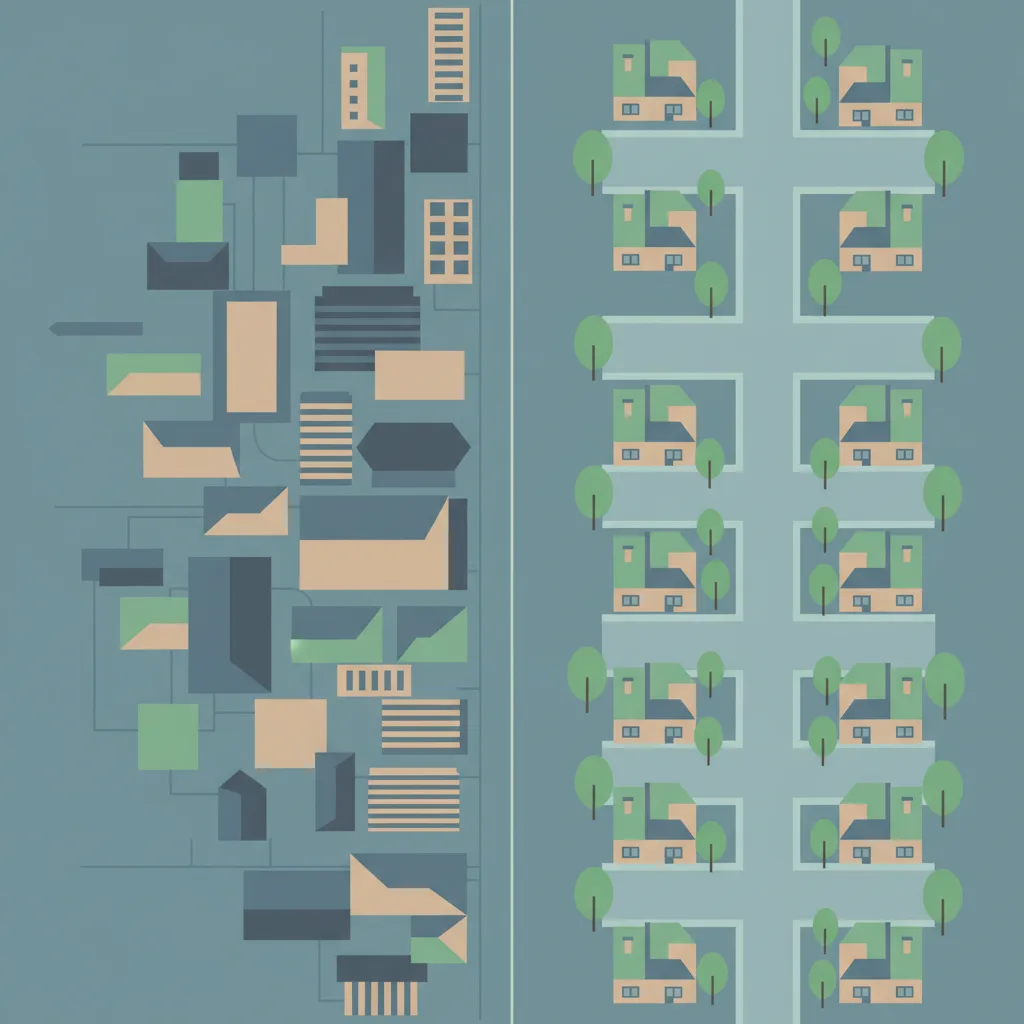
A split scene: city apartment towers on one side and a rice field and village house on the other, in a muted flat illustration style.

Regret d'action

Migrer vers Hanoï, Hô Chi Minh-Ville ou une zone industrielle

64%

64% des migrants vietnamiens ruraux-urbains souhaitent rentrer chez eux

Migrants vietnamiens ruraux-urbains suivis dans un panel longitudinal

panel longitudinal, 2007-2010

Regret d'inaction

Rester dans son village d'origine

30%

~30% des non-migrants ruraux dans les communautés d'envoi de migration regrettent le revenu urbain abandonné

Non-migrants ruraux vietnamiens dans les communautés d'envoi de migration

transversale et panel, 2022

% regrettent ce choix

action dominates — L'action domine — la plupart regrettent d'avoir agi.

Décisions associées

Décisions sémantiquement similaires — même terrain, compromis différents.

lifestyle

Migration économique vs. rester chez soi

% regrettent ce choix

L'action domine

Regret d'action 1.1× plus élevé

lifestyle

S’expatrier

% regrettent ce choix

L'inaction domine

Regret d'inaction 5.7× plus élevé

career

Accepter contrat kafala du Golfe ou rester

% regrettent ce choix

L'action domine

Regret d'action 1.2× plus élevé

lifestyle

Quitter sa ville natale

% regrettent ce choix

L'inaction domine

Regret d'inaction 1.5× plus élevé

lifestyle

Venezuela : partir vs. rester pendant la crise

% regrettent ce choix

L'inaction domine

Regret d'inaction 2.0× plus élevé

lifestyle

Ville vs banlieue

% regrettent ce choix

L'action domine

Regret d'action 1.2× plus élevé

lifestyle

Inde : émigrer à l'étranger vs. rester

% regrettent ce choix

L'inaction domine

Regret d'inaction 1.2× plus élevé

lifestyle

Suivre les parents vs. voie propre

% regrettent ce choix

L'inaction domine

Regret d'inaction 3.2× plus élevé

Among the most thoroughly documented findings in Vietnamese migration research is that the majority of rural-urban migrants retain strong preferences for their home villages even after establishing themselves in cities. A 2017 study by Nguyen, Grote and Sharma, published in the IZA Journal of Development and Migration, analysed the migration behaviour of rural-urban migrants using panel data on 2,200 rural Vietnamese households together with a migrant tracking survey of 299 migrants. Despite documented wage gains from migration, 64 percent of migrants said they wished to return to their home village, while only 16 percent would prefer to stay in the cities — and only 36 percent of the rural households expected their migrant members to return. The return-wish rate is notably higher than in comparable studies from other lower-middle-income Asian countries, suggesting that Vietnamese rural identity and kinship networks create unusually strong pull factors toward the sending community.

The non-migration side carries documented economic costs that generate a distinct form of regret. National Statistics Office of Vietnam data for 2022 show that average monthly income per capita reached about 4.7 million VND, with urban income roughly 1.5 times rural income — a gap that persisted into 2023 (urban ~6.26 million VND vs rural ~4.17 million VND). In migration-sending villages, households with urban migrant workers can be observed consuming at substantially higher rates than non-migrant neighbours, building better housing, and funding children’s education at higher levels. IFAD country data underline the scale of the gap: in rural Vietnam, home to about 70 percent of the population, average income per capita is less than half the urban level and the rural poverty rate is nearly three times the urban rate. The income differential is large enough that relative deprivation among non-migrants in high-migration-rate communities is well-documented in the regional social science literature, even though no Vietnamese survey directly asks stayers whether they regret not migrating — which is why the inaction-side 30% is an income-gap-derived estimate rather than a measured regret rate.

The Gilovich action-dominance pattern in this entry should be interpreted with care. The high return-wish figure (64%) is consistent with Gilovich’s finding that action regrets intensify over time rather than fade, but it may also partly reflect rational life-cycle planning: many Vietnamese migrants describe their urban sojourn as a temporary earnings phase rather than a permanent relocation, and expressing a wish to return home eventually does not necessarily imply that the decision to migrate was a mistake. The inaction-side 30% proxy is constructed from relative-income and relative-deprivation data rather than a direct regret survey, which introduces measurement imprecision. The regret delta of 0.34 should be treated as a directional estimate. The decision to migrate is also not fully voluntary in many cases: debt obligations, landlessness, and family pressure in sending communities constrain the choice to stay, which means that some of the workers who report wanting to return are workers who would describe their departure as economic necessity rather than free preference.

Sources : action

Registre des sources

Chaque chiffre ci-dessous correspond à ce que la source a rapporté, avec la citation textuelle sur laquelle nous nous sommes appuyés et la méthode de calcul. Cliquez sur un lien pour vérifier directement.

1/1 sources vérifiées de manière indépendante, mot pour mot, par rapport à la source citée

  1. [1] IZA Journal of Development and Migration (SpringerOpen) — Staying in the cities or returning home? An analysis of the rural-urban migration behavior in Vietnam Vérifié
    Staying in the cities or returning home? An analysis of the rural-urban migration behavior in Vietnam
    Statistique
    64% of Vietnamese rural-urban migrants wish to return to their home village; only 16% would prefer to stay in the cities; the analysis uses panel data of 2,200 rural households and a migrant tracking survey of 299 migrants.
    Extrait
    “"While 64% of the migrants wish to return to their home village, only 16% would prefer to stay back in the cities. However, only 36% of the rural households expect that their migrant member(s) will return back in the future. ... This paper investigates the migration behavior of rural-urban migrants within Vietnam, focusing on the length and intensity of migration and its respective determinants, using panel data of 2200 rural households and data from a migrant tracking survey of 299 migrants from Vietnam." ”
    Données source de
    2017-01-01
    Consulté le
    2026-06-30
    Vérification
    Extrait récupéré et confirmé de manière indépendante, mot pour mot, par rapport à la source citée lors de notre audit de vérification.
    Calcul
    Nguyen, Grote & Sharma (2017), "Staying in the cities or returning home?", IZA Journal of Development and Migration, SpringerOpen (DOI 10.1186/s40176-017-0089-z). The analysis uses panel data of 2,200 rural households plus a migrant tracking survey of N = 299 migrants. The 64% return-wish figure is the direct reported preference: a majority of migrants stated they wish to return to their home village (16% would prefer to stay in the cities). This measures intent to return rather than a formal retrospective regret rating; the distinction matters because intent to return is influenced by economic constraints (the worker may want to return but cannot yet afford to) as well as genuine regret about the migration decision. Used here as the closest available proxy for action-side regret in this population.

Sources : inaction

Registre des sources

Chaque chiffre ci-dessous correspond à ce que la source a rapporté, avec la citation textuelle sur laquelle nous nous sommes appuyés et la méthode de calcul. Cliquez sur un lien pour vérifier directement.

1/2 sources vérifiées de manière indépendante, mot pour mot, par rapport à la source citée

  1. [1] International Fund for Agricultural Development (IFAD) — IFAD in Viet Nam — country context Vérifié
    IFAD in Viet Nam — country context
    Statistique
    In rural Vietnam, home to about 70% of the population, average income per capita is less than 50% of the urban level and the rural poverty rate is nearly three times the urban rate.
    Extrait
    “"Yet in rural areas, home to 70 per cent of the population, poverty remains a severe and chronic problem. The average income per capita there is less than 50 per cent of that in urban areas, and the rural poverty rate is nearly three times the urban rate." ”
    Données source de
    2025-04-28
    Consulté le
    2026-07-01 · copie archivée
    Vérification
    Extrait récupéré et confirmé de manière indépendante, mot pour mot, par rapport à la source citée lors de notre audit de vérification.
    Calcul
    IFAD (International Fund for Agricultural Development) Viet Nam country context page. Establishes the macro income context: rural average income per capita is less than half the urban level and the rural poverty rate is nearly three times the urban rate — the economic basis for inaction-side regret. (The live ifad.org URL sits behind a Cloudflare challenge; the verbatim excerpt above is confirmed from the 2025-04-28 Wayback snapshot cited in archive_url.) The 30% inaction regret rate is a proxy constructed from this income-gap and poverty-gap data plus the relative-deprivation literature. No single survey directly asks rural non-migrants "do you regret not migrating"; the 30% is an estimate from the income-gap and relative-deprivation literature rather than a direct regret measure.
  2. [2] National Statistics Office of Vietnam (GSO) — Results of the Viet Nam Household Living Standards Survey 2022
    Results of the Viet Nam Household Living Standards Survey 2022
    Statistique
    In 2022 the national average monthly income per capita was about 4.7 million VND; urban average income was roughly 1.5 times rural income (in 2023 urban ~6.26M vs rural ~4.17M VND/month). The persistent urban-rural gap creates relative deprivation among rural non-migrants in migration-sending communities.
    Extrait
    “"[Paraphrase from statistical release — National Statistics Office of Vietnam, VHLSS 2022.] In 2022 the average monthly income per capita reached about 4.7 million Vietnamese dong, and the monthly average income in urban areas was about 1.5 times higher than that in rural areas. The gap persisted into 2023, when urban income per capita was roughly 6.26 million dong against about 4.17 million dong in rural areas, driven by wage growth in manufacturing, services, and export-processing zones concentrated in urban and peri-urban regions." ”
    Données source de
    2022-12-01
    Consulté le
    2026-06-30
    Calcul
    National Statistics Office of Vietnam (GSO), Household Living Standards Survey 2022. The roughly 1.5x urban income premium is the structural economic incentive for migration. In migration-sending villages, the visible income difference between households with migrant workers and those without creates relative deprivation among stayers. The 30% inaction regret rate is NOT a measured figure: it is an author estimate constructed from this income-gap data and the relative-deprivation literature, since direct survey data on non-migrant regret in Vietnam are not available.

Réserves

Le chiffre de souhait de retour de 64% mesure la préférence déclarée ou l'intention de retourner plutôt qu'une mesure de regret rétrospectif formelle ; la distinction compte parce que l'intention de retourner est influencée par les contraintes économiques (le travailleur peut vouloir retourner mais ne peut pas encore se le permettre) ainsi que le regret véritable sur la décision de migrer. L'étude IZA a suivi 299 migrants d'un panel rural spécifique au Vietnam entre 2007 et 2010 ; l'échantillon est représentatif des provinces d'étude mais a été mené pendant une période de croissance économique rapide et peut ne pas se généraliser aux cohortes de migration plus récentes qui font face à des coûts de logement plus élevés dans les villes. Les 30% côté inaction sont un proxy construit à partir de données d'écart de revenu et de littérature sur la privation relative plutôt qu'une enquête directe des non-migrants exprimant un regret de rester. Le schéma de dominance d'action de Gilovich s'applique avec la mise en garde que la migration n'est pas entièrement volontaire : la pauvreté, la dette et la pression familiale dans les communautés d'envoi contraignent le choix de rester, ce qui signifie que le groupe d'action inclut des travailleurs qui décriraient leur départ comme nécessité plutôt que libre choix. Le taux élevé de souhait de retour (64%) peut également refléter partiellement la planification rationnelle de cycle de vie (travailler dans la ville quand jeune, retourner quand les objectifs de gains sont atteints) plutôt que le regret au sens normatif.

Données brutes : /api/decisions.json

Récemment consultés sur cet appareil