


Lewati ke konten
Likelier

Penyesalan bertindak vs. tidak bertindak

Membeli yang pas sekarang atau membeli lebih besar dari kebutuhan

Jika Anda bertindak

Membeli sesuai kebutuhan saat ini

8,0%

Jika Anda tidak bertindak

Membeli lebih besar dari yang dibutuhkan

5,0%

Persentase orang yang kemudian menyesali setiap pilihan. Diagram batang dan catatan lengkap ditampilkan di bawah.


Keuangan

Terakhir ditinjau 2026-05-04

Kualitas bukti 4.13/5

Skor tinjauan delapan dimensi terhadap rubrik kualitas . Setiap dimensi dinilai 1–5.

D1 Verifikasi sumber
5/5
D2 Otoritas & independensi sumber
4/5
D3 Akurasi tingkat penyesalan
4/5
D4 Keterbandingan sumber
5/5
D5 Pola Gilovich
2/5
D6 Kualitas prosa
5/5
D7 Kelengkapan peringatan
4/5
D8 Kualitas sampel
4/5
Rata-rata 4.13/5
Bukti langsung
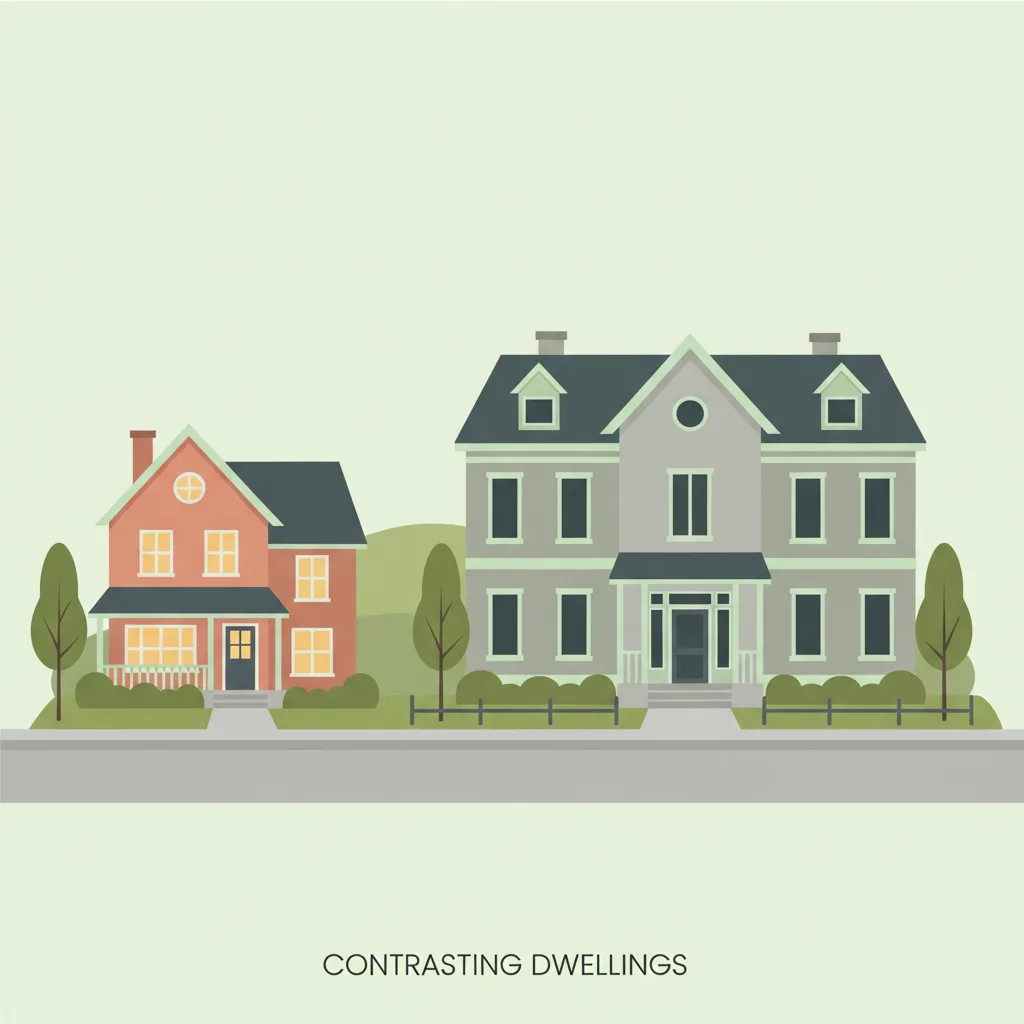
Two houses side by side — one compact and tidy, the other larger with several dark, unused windows.

Penyesalan atas tindakan

Membeli sesuai kebutuhan saat ini

8,0%

~8% pemilik rumah berharap mereka membeli lebih besar

Pemilik rumah AS, representatif nasional

retrospektif, tidak ada kerangka waktu tetap

Penyesalan atas kelambanan

Membeli lebih besar dari yang dibutuhkan

5,0%

~5% pemilik rumah menyesali membeli terlalu banyak ruang

Pemilik rumah AS, representatif nasional

retrospektif, tidak ada kerangka waktu tetap

% menyesal dengan pilihan ini

action dominates — Bertindak mendominasi — sebagian besar menyesali karena bertindak.

Keputusan terkait

Keputusan yang serupa secara semantik — area yang sama, kompromi yang berbeda.

KeuanganLangsung

Beli rumah

% menyesal dengan pilihan ini

Ketidakaktifan mendominasi

Penyesalan tidak bertindak 5.6× lebih tinggi

Keuangan

Renovasi rumah

% menyesal dengan pilihan ini

Tindakan mendominasi

Penyesalan bertindak 2.3× lebih tinggi

Keuangan

KPR tetap vs. ARM

% menyesal dengan pilihan ini

Tindakan mendominasi

Penyesalan bertindak 3.6× lebih tinggi

Keuangan

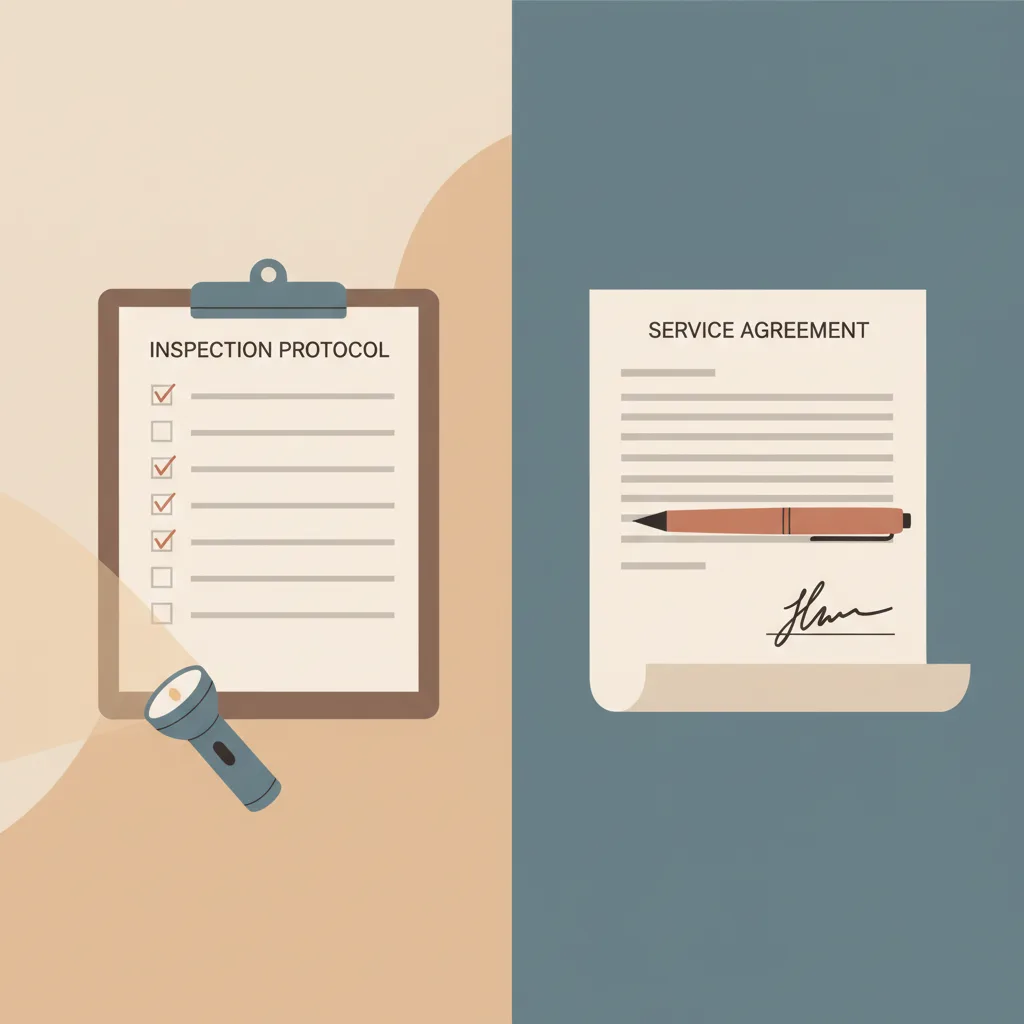
Lepaskan syarat inspeksi properti

% menyesal dengan pilihan ini

Tindakan mendominasi

Penyesalan bertindak 3.1× lebih tinggi

Keuangan

Negosiasi sewa

% menyesal dengan pilihan ini

Ketidakaktifan mendominasi

Penyesalan tidak bertindak 1.9× lebih tinggi

Keuangan

Mobil baru vs bekas

% menyesal dengan pilihan ini

Seimbang

Hampir seimbang

lifestyle

Mobil listrik vs bensin

% menyesal dengan pilihan ini

Tindakan mendominasi

Penyesalan bertindak 2.9× lebih tinggi

lifestyle

Organik vs konvensional

% menyesal dengan pilihan ini

Ketidakaktifan mendominasi

Penyesalan tidak bertindak 3.1× lebih tinggi

About 8% of US homeowners wish they had bought a bigger home, versus roughly 5% who regret buying too much space, according to Bankrate’s 2024 survey of homeowners with purchase regrets. The gap is narrow — 3 percentage points — and the finding cuts against the popular “don’t buy too much house” advice. Among homeowners who have any regret at all (47% of the total), “too small” ranks second at 18%, while “too big” comes in at 10%, behind maintenance costs, location, overpaying, and mortgage rates. The pattern extends beyond housing: vehicle buyers who chose a compact car and later needed a larger one face modest upgrade costs, while those who bought an oversized SUV absorb years of higher fuel, insurance, and depreciation on capacity they never use.

The small gap masks an asymmetry in how the two regrets feel. Right-sizers who outgrow their space experience a concrete, daily friction: the cramped home office, the bedroom that doubled as a nursery. Oversizers, by contrast, often absorb their regret into adjacent financial complaints. Bankrate’s survey found 40% of regretful owners citing maintenance and hidden costs as their top grievance, and 13% citing an unaffordable mortgage — both categories that disproportionately affect those who bought more home than they needed. Genesove and Mayer’s study of Boston condominiums showed that owners anchored to their purchase price set asking prices 25–35% above market when facing a loss, creating a psychological lock-in that makes downsizing from an oversized home especially painful. Hedonic adaptation compounds the problem: the pleasure of extra square footage fades within months, but the mortgage payment never adapts.

Neither side of this decision carries catastrophic regret rates. Both land under 10%, well below the 45% of renters who wish they had bought at all. The honest read is that most homeowners, whether they sized up or sized down, would do the same thing again. For buyers weighing the tradeoff today, the financial math favors right-sizing: transaction costs for a future upgrade ($1,000–$5,000 for a local move) are modest compared to years of carrying costs on unused space. But the data does not support a strong directional claim. Individual variables — market trajectory, family plans, remote-work permanence — swamp the aggregate signal.

Sumber: tindakan

Buku besar klaim

Setiap angka di bawah ini adalah apa yang dilaporkan masing-masing sumber, dengan kutipan kata demi kata yang kami andalkan dan bagaimana kami sampai pada angka kami. Klik tautan mana saja untuk memverifikasi langsung.

  1. [1] Bankrate — Bankrate 2024 Homeowner Regrets Survey
    Bankrate 2024 Homeowner Regrets Survey
    Statistik
    18% of homeowners with regrets say they bought too small a house; 47% of all homeowners have at least one regret
    Kutipan
    “"Nearly half (47 percent) of current U.S. homeowners have a regret about their purchase. Among those with regrets, 18% say they bought too small of a house." ”
    Data sumber dari
    2024-05-01
    Diakses
    2026-04-28
    Perhitungan
    Bankrate's April 2024 nationally representative survey. 47% of homeowners report at least one regret. Of those, 18% cite "too small" as their regret. Population-level rate: 0.47 × 0.18 = 0.085, rounded to 0.08. This represents homeowners who, looking back, wish they had purchased a larger home — not necessarily people who deliberately right-sized, but the closest available proxy.
  2. [2] Clever Real Estate — American Home Buyer Report: 2024 Edition
    American Home Buyer Report: 2024 Edition
    Statistik
    24% of recent homebuyers with regrets say their home doesn't meet all their needs
    Kutipan
    “"82% of recent buyers have at least one regret about their purchase. Among those with regrets, 24% say their home doesn't meet all their needs." ”
    Data sumber dari
    2024-05-13
    Diakses
    2026-04-28
    Perhitungan
    Clever Real Estate survey of 920 Americans who bought in 2023-2024. The 24% "doesn't meet all needs" is broader than pure size regret — it includes layout, features, and location — but corroborates the Bankrate finding that undersizing is a common regret category.

Sumber: tidak bertindak

Buku besar klaim

Setiap angka di bawah ini adalah apa yang dilaporkan masing-masing sumber, dengan kutipan kata demi kata yang kami andalkan dan bagaimana kami sampai pada angka kami. Klik tautan mana saja untuk memverifikasi langsung.

  1. [1] Bankrate — Bankrate 2024 Homeowner Regrets Survey
    Bankrate 2024 Homeowner Regrets Survey
    Statistik
    10% of homeowners with regrets say they bought too big a house; 47% of all homeowners have at least one regret
    Kutipan
    “"Among homeowners with regrets, 10% say their regret is that their home is too big. The most common regret overall is maintenance and hidden costs (40%), followed by buying too small (18%)." ”
    Data sumber dari
    2024-05-01
    Diakses
    2026-04-28
    Perhitungan
    Same Bankrate 2024 survey. 47% have regrets, 10% of those cite "too big." Population-level rate: 0.47 × 0.10 = 0.047, rounded to 0.05. Note that oversizing regret may be underreported because its costs (maintenance, utilities, mortgage strain) are captured by adjacent categories: 40% cite "maintenance/hidden costs" and 13% cite "mortgage too high." Those who bought too big may attribute regret to cost rather than size.
  2. [2] The Quarterly Journal of Economics — Loss Aversion and Seller Behavior: Evidence from the Housing Market
    Loss Aversion and Seller Behavior: Evidence from the Housing Market
    Statistik
    Owners facing nominal losses set asking prices 25-35% above expected sale price and exhibit much lower sale hazard
    Kutipan
    “"Condominium owners subject to nominal losses set higher asking prices of 25-35 percent of the difference between the property's expected selling price and their original purchase price, attain higher selling prices of 3-18 percent of that difference, and exhibit a much lower sale hazard than other sellers." ”
    Data sumber dari
    2001-11-01
    Diakses
    2026-04-28
    Perhitungan
    Genesove and Mayer (2001), data from downtown Boston condos in the 1990s. This study doesn't directly measure oversizing regret but documents the mechanism that traps oversizers: loss aversion anchors owners to their purchase price, making them reluctant to sell even when the home no longer fits. Owner-occupants show effects twice as large as investors. Cited as evidence that overprovisioning creates psychological lock-in beyond the financial cost.

Catatan

Tidak ada survei yang menanyakan pertanyaan tepat yang diajukan di sini — "apakah Anda sengaja menyesuaikan ukuran dan menyesalinya, atau sengaja menyediakan terlalu banyak dan menyesalinya?" Tingkat Bankrate berasal dari pemilik rumah yang secara retrospektif menilai apakah rumah mereka terlalu kecil atau terlalu besar, yang menggabungkan strategi yang disengaja dengan kendala anggaran dan perubahan hidup. Kesenjangan 3 poin persentase cukup kecil sehingga keadaan individu mendominasi sinyal agregat. Data perumahan terkuat; bukti kendaraan dan pembelian umum bersifat directional tetapi lebih tipis. Di pasar yang cepat menghargai, oversizers sebagian diselamatkan oleh pertumbuhan ekuitas; di pasar datar atau menurun, denda biaya kaki persegi tambahan diperkuat. 40% yang mengutip biaya pemeliharaan mungkin mencakup banyak oversizers.

Data mentah: /api/decisions.json

Baru-baru ini dilihat di perangkat ini