Prendere un prestito a breve termine vs. rinunciare ai soldi
Se agisci
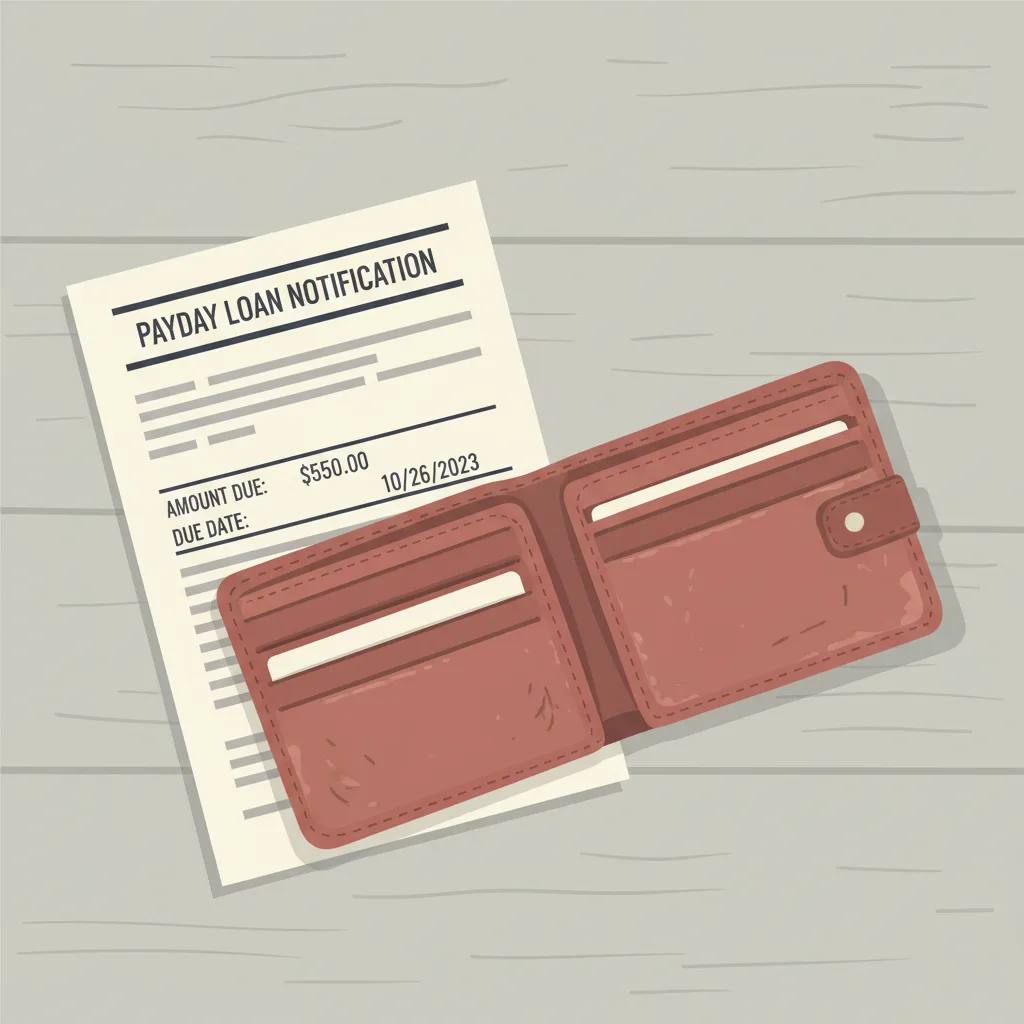
Accendere il prestito-anticipo (payday loan)
37%
Se non agisci
Rinunciare al prestito
81%
Percentuale di chi poi rimpiange ciascuna scelta. Le barre e il registro completo dei dati compaiono sotto.
Finanza
Ultima revisione 2026-05-14
Qualità delle prove 4.75/5
Punteggio di revisione su otto dimensioni rispetto alla
griglia di qualità
. Ogni dimensione valutata da 1 a 5.
D1 Verifica delle fonti
5/5
D2 Autorità e indipendenza delle fonti
5/5
D3 Precisione del tasso di rimpianto
4/5
D4 Comparabilità delle fonti
4/5
D5 Schema di Gilovich
5/5
D6 Qualità della prosa
5/5
D7 Completezza degli avvertimenti
5/5
D8 Qualità del campione
5/5
Media4.75/5
Dati proxy — non esiste alcun sondaggio diretto sul rimpianto per questa decisione. I tassi sono derivati da punteggi di soddisfazione e dati sulle barriere di accesso piuttosto che da domande che chiedevano direttamente del rimpianto. Vedi avvertenze di seguito.
Rimpianto per azione
Accendere il prestito-anticipo (payday loan)
37%
Il 37% dei mutuatari payday dice di essersi trovato in una situazione finanziaria così difficile da accettare un prestito payday a qualsiasi condizione offerta
Mutuatari di prestiti payday statunitensi, indagine rappresentativa a livello nazionale
retrospettivo, valutato durante il prestito attivo
Rimpianto per inazione
Rinunciare al prestito
81%
L'81% dei mutuatari payday di punti fisici dice che ridurrebbe spese come cibo e vestiti se i prestiti payday non fossero disponibili
Mutuatari payday di punti fisici statunitensi che riferiscono come se la caverebbero se il prestito non fosse disponibile (indagine rappresentativa a livello nazionale)
retrospettivo, alternativa ipotetica al prestito
% rimpiange questa scelta
Accendere il prestito-anticipo (payday loan)Rinunciare al prestito
37%81%
inaction dominates — L'inazione domina — la maggior parte si pente di non aver agito.
Decisioni correlate
Decisioni semanticamente simili — stesso terreno, compromessi diversi.
Investire i risparmi in criptovaluteRestare sugli asset tradizionali
46%16%
L'azione prevale
Rimpianto per l'azione 2.9× maggiore
A Pew Charitable Trusts survey of more than 33,000 US adults found that 37% of payday loan borrowers say they were in such a difficult financial situation that they would take a loan on any terms offered — desperation, not free choice, drives a large share of the borrowing. Pew separately found that a majority of borrowers say the loans take advantage of them. The same research documented why the harm runs deep: the average borrower spends five months repaying what is marketed as a two-week product, paying $520 in fees to repeatedly service a $375 principal. That fee-to-principal ratio of 139% explains the harm — the product routinely transforms a short-term cash shortfall into a multi-month debt spiral before the borrower can exit.
Independent analysis by the Consumer Financial Protection Bureau, drawing on 12 million storefront payday loans, found that four out of five loans are rolled over or renewed within two weeks. Only 15% of borrowers repay without re-borrowing within 14 days; over 60% of all loans go to borrowers in sequences of seven or more consecutive loans. The gap between the marketed product (a short-term bridge) and the actual product (a recurring fee mechanism) is the structural reason harm rates are as high as they are.
The inaction side carries real costs. Pew asked borrowers what they would do if payday loans were unavailable: 81% said they would cut back on expenses such as food and clothing, and majorities said they would delay paying some bills, borrow from family or friends, or sell possessions. In other words, the underlying cash shortfall does not disappear when the loan is off the table — it gets shifted onto other necessities and bills. That is the hardship going without imposes. But it is the same shortfall that borrowers who take the loan also carry: Pew separately reports that a majority of borrowers say the loans take advantage of them. Going without the money produces hardship for a large share of people in that position, yet without adding the fee-driven debt spiral that the loan brings. The two figures shown here are proxies drawn from different survey questions — the 37% is Pew’s desperation measure (would borrow on any terms), the 81% is Pew’s coping measure (would cut back on necessities without the loan) — so the raw gap between them is not a clean regret comparison. The signal that survives is severity: CFPB’s rollover data show the harm from taking the loan, when it lands, is deep and prolonged, whereas going without shifts the same shortfall onto other bills without the debt trap.
Fonti: azione
Registro delle fonti
Ogni numero qui sotto è ciò che ciascuna fonte ha riportato, con la citazione testuale su cui ci siamo basati e come siamo arrivati alla nostra cifra. Clicca su qualsiasi link per verificare direttamente.
1/2 fonti verificate in modo indipendente e alla lettera rispetto alla fonte citata
[1]Pew Charitable Trusts — Payday Lending in America: How Borrowers Choose and Repay Payday Loans (Overview)
Studio primario
37% of borrowers say they have been in such a difficult financial situation that they would take a payday loan on any terms offered; a majority of borrowers say payday loans take advantage of them
Estratto
“"Desperation also influences the choice of 37 percent of borrowers who say they have been in such a difficult financial situation that they would take a payday loan on any terms offered." ... "A majority of borrowers say payday loans take advantage of them, and a majority also say they provide relief."
”
Dati originali da
2013-02-20
Consultato
2026-06-30
Calcolo
Pew Charitable Trusts "Payday Lending in America" series, drawn from the same nationally representative survey of 33,576 US adults. The 37% figure is Pew's exact, directly reported measure of borrowers who say they were so financially desperate they would accept a payday loan on any terms — a desperation/harm-sentiment construct, NOT a self-report that the loan "made their finances worse" (no such Pew statistic exists). It is used as the action-side rate to label the share of borrowers who took the loan out of acute desperation rather than genuine choice; Pew separately finds a majority say the loans take advantage of them. This is a relabeled sentiment proxy, not a direct regret survey.
[2]Consumer Financial Protection Bureau — CFPB Finds Four Out of Five Payday Loans Are Rolled Over or Renewed
Verificato
Rapporto governativo
80% of payday loans are rolled over or renewed within 14 days; over 60% of loans go to borrowers in sequences of 7 or more loans; only 15% of borrowers repay without re-borrowing
Estratto
“"Four out of five payday loans are rolled over or renewed within two weeks. Over 60 percent of loans are made to borrowers in the course of loan sequences lasting seven or more loans. Only 15 percent of borrowers repay all of their payday debts when due without re-borrowing within 14 days."
”
Dati originali da
2014-03-25
Consultato
2026-05-14
Verifica
Estratto recuperato in modo indipendente e confermato parola per parola rispetto alla fonte citata durante il nostro audit di attendibilità.
Calcolo
CFPB analysis of 12 million storefront payday loans over a 12-month period, published March 2014. The 80% rollover rate and the finding that only 15% of borrowers escape without re-borrowing corroborate the action-side harm framing: the debt-trap structure makes the loan more harmful and prolonged than most borrowers anticipate at origination, consistent with Pew's finding that desperation, not free choice, drives a large share of borrowing. These figures are from the CFPB press release, which cites the full study: https://files.consumerfinance.gov/f/201403_cfpb_report_payday-lending.pdf
Fonti: inazione
Registro delle fonti
Ogni numero qui sotto è ciò che ciascuna fonte ha riportato, con la citazione testuale su cui ci siamo basati e come siamo arrivati alla nostra cifra. Clicca su qualsiasi link per verificare direttamente.
[1]Pew Charitable Trusts — Payday Lending in America: Who Borrows, Where They Borrow, and Why
Studio primario
If payday loans were unavailable, 81% of borrowers say they would cut back on expenses such as food and clothing, and majorities say they would delay paying some bills — the shortfall the loan was meant to cover is not resolved but shifted
Estratto
“"If faced with a cash shortfall and payday loans were unavailable, 81 percent of borrowers say they would cut back on expenses. Many also would delay paying some bills, rely on friends and family, or sell personal possessions." ... "Eighty-one percent of those who have used a storefront payday loan would cut back on expenses such as food and clothing. Majorities also would delay paying bills, borrow from family or friends, or sell or pawn possessions."
”
Dati originali da
2012-07-19
Consultato
2026-05-14
Calcolo
The 0.81 inaction-side rate is Pew's exact, directly reported figure: 81% of those who have used a storefront payday loan say they would cut back on expenses such as food and clothing if payday loans were unavailable. It is used here as a hardship proxy for the inaction side — the share who, without the loan, absorb the cash shortfall by cutting back on necessities (and, for majorities, delaying bills, borrowing from family or friends, or selling possessions). This is a coping-response proxy, NOT a direct regret survey of people who went without a payday loan (no such survey exists); "would cut back on food and clothing" is disclosed as a hardship-sentiment stretch rather than a self-reported regret measure. The number itself is taken verbatim from Pew's stated 81%; it is not adjusted or derived downward, because no source states any intermediate value and inventing one would be ungrounded.
Avvertenze
Il tasso del 37% del lato azione è la misura esatta di Pew dei mutuatari che dicono di essersi trovati in una situazione finanziaria così difficile da accettare un prestito payday a qualsiasi condizione offerta — un costrutto di disperazione/percezione di danno, NON un'autodichiarazione che il prestito «ha peggiorato le loro finanze» (non esiste tale statistica di Pew). Proviene dall'indagine rappresentativa a livello nazionale di 33.576 adulti statunitensi della serie «Payday Lending in America»; Pew riferisce separatamente che una maggioranza di mutuatari dice che i prestiti approfittano di loro. Il tasso dell'81% del lato inazione è la cifra esatta e direttamente riportata di Pew: l'81% dei mutuatari payday di punti fisici ridurrebbe spese come cibo e vestiti se i prestiti payday non fossero disponibili — usata qui come proxy di difficoltà per il lato del rinunciare, non un'indagine diretta sul rimpianto delle persone che hanno rifiutato i prestiti payday (nessuna tale indagine è stata trovata). Poiché i due proxy si basano su domande diverse (disperazione nel prendere in prestito a qualsiasi condizione vs. ridurre le spese per le necessità se il prestito viene meno), il divario tra loro (delta = -0,44) è un confronto indicativo tra proxy, non un delta di rimpianto preciso: indica direzionalmente che rinunciare è la via più costosa — l'81% che riduce le spese per le necessità è un segnale di difficoltà più ampio della misura più ristretta del 37% di disperazione nel prendere in prestito — ma l'entità non è una differenza calibrata. Il segnale più affidabile è la gravità, non il tasso: sul lato azione, l'analisi CFPB di 12 milioni di prestiti ha trovato che oltre l'80% si rinnova entro 14 giorni e solo il 15% dei mutuatari fugge senza ri-prestare — indicando che il danno quando si verifica è profondo e prolungato. Rinunciare al prestito sposta la difficoltà su altre bollette e necessità ma evita la spirale del debito alimentata dalle commissioni. I dati Pew 2012 precedono la regola di prestito payday del Consumer Financial Protection Bureau del 2017 (successivamente ridimensionata nel 2020), il che significa che le dinamiche strutturali delle tariffe possono differire dai prodotti attuali. Le popolazioni di confronto attraverso i due lati non sono identiche — i dati lato azione coprono mutuatari confermati mentre i dati lato inazione sono inferiti dalle alternative ipotetiche degli stessi mutuatari — introducendo una limitazione di abbinamento.