




本文へスキップ
Likelier

行動 vs. 不行動の後悔

所有する物件を賃貸に出すか、売却してそのお金を投資するか

行動した場合

売却して投資する

25%

行動しなかった場合

保有して賃貸に出す

40%

それぞれの選択を後で後悔した人の割合。バーと完全な記録は下に表示されます。


金融

最終確認 2026-07-09

証拠の質 4.13/5

8次元のレビュー評価。基準は 品質ルーブリック 。各次元は1〜5で評価。

D1 出典の検証
4/5
D2 出典の権威性と独立性
4/5
D3 後悔率の正確性
3/5
D4 出典の比較可能性
4/5
D5 ギロヴィッチ・パターン
4/5
D6 文章の質
5/5
D7 注意事項の完全性
4/5
D8 サンプルの質
5/5
平均 4.13/5
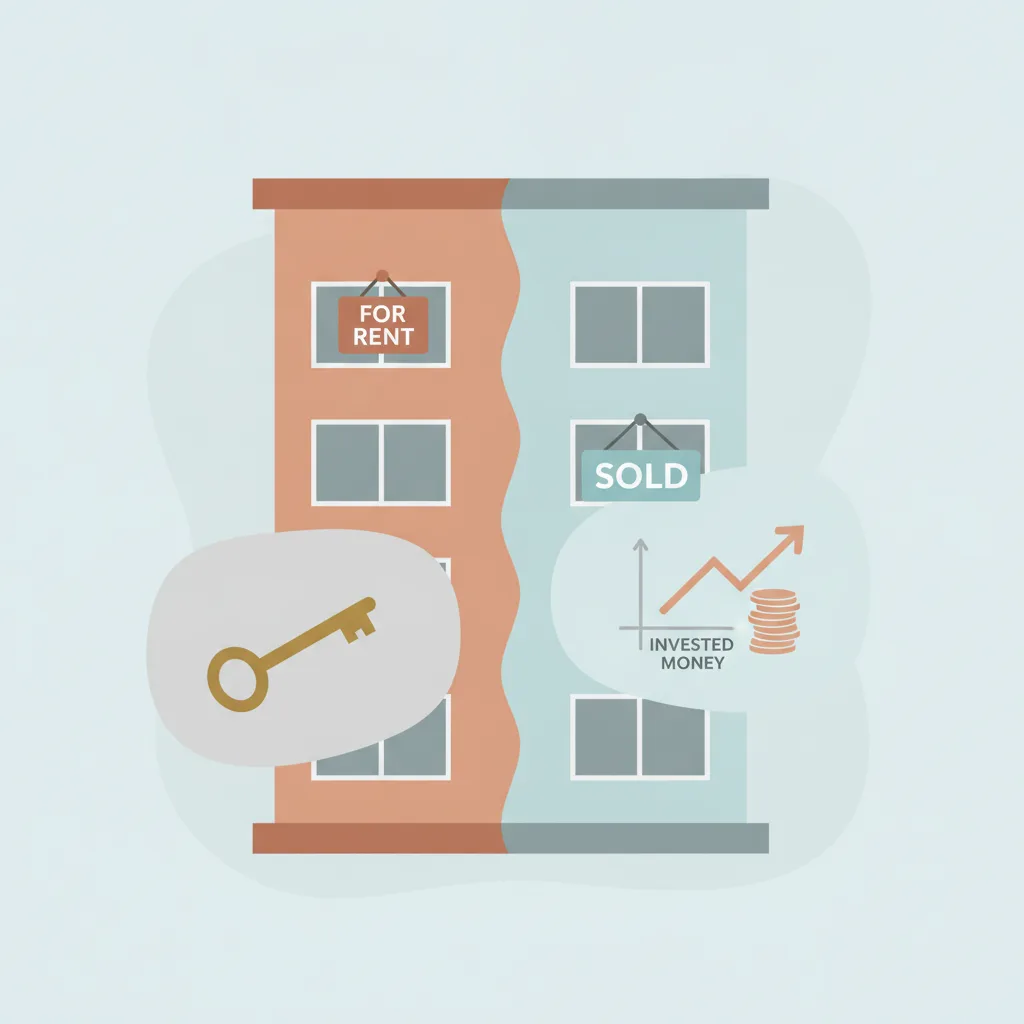
A single flat with a for-rent sign on one side and a sold sign with a rising chart on the other, muted tones.
代替データ — この決断に関する直接的な後悔調査は存在しません。比率は後悔を直接尋ねる質問ではなく、満足度スコアとアクセス障壁のデータから導出されています。以下の注意事項を参照してください。

行動への後悔

売却して投資する

25%

売却者の25%が売ったことを後悔している——手放した家を懐かしんでいる

2021〜2022年に家を売った米国の成人(Clever Real Estate 2022年調査)

回顧的、売却後およそ1〜2年以内

不作為への後悔

保有して賃貸に出す

40%

賃貸物件の所有者の40%が、そもそも始めなければよかったと思っている

米国の住宅用不動産投資家/家主(Clever Real Estate 2024年調査)

回顧的、現在の所有者

この選択を後悔した割合

inaction dominates — 不作為が優勢 — 多くは行動しなかったことを後悔しています。

関連する決断

意味的に類似する決断 — 同じ領域、異なるトレードオフ。

金融直接

住宅購入

この選択を後悔した割合

不作為が優勢

不作為の後悔が5.6倍高い

金融

家賃交渉

この選択を後悔した割合

不作為が優勢

不作為の後悔が1.9倍高い

金融

自宅リフォーム

この選択を後悔した割合

行動が優勢

行動の後悔が2.3倍高い

金融

頭金の贈り物 vs. 老後の蓄えを守る

この選択を後悔した割合

不作為が優勢

不作為の後悔が2.3倍高い

金融

投資

この選択を後悔した割合

不作為が優勢

不作為の後悔が3.2倍高い

金融直接

適正サイズ vs. 大きめ

この選択を後悔した割合

行動が優勢

行動の後悔が1.6倍高い

金融

固定金利 vs. 変動金利ローン

この選択を後悔した割合

行動が優勢

行動の後悔が3.6倍高い

金融

早期投資

この選択を後悔した割合

不作為が優勢

不作為の後悔が3.2倍高い

No survey pits “rent it out” directly against “sell it and invest the money,” so this pairs the two closest measured regrets. About 40% of residential rental owners wish they’d never started investing in real estate (Clever Real Estate’s 2024 survey of 764 investors), against about 25% of recent sellers who regret selling because they miss the home they gave up (Clever’s 2022 survey of 1,000 sellers). On those proxies, keeping-and-renting is the more-regretted path — the opposite of the intuition that selling is the move you might kick yourself for later.

The reason keep-and-rent regret runs high is that landlording is not the passive income it is sold as. In the same 2024 survey, 56% of owners had already had to evict a tenant, 61% were still chasing missed rent every month, and 87% reported some regret about their investment decisions. The NBER study of landlords’ own lease ledgers puts a price on the hassle: filing a single eviction costs the equivalent of two to three months’ rent, and nonpayment is common enough that many landlords tolerate months of it before acting. Against that, the seller’s regret is quieter and more emotional — missing a home — rather than a recurring operational drain.

Read the gap cautiously. This is a proxy pairing, flagged as such: the two numbers come from different people surveyed in different years, the seller figure includes forced moves that mix circumstance with choice, and the investor sample leans toward heavily-invested owners who may regret more than a one-flat landlord would. It also says nothing about the money — whether renting out or selling-and-investing wins financially depends on rental yield, local price growth, and what the sale proceeds earn elsewhere, none of which a regret rate measures. The Gilovich pattern (holding-and-managing regret accumulates while the sold home fades into a wistful memory) fits the direction here, but the evidence is indicative, not a head-to-head test.

出典: 行動

根拠台帳

以下の各数値は各出典が報告した内容であり、引用した原文の抜粋と算出方法を記載しています。リンクをクリックして直接確認できます。

  1. [1] Clever Real Estate — American Home Seller Report: 2022 Edition
    American Home Seller Report: 2022 Edition
    統計値
    One-fourth of home sellers (25%) regretted selling because they miss their old home
    抜粋
    “"One-fourth of respondents (25%) regretted selling because they miss their old home" — from a survey of 1,000 people who sold a home in 2021 or 2022 (fielded Sept. 29 – Oct. 2, 2022). ”
    出典データ
    2022-10-12
    アクセス日
    2026-07-09
    計算過程
    Used as a proxy for regret about the decision to sell itself. The 25% "miss their old home" figure is the cleanest available decision-construct regret for sellers — distinct from the much larger "process" regret numbers (priced too low, sold too fast, commission too high) that other seller surveys report, which measure regret about how the sale went, not regret about having sold. Because it is a proxy (not a head-to-head "sell vs rent-out" survey), this entry is flagged proxy_only.

出典: 不作為

根拠台帳

以下の各数値は各出典が報告した内容であり、引用した原文の抜粋と算出方法を記載しています。リンクをクリックして直接確認できます。

  1. [1] Clever Real Estate — Residential Real Estate Investing in 2024: More Rent Money, More Rental Problems
    Residential Real Estate Investing in 2024: More Rent Money, More Rental Problems

    See all 2 Likelier entries citing this source →

    統計値
    40% of residential real estate investors wish they'd never started investing in real estate; 87% have regrets about their investment decisions; 56% have had to evict a tenant
    抜粋
    “"40% say they wish they'd never started investing in real estate [...] 87% [...] have regrets about their investment decisions [...] More than half of respondents (56%) have had to evict a tenant at some point." — survey of 764 US residential real estate investors, fielded May 18–June 9, 2024. ”
    出典データ
    2024-07-01
    アクセス日
    2026-07-09
    計算過程
    The 40% "wish they'd never started" figure is used as the regret proxy for the keep-and-rent side. The broader 87% "have regrets" figure is not used as the headline because it spans market and financial regrets, not the decision to become a landlord specifically. Sample skews toward active, heavily-invested owners (90% had lost money on an investment).
  2. [2] National Bureau of Economic Research (NBER Working Paper 33155) — Nonpayment and Eviction in the Rental Housing Market
    Nonpayment and Eviction in the Rental Housing Market

    See all 2 Likelier entries citing this source →

    統計値
    Filing an eviction costs landlords the equivalent of 2–3 months of rent; nonpayment is common and frequently tolerated before eviction
    抜粋
    “"Filing an eviction costs landlords the equivalent of 2-3 months of rent [...] Nonpayment is common, is frequently tolerated by landlords, and is often followed by recovery." ”
    出典データ
    2024-11-01
    アクセス日
    2026-07-09
    計算過程
    Cited to explain why keep-and-rent regret runs high: landlording carries real, recurring costs (an eviction alone runs 2–3 months' rent), which the "passive income" framing understates. Corroboration for the regret driver, not a regret rate itself.

注意事項

これは代理指標のみに基づく組み合わせである。同じ人々に、物件を売却してそのお金を投資する代わりに賃貸に出すという選択を後悔しているかを尋ねた調査は存在しないため、各側は入手可能な最も近い構成概念を用いている。売却の側は「以前の家を懐かしむ」最近の売却者の25%で代理されている(Clever 2022)。保有して賃貸に出す側は「そもそも不動産投資を始めなければよかった」と考える所有者の40%で代理されている(Clever 2024)。この2つの数字は異なるサンプル(売却者と投資家)から、異なる年(2022年と2024年)に得られており、この比較は目安であって統制された対照ではない。売却者の「家が恋しい」という割合には、転職や家計の事情でやむを得ず引っ越した人が含まれ、状況と選択が混ざっている。投資家のサンプルは活発で深く投資している所有者に偏っており(90%が何らかの投資で損をした経験がある)、相続または空いた1つの部屋を貸し出す人の後悔を過大に見せている可能性が高い。決定的に重要なのは、後悔率はお金について何も語らないという点である。賃貸に出すのと売却して投資するのとで、どちらがより良い財務的結果をもたらすかは、賃貸利回り、地域の価格上昇、そして売却代金が他所で得る市場リターンに左右される——いずれも経路と時機に依存し、ここでは捉えられていない。前提は米国に基づく。入居者を保護する法律や取引費用は国によって大きく異なる。

生データ: /api/decisions.json

このデバイスで最近見た項目