





Ga naar inhoud
Likelier

Spijt van handelen vs. niets doen

Arbeidsongeschiktheidsverzekering afsluiten vs. zonder verzekering gaan

Als je handelt

Een arbeidsongeschiktheidsverzekering afsluiten

30%

Als je niets doet

Zonder arbeidsongeschiktheidsverzekering blijven

80%

Percentage dat later spijt heeft van elke keuze. De balken en het volledige overzicht staan hieronder.


Financieel

Laatst beoordeeld 2026-05-13

Kwaliteit van bewijs 4.38/5

Beoordelingsscore op acht dimensies volgens de kwaliteitsrubriek . Elke dimensie krijgt een score van 1 tot 5.

D1 Bronverificatie
5/5
D2 Autoriteit en onafhankelijkheid van bronnen
5/5
D3 Nauwkeurigheid van spijtcijfer
3/5
D4 Vergelijkbaarheid van bronnen
2/5
D5 Gilovich-patroon
5/5
D6 Prozakwaliteit
5/5
D7 Volledigheid van voorbehouden
5/5
D8 Steekproefkwaliteit
5/5
Gemiddelde 4.38/5
A pay stub and an empty wallet side by side on a plain surface.

Spijt van handelen

Een arbeidsongeschiktheidsverzekering afsluiten

30%

~30% van de werknemers die hun arbeidsongeschiktheidsverzekering opzegden, zegt dat ze de dekking 'niet genoeg gebruikten om het waard te zijn'

Amerikaanse volwassenen met gezondheids- of inkomensbeschermingsverzekering, nationaal representatieve enquête

retrospectief, dwarsdoorsnede

Spijt van nalaten

Zonder arbeidsongeschiktheidsverzekering blijven

80%

~80% van de onverzekerde werknemers die arbeidsongeschiktheidsverlof meemaakten, meldt dat ze financieel niet volledig hersteld zijn

Amerikaanse voltijdse werknemers die arbeidsongeschiktheidsverlof ervaarden en geen arbeidsongeschiktheidsverzekering hadden

retrospectief; ondervraagd binnen 10 jaar van arbeidsongeschiktheidsverlof

% betreurt deze keuze

inaction dominates — Niets doen domineert — de meesten hebben spijt dat ze niet handelden.

Gerelateerde keuzes

Semantisch vergelijkbare keuzes — zelfde terrein, andere afwegingen.

Financieel

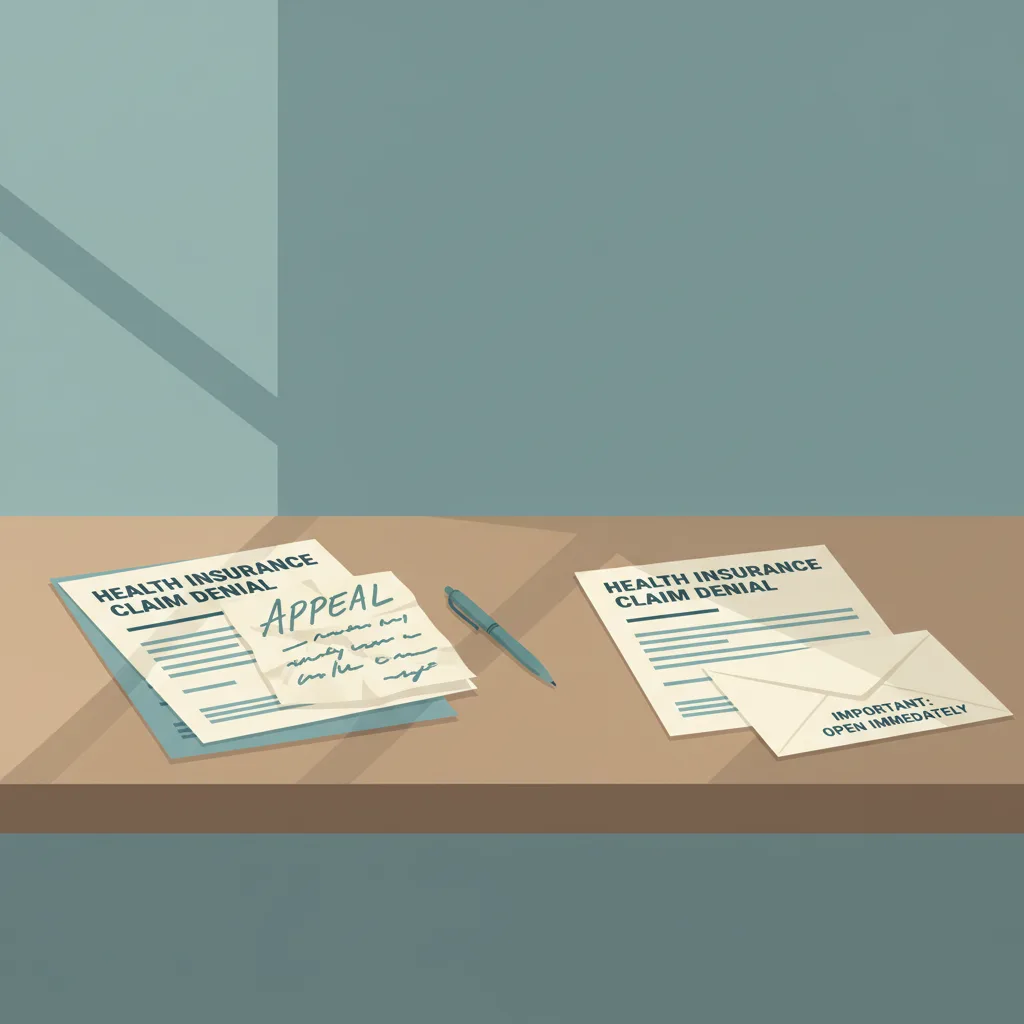
Bezwaar tegen afwijzing zorgverzekering

% betreurt deze keuze

Niet-handelen overheerst

Spijt over niet-handelen 3.1× hoger

Financieel

Tijdelijke vs. levenslange levensverzekering

% betreurt deze keuze

Niet-handelen overheerst

Spijt over niet-handelen 6.4× hoger

Financieel

Langdurige zorgverzekering vs. zelfverzekering

% betreurt deze keuze

Niet-handelen overheerst

Spijt over niet-handelen 2.5× hoger

Financieel

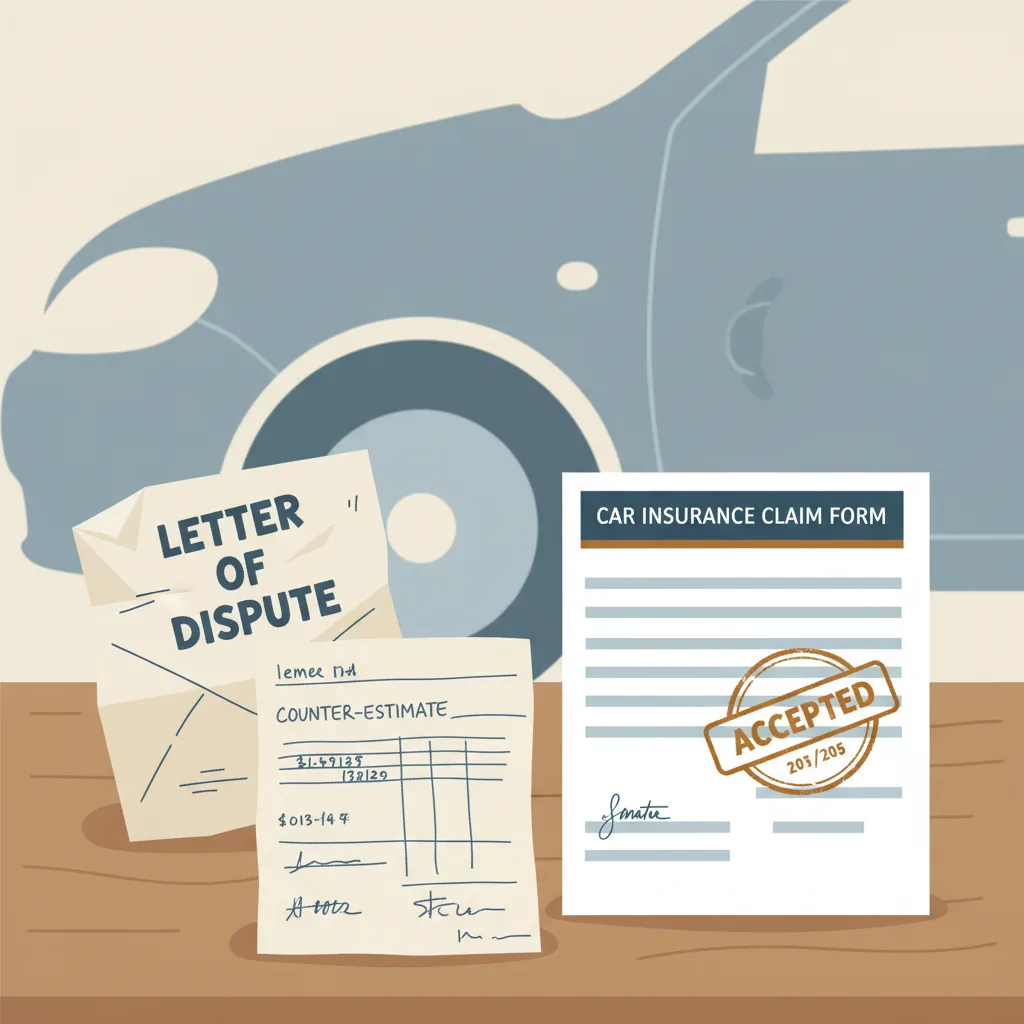
Een advocaat inhuren voor een auto-letselclaim

% betreurt deze keuze

Handelen overheerst

Spijt over handelen 2.2× hoger

Financieel

Huuronderhandeling

% betreurt deze keuze

Niet-handelen overheerst

Spijt over niet-handelen 1.9× hoger

FinancieelDirect

Huis kopen

% betreurt deze keuze

Niet-handelen overheerst

Spijt over niet-handelen 5.6× hoger

Financieel

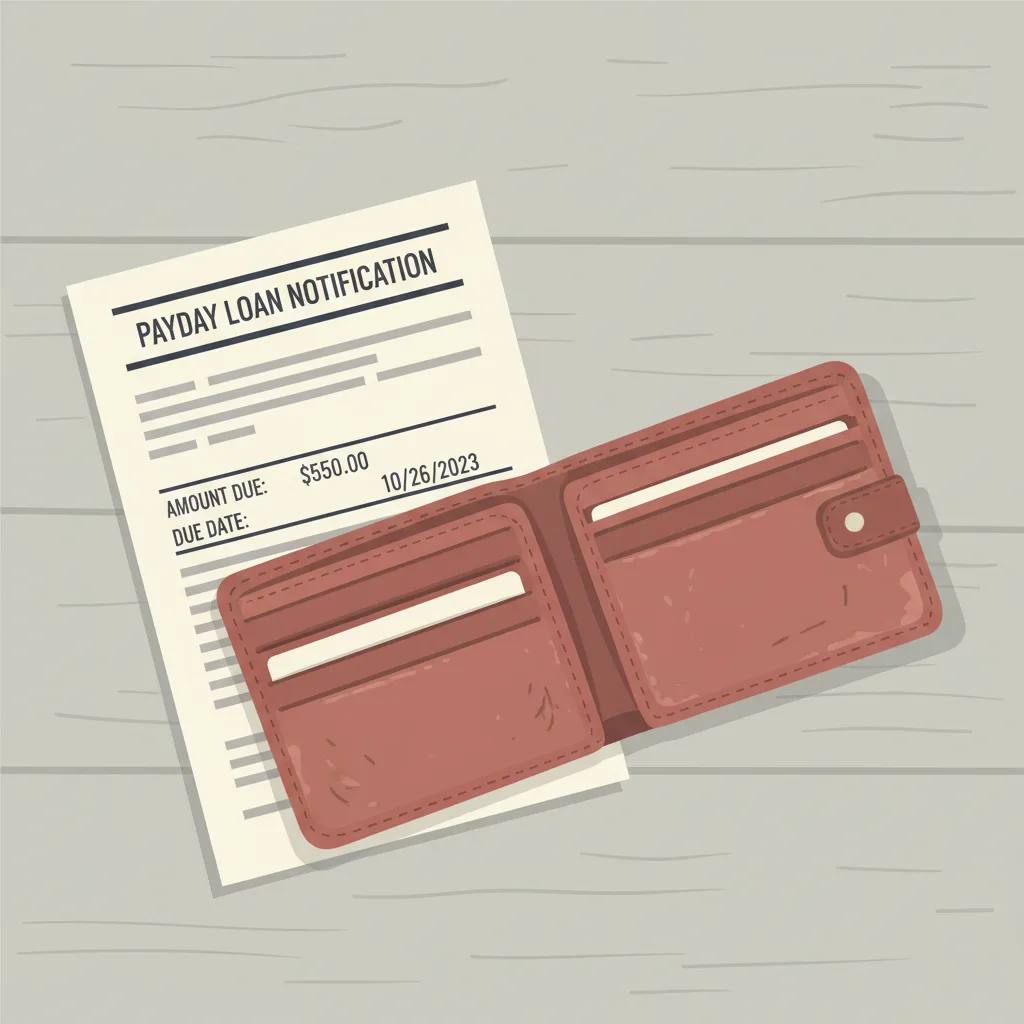
Flitskrediet beslissing

% betreurt deze keuze

Niet-handelen overheerst

Spijt over niet-handelen 2.2× hoger

Financieel

Beleggen

% betreurt deze keuze

Niet-handelen overheerst

Spijt over niet-handelen 3.2× hoger

Risico's achter deze beslissing

De kansen die aan deze keuze ten grondslag liggen.

Workers who become disabled and lack income-replacement coverage face an abrupt income cliff. The Social Security Administration estimates that one in four of today’s 20-year-olds will experience a qualifying disability before reaching retirement age, yet LIMRA’s 2024 Insurance Barometer Study found fewer than one in five US adults carry any disability income insurance — a gap of roughly 51 million working adults. Guardian Life’s workplace benefits research found that among households that actually experienced a disability leave without coverage, 80% reported they had not fully recovered financially years later, compared with 38% financial harm among workers who held disability insurance during the same event. The asymmetry is large and consistent across data sources.

Regret among buyers is real but structurally different. Insurance economics research documents a “waste aversion” dynamic: Krishnan and Iyer (2022) show experimentally that the thought of having “wasted” premiums when no loss occurs causally reduces the coverage people buy. LIMRA data on lapsed policyholders quantifies the same sentiment — 30% of workers who dropped disability coverage cited “not using the benefit enough to be worth it” as their stated reason. These figures describe an expectation of wasted spending rather than harm; the policyholder who never became disabled is, by definition, the one who avoided the outcome the policy was designed for. Buyer regret is primarily about the cost of an unused option, not about a worse life outcome.

The two regret types are not symmetric. Inaction regret, when it materializes, arrives alongside job loss, depleted savings, and delayed retirement — harms that are concrete and long-lasting. Research published in the American Journal of Public Health found that medically related work loss contributed to over 44% of US personal bankruptcies in one analysis, and households with a disabled adult require substantially more income to maintain equivalent living standards. Action regret, by contrast, is largely anticipatory: most buyers never claim, pay premiums throughout their working years, and may retrospectively question the cost. The evidence does not suggest that buyers who purchased and never claimed experienced lasting harm from having done so. Inaction dominates the regret calculus when conditioned on the event the coverage is designed to address.

Bronnen: handelen

Bronnenverantwoording

Elk getal hieronder is wat elke bron rapporteerde, met het letterlijke citaat waarop we ons baseerden en hoe we tot ons cijfer kwamen. Klik op een link om rechtstreeks te verifiëren.

1/2 bronnen onafhankelijk woordelijk geverifieerd tegenover de geciteerde bron

  1. [1] Economics Letters 2022;216:110594 / S. Sai Krishnan & Subramanian S. Iyer — Can waste aversion affect demand for insurance? Evidence from experiment and survey
    Can waste aversion affect demand for insurance? Evidence from experiment and survey
    Statistiek
    Waste averters demand lower insurance coverage than non-waste averters — the discouraging thought of having 'wasted' premiums if no loss occurs reduces the amount of coverage people buy
    Fragment
    “"Evidence shows that people are discouraged from buying fair insurance by the thought that if they do not suffer a loss, they will have wasted their money. We extend this theory to test if waste aversion could lead to a reduction in the amount of coverage sought. We deploy a multimethod design wherein we first run incentive-compatible experiments to establish a cause-and-effect relationship. We follow it up with a survey rolled out to actual buyers of insurance to generate external validity for our results. Our findings show that waste averters demand lesser insurance coverage than non-waste averters." ”
    Brongegevens van
    2022-07-01
    Geraadpleegd
    2026-06-30
    Berekening
    Krishnan & Iyer (Economics Letters 2022;216:110594) establish, via incentive-compatible experiments plus a survey of actual insurance buyers, that "waste aversion" — anticipated regret over premiums paid without a claim — causally lowers the amount of coverage demanded. This source documents the MECHANISM behind buyer regret on the action side; it does not report a quantified regret rate (the action regret_rate is anchored on the LIMRA lapse figure below, not on this paper).
  2. [2] LIMRA — Disability Insurance Awareness Month: Is Your Income Protected? Geverifieerd
    Disability Insurance Awareness Month: Is Your Income Protected?
    Statistiek
    30% of employees who dropped disability insurance cited 'not using the benefit enough to be worth it' as their reason
    Fragment
    “"Employees who previously had coverage but dropped their disability insurance cited increasing costs (31%), not using the benefit enough to be worth it (30%), and wanting to reduce overall benefit spending (27%) as their primary reasons." ”
    Brongegevens van
    2025-05-01
    Geraadpleegd
    2026-05-13
    Verificatie
    Fragment onafhankelijk opnieuw opgehaald en woord voor woord bevestigd tegenover de geciteerde bron tijdens onze onderbouwingsaudit.
    Berekening
    LIMRA's 2025 workplace benefits research. The 30% "not using the benefit enough to be worth it" response among lapsed policyholders is the industry's closest published metric to post-purchase regret for disability insurance buyers, and is used here as the action-side regret_rate anchor (0.30). It aligns with the waste-aversion mechanism documented by Krishnan & Iyer (2022). Note that this population self-selected into lapsing — unconditional buyer regret among all current policyholders is likely lower, so 0.30 is best read as an upper-bound proxy among the subgroup most prone to it.

Bronnen: niet handelen

Bronnenverantwoording

Elk getal hieronder is wat elke bron rapporteerde, met het letterlijke citaat waarop we ons baseerden en hoe we tot ons cijfer kwamen. Klik op een link om rechtstreeks te verifiëren.

2/3 bronnen onafhankelijk woordelijk geverifieerd tegenover de geciteerde bron

  1. [1] Guardian Life Insurance Company of America — Role of Disability Insurance in Financial Wellness Geverifieerd
    Role of Disability Insurance in Financial Wellness
    Statistiek
    8 in 10 workers who experienced a disability leave without disability insurance say they have not yet fully recovered financially
    Fragment
    “"Among those lacking disability coverage, 8 in 10 say they have not yet fully recovered financially following a disability event. Individuals with disability insurance experienced significantly less negative financial consequences (38% negatively impacted) compared to those without coverage (62% negatively impacted)." ”
    Brongegevens van
    2024-01-01
    Geraadpleegd
    2026-05-13
    Verificatie
    Fragment onafhankelijk opnieuw opgehaald en woord voor woord bevestigd tegenover de geciteerde bron tijdens onze onderbouwingsaudit.
    Berekening
    Guardian's workplace benefits study surveyed US full-time workers, of whom 3 in 10 households reported at least one disability leave in the past 10 years. Among those who lacked disability insurance during that leave, 80% (8 in 10) reported incomplete financial recovery. We use 0.80 as the inaction regret rate — not a literal "regret" question, but incomplete financial recovery is the operational consequence that drives retrospective regret about skipping coverage. The insured cohort's 38% negative-impact rate versus the uninsured's 62% negative-impact rate corroborates the large gap. Total sample reported at approximately 1,492 workers across disability-leave households; the uninsured sub-sample is smaller.
  2. [2] LIMRA — Disability Insurance Awareness Month: Protecting Your Paycheck and Your Future
    Disability Insurance Awareness Month: Protecting Your Paycheck and Your Future
    Statistiek
    46% of US adults say they need disability insurance; only 18% report having it; 48% of uninsured say they would tap personal savings if unable to work
    Fragment
    “"Less than 1 in 5 consumers (18%) say they have disability insurance. Consumers without disability insurance coverage say their families would resort to tapping into personal savings (48%) or retirement funds (26%) to meet their day-to-day expenses if they became unable to work." ”
    Brongegevens van
    2024-05-01
    Geraadpleegd
    2026-05-13
    Berekening
    LIMRA's 2024 Insurance Barometer Study data. The coverage-gap statistic (46% say they need it; 18% have it) establishes the scale of involuntary non-ownership. The coping- mechanism data (48% would drain savings, 26% retirement funds) illustrates the downstream financial distress that makes inaction the regret-dominant path. Used here as corroborating context, not a direct regret rate.
  3. [3] Council for Disability Income Awareness (CDIA) — Disability Statistics Geverifieerd
    Disability Statistics
    Statistiek
    Just under 1 in 4 of today's 20-year-olds can expect to be out of work for at least a year due to a disabling condition before reaching normal retirement age (per SSA probability tables); at least 51 million US working adults lack disability insurance beyond basic Social Security coverage (per an ACLI analysis of 2022 Census data); medically related work loss was cited as a contributor in 44.3% of personal bankruptcies (per Himmelstein et al., American Journal of Public Health, 2019)
    Fragment
    “"Just under one in four of today's 20-year-olds can expect to be out of work for at least a year because of a disabling condition before they reach the normal retirement age." "At least 51 million working adults in the United States are without disability insurance other than the basic coverage available through Social Security." "44.3% specifically citing medically-related work loss as a contributor" [to personal bankruptcy]. ”
    Brongegevens van
    2026-03-30
    Geraadpleegd
    2026-07-03
    Verificatie
    Fragment onafhankelijk opnieuw opgehaald en woord voor woord bevestigd tegenover de geciteerde bron tijdens onze onderbouwingsaudit.
    Berekening
    CDIA's statistics page aggregates three figures used in the body prose that were previously stated without any citation. The 1-in-4 disability-probability figure is attributed by CDIA to SSA's Disability and Death Probability Tables for Insured Workers Who Attain Age 20 in 2025; the 51-million uninsured-workers figure is attributed to an ACLI analysis of 2022 Census data and the 2020 Strategic Business Insights MacroMonitor Household Survey; the 44.3%-of-bankruptcies figure is attributed to Himmelstein, Lawless, Thorne, Foohey & Woolhandler, "Medical Bankruptcy: Still Common Despite the Affordable Care Act," American Journal of Public Health 109, no. 3 (2019): 431-433 -- the body now cites that AJPH study directly for the bankruptcy figure rather than crediting CDIA (a secondary compiler) with having "found" it. Added to ground three previously-uncited body claims; does not change the inaction regret_rate (0.80).

Kanttekeningen

De twee spijtsignalen zijn geen direct vergelijkbare enquête-instrumenten — spijt aan de actiezijde wordt geproxyd door de opgegeven reden die opzeggende polishouders geven voor het beëindigen van de dekking ("niet genoeg gebruikt om het waard te zijn," een gevoel van verspillingsaversie), terwijl spijt aan de inactiezijde wordt gemeten via financieel niet-herstel na de gebeurtenis (een gevolgproxy, geen zelfgerapporteerde spijtvraag). Geen gepubliceerde studie heeft zowel verzekerde als onverzekerde werknemers dezelfde spijtvraag gesteld na een arbeidsongeschiktheidsgebeurtenis, dus de regret_delta is een benadering die is samengesteld uit afzonderlijke databronnen. De inactiegroep is geconditioneerd op het daadwerkelijk meemaken van arbeidsongeschiktheidsverlof — werknemers die nooit arbeidsongeschikt werden en de dekking oversloegen, voelen mogelijk helemaal geen spijt, wat betekent dat het spijtpercentage over inactie op populatieniveau over alle werknemers heen aanzienlijk lager is dan het cijfer van 80% (dat alleen geldt voor wie de dekking nodig had). Een arbeidsongeschiktheidsverzekering is ook niet voor alle werknemers beschikbaar of betaalbaar: zelfstandigen, gigwerkers en mensen met bestaande aandoeningen kennen toegangsbeperkingen die de actie/inactie-framing compliceren. De premiekosten variëren aanzienlijk naar beroep, leeftijd en uitkeringsperiode. Kortdurende en langdurende arbeidsongeschiktheidsverzekeringen zijn afzonderlijke producten met verschillende wachttijden en uitkeringsduren; de bovenstaande bronnen scheiden ze niet consistent.

Ruwe data: /api/decisions.json

Recent bekeken op dit apparaat