Een flitskrediet afsluiten vs. zonder het geld rondkomen
Als je handelt
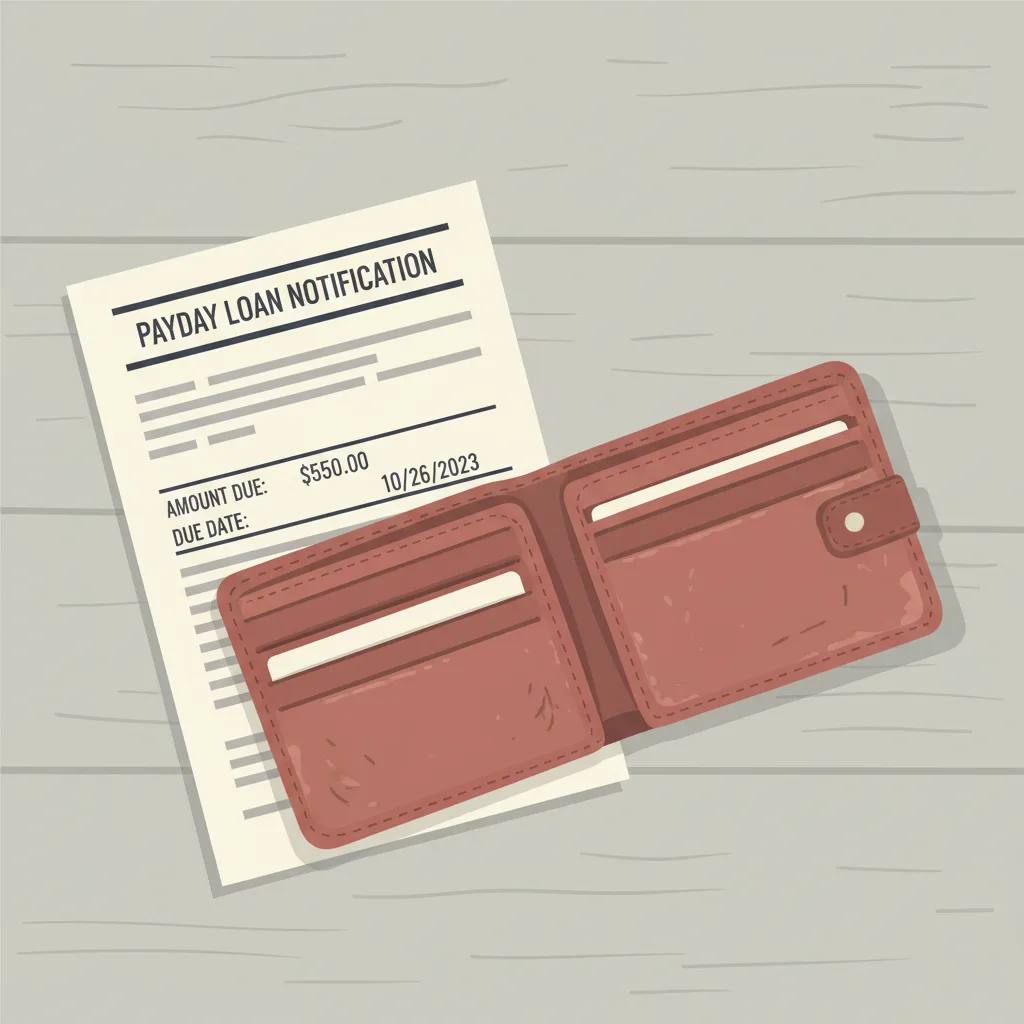
De flitskrediet-lening afsluiten
37%
Als je niets doet
Het zonder de lening doen
81%
Percentage dat later spijt heeft van elke keuze. De balken en het volledige overzicht staan hieronder.
Financieel
Laatst beoordeeld 2026-05-14
Kwaliteit van bewijs 4.75/5
Beoordelingsscore op acht dimensies volgens de
kwaliteitsrubriek
. Elke dimensie krijgt een score van 1 tot 5.
D1 Bronverificatie
5/5
D2 Autoriteit en onafhankelijkheid van bronnen
5/5
D3 Nauwkeurigheid van spijtcijfer
4/5
D4 Vergelijkbaarheid van bronnen
4/5
D5 Gilovich-patroon
5/5
D6 Prozakwaliteit
5/5
D7 Volledigheid van voorbehouden
5/5
D8 Steekproefkwaliteit
5/5
Gemiddelde4.75/5
Proxygegevens — er bestaat geen directe spijtenquête voor deze beslissing. De percentages zijn afgeleid van tevredenheidsscores en toegangsdrempelgegevens in plaats van vragen die direct naar spijt vroegen. Zie opmerkingen hieronder.
Spijt van handelen
De flitskrediet-lening afsluiten
37%
37% van payday-leners zeggen dat ze in zo'n moeilijke financiële situatie zaten dat ze een payday-lening tegen elke aangeboden voorwaarde zouden nemen
Amerikaanse payday-lening leners, nationaal representatieve enquête
retrospectief, beoordeeld tijdens actief lenen
Spijt van nalaten
Het zonder de lening doen
81%
81% van payday-leners bij fysieke filialen zeggen dat ze zouden bezuinigen op uitgaven zoals voedsel en kleding als payday-leningen niet beschikbaar waren
Amerikaanse payday-leners bij fysieke filialen die rapporteren hoe ze het zouden redden als de lening niet beschikbaar was (nationaal representatieve enquête)
retrospectief, hypothetisch alternatief voor lenen
% betreurt deze keuze
De flitskrediet-lening afsluitenHet zonder de lening doen
37%81%
inaction dominates — Niets doen domineert — de meesten hebben spijt dat ze niet handelden.
Gerelateerde keuzes
Semantisch vergelijkbare keuzes — zelfde terrein, andere afwegingen.
Spaargeld in cryptovaluta beleggenIn traditionele beleggingen blijven
46%16%
Handelen overheerst
Spijt over handelen 2.9× hoger
A Pew Charitable Trusts survey of more than 33,000 US adults found that 37% of payday loan borrowers say they were in such a difficult financial situation that they would take a loan on any terms offered — desperation, not free choice, drives a large share of the borrowing. Pew separately found that a majority of borrowers say the loans take advantage of them. The same research documented why the harm runs deep: the average borrower spends five months repaying what is marketed as a two-week product, paying $520 in fees to repeatedly service a $375 principal. That fee-to-principal ratio of 139% explains the harm — the product routinely transforms a short-term cash shortfall into a multi-month debt spiral before the borrower can exit.
Independent analysis by the Consumer Financial Protection Bureau, drawing on 12 million storefront payday loans, found that four out of five loans are rolled over or renewed within two weeks. Only 15% of borrowers repay without re-borrowing within 14 days; over 60% of all loans go to borrowers in sequences of seven or more consecutive loans. The gap between the marketed product (a short-term bridge) and the actual product (a recurring fee mechanism) is the structural reason harm rates are as high as they are.
The inaction side carries real costs. Pew asked borrowers what they would do if payday loans were unavailable: 81% said they would cut back on expenses such as food and clothing, and majorities said they would delay paying some bills, borrow from family or friends, or sell possessions. In other words, the underlying cash shortfall does not disappear when the loan is off the table — it gets shifted onto other necessities and bills. That is the hardship going without imposes. But it is the same shortfall that borrowers who take the loan also carry: Pew separately reports that a majority of borrowers say the loans take advantage of them. Going without the money produces hardship for a large share of people in that position, yet without adding the fee-driven debt spiral that the loan brings. The two figures shown here are proxies drawn from different survey questions — the 37% is Pew’s desperation measure (would borrow on any terms), the 81% is Pew’s coping measure (would cut back on necessities without the loan) — so the raw gap between them is not a clean regret comparison. The signal that survives is severity: CFPB’s rollover data show the harm from taking the loan, when it lands, is deep and prolonged, whereas going without shifts the same shortfall onto other bills without the debt trap.
Bronnen: handelen
Bronnenverantwoording
Elk getal hieronder is wat elke bron rapporteerde, met het letterlijke citaat waarop we ons baseerden en hoe we tot ons cijfer kwamen. Klik op een link om rechtstreeks te verifiëren.
1/2 bronnen onafhankelijk woordelijk geverifieerd tegenover de geciteerde bron
[1]Pew Charitable Trusts — Payday Lending in America: How Borrowers Choose and Repay Payday Loans (Overview)
Primaire studie
37% of borrowers say they have been in such a difficult financial situation that they would take a payday loan on any terms offered; a majority of borrowers say payday loans take advantage of them
Fragment
“"Desperation also influences the choice of 37 percent of borrowers who say they have been in such a difficult financial situation that they would take a payday loan on any terms offered." ... "A majority of borrowers say payday loans take advantage of them, and a majority also say they provide relief."
”
Brongegevens van
2013-02-20
Geraadpleegd
2026-06-30
Berekening
Pew Charitable Trusts "Payday Lending in America" series, drawn from the same nationally representative survey of 33,576 US adults. The 37% figure is Pew's exact, directly reported measure of borrowers who say they were so financially desperate they would accept a payday loan on any terms — a desperation/harm-sentiment construct, NOT a self-report that the loan "made their finances worse" (no such Pew statistic exists). It is used as the action-side rate to label the share of borrowers who took the loan out of acute desperation rather than genuine choice; Pew separately finds a majority say the loans take advantage of them. This is a relabeled sentiment proxy, not a direct regret survey.
[2]Consumer Financial Protection Bureau — CFPB Finds Four Out of Five Payday Loans Are Rolled Over or Renewed
Geverifieerd
Overheidsrapport
80% of payday loans are rolled over or renewed within 14 days; over 60% of loans go to borrowers in sequences of 7 or more loans; only 15% of borrowers repay without re-borrowing
Fragment
“"Four out of five payday loans are rolled over or renewed within two weeks. Over 60 percent of loans are made to borrowers in the course of loan sequences lasting seven or more loans. Only 15 percent of borrowers repay all of their payday debts when due without re-borrowing within 14 days."
”
Brongegevens van
2014-03-25
Geraadpleegd
2026-05-14
Verificatie
Fragment onafhankelijk opnieuw opgehaald en woord voor woord bevestigd tegenover de geciteerde bron tijdens onze onderbouwingsaudit.
Berekening
CFPB analysis of 12 million storefront payday loans over a 12-month period, published March 2014. The 80% rollover rate and the finding that only 15% of borrowers escape without re-borrowing corroborate the action-side harm framing: the debt-trap structure makes the loan more harmful and prolonged than most borrowers anticipate at origination, consistent with Pew's finding that desperation, not free choice, drives a large share of borrowing. These figures are from the CFPB press release, which cites the full study: https://files.consumerfinance.gov/f/201403_cfpb_report_payday-lending.pdf
Bronnen: niet handelen
Bronnenverantwoording
Elk getal hieronder is wat elke bron rapporteerde, met het letterlijke citaat waarop we ons baseerden en hoe we tot ons cijfer kwamen. Klik op een link om rechtstreeks te verifiëren.
[1]Pew Charitable Trusts — Payday Lending in America: Who Borrows, Where They Borrow, and Why
Primaire studie
If payday loans were unavailable, 81% of borrowers say they would cut back on expenses such as food and clothing, and majorities say they would delay paying some bills — the shortfall the loan was meant to cover is not resolved but shifted
Fragment
“"If faced with a cash shortfall and payday loans were unavailable, 81 percent of borrowers say they would cut back on expenses. Many also would delay paying some bills, rely on friends and family, or sell personal possessions." ... "Eighty-one percent of those who have used a storefront payday loan would cut back on expenses such as food and clothing. Majorities also would delay paying bills, borrow from family or friends, or sell or pawn possessions."
”
Brongegevens van
2012-07-19
Geraadpleegd
2026-05-14
Berekening
The 0.81 inaction-side rate is Pew's exact, directly reported figure: 81% of those who have used a storefront payday loan say they would cut back on expenses such as food and clothing if payday loans were unavailable. It is used here as a hardship proxy for the inaction side — the share who, without the loan, absorb the cash shortfall by cutting back on necessities (and, for majorities, delaying bills, borrowing from family or friends, or selling possessions). This is a coping-response proxy, NOT a direct regret survey of people who went without a payday loan (no such survey exists); "would cut back on food and clothing" is disclosed as a hardship-sentiment stretch rather than a self-reported regret measure. The number itself is taken verbatim from Pew's stated 81%; it is not adjusted or derived downward, because no source states any intermediate value and inventing one would be ungrounded.
Kanttekeningen
Het 37% percentage aan de actie-zijde is Pew's exacte maat van leners die zeggen dat ze in zo'n moeilijke financiële situatie zaten dat ze een payday-lening tegen elke aangeboden voorwaarde zouden nemen — een constructie van wanhoop/schadeperceptie, GEEN zelfrapportage dat de lening «hun financiën verslechterde» (zo'n Pew-statistiek bestaat niet). Het komt uit de nationaal representatieve enquête van 33.576 Amerikaanse volwassenen uit de serie «Payday Lending in America»; Pew rapporteert apart dat een meerderheid van leners zegt dat de leningen misbruik van hen maken. Het 81% percentage aan de inactie-zijde is Pew's exacte, direct gerapporteerde cijfer: 81% van payday-leners bij fysieke filialen zou bezuinigen op uitgaven zoals voedsel en kleding als payday-leningen niet beschikbaar waren — hier gebruikt als tegenslag-proxy voor de kant van het afzien, geen directe spijtenquête van mensen die payday-leningen afwezen (geen dergelijke enquête werd gevonden). Omdat de twee proxy's op verschillende vragen berusten (wanhoop om tegen elke voorwaarde te lenen vs. bezuinigen op noodzakelijke uitgaven als de lening wegvalt), is de kloof ertussen (verschil = -0,44) een indicatieve proxy-vergelijking, geen precieze spijt-delta: het wijst richtinggevend erop dat het zonder de lening doen de duurdere weg is — de 81% die bezuinigt op noodzakelijke uitgaven is een breder signaal van tegenslag dan de smallere maat van 37% wanhoop om te lenen — maar de omvang is geen gekalibreerd verschil. Het betrouwbaardere signaal is ernst, niet percentage: aan de actie-zijde vond CFPB-analyse van 12 miljoen leningen dat meer dan 80% rolt binnen 14 dagen en slechts 15% van leners ontsnapt zonder opnieuw te lenen — wat aangeeft dat de schade wanneer het optreedt diep en langdurig is. Afzien van de lening verschuift de tegenslag naar andere rekeningen en behoeften maar vermijdt de door kosten aangedreven schuldenspiraal. De Pew 2012 data dateert van vóór de Consumer Financial Protection Bureau 2017 payday lening-regel (later teruggeschroefd in 2020), wat betekent dat de structurele fee-dynamieken kunnen verschillen van huidige producten. De vergelijkingspopulaties over de twee zijden zijn niet identiek — actie-zijde data dekt bevestigde leners terwijl inactie-zijde data wordt afgeleid uit de hypothetische alternatieven van dezelfde leners — wat een matchingsbeperking introduceert.