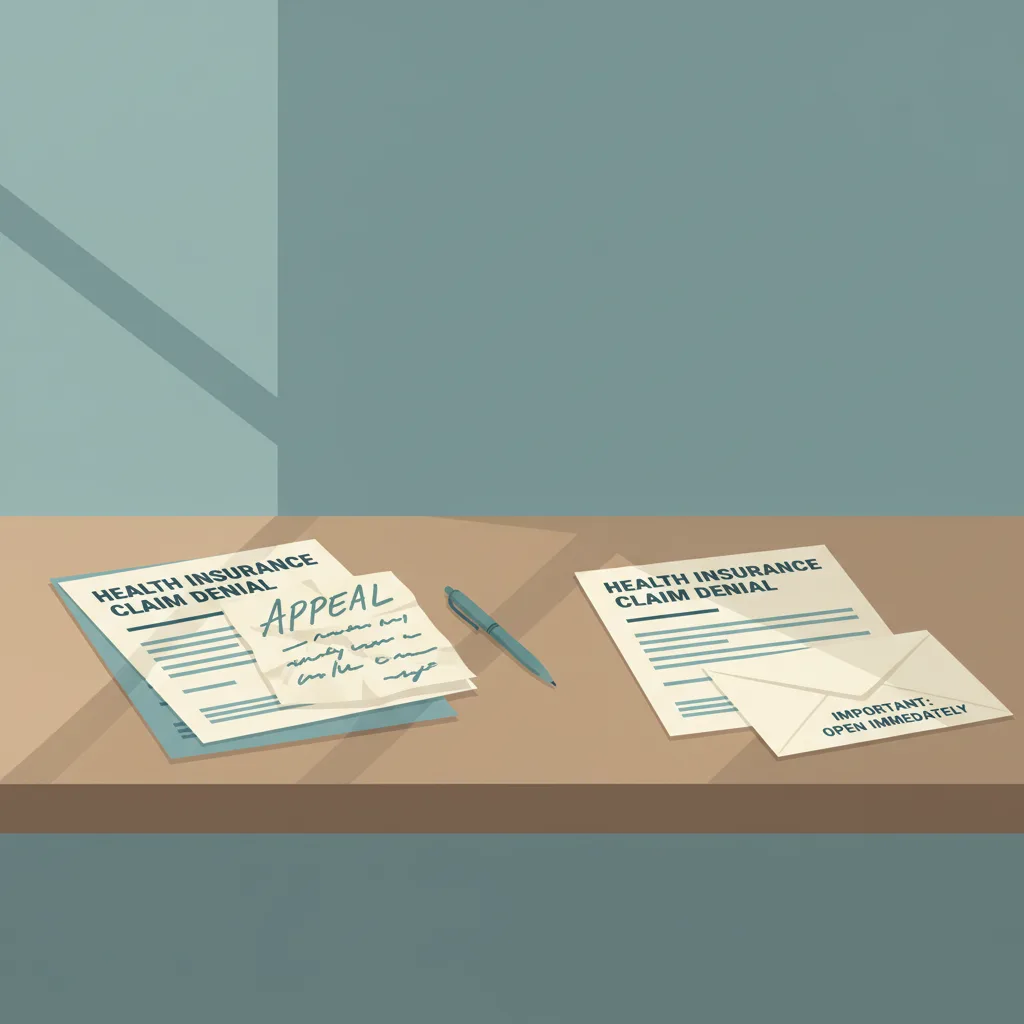
Onderhandelen over de autoprijs vs. het eerste aanbod van de dealer accepteren
Als je handelt
Onderhandelen over de prijs
14%
Als je niets doet
Het eerste aanbod van de dealer accepteren
23%
Percentage dat later spijt heeft van elke keuze. De balken en het volledige overzicht staan hieronder.
Financieel
Laatst beoordeeld 2026-05-11
Kwaliteit van bewijs 4.13/5
Beoordelingsscore op acht dimensies volgens de
kwaliteitsrubriek
. Elke dimensie krijgt een score van 1 tot 5.
D1 Bronverificatie
5/5
D2 Autoriteit en onafhankelijkheid van bronnen
4/5
D3 Nauwkeurigheid van spijtcijfer
2/5
D4 Vergelijkbaarheid van bronnen
3/5
D5 Gilovich-patroon
5/5
D6 Prozakwaliteit
5/5
D7 Volledigheid van voorbehouden
5/5
D8 Steekproefkwaliteit
4/5
Gemiddelde4.13/5
Proxygegevens — er bestaat geen directe spijtenquête voor deze beslissing. De percentages zijn afgeleid van tevredenheidsscores en toegangsdrempelgegevens in plaats van vragen die direct naar spijt vroegen. Zie opmerkingen hieronder.
Spijt van handelen
Onderhandelen over de prijs
14%
~14% van autokopers die onderhandelen rapporteren ontevredenheid met het proces of de uitkomst (proxy uit wrijvings- en koper-berouw literatuur)
Amerikaanse en UK-autokopers die prijsonderhandeling probeerden
retrospectief, geen vast tijdsbestek
Spijt van nalaten
Het eerste aanbod van de dealer accepteren
23%
23% van autokopers zeggen dat teveel betalen hun enkele ergste auto-aankoop fout is
Amerikaanse volwassenen die een auto kochten
retrospectief, geen vast tijdsbestek
% betreurt deze keuze
Onderhandelen over de prijsHet eerste aanbod van de dealer accepteren
14%23%
inaction dominates — Niets doen domineert — de meesten hebben spijt dat ze niet handelden.
Gerelateerde keuzes
Semantisch vergelijkbare keuzes — zelfde terrein, andere afwegingen.
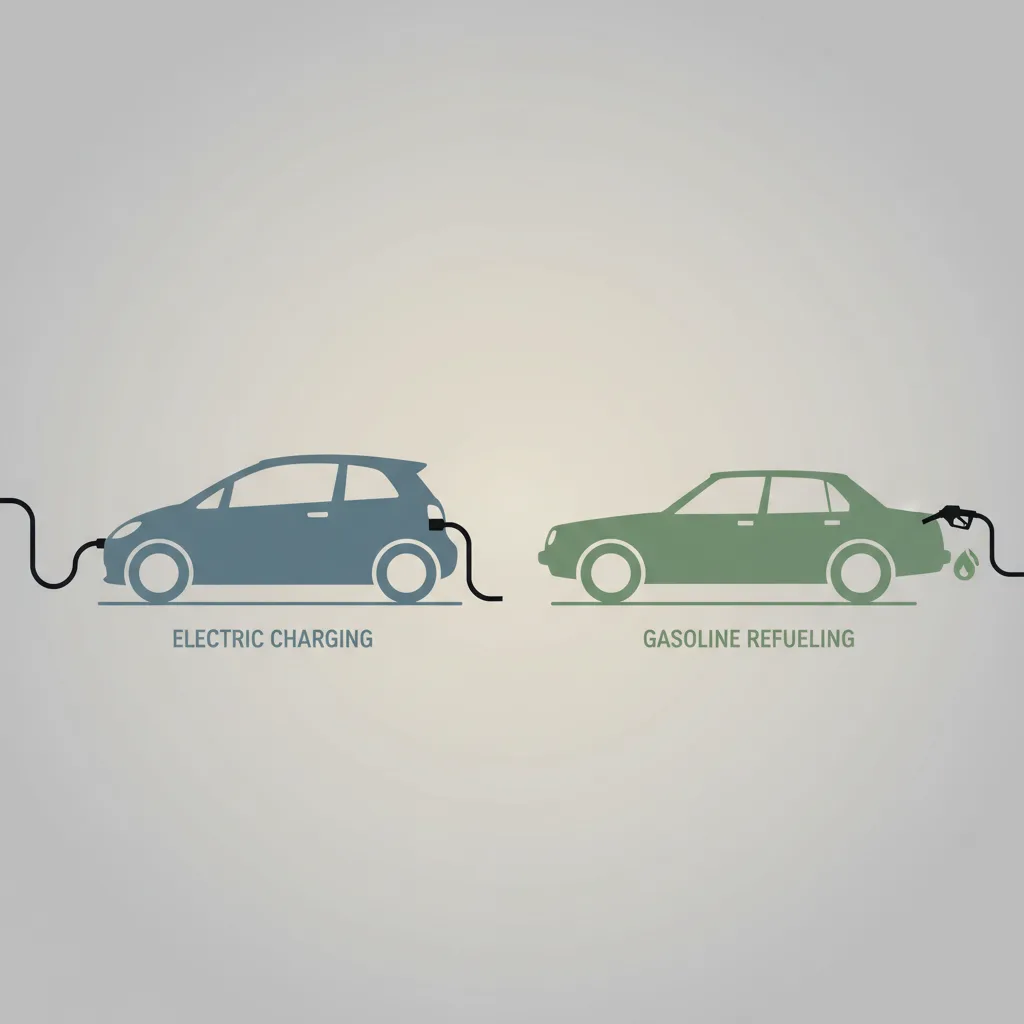
Overstappen op een elektrische autoEen benzineauto houden
46%16%
Handelen overheerst
Spijt over handelen 2.9× hoger
Among used-car buyers who attempted to negotiate, 83% succeeded in paying less than the asking price, with a median saving of $900 — roughly 8% off the sticker — according to a Consumer Reports survey of 1,006 US buyers. The group that did not negotiate accepted a higher price for no reason other than not asking. An Ipsos survey of 1,005 US adults found that 23% of car buyers named overpaying as their single worst mistake in the car-buying process, ranking it ahead of not doing enough research (20%), buying the wrong car (14%), and buying from an untrustworthy source (14%). The LendingTree car-regrets survey (n=1,919) separately found that 8% of recent buyers specifically regret not shopping around for a better deal — a narrower, more direct measure of negotiation regret.
The asymmetry tracks cleanly with the Gilovich-Medvec inaction-dominance pattern. Negotiating and failing costs nothing in price — you end up paying exactly what non-negotiators pay, and in most cases you still drive away with the car. Negotiating and succeeding saves hundreds to thousands of dollars. Not negotiating locks in the sticker price permanently. The expected value of asking is positive, the downside is minimal, and yet a large share of buyers accept the first number without countering. Edmunds data shows that by Q3 2024, the average US new-vehicle buyer was leaving with the car $1,744 below MSRP — a figure that reflects an entire population of buyers, including those who did not negotiate, being averaged against those who did. Individual negotiators likely fared better than the mean.
The caveats are real. Market conditions shift the leverage dramatically: during the 2021–2022 inventory shortage, used-car prices spiked well above pre-pandemic levels and dealers routinely added markups above MSRP, making negotiation nearly impossible for popular models. In a surplus market — the environment most buyers will encounter across their lifetime — the leverage returns to the buyer. The Ipsos regret figure (23%) almost certainly conflates depreciation disappointment with negotiation failure; buyers who timed their purchase during a price peak, negotiated well, and still watched the car lose value quickly would also report this regret. The CarGurus UK data shows 53% of buyers find negotiation uncomfortable — a real barrier that suppresses attempts — but discomfort during the process does not reliably translate into regret about having tried.
Bronnen: handelen
Bronnenverantwoording
Elk getal hieronder is wat elke bron rapporteerde, met het letterlijke citaat waarop we ons baseerden en hoe we tot ons cijfer kwamen. Klik op een link om rechtstreeks te verifiëren.
1/2 bronnen onafhankelijk woordelijk geverifieerd tegenover de geciteerde bron
[1]Consumer Reports — Why Haggling for Your Next Car Really Pays
Geverifieerd
Gerenommeerde referentie
70% of used-car buyers who haggled succeeded 83% of the time, saving a median of $900 (8% off asking price)
Fragment
“"70 percent of used-car buyers haggled over the price, succeeding in getting a better deal 83 percent of the time. The median was $900, or 8 percent less than the asking price."
”
Brongegevens van
2023-01-01
Geraadpleegd
2026-05-11
Verificatie
Fragment onafhankelijk opnieuw opgehaald en woord voor woord bevestigd tegenover de geciteerde bron tijdens onze onderbouwingsaudit.
Berekening
Consumer Reports survey of n=1,006 US adults who purchased a used car in the past five years. The 83% success rate among negotiators implies 17% failed to improve the price. Even among those who failed, they were no worse off than non-negotiators. Low post-negotiation regret is estimated from the inverse: the majority who succeeded saved real money (median $900), the minority who failed got the same price they would have accepted anyway. The 14% action-regret proxy is derived conservatively from the failure rate (17%) adjusted downward by the fact that failed negotiators lose nothing — they pay the same price as non-negotiators.
[2]CarGurus UK — Car Negotiation Tips — Consumer Survey
Gerenommeerde referentie
53% of car buyers found negotiating 'too uncomfortable'; among successful negotiators, average savings were £896 (~$1,100)
Fragment
“"Fewer than a third of car buyers (29%) always try to negotiate. 53% found negotiating too uncomfortable. Among those who did negotiate successfully, the average saving was £896."
”
Brongegevens van
2023-05-01
Geraadpleegd
2026-05-11
Berekening
CarGurus UK commissioned survey of n=2,000 UK motorists, May 2023. The discomfort figure (53%) represents anxiety during the process, not post-purchase regret. UK negotiation norms differ from US; the discomfort rate is used as a proxy upper bound for action-side regret, acknowledging the methodological mismatch. The savings figure (£896) contextualizes stakes: real money is on the table, which suppresses retrospective regret even when the process was uncomfortable.
Bronnen: niet handelen
Bronnenverantwoording
Elk getal hieronder is wat elke bron rapporteerde, met het letterlijke citaat waarop we ons baseerden en hoe we tot ons cijfer kwamen. Klik op een link om rechtstreeks te verifiëren.
1/2 bronnen onafhankelijk woordelijk geverifieerd tegenover de geciteerde bron
[1]Ipsos — Top Car Buyer Regrets Include Overpaying for a New Car and Not Doing Enough Research
Geverifieerd
Gerenommeerde referentie
23% of car buyers say overpaying for a new car that quickly depreciated was their single worst mistake
Fragment
“"Roughly a quarter (23%) say that their worst mistake when purchasing a car was overpaying for a new car that quickly depreciated. One in five (20%) say their worst mistake was not doing enough research."
”
Brongegevens van
2009-01-01
Geraadpleegd
2026-05-11
Verificatie
Fragment onafhankelijk opnieuw opgehaald en woord voor woord bevestigd tegenover de geciteerde bron tijdens onze onderbouwingsaudit.
Berekening
Ipsos online panel survey of n=1,005 US adults ages 18+, January 2009. Margin of error ±3.1pp. The question asked respondents to identify their single worst car-buying mistake. "Overpaying for a new car that quickly depreciated" encompasses both depreciation timing and price negotiation failure; it is the closest available US survey data linking car purchase regret to price paid. Because the question conflates depreciation and negotiation failure, the 23% figure is an upper bound for negotiation-specific regret. No more recent US survey with comparable methodology on car-price- specific regret was identified. Used as the inaction-regret rate.
[2]LendingTree — Car Regrets Survey: Nearly 4 in 10 Who Bought a Car in the Past Year Have Regrets
Gerenommeerde referentie
8% of recent car buyers specifically regret not shopping around for a better deal
Fragment
“"Nearly 4 in 10 who bought a car in the past year have regrets. Top regrets include wrong make/model (14%), bought an unaffordable car (10%), and not shopping around for a better car deal (8%)."
”
Brongegevens van
2021-12-01
Geraadpleegd
2026-05-11
Berekening
LendingTree survey of n=1,919 US car owners conducted via Qualtrics, December 2021. The 8% figure is the direct measurement of "not shopping around for a better deal" as a reported regret — the closest available operationalization of not-negotiating regret. Because shopping around and price negotiation are related but not identical, and because this question allows multiple regrets while Ipsos forced a single worst mistake, the two figures are not directly comparable. The 23% Ipsos upper bound and 8% LendingTree lower bound bracket the inaction-regret range. We use 0.23 as the conservative estimate of stated regret about overpaying.
Kanttekeningen
PROXY-METINGEN DOORHEEN. Geen enquête vraagt direct: "Heeft u nagelaten de autoprijs te onderhandelen, en heeft u er spijt van?" Het 23% inactiecijfer (Ipsos 2009) vermengt afschrijvings-spijt met onderhandelingsspijt; sommige kopers die teveel betaalden onderhandelden wel, en sommigen die te weinig betaalden deden dat niet. De Ipsos-data is ook 16 jaar oud en dateert van vóór de COVID-tijdperk voorraadtekort (2021–2022), waarin de meeste kopers boven MSRP betaalden ongeacht onderhandelingsvaardigheid. De 14% actie-spijt schatting is afgeleid uit Consumer Reports 17% falen-tot-verbetering percentage aangepast omlaag, niet uit een directe spijtenquête. Edmunds data (Q3 2024) toont dat nieuwe-voertuig kopers nu gemiddeld $1.744–$1.884 onder MSRP zijn — de inzet is reëel en groeiend. Het CarGurus ongemak-cijfer (53% vond onderhandelen ongemakkelijk) is een procesmaat, geen retrospectieve spijtmaat, en komt uit een UK-sample dat de onderhandelingsnormen in de VS kan ondertellen. De algemene richting — inactie-spijt overtreft actie-spijt — wordt robuust ondersteund door de Consumer Reports en Ipsos data, maar de kloof is klein genoeg dat de specifieke percentages moeten worden gelezen als bij benadering in plaats van gekalibreerd. Marktomstandigheden matieren: in een hete voorraadmarkt (bijv. 2021-2022), onderhandelden dealers zelden en kopers hadden weinig hefboomwerking; in een kopersmarkt (bijv. post-2023) is onderhandelen veel haalbaarder en is inactie-spijt waarschijnlijk hoger.