

Ga naar inhoud
Likelier

Spijt van handelen vs. niets doen

Kopen wat nu past vs. groter kopen dan je nodig hebt

Als je handelt

Kopen wat bij je huidige behoefte past

8,0%

Als je niets doet

Groter kopen dan je nodig hebt

5,0%

Percentage dat later spijt heeft van elke keuze. De balken en het volledige overzicht staan hieronder.


Financieel

Laatst beoordeeld 2026-05-04

Kwaliteit van bewijs 4.13/5

Beoordelingsscore op acht dimensies volgens de kwaliteitsrubriek . Elke dimensie krijgt een score van 1 tot 5.

D1 Bronverificatie
5/5
D2 Autoriteit en onafhankelijkheid van bronnen
4/5
D3 Nauwkeurigheid van spijtcijfer
4/5
D4 Vergelijkbaarheid van bronnen
5/5
D5 Gilovich-patroon
2/5
D6 Prozakwaliteit
5/5
D7 Volledigheid van voorbehouden
4/5
D8 Steekproefkwaliteit
4/5
Gemiddelde 4.13/5
Direct bewijs
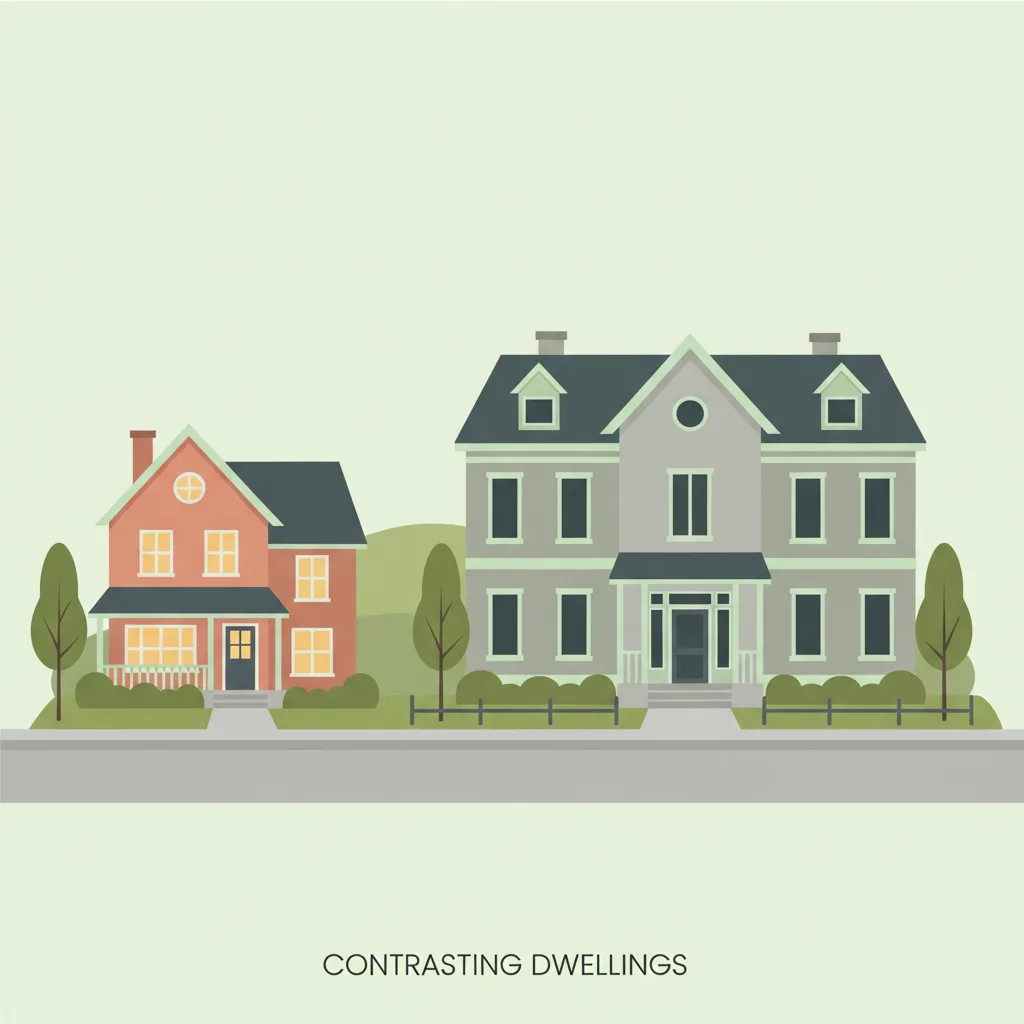
Two houses side by side — one compact and tidy, the other larger with several dark, unused windows.

Spijt van handelen

Kopen wat bij je huidige behoefte past

8,0%

~8% van huiseigenaren wensen dat ze groter hadden gekocht

Amerikaanse huiseigenaren, nationaal representatief

retrospectief, geen vast tijdsbestek

Spijt van nalaten

Groter kopen dan je nodig hebt

5,0%

~5% van huiseigenaren hebben spijt van te veel ruimte kopen

Amerikaanse huiseigenaren, nationaal representatief

retrospectief, geen vast tijdsbestek

% betreurt deze keuze

action dominates — Handelen domineert — de meesten hebben spijt dat ze handelden.

Gerelateerde keuzes

Semantisch vergelijkbare keuzes — zelfde terrein, andere afwegingen.

FinancieelDirect

Huis kopen

% betreurt deze keuze

Niet-handelen overheerst

Spijt over niet-handelen 5.6× hoger

Financieel

Woningrenovatie

% betreurt deze keuze

Handelen overheerst

Spijt over handelen 2.3× hoger

Financieel

Vaste vs. variabele hypotheek

% betreurt deze keuze

Handelen overheerst

Spijt over handelen 3.6× hoger

Financieel

Afzien van bouwkundige keuring

% betreurt deze keuze

Handelen overheerst

Spijt over handelen 3.1× hoger

Financieel

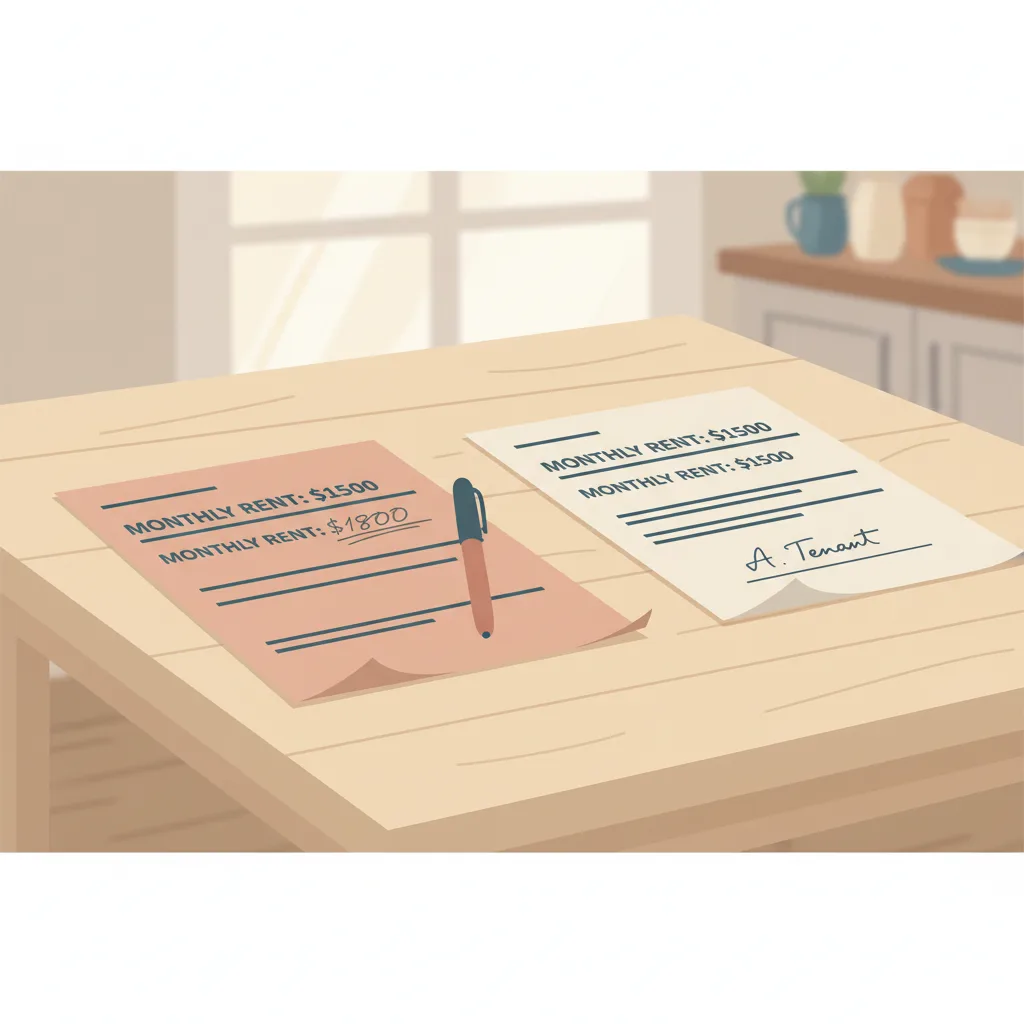
Huuronderhandeling

% betreurt deze keuze

Niet-handelen overheerst

Spijt over niet-handelen 1.9× hoger

Financieel

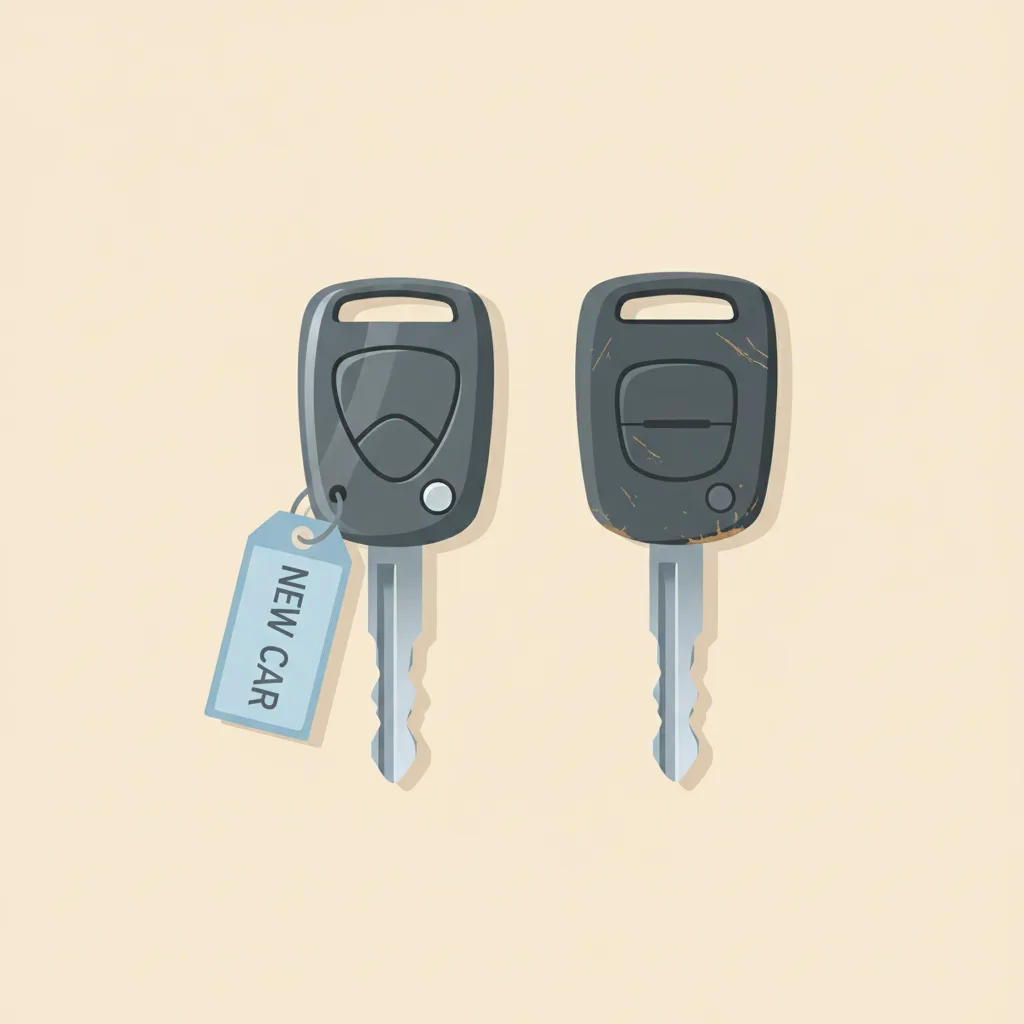
Nieuw vs tweedehands

% betreurt deze keuze

In evenwicht

Grotendeels in evenwicht

lifestyle

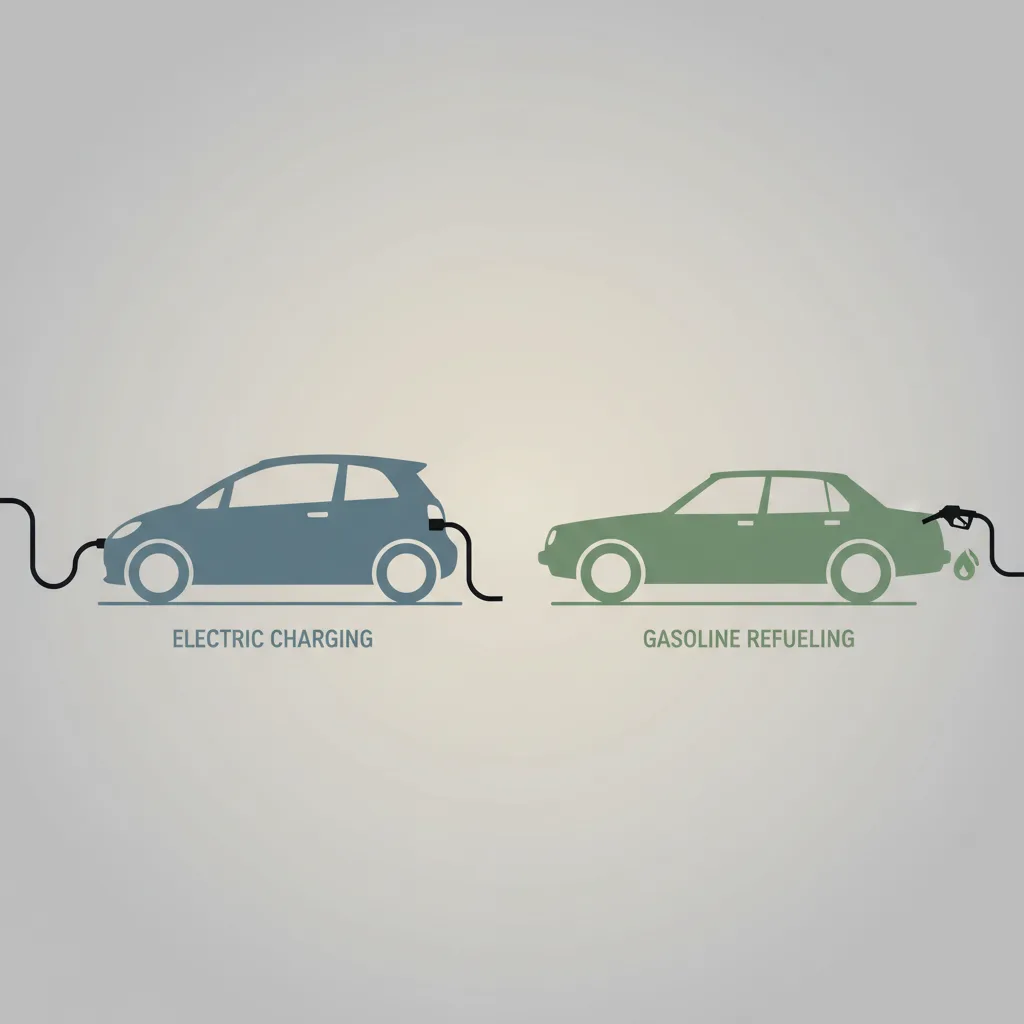
EV vs benzine

% betreurt deze keuze

Handelen overheerst

Spijt over handelen 2.9× hoger

lifestyle

Biologisch vs conventioneel

% betreurt deze keuze

Niet-handelen overheerst

Spijt over niet-handelen 3.1× hoger

About 8% of US homeowners wish they had bought a bigger home, versus roughly 5% who regret buying too much space, according to Bankrate’s 2024 survey of homeowners with purchase regrets. The gap is narrow — 3 percentage points — and the finding cuts against the popular “don’t buy too much house” advice. Among homeowners who have any regret at all (47% of the total), “too small” ranks second at 18%, while “too big” comes in at 10%, behind maintenance costs, location, overpaying, and mortgage rates. The pattern extends beyond housing: vehicle buyers who chose a compact car and later needed a larger one face modest upgrade costs, while those who bought an oversized SUV absorb years of higher fuel, insurance, and depreciation on capacity they never use.

The small gap masks an asymmetry in how the two regrets feel. Right-sizers who outgrow their space experience a concrete, daily friction: the cramped home office, the bedroom that doubled as a nursery. Oversizers, by contrast, often absorb their regret into adjacent financial complaints. Bankrate’s survey found 40% of regretful owners citing maintenance and hidden costs as their top grievance, and 13% citing an unaffordable mortgage — both categories that disproportionately affect those who bought more home than they needed. Genesove and Mayer’s study of Boston condominiums showed that owners anchored to their purchase price set asking prices 25–35% above market when facing a loss, creating a psychological lock-in that makes downsizing from an oversized home especially painful. Hedonic adaptation compounds the problem: the pleasure of extra square footage fades within months, but the mortgage payment never adapts.

Neither side of this decision carries catastrophic regret rates. Both land under 10%, well below the 45% of renters who wish they had bought at all. The honest read is that most homeowners, whether they sized up or sized down, would do the same thing again. For buyers weighing the tradeoff today, the financial math favors right-sizing: transaction costs for a future upgrade ($1,000–$5,000 for a local move) are modest compared to years of carrying costs on unused space. But the data does not support a strong directional claim. Individual variables — market trajectory, family plans, remote-work permanence — swamp the aggregate signal.

Bronnen: handelen

Bronnenverantwoording

Elk getal hieronder is wat elke bron rapporteerde, met het letterlijke citaat waarop we ons baseerden en hoe we tot ons cijfer kwamen. Klik op een link om rechtstreeks te verifiëren.

  1. [1] Bankrate — Bankrate 2024 Homeowner Regrets Survey
    Bankrate 2024 Homeowner Regrets Survey
    Statistiek
    18% of homeowners with regrets say they bought too small a house; 47% of all homeowners have at least one regret
    Fragment
    “"Nearly half (47 percent) of current U.S. homeowners have a regret about their purchase. Among those with regrets, 18% say they bought too small of a house." ”
    Brongegevens van
    2024-05-01
    Geraadpleegd
    2026-04-28
    Berekening
    Bankrate's April 2024 nationally representative survey. 47% of homeowners report at least one regret. Of those, 18% cite "too small" as their regret. Population-level rate: 0.47 × 0.18 = 0.085, rounded to 0.08. This represents homeowners who, looking back, wish they had purchased a larger home — not necessarily people who deliberately right-sized, but the closest available proxy.
  2. [2] Clever Real Estate — American Home Buyer Report: 2024 Edition
    American Home Buyer Report: 2024 Edition
    Statistiek
    24% of recent homebuyers with regrets say their home doesn't meet all their needs
    Fragment
    “"82% of recent buyers have at least one regret about their purchase. Among those with regrets, 24% say their home doesn't meet all their needs." ”
    Brongegevens van
    2024-05-13
    Geraadpleegd
    2026-04-28
    Berekening
    Clever Real Estate survey of 920 Americans who bought in 2023-2024. The 24% "doesn't meet all needs" is broader than pure size regret — it includes layout, features, and location — but corroborates the Bankrate finding that undersizing is a common regret category.

Bronnen: niet handelen

Bronnenverantwoording

Elk getal hieronder is wat elke bron rapporteerde, met het letterlijke citaat waarop we ons baseerden en hoe we tot ons cijfer kwamen. Klik op een link om rechtstreeks te verifiëren.

  1. [1] Bankrate — Bankrate 2024 Homeowner Regrets Survey
    Bankrate 2024 Homeowner Regrets Survey
    Statistiek
    10% of homeowners with regrets say they bought too big a house; 47% of all homeowners have at least one regret
    Fragment
    “"Among homeowners with regrets, 10% say their regret is that their home is too big. The most common regret overall is maintenance and hidden costs (40%), followed by buying too small (18%)." ”
    Brongegevens van
    2024-05-01
    Geraadpleegd
    2026-04-28
    Berekening
    Same Bankrate 2024 survey. 47% have regrets, 10% of those cite "too big." Population-level rate: 0.47 × 0.10 = 0.047, rounded to 0.05. Note that oversizing regret may be underreported because its costs (maintenance, utilities, mortgage strain) are captured by adjacent categories: 40% cite "maintenance/hidden costs" and 13% cite "mortgage too high." Those who bought too big may attribute regret to cost rather than size.
  2. [2] The Quarterly Journal of Economics — Loss Aversion and Seller Behavior: Evidence from the Housing Market
    Loss Aversion and Seller Behavior: Evidence from the Housing Market
    Statistiek
    Owners facing nominal losses set asking prices 25-35% above expected sale price and exhibit much lower sale hazard
    Fragment
    “"Condominium owners subject to nominal losses set higher asking prices of 25-35 percent of the difference between the property's expected selling price and their original purchase price, attain higher selling prices of 3-18 percent of that difference, and exhibit a much lower sale hazard than other sellers." ”
    Brongegevens van
    2001-11-01
    Geraadpleegd
    2026-04-28
    Berekening
    Genesove and Mayer (2001), data from downtown Boston condos in the 1990s. This study doesn't directly measure oversizing regret but documents the mechanism that traps oversizers: loss aversion anchors owners to their purchase price, making them reluctant to sell even when the home no longer fits. Owner-occupants show effects twice as large as investors. Cited as evidence that overprovisioning creates psychological lock-in beyond the financial cost.

Kanttekeningen

Geen enquête stelt de precieze hier gestelde vraag — "heeft u opzettelijk juiste-maat genomen en spijt ervan, of opzettelijk overgedimensioneerd en spijt ervan?" De Bankrate-percentages zijn afgeleid uit huiseigenaren die retrospectief beoordelen of hun huis te klein of te groot is, wat opzettelijke strategie vermengt met budgetbeperkingen en levensveranderingen. De 3-procentpunt kloof is klein genoeg dat individuele omstandigheden het aggregaat-signaal domineren. Huisvestingsdata is het sterkst; voertuig en algemeen-aankoop bewijs is richtinggevend maar dunner. In snel waarderende markten worden over-dimensioneerders gedeeltelijk gered door vermogensgroei; in vlakke of dalende markten wordt de kostenboete van extra vierkante meters versterkt. De 40% die onderhoudskosten noemen kan veel oversizers omvatten die hun spijt eerder financieel dan ruimtelijk framen, wat de kloof zou versmallen of omkeren indien hercodeert.

Ruwe data: /api/decisions.json

Recent bekeken op dit apparaat