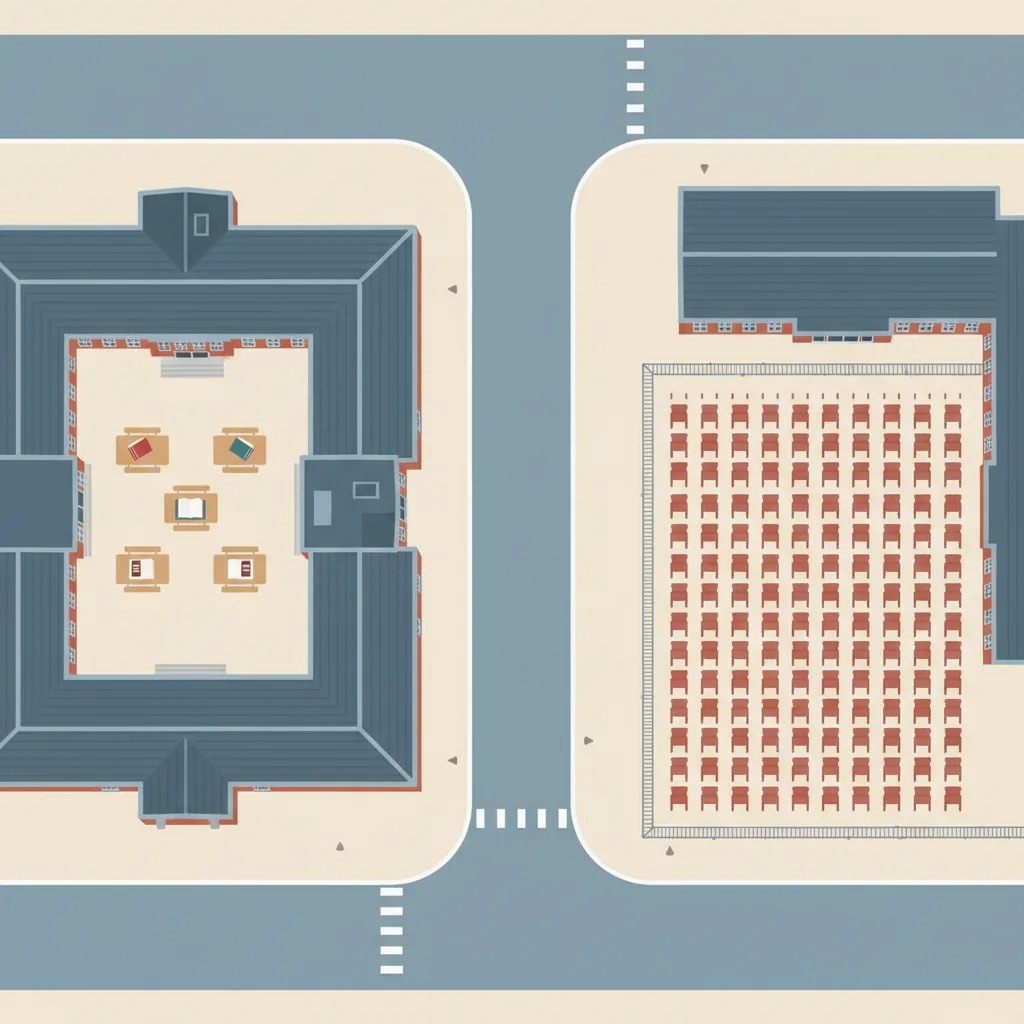
Дать ребёнку личный смартфон до 12 лет vs. подождать до подросткового возраста
Если вы действуете
Дать смартфон рано (до 12 лет)
39%
Если вы бездействуете
Подождать до подросткового возраста (12 лет и старше)
Прямого измерения нет
Хотя бы одно число является косвенной оценкой, а не измеренной долей сожалеющих. Как получено каждое число, описано ниже.
Семья
Последнее обновление 2026-05-13
Качество доказательств 4.0/5
Оценка по восьми измерениям согласно
рубрике качества
. Каждое измерение оценивается от 1 до 5.
D1 Проверка источников
4/5
D2 Авторитетность и независимость источника
4/5
D3 Точность уровня сожаления
2/5
D4 Сопоставимость источников
3/5
D5 Шаблон Гиловича
5/5
D6 Качество текста
5/5
D7 Полнота оговорок
5/5
D8 Качество выборки
4/5
Среднее4.0/5
Косвенные данные: по этому решению хотя бы один показатель получен из косвенной меры, такой как последствия, удовлетворённость или намерение, либо из редакционной оценки, а не из прямого опроса о сожалении. В примечаниях к каждой стороне ниже описано, как получен показатель.
Если вы действуете
Дать смартфон рано (до 12 лет)
39%
39% родителей, давших ребёнку смартфон, жалеют об этом
Американские родители от 18 лет с хотя бы одним ребёнком до 18, уже давшие ребёнку смартфон, общенационально репрезентативная онлайн-панель
поперечно, февраль 2025
Если вы бездействуете
Подождать до подросткового возраста (12 лет и старше)
Прямого измерения нет
Ни один источник не приводит число для этой стороны, поэтому мы его не показываем.
Родители детей, получивших смартфон в 12 лет или позже; показатель — консервативный приближённый верхний предел, выведенный из вторичной характеризации опроса HMD 2024 и данных об установках Pew 2020 — прямого опроса сожаления откладывающих родителей не существует
поперечно, июль 2024; оценочное приближение
Число для каждого выбора (что именно измерено, указано на странице)
Дать смартфон рано (до 12 лет)Подождать до подросткового возраста (12 лет и старше)
39%Прямого измерения нет
Похожие решения
Семантически близкие решения — та же область, другие компромиссы.
39% of parents who gave their child a smartphone before adolescence wish they hadn’t, according to a Harris Poll of 1,013 US parents conducted in February 2025 — the largest directly comparable action-side measure available for this decision. The figure is higher for social media access: 54% of parents who allowed it express the same regret. A separate global survey by HMD and Perspectus Global (July 2024, n=10,092 across five countries) found that more than half of the parents surveyed worldwide said they regret exposing their child to a smartphone at such a young age, and a third of respondents cited negative effects and personality changes as the key reasons. In the same Harris Poll, nearly a quarter of smartphone-giving parents say, with hindsight, they gave the device too young.
The Harris Poll figure carries an important framing caveat: the question asked whether parents wish they hadn’t given a phone “but felt they had to give in because so many of their children’s friends already had one.” This conflates retrospective regret with socially coerced compliance. Parents who gave a phone willingly and remain satisfied do not appear in the 39%, but neither do parents who regret the decision independently of peer pressure effects. The rate captures a specific subset — those experiencing regret-under-social-pressure — rather than all-cause regret. The true magnitude of unprompted parental regret about this decision is not known from existing surveys, though the HMD global figure (54%) using different question wording lands in the same order of magnitude.
What the data does not capture well is the distinction between regretting the device itself and regretting the access that came with it. Parents who gave a basic calling-only phone face different decisions than parents who gave full internet access, but surveys do not distinguish these categories. Sapien Labs’ Global Mind Project dataset (n=27,969, published May 2023) documents that mental wellbeing among 18-24-year-olds consistently improves with a later age of first smartphone or tablet ownership, with a steeper improvement for females than for males — though that is an outcome measure, not a parental-regret measure. Pew’s 2020 survey found that 73% of US parents already believed under-12 smartphone ownership was inappropriate before these outcome findings became widely publicized; the Harris Poll’s post-”Anxious Generation” 2025 data suggests that normative consensus on delayed provision has, if anything, strengthened.
Источники: действие
Реестр утверждений
Каждое число ниже — это то, что сообщил источник, с дословной цитатой, на которую мы опирались, и тем, как мы пришли к нашей цифре. Нажмите на ссылку, чтобы проверить самостоятельно.
2/3 источников независимо дословно сверены с указанным источником
[1]The Harris Poll — What Parents Think About Their Kids' Social Media and Smartphone Usage
Проверено
↗ ещё 1 запись
Авторитетный справочник
39% of parents who had already given their child a smartphone said they wish they hadn't but felt they had to give in because so many of their children's friends already had one; 54% of parents who had allowed social media access said the same
Выдержка
“"39% of parents who had given their child a smartphone said they wish they hadn't but felt they had to give in because so many of their children's friends already had one. 54% of parents who had allowed access to social media said they wish they hadn't."
”
Данные источника:
2025-02-27
Дата обращения
2026-05-13
Проверка
Выдержка независимо повторно загружена и подтверждена слово в слово по указанному источнику в ходе нашей проверки достоверности.
Расчёт
Harris Poll, conducted February 21–27, 2025. N=1,013 US parents aged 18+ with at least one child under 18, nationally representative online panel. The 39% is a direct retrospective regret question among parents who had already given their child a smartphone. The question wording conflates regret with social-pressure rationalization ("wish they hadn't but felt they had to give in") — the true uncoerced regret rate may differ in either direction. Survey was commissioned in collaboration with social psychologist Jonathan Haidt, who publicly advocates delaying smartphones for children; this is a commissioning-party consideration, though Harris Poll is an independent polling organization. This is the most methodologically defensible nationally representative US figure for action-side parental regret about early smartphone provision.
[2]HMD / Perspectus Global — The Better Phone Project — Global Parental Survey
Новостная статья
More than half of the 10,000 parents surveyed in five countries (UK, US, India, Germany, Australia) said they regret exposing their child to a smartphone at such a young age; a third of respondents cited negative effects of the device and changes in personality as the key reasons
Выдержка
“"The worldwide survey of 10,000 parents in the UK, US, India, Germany and Australia found more than half of those questioned said they regret exposing their child to a smartphone at such a young age. A third of those who responded cited the negative effects of the device and changes in personality as the key reasons for this."
”
Данные источника:
2024-07-01
Дата обращения
2026-05-13
Расчёт
HMD/Perspectus Global survey, July 2024. N=10,092 parents across UK, US, India, Germany, and Australia. HMD manufactures the "Better Phone Project" kids' handset — this survey directly supports their product premise and cannot be classified above news_article due to commercial conflict of interest. The press release gives no exact figure, only "more than half", which is higher than Harris Poll's 39% US rate; the gap may reflect genuine cross- national variation, question-wording differences, or commercial framing effects. Included as corroborating evidence for scale of action-side regret; the primary rate uses Harris Poll.
[3]Sapien Labs — Age of First Smartphone/Tablet and Mental Wellbeing Outcomes
Проверено
Первичное исследование
Among 27,969 people aged 18-24 surveyed January-April 2023, mental wellbeing consistently improved with older age of first smartphone/tablet ownership, with a steeper improvement in females than males
Выдержка
“"Mental wellbeing consistently improved with older age of first ownership of a smartphone or tablet, with a steeper change in females."
”
Данные источника:
2023-05-15
Дата обращения
2026-07-03
Проверка
Выдержка независимо повторно загружена и подтверждена слово в слово по указанному источнику в ходе нашей проверки достоверности.
Расчёт
Sapien Labs Rapid Report, Global Mind Project MHQ data (n=27,969 18-24-year-olds, collected January-April 2023, published May 15, 2023). This is an outcome measure -- age of first device vs. adult mental wellbeing -- not a parental-regret measure. Included as context for why earlier smartphone provision draws more scrutiny, not as a source of either side's regret rate. The report has not undergone peer review in a journal, so it is classified as primary_study (Sapien Labs' own primary data collection) rather than peer_reviewed.
Источники: бездействие
Реестр утверждений
Каждое число ниже — это то, что сообщил источник, с дословной цитатой, на которую мы опирались, и тем, как мы пришли к нашей цифре. Нажмите на ссылку, чтобы проверить самостоятельно.
1/2 источников независимо дословно сверены с указанным источником
[1]The Harris Poll — What Parents Think About Their Kids' Social Media and Smartphone Usage
Проверено
↗ ещё 1 запись
Авторитетный справочник
Just 1% of parents said they wish they had given their child social media and smartphones earlier; by contrast, almost a third of parents whose children have social media, and nearly a quarter whose children have smartphones, say with hindsight they gave these things too young
Выдержка
“"Almost a third of parents whose children have access to social media, and nearly a quarter whose children have smartphones, say that with the benefit of hindsight, they gave them these things too young. By contrast, just 1% of parents said they wish they'd given their kids social media and smartphones earlier."
”
Данные источника:
2025-02-27
Дата обращения
2026-07-01
Проверка
Выдержка независимо повторно загружена и подтверждена слово в слово по указанному источнику в ходе нашей проверки достоверности.
Расчёт
Harris Poll, conducted February 21–27, 2025. N=1,013 US parents aged 18+ with at least one child under 18, nationally representative online panel; same survey as the action-side source. The "just 1% wish they'd given their kids social media and smartphones earlier" figure is a direct retrospective measure of inaction-side regret (parents who wish they had NOT delayed) — the closest available direct measure of regret about waiting. No inaction-side figure is shown: the wording ("earlier" is directional, not an explicit regret question) and parents who delayed but whose regret is unmeasured leave the survey's 1% short of a direct regret rate. Earlier versions of this entry misattributed the 1% figure to an HMD/Perspectus press release, which does not contain it; the figure originates with this Harris Poll.
[2]Pew Research Center — Parenting Children in the Age of Screens↗ ещё 1 запись
Первичное исследование
73% of US parents believe it is acceptable for a child to have their own smartphone only after age 12; just 22% think it is OK for a child under age 12 to have one
Выдержка
“"A majority of parents (73%) believe it is acceptable for children to have their own phone only after they have reached at least the age of 12. Some 45% say smartphone ownership is acceptable between the ages of 12 and 14, and 28% say it is acceptable between the ages of 15 and 17. Just 22% think it is OK for a child under the age of 12 to have one."
”
Данные источника:
2020-07-28
Дата обращения
2026-05-13
Расчёт
Pew Research Center, March 2020. N=3,640 US parents with children under 12. The 73% figure is a prospective attitude about appropriate timing — not a retrospective regret question — but provides strong indirect evidence that regret about waiting is very rare: parents who hold the dominant view that under-12 smartphone ownership is inappropriate are unlikely to subsequently regret having acted on that view. Used as indirect supporting evidence for the low inaction- side proxy rate rather than as a direct regret measure.
Оговорки
The action-side rate (0.39, Harris Poll Feb 2025, n=1,013 US parents) is the strongest available figure for this decision, but carries an important framing caveat: the survey question conflates genuine regret with social-pressure rationalization by asking whether parents "wish they hadn't but felt they had to give in because so many of their children's friends already had one." This construction measures regret under perceived social coercion, not uncoerced retrospective regret. Parents who gave a phone willingly and are satisfied would not appear in this rate; parents who regret the decision for reasons unrelated to peer pressure also appear. The true isolated regret rate may be higher or lower. The HMD global result (more than half, n=10,092) is consistent in direction but lower quality due to commercial conflict of interest. Neither survey distinguishes regret about device timing specifically from regret about the volume of use that followed.
The inaction side has no direct measurement; it rests on a proxy, not a dedicated survey of delaying parents. No survey directly asked parents who withheld a smartphone until adolescence whether they regret the delay.
A critical population distinction: these surveys measure parental regret about giving a smartphone, not parental regret about giving a phone-without- internet-access (a category that did not exist at survey time but is now commercially available). A parent who gave a basic phone with calling/texting only would not be captured by these questions, and their regret profile may differ substantially. The Pew 2020 data (now five years old) predates widespread awareness of smartphone-related adolescent mental health research that became prominent after Haidt's "The Anxious Generation" (2024); current parental norms may have shifted further toward delayed provision.
The 2024 and 2025 surveys share a cultural moment dominated by post-pandemic smartphone awareness; longitudinal data on whether parental regret about early provision persists or fades as children age does not yet exist.