


Перейти к содержанию
Likelier

Сожаление о действии против бездействия

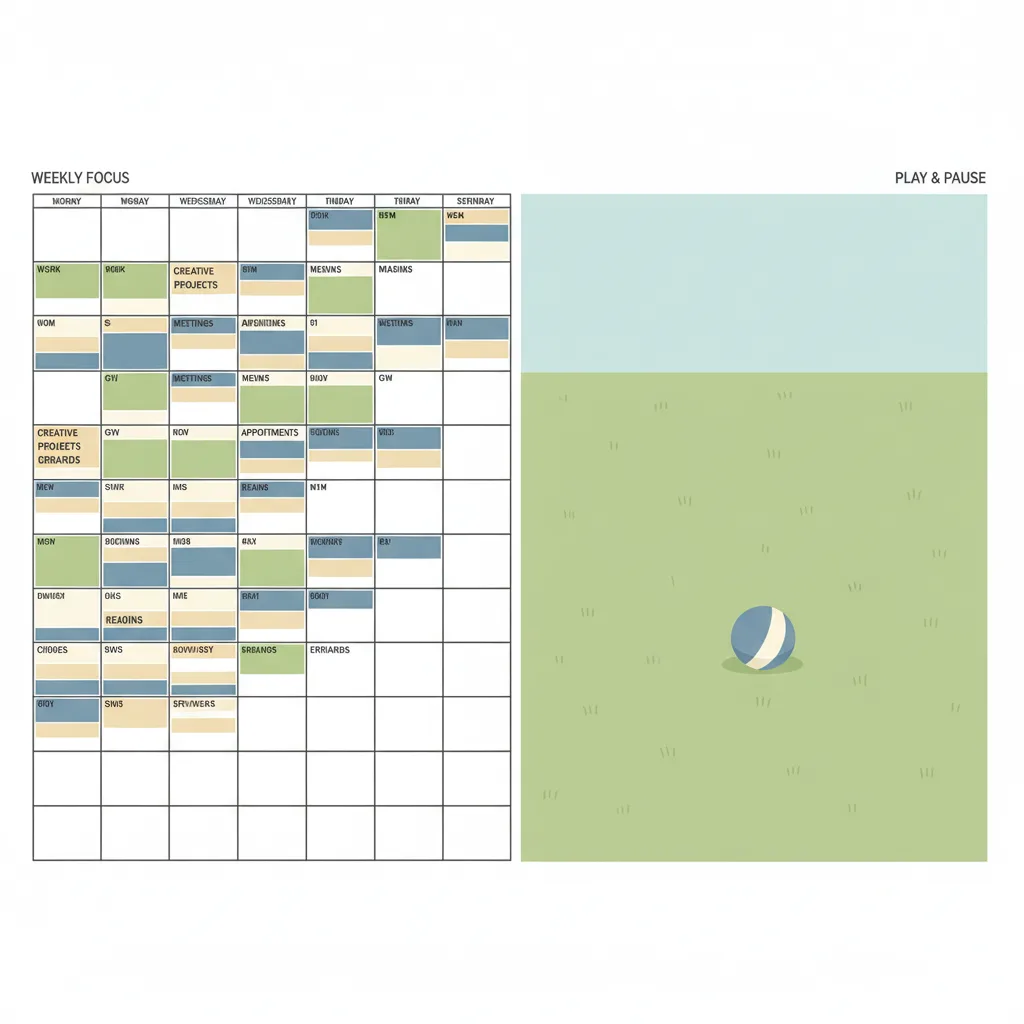
Записать детей на кружки и секции или дать свободно играть

Если вы действуете

Организованные занятия

57%

Если вы бездействуете

Свободная игра и неструктурированное время

22%

Доля тех, кто впоследствии жалеет о каждом выборе. Столбцы и полный реестр показаны ниже.


Семья

Последнее обновление 2026-04-26

Качество доказательств 4.0/5

Оценка по восьми измерениям согласно рубрике качества . Каждое измерение оценивается от 1 до 5.

D1 Проверка источников
5/5
D2 Авторитетность и независимость источника
5/5
D3 Точность уровня сожаления
2/5
D4 Сопоставимость источников
2/5
D5 Шаблон Гиловича
4/5
D6 Качество текста
5/5
D7 Полнота оговорок
5/5
D8 Качество выборки
4/5
Среднее 4.0/5
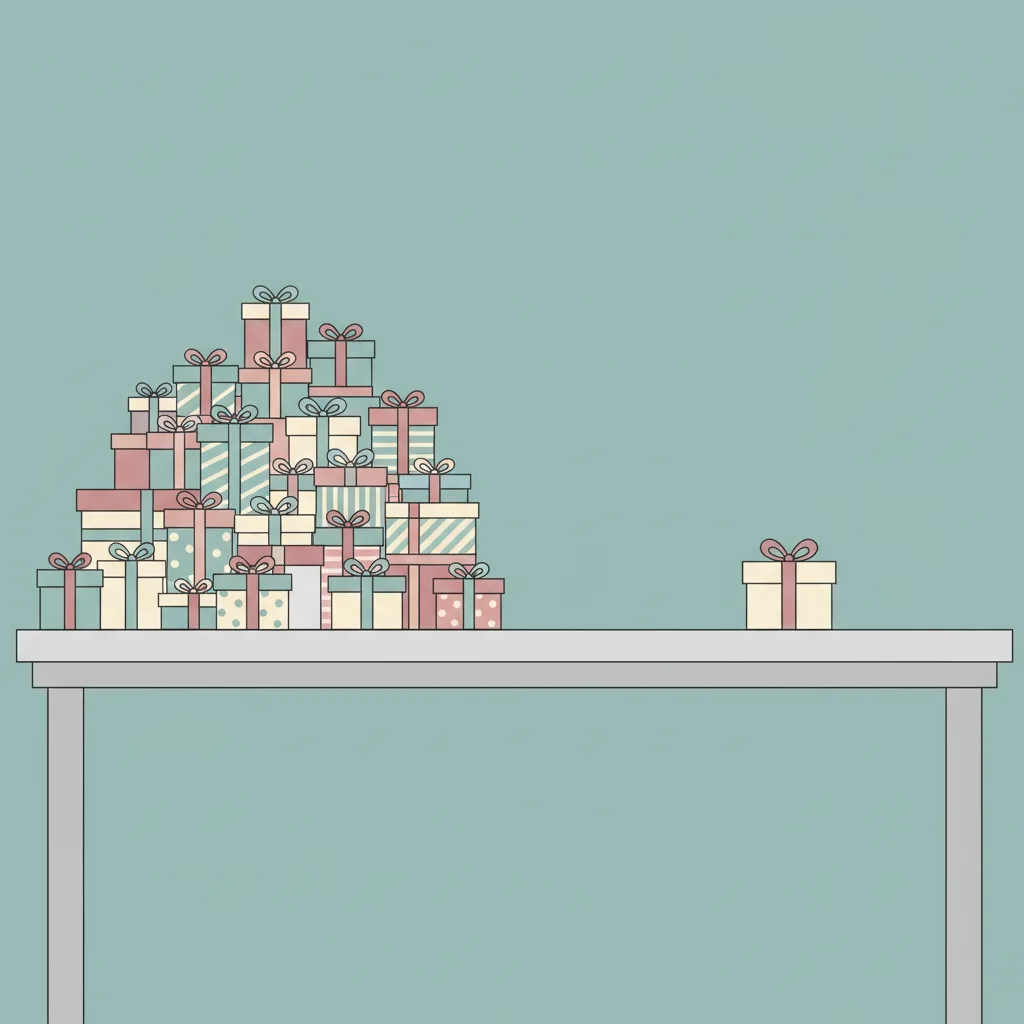
A weekly planner filled with activities next to an empty grass field with a single ball.

Сожаление о действии

Организованные занятия

57%

57% родителей сообщают о выгорании из-за давления чрезмерного планирования (приближение)

Американские родители, общенационально репрезентативная онлайн-панель

ретроспективно, опрос июнь–июль 2023

Сожаление о бездействии

Свободная игра и неструктурированное время

22%

~22% детей хотели бы меньше занятий / больше свободного времени (приближение)

Дети США 9–13 лет и их родители

поперечно, без фиксированного периода

% сожалеют об этом выборе

action dominates — Действие преобладает — большинство сожалеет, что действовали.

Похожие решения

Семантически близкие решения — та же область, другие компромиссы.

family

Свобода vs гиперопека

% сожалеют об этом выборе

Преобладает действие

Сожаление о действии в 2.3× выше

family

Позволить бросить против доделать

% сожалеют об этом выборе

Преобладает бездействие

Сожаление о бездействии в 2.3× выше

family

Спасать против дать разобраться

% сожалеют об этом выборе

Преобладает действие

Сожаление о действии в 1.2× выше

family

Частная или гос. школа

% сожалеют об этом выборе

Преобладает бездействие

Сожаление о бездействии в 3.2× выше

family

Дом или работа (родитель)

% сожалеют об этом выборе

Преобладает действие

Сожаление о действии в 1.3× выше

family

Дисциплина vs попустительство

% сожалеют об этом выборе

Преобладает бездействие

Сожаление о бездействии в 2.4× выше

family

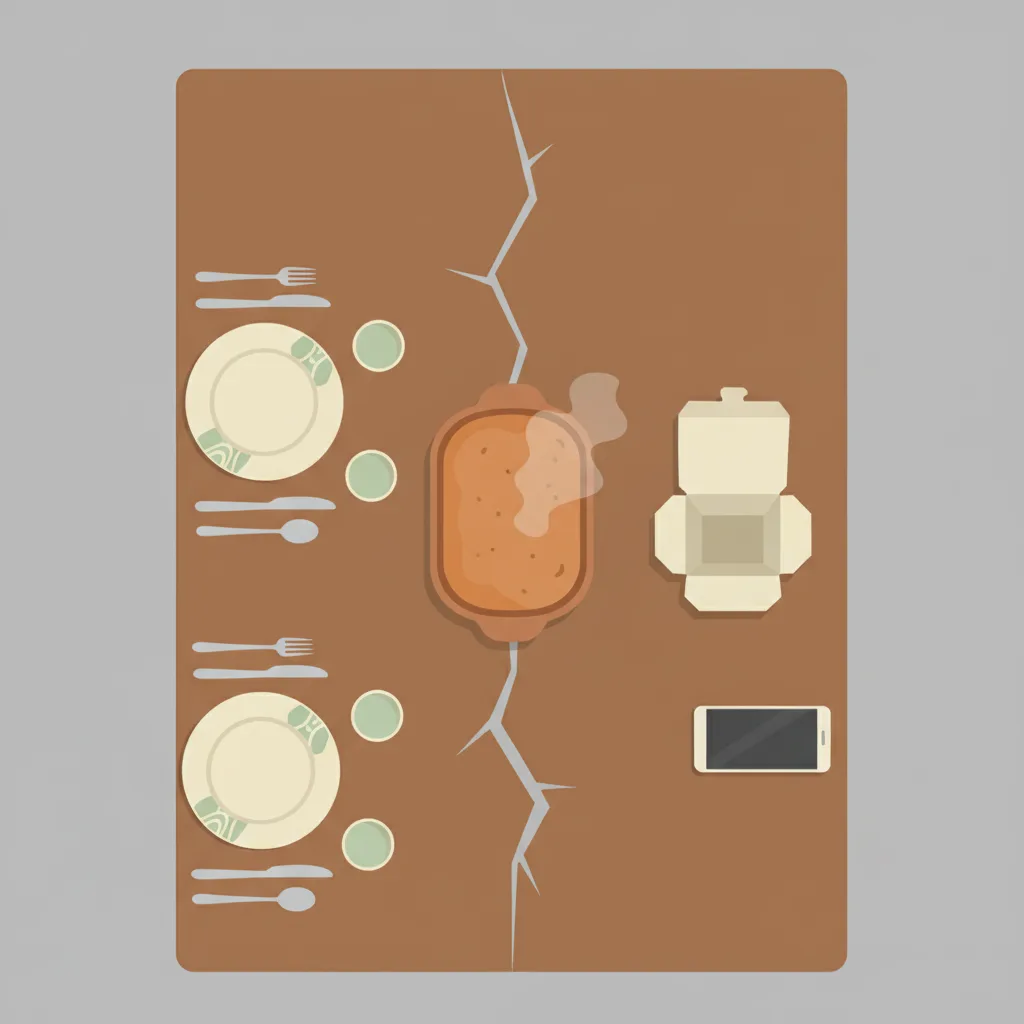
Семейные обеды

% сожалеют об этом выборе

Преобладает бездействие

Сожаление о бездействии в 6.9× выше

family

Баловать против сдержанности

% сожалеют об этом выборе

Преобладает действие

Сожаление о действии в 2.9× выше

An Ohio State study of more than 700 US parents found that 57% self-reported burnout, with the pressure to keep children enrolled in the right enrichment activities cited as a leading driver. The same study found that more free play time correlated with fewer mental health issues in children. On the academic side, Caetano, Caetano, and Nielsen (2024) showed in the Economics of Education Review that the marginal hour of structured enrichment yields zero cognitive benefit for high schoolers and actively harms non-cognitive outcomes like emotional regulation. The overscheduling treadmill appears to cost parents their wellbeing and children their resilience, with diminishing returns that turn negative well before most families notice.

The case for free play is real but narrower than its loudest advocates suggest. Gray et al. (2023) argued in The Journal of Pediatrics that decades of declining independent activity are a primary cause of rising childhood anxiety and depression — a plausible thesis, but one built on correlational evidence and no randomized trials. Meanwhile, Mahoney’s (2012) revisit of the overscheduling hypothesis found that fewer than one in ten US children are genuinely overscheduled, and that participation in organized activities up to 10-15 hours per week is almost universally associated with positive developmental outcomes. The popular image of the frazzled overscheduled child describes a real but statistically small group; most children in structured activities are benefiting from them.

The honest answer is that neither extreme maps cleanly onto regret research. No large-scale survey directly asks parents whether they regret overscheduling or under-enriching their children. The available proxies — parental burnout rates on one side, children’s own preference data on the other — are imperfect stand-ins flagged as such. The qualitative evidence (parents in Slate’s 2024 reporting who “pulled back” on packed schedules describe profound relief) supports the action-dominates direction, and Gilovich’s temporal framework would predict the same: action regrets (pushing too hard) feel more acute in the present, though inaction regrets (not enriching enough) may surface later. The safest reading is that moderate structured activity with ample unstructured time is the low-regret path, and that the real risk lies at both tails.

Источники: действие

Реестр утверждений

Каждое число ниже — это то, что сообщил источник, с дословной цитатой, на которую мы опирались, и тем, как мы пришли к нашей цифре. Нажмите на ссылку, чтобы проверить самостоятельно.

1/2 источников независимо дословно сверены с указанным источником

  1. [1] Ohio State University College of Nursing — Study: Pressure to be 'perfect' causing burnout for parents, mental health concerns for their children Проверено
    Study: Pressure to be 'perfect' causing burnout for parents, mental health concerns for their children
    Статистика
    57% of parents self-reported burnout; pressure to provide enrichment activities was a leading contributor; more free play time correlated with fewer child mental health issues
    Выдержка
    “"Fifty-seven percent of parents self-reported burnout. The pressure to be a 'perfect parent' — ensuring children are enrolled in the right activities, maintaining packed schedules — was identified as a leading contributor to parental stress and burnout. The more free play time that parents spend with their children and the lighter the load of structured extracurricular activities, the fewer mental health issues children experience." ”
    Данные источника:
    2024-05-08
    Дата обращения
    2026-04-26
    Проверка
    Выдержка независимо повторно загружена и подтверждена слово в слово по указанному источнику в ходе нашей проверки достоверности.
    Расчёт
    Ohio State survey of 730+ US parents (June–July 2023). The 57% burnout rate captures parents who self-identified as burned out, with overscheduling of enrichment activities cited as a primary driver. The study also found that lighter activity loads correlated with better child mental health outcomes. We use 57% as the action-regret proxy because burnout from structured-activity pressure is the dominant parental complaint on the action side. This is a burnout rate, not a regret rate — flagged as "(proxy)".
  2. [2] Economics of Education Review (Caetano, Caetano & Nielsen 2024) — Are children spending too much time on enrichment activities?
    Are children spending too much time on enrichment activities?
    Статистика
    The marginal hour of enrichment activities has zero cognitive benefit and negative non-cognitive effects for high schoolers
    Выдержка
    “"We found that the effect of those additional activities on cognitive skills, that last hour, is basically zero. More surprising is that the last hour doing these activities is contributing negatively to the child's non-cognitive skills, making students more anxious, depressed or angry." ”
    Данные источника:
    2024-02-01
    Дата обращения
    2026-04-26
    Расчёт
    Caetano, Caetano & Nielsen (2024) used time-use data to estimate marginal returns of enrichment hours. Finding that the marginal hour harms non-cognitive outcomes supports the action-regret framing: parents who push one more activity are buying zero academic gain and measurable psychosocial cost.

Источники: бездействие

Реестр утверждений

Каждое число ниже — это то, что сообщил источник, с дословной цитатой, на которую мы опирались, и тем, как мы пришли к нашей цифре. Нажмите на ссылку, чтобы проверить самостоятельно.

  1. [1] Journal of Research on Adolescence (Mahoney 2012) — The Over-Scheduling Hypothesis Revisited: Intensity of Organized Activity Participation During Adolescence and Young Adult Outcomes
    The Over-Scheduling Hypothesis Revisited: Intensity of Organized Activity Participation During Adolescence and Young Adult Outcomes
    Статистика
    Less than 1 in 10 children could be described as overscheduled; participation up to 10–15 hours/week was almost always associated with positive outcomes
    Выдержка
    “"Contrary to popular belief, recent research rejects the notion that most or even many children and youth are over-scheduled and are suffering as a result. In fact, less than one in ten could be described as over-scheduled. Participation up to ten hours per week was almost always positive." ”
    Данные источника:
    2012-09-01
    Дата обращения
    2026-04-26
    Расчёт
    Mahoney (2012) revisited the overscheduling hypothesis using nationally representative US data. The finding that <10% of children are genuinely overscheduled implies that most families choosing free play over structured activities are not rescuing an overscheduled child. However, survey data from KidsHealth (cited in multiple parenting sources) found that 78% of children ages 9-13 wished for more free time. We invert conservatively: ~22% of children do NOT wish for more free time, implying they are content with or want more structure. This 22% is used as the inaction-regret proxy — the share of families where children might benefit from more organized activities.
  2. [2] The Journal of Pediatrics (Gray et al. 2023) — Decline in Independent Activity as a Cause of Decline in Children's Mental Well-being: Summary of the Evidence
    Decline in Independent Activity as a Cause of Decline in Children's Mental Well-being: Summary of the Evidence

    See all 2 Likelier entries citing this source →

    Статистика
    Decades-long decline in children's independent activity is proposed as a primary cause of rising anxiety and depression
    Выдержка
    “"A primary cause of the rise in mental disorders is a decline over decades in opportunities for children and teens to play, roam, and engage in other activities independent of direct oversight and control by adults." ”
    Данные источника:
    2023-02-01
    Дата обращения
    2026-04-26
    Расчёт
    Gray et al. (2023) review in The Journal of Pediatrics. This paper supports the inaction side's legitimacy — free play has real mental-health value — but does not provide a regret rate. It contextualizes why some parents might regret choosing only structured activities at the expense of unstructured time.

Оговорки

Neither figure is a direct regret measurement — both are flagged as "(proxy)" in regret_display. The action-side 57% is a parental burnout rate (Ohio State 2024), not a regret rate about the child's outcomes; it captures the parent's experience of the scheduling treadmill, not whether they believe the activities harmed their child. The inaction-side ~22% is derived from children's own preferences (those who do not wish for more free time), used as a rough proxy for families that might benefit from more structure. No large-scale survey directly asks parents "do you regret overscheduling your child?" or "do you regret not enrolling your child in more activities?" The Caetano et al. (2024) finding of zero marginal cognitive benefit applies specifically to high schoolers and may not generalize to younger children. Gray et al. (2023) argue for the value of free play but rely on correlational evidence; no RCT has compared structured-activity-heavy vs free-play-heavy childhoods. The action- dominates pattern is consistent with the qualitative literature (Slate 2024 reports parents who "pulled back" on activities describe relief), but the precise magnitude of the delta depends on which proxy one accepts for the inaction side.

Исходные данные: /api/decisions.json

Недавно просмотрено на этом устройстве