




Bỏ qua đến nội dung
Likelier

Hối tiếc khi hành động vs. không hành động

Xăm hình so với không xăm

Nếu bạn hành động

Xăm hình

24%

Nếu bạn không hành động

Không xăm hình

15%

Tỷ lệ phần trăm người sau này hối tiếc về mỗi lựa chọn. Biểu đồ thanh và bản ghi đầy đủ hiển thị bên dưới.


Lối sống

Xem xét lần cuối 2026-04-26

Chất lượng bằng chứng 4.38/5

Điểm đánh giá tám chiều theo tiêu chí chất lượng . Mỗi chiều được chấm từ 1–5.

D1 Xác minh nguồn
5/5
D2 Uy tín và tính độc lập của nguồn
5/5
D3 Độ chính xác của tỷ lệ hối tiếc
3/5
D4 Khả năng so sánh nguồn
3/5
D5 Mẫu hình Gilovich
4/5
D6 Chất lượng văn bản
5/5
D7 Tính đầy đủ của lưu ý
5/5
D8 Chất lượng mẫu
5/5
Trung bình 4.38/5
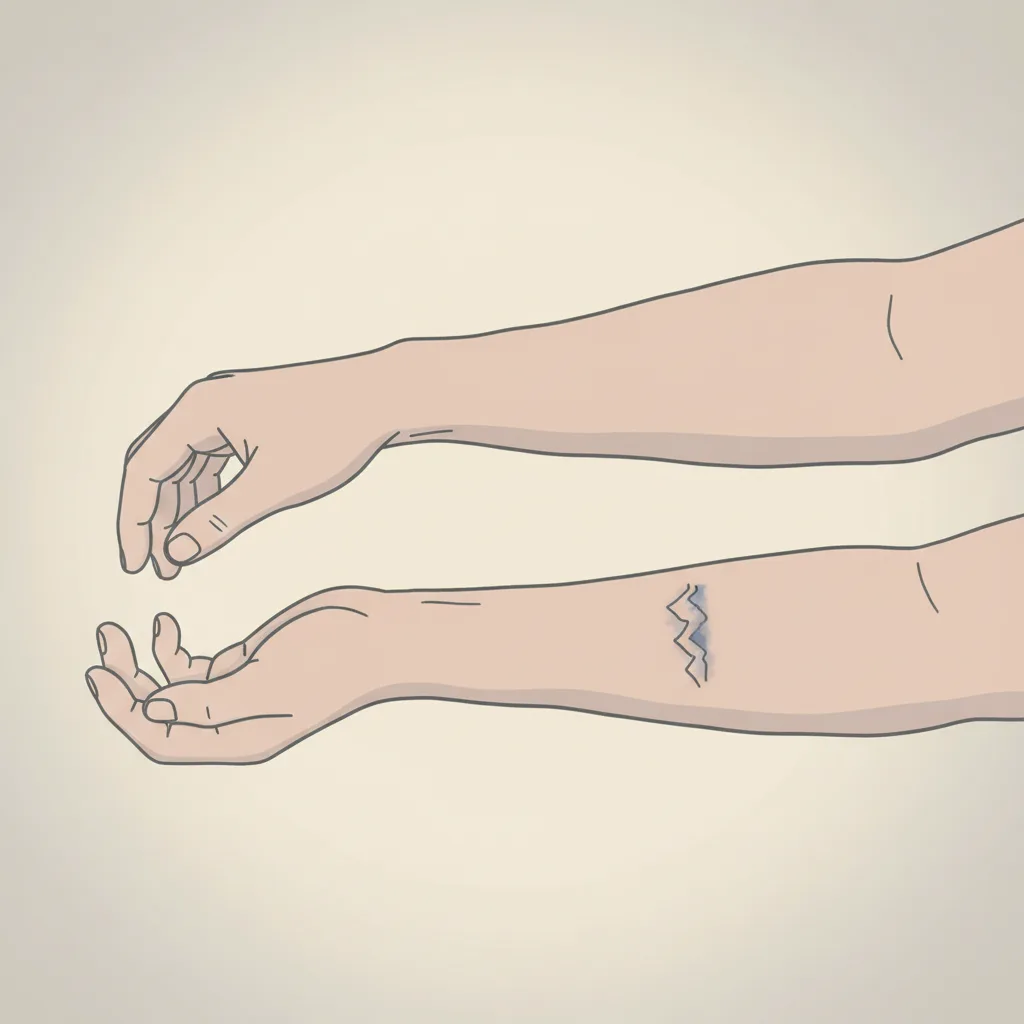
A bare forearm beside an identical forearm with a small faded tattoo, both resting on a neutral surface.

Hối hận vì hành động

Xăm hình

24%

24% hối tiếc về ít nhất một hình xăm

Người trưởng thành Mỹ có hình xăm, đại diện toàn quốc

hồi cứu, không có khung thời gian cố định

Hối hận vì không hành động

Không xăm hình

15%

15% người trưởng thành không xăm nói họ có khả năng xăm một hình (proxy -- xem cảnh báo)

Người trưởng thành Mỹ không có hình xăm

hồi cứu, không có khung thời gian cố định

% hối tiếc về lựa chọn này

action dominates — Hành động chiếm ưu thế — hầu hết hối tiếc vì đã hành động.

Quyết định liên quan

Các quyết định tương tự về mặt ngữ nghĩa — cùng lĩnh vực, đánh đổi khác nhau.

Sức khỏe

Xỏ khuyên cơ thể

% hối tiếc về lựa chọn này

Hành động chiếm ưu thế

Hối tiếc vì hành động cao hơn 4.0×

lifestyle

Ăn chay

% hối tiếc về lựa chọn này

Hành động chiếm ưu thế

Hối tiếc vì hành động cao hơn 3.8×

lifestyle

Dùng AI cho quyết định

% hối tiếc về lựa chọn này

Cân bằng

Gần như cân bằng

Sức khỏe

Cấy ghép tóc

% hối tiếc về lựa chọn này

Không hành động chiếm ưu thế

Hối tiếc vì không hành động cao hơn 5.0×

lifestyle

Thành phố vs ngoại ô

% hối tiếc về lựa chọn này

Hành động chiếm ưu thế

Hối tiếc vì hành động cao hơn 1.2×

Sức khỏe

Trị liệu hay không

% hối tiếc về lựa chọn này

Cân bằng

Gần như cân bằng

Sức khỏe

Nâng ngực

% hối tiếc về lựa chọn này

Cân bằng

Gần như cân bằng

Sức khỏe

Phẫu thuật thẩm mỹ

% hối tiếc về lựa chọn này

Cân bằng

Gần như cân bằng

About 24% of tattooed Americans say they regret at least one tattoo, according to a 2023 Pew Research Center survey of 8,480 adults — a figure corroborated by a peer-reviewed Cureus study that found an 18.2% regret rate among 1,072 tattooed participants using census-matched sampling. On the inaction side, 85% of non-tattooed adults say they are unlikely to ever get a tattoo, leaving roughly 15% who express some intent — a proxy for latent desire, though not a direct regret measure. The resulting pattern makes tattoos one of the clearest action-dominates entries in the dataset: a permanent, visible, body-altering decision where the thing you did haunts more than the thing you did not.

The psychology is straightforward and cuts against the usual Gilovich finding. Most regretted life decisions involve inaction — the degree not pursued, the relationship not attempted — because inactions leave an open counterfactual that the mind inflates over time. Tattoos close the counterfactual: the ink is there, on the skin, every day. There is no ambiguity about the outcome. The Cureus study found that getting a tattoo while impaired, choosing a head or neck location, and experiencing an adverse event (infection, prolonged itching, or swelling) were all significant predictors of regret. Age also matters: older age was protective (odds ratio 0.93 per year in the same study), so getting a first tattoo younger predicts higher lifetime regret.

The main caveat is measurement asymmetry. The action side benefits from a clean, direct question; the inaction side relies on a future-intent proxy because no major survey asks non-tattooed adults whether they actively regret not having a tattoo. The 15% figure almost certainly overstates inaction regret, since “I might get one someday” is weaker than “I wish I had done it.” Cognitive dissonance also cuts both ways: tattooed people may underreport regret to protect self-image, while non-tattooed people may suppress desire to justify their choice. The directional finding — that tattoo regret runs action-heavy — is robust across multiple studies and consistent with the irreversibility mechanism; the precise 24-to-15 ratio should be read as approximate.

Nguồn: hành động

Sổ cái xác nhận

Mỗi con số dưới đây là những gì mỗi nguồn đã báo cáo, cùng với trích dẫn nguyên văn mà chúng tôi dựa vào và cách chúng tôi đưa ra con số của mình. Nhấp vào bất kỳ liên kết nào để xác minh trực tiếp.

2/2 nguồn được xác minh độc lập đúng từng chữ so với nguồn được trích dẫn

  1. [1] Pew Research Center — 32% of Americans have a tattoo, including 22% who have more than one Đã xác minh
    32% of Americans have a tattoo, including 22% who have more than one
    Thống kê
    About a quarter (24%) of tattooed Americans say they ever regret getting one or more of their tattoos
    Trích đoạn
    “"About a quarter (24%) of tattooed Americans say they ever regret getting one or more of their tattoos. Among those with tattoos, younger adults are more likely than older adults to say they have regretted getting a tattoo." ”
    Dữ liệu nguồn từ
    2023-08-15
    Truy cập
    2026-04-26
    Xác minh
    Trích đoạn đã được tải lại độc lập và xác nhận đúng từng chữ so với nguồn được trích dẫn trong quá trình kiểm định căn cứ của chúng tôi.
    Tính toán
    Pew Research Center American Trends Panel survey of 8,480 US adults conducted July 10-16, 2023. The 24% figure is among the subset who report having at least one tattoo (32% of all respondents). Used directly as the action-regret rate.
  2. [2] Cureus (peer-reviewed) — Think Before You Ink: Perception, Prevalence, and Correlates of Tattooing and Tattoo Regret in US Adults Đã xác minh
    Think Before You Ink: Perception, Prevalence, and Correlates of Tattooing and Tattoo Regret in US Adults
    Thống kê
    18.2% of tattooed US adults reported regretting one or more of their tattoos
    Trích đoạn
    “"Of those with tattoos, 18.2% reported regretting one or more of their tattoos. The number of comorbid conditions, time with a tattoo, being impaired when getting the tattoo, having a tattoo on the head or neck, and experiencing a tattoo-related adverse event were predictive of having tattoo regret." ”
    Dữ liệu nguồn từ
    2023-11-02
    Truy cập
    2026-04-26
    Xác minh
    Trích đoạn đã được tải lại độc lập và xác nhận đúng từng chữ so với nguồn được trích dẫn trong quá trình kiểm định căn cứ của chúng tôi.
    Tính toán
    Cross-sectional study of 3,033 US adults recruited using a random stratified sampling framework similar to the US Census. 35.3% (1,072) reported having a tattoo. The 18.2% regret rate among tattooed respondents is lower than the Pew figure (24%), possibly due to stricter sampling. We use the Pew 24% as the primary action-side rate given its larger sample and the ATP's established representativeness methodology.

Nguồn: không hành động

Sổ cái xác nhận

Mỗi con số dưới đây là những gì mỗi nguồn đã báo cáo, cùng với trích dẫn nguyên văn mà chúng tôi dựa vào và cách chúng tôi đưa ra con số của mình. Nhấp vào bất kỳ liên kết nào để xác minh trực tiếp.

1/2 nguồn được xác minh độc lập đúng từng chữ so với nguồn được trích dẫn

  1. [1] Pew Research Center — 32% of Americans have a tattoo, including 22% who have more than one Đã xác minh
    32% of Americans have a tattoo, including 22% who have more than one
    Thống kê
    15% of non-tattooed Americans say they are somewhat, very, or extremely likely to get a tattoo in the future
    Trích đoạn
    “"The vast majority (85%) of Americans who don't have a tattoo say they are not too or not at all likely to get one in the future. Among those under 30 without a tattoo, 19% say they are extremely or very likely to get one." ”
    Dữ liệu nguồn từ
    2023-08-15
    Truy cập
    2026-04-26
    Xác minh
    Trích đoạn đã được tải lại độc lập và xác nhận đúng từng chữ so với nguồn được trích dẫn trong quá trình kiểm định căn cứ của chúng tôi.
    Tính toán
    Same Pew ATP survey (n=8,480). Among the 68% of respondents without a tattoo, 6% said extremely/very likely and 9% said somewhat likely to get one in the future, totaling 15%. This is a desire-intent measure, not a direct regret measure — see caveats. Used as the inaction-side proxy because no large-sample survey directly asks non-tattooed adults whether they regret not having a tattoo.
  2. [2] YouGov — Americans have become more favorable toward tattoos in the past decade
    Americans have become more favorable toward tattoos in the past decade
    Thống kê
    24% of Americans currently have a tattoo; attitudes toward tattoos have become significantly more favorable over the past decade
    Trích đoạn
    “"Americans have become more favorable toward tattoos in the past decade. 24% of Americans say they currently have a tattoo. Women (30%) are more likely than men (19%) to say they currently have a tattoo." ”
    Dữ liệu nguồn từ
    2025-03-14
    Truy cập
    2026-04-26
    Tính toán
    YouGov survey documenting that 24% of Americans currently have a tattoo and that attitudes have grown more favorable over the past decade. The article reports no regret figure; the growing social acceptance of tattoos suggests that inaction regret may be rising over time as tattoos become more normative, but no direct inaction-regret figure is available.

Lưu ý

The action and inaction measures are not symmetrical. The 24% action-regret rate is a direct regret question ("Do you ever regret getting a tattoo?"), while the 15% inaction figure is a future-intent proxy ("How likely are you to get a tattoo?"), not a retrospective regret question. No large-sample survey directly asks non-tattooed adults whether they regret not getting ink. The true inaction-regret rate is likely lower than 15%, since wanting something is not the same as regretting its absence. A peer-reviewed Cureus study found a lower action-regret rate of 18.2%, which would narrow the delta further. Tattoos are a rare counterexample to Gilovich and Medvec's typical inaction-dominance pattern: the irreversibility and visibility of the decision sustain action regret in a way that a forgone vacation or unattempted career move does not. Cognitive dissonance may also suppress reported regret among the tattooed — people are motivated to rationalize permanent choices — meaning the true action-regret rate could be higher than surveys capture. Survey data are drawn exclusively from United States samples; satisfaction and regret rates in countries with different social norms around body modification and tattoo acceptance may differ substantially.

Dữ liệu thô: /api/decisions.json

Đã xem gần đây trên thiết bị này