






Bỏ qua đến nội dung
Likelier

Hối tiếc khi hành động vs. không hành động

Nuôi con bằng sữa mẹ so với sữa công thức

Nếu bạn hành động

Cho con bú sữa mẹ

15%

Nếu bạn không hành động

Cho con bú sữa công thức

67%

Tỷ lệ phần trăm người sau này hối tiếc về mỗi lựa chọn. Biểu đồ thanh và bản ghi đầy đủ hiển thị bên dưới.


Gia đình

Xem xét lần cuối 2026-04-26

Chất lượng bằng chứng 4.38/5

Điểm đánh giá tám chiều theo tiêu chí chất lượng . Mỗi chiều được chấm từ 1–5.

D1 Xác minh nguồn
5/5
D2 Uy tín và tính độc lập của nguồn
5/5
D3 Độ chính xác của tỷ lệ hối tiếc
2/5
D4 Khả năng so sánh nguồn
4/5
D5 Mẫu hình Gilovich
5/5
D6 Chất lượng văn bản
5/5
D7 Tính đầy đủ của lưu ý
5/5
D8 Chất lượng mẫu
4/5
Trung bình 4.38/5
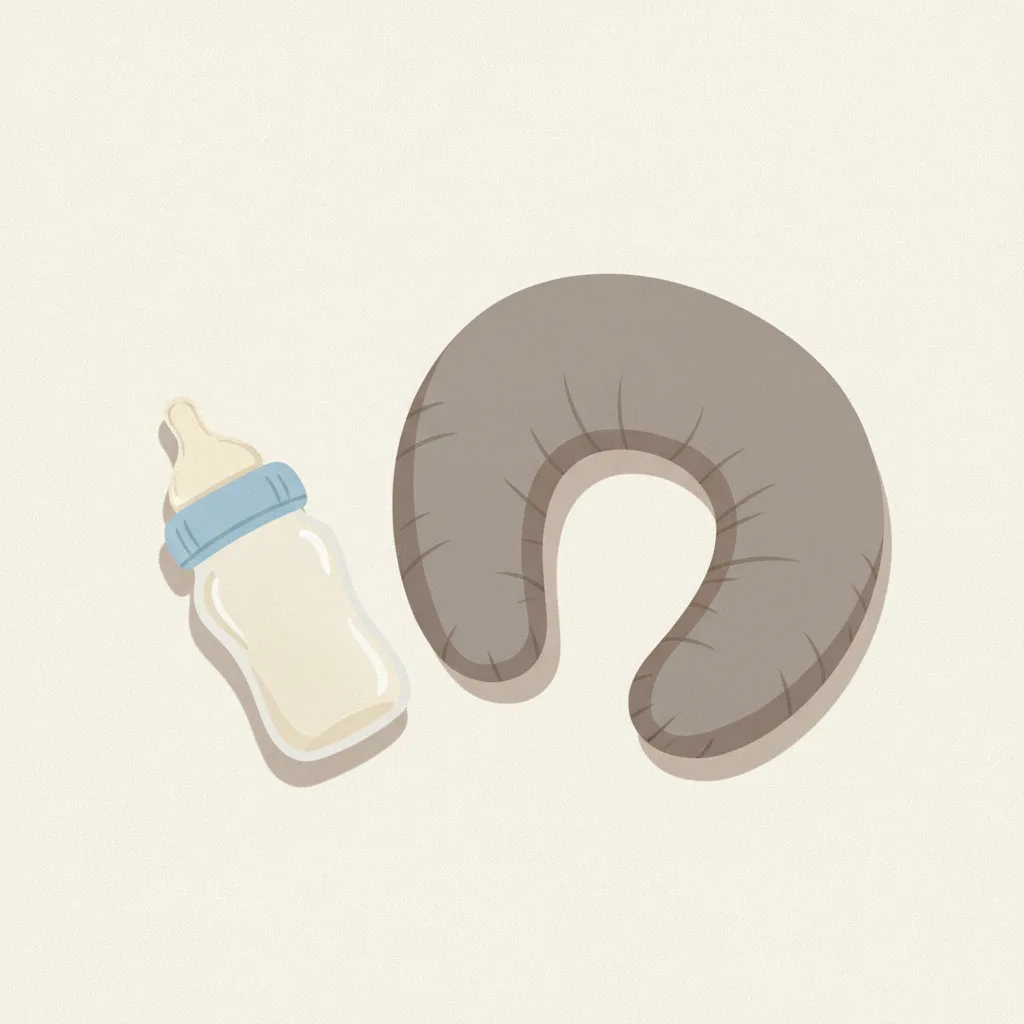
A baby bottle and a nursing pillow resting side by side on a neutral surface.

Hối hận vì hành động

Cho con bú sữa mẹ

15%

15% bà mẹ cho con bú báo cáo cảm giác tội lỗi về phương pháp cho ăn (proxy tội lỗi)

Bà mẹ có con ≤26 tuần đã bắt đầu cho con bú, tuyển dụng qua mạng xã hội (quốc tế, đa số ở Anh)

hồi cứu, con dưới 26 tuần tuổi

Hối hận vì không hành động

Cho con bú sữa công thức

67%

67% bà mẹ cho con bú sữa công thức báo cáo cảm giác tội lỗi về phương pháp cho ăn (proxy tội lỗi)

Bà mẹ có con ≤26 tuần hiện đang cho ăn sữa công thức ở bất kỳ lượng nào, tuyển dụng qua mạng xã hội (quốc tế, đa số ở Anh)

hồi cứu, con dưới 26 tuần tuổi

% hối tiếc về lựa chọn này

inaction dominates — Không hành động chiếm ưu thế — hầu hết hối tiếc vì đã không hành động.

Quyết định liên quan

Các quyết định tương tự về mặt ngữ nghĩa — cùng lĩnh vực, đánh đổi khác nhau.

family

Ở nhà vs đi làm

% hối tiếc về lựa chọn này

Hành động chiếm ưu thế

Hối tiếc vì hành động cao hơn 1.3×

family

Có con

% hối tiếc về lựa chọn này

Cân bằng

Gần như cân bằng

family

Nhận nuôi vs tự nuôi dưỡng

% hối tiếc về lựa chọn này

Hành động chiếm ưu thế

Hối tiếc vì hành động cao hơn 4.8×

family

Làm cha mẹ sớm vs muộn

% hối tiếc về lựa chọn này

Không hành động chiếm ưu thế

Hối tiếc vì không hành động cao hơn 1.7×

family

Phương thức sinh con

% hối tiếc về lựa chọn này

Hành động chiếm ưu thế

Hối tiếc vì hành động cao hơn 2.7×

family

Trường tư vs trường công

% hối tiếc về lựa chọn này

Không hành động chiếm ưu thế

Hối tiếc vì không hành động cao hơn 3.2×

family

Quy mô gia đình

% hối tiếc về lựa chọn này

Không hành động chiếm ưu thế

Hối tiếc vì không hành động cao hơn 2.6×

family

Hòa giải gia đình vs. kiện tụng

% hối tiếc về lựa chọn này

Không hành động chiếm ưu thế

Hối tiếc vì không hành động cao hơn 3.1×

67% of formula-feeding mothers report guilt about their feeding method, compared with only 15% of breastfeeding mothers — a 4.5:1 ratio that makes infant feeding one of the sharpest guilt asymmetries in parenting research. Both figures come from companion studies by Fallon et al. at the University of Liverpool, using identical methodology on comparable populations (845 breastfeeding and 601 formula-feeding mothers with infants under six months). A 2021 systematic review of 20 studies by Jackson et al. confirmed the directional finding: formula feeders consistently report more guilt than breastfeeders across multiple countries and study designs. Russell et al. (2021) independently replicated the pattern in two UK samples, finding that guilt — but not shame — was elevated among formula feeders and predicted shorter breastfeeding duration.

The asymmetry is partly an artifact of public health framing. Decades of “breast is best” messaging created a norm against which formula feeding registers as a deviation, and deviations attract guilt. Fallon’s data show that guilt among formula feeders is more internally motivated (30%) than externally imposed (12%), though most mothers (55%) experienced both — a pattern consistent with internalized stigma rather than direct shaming. Among breastfeeders, the smaller guilt load still spikes among mothers who supplement with formula, suggesting that any departure from exclusive breastfeeding triggers the same normative penalty.

The critical caveat is that these figures measure guilt, not classical retrospective regret. Guilt is a proximal emotional response (“I feel bad about this choice”) rather than a considered counterfactual judgment (“I wish I had chosen differently”). Mothers who chose formula from the outset report substantially less guilt than those who intended to breastfeed but could not sustain it. The 67% average conflates deliberate choosers with reluctant switchers, and the latter subgroup drives much of the guilt signal. This means the asymmetry is less about formula itself and more about unmet expectations — a distinction that matters for anyone trying to read these numbers as guidance rather than just measurement.

Nguồn: hành động

Sổ cái xác nhận

Mỗi con số dưới đây là những gì mỗi nguồn đã báo cáo, cùng với trích dẫn nguyên văn mà chúng tôi dựa vào và cách chúng tôi đưa ra con số của mình. Nhấp vào bất kỳ liên kết nào để xác minh trực tiếp.

1/2 nguồn được xác minh độc lập đúng từng chữ so với nguồn được trích dẫn

  1. [1] Maternal & Child Nutrition (Fallon et al.) — Differences in the emotional and practical experiences of exclusively breastfeeding and combination feeding mothers Đã xác minh
    Differences in the emotional and practical experiences of exclusively breastfeeding and combination feeding mothers
    Thống kê
    15% of breastfeeding mothers reported feeling guilty about their feeding method
    Trích đoạn
    “In the overall sample of breastfeeding mothers, 15% reported feeling guilty, 38% stigmatized, and 55% felt the need to defend their feeding choice. Negative emotional experiences did not occur as frequently as in formula feeders but were still present, particularly for those who supplemented breastfeeding with formula. ”
    Dữ liệu nguồn từ
    2016-10-03
    Truy cập
    2026-04-26
    Xác minh
    Trích đoạn đã được tải lại độc lập và xác nhận đúng từng chữ so với nguồn được trích dẫn trong quá trình kiểm định căn cứ của chúng tôi.
    Tính toán
    Fallon et al. (2016) surveyed 845 mothers with infants ≤26 weeks who had initiated breastfeeding. 15% of the total breastfeeding sample reported guilt. The study included both exclusively breastfeeding and combination-feeding mothers; guilt rates were higher among combination feeders. We use the overall 15% as the action-side rate.
  2. [2] Journal of Applied Social Psychology (Russell et al.) — Infant feeding and internalized stigma: The role of guilt and shame
    Infant feeding and internalized stigma: The role of guilt and shame
    Thống kê
    Women who breastfed and women who formula-fed experienced similar levels of shame; guilt uniquely predicted shorter exclusive breastfeeding duration
    Trích đoạn
    “Women who bottle-fed experienced more guilt, and guilt, but not shame, was related to whether women had the desire to carry on breastfeeding. Higher self-efficacy predicted lower internalized stigma of feeding choice. Women who breastfed and women who formula-fed experienced similar levels of shame. ”
    Dữ liệu nguồn từ
    2021-07-01
    Truy cập
    2026-04-26
    Tính toán
    Russell et al. (2021) Study 1 (N=160) and Study 2 (N=118) examined guilt and shame across feeding methods. Confirms that guilt is present but lower among breastfeeders than formula feeders, and that the guilt construct is distinct from regret. Independent of the Fallon et al. Liverpool team.

Nguồn: không hành động

Sổ cái xác nhận

Mỗi con số dưới đây là những gì mỗi nguồn đã báo cáo, cùng với trích dẫn nguyên văn mà chúng tôi dựa vào và cách chúng tôi đưa ra con số của mình. Nhấp vào bất kỳ liên kết nào để xác minh trực tiếp.

  1. [1] Maternal & Child Nutrition (Fallon et al.) — The emotional and practical experiences of formula-feeding mothers
    The emotional and practical experiences of formula-feeding mothers
    Thống kê
    67% of formula-feeding mothers reported feeling guilty about their feeding method; 68% felt stigmatized; 76% felt the need to defend their choice
    Trích đoạn
    “Of the 601 mothers, the majority experienced feelings of guilt (67%) about their choice of feeding method. Guilt was more likely to be internally motivated (30%) than stem from external sources (12%), although many experienced it from both channels (55%). Additionally, 68% felt stigmatized and 76% felt the need to defend their feeding choice. ”
    Dữ liệu nguồn từ
    2017-01-09
    Truy cập
    2026-04-26
    Tính toán
    Fallon et al. (2017) recruited 890 formula-feeding mothers via social media; 601 completed the full survey. 67% of completers reported guilt. This is the companion paper to the breastfeeding study (Fallon et al. 2016) using the same methodology, making the two rates directly comparable.
  2. [2] Maternal & Child Nutrition (Jackson et al.) — Guilt, shame, and postpartum infant feeding outcomes: A systematic review
    Guilt, shame, and postpartum infant feeding outcomes: A systematic review
    Thống kê
    Systematic review of 20 studies confirmed formula feeders experienced guilt more commonly than breastfeeding mothers
    Trích đoạn
    “Quantitative results demonstrated formula feeders experienced guilt more commonly than breastfeeding mothers. Both guilt and shame were associated with self-perception as a bad mother and poorer maternal mental health. Mothers who initiated exclusive breastfeeding but stopped were at much higher risk of experiencing guilt. ”
    Dữ liệu nguồn từ
    2021-05-01
    Truy cập
    2026-04-26
    Tính toán
    Jackson et al. (2021) systematic review of 20 studies (1997–2017). Confirms the directional finding that formula feeders experience guilt at higher rates than breastfeeders. Does not provide a single pooled estimate but corroborates the Fallon et al. figures.

Lưu ý

Both rates measure guilt, not regret per se — guilt is a related but distinct construct. The "(guilt proxy)" label in regret_display flags this explicitly. Both studies used convenience samples recruited via social media, skewing toward engaged, internet-active mothers in the UK and similar Western countries. The 67% formula-feeding figure likely captures guilt amplified by pro-breastfeeding public health messaging (the "breast is best" norm); in populations with weaker breastfeeding promotion, the gap would almost certainly narrow. Mothers who formula-fed by choice from the start reported less guilt than those who switched after failed breastfeeding attempts, so the 67% average obscures meaningful within-group variation. Russell et al. (2021) confirmed that guilt is more salient for formula feeders than breastfeeders across independent UK samples. The 4.5:1 ratio is directionally robust but should not be read as a universal constant.

Dữ liệu thô: /api/decisions.json

Đã xem gần đây trên thiết bị này