






Bỏ qua đến nội dung
Likelier

Hối tiếc khi hành động vs. không hành động

Ăn chay so với tiếp tục ăn thịt

Nếu bạn hành động

Ăn chay / thuần chay

84%

Nếu bạn không hành động

Tiếp tục ăn thịt

22%

Tỷ lệ phần trăm người sau này hối tiếc về mỗi lựa chọn. Biểu đồ thanh và bản ghi đầy đủ hiển thị bên dưới.


Lối sống

Xem xét lần cuối 2026-04-26

Chất lượng bằng chứng 4.0/5

Điểm đánh giá tám chiều theo tiêu chí chất lượng . Mỗi chiều được chấm từ 1–5.

D1 Xác minh nguồn
5/5
D2 Uy tín và tính độc lập của nguồn
4/5
D3 Độ chính xác của tỷ lệ hối tiếc
2/5
D4 Khả năng so sánh nguồn
3/5
D5 Mẫu hình Gilovich
3/5
D6 Chất lượng văn bản
5/5
D7 Tính đầy đủ của lưu ý
5/5
D8 Chất lượng mẫu
5/5
Trung bình 4.0/5
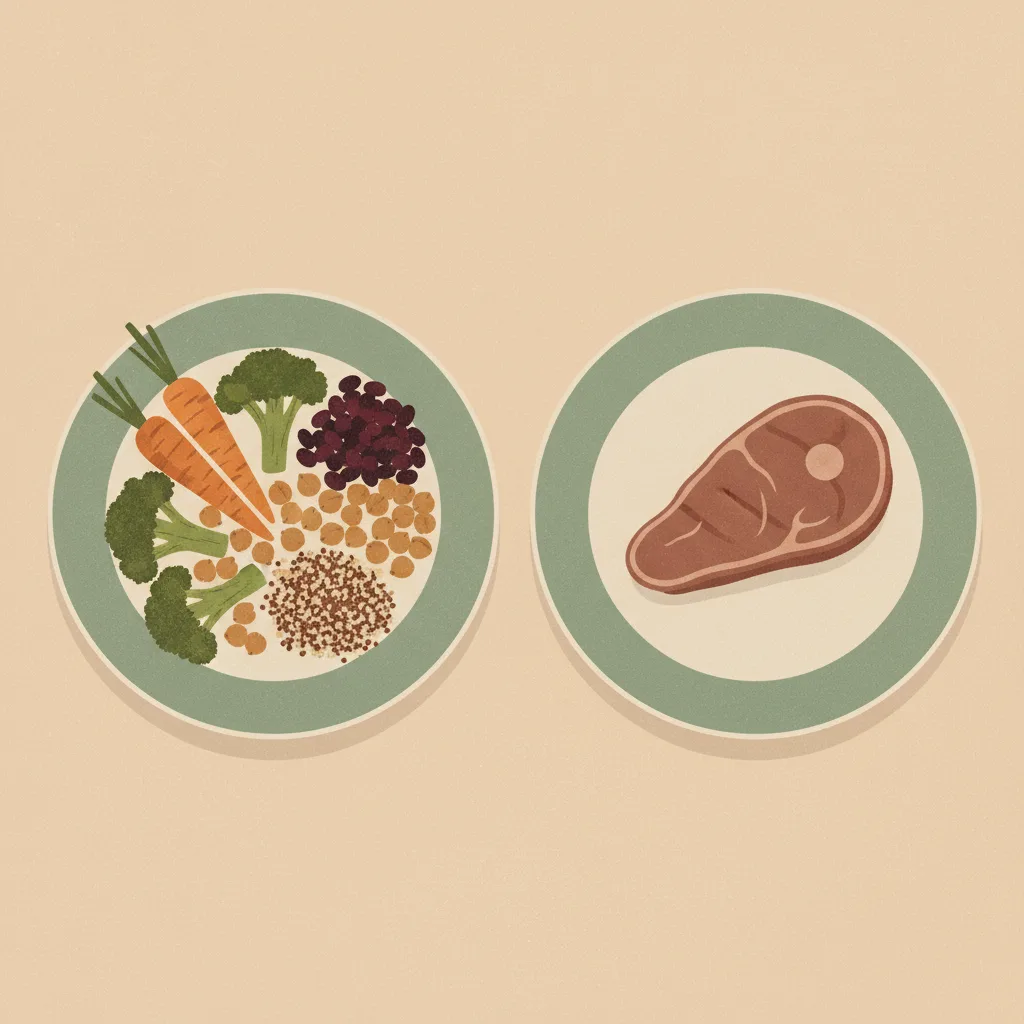
Two plates side by side, one with vegetables and legumes, the other with a cut of meat, both slightly faded.

Hối hận vì hành động

Ăn chay / thuần chay

84%

84% đã bỏ ăn chay (proxy bỏ — tỷ lệ từ bỏ, không phải hối tiếc trực tiếp)

Người trưởng thành Mỹ đã thử ăn chay hoặc thuần chay

hồi cứu, không có khung thời gian cố định

Hối hận vì không hành động

Tiếp tục ăn thịt

22%

22% cảm thấy có lỗi về việc ăn thịt mọi lúc (proxy tội lỗi — không phải hối tiếc trực tiếp)

Người trưởng thành Anh không thuần chay, đại diện toàn quốc

hồi cứu, không có khung thời gian cố định

% hối tiếc về lựa chọn này

action dominates — Hành động chiếm ưu thế — hầu hết hối tiếc vì đã hành động.

Quyết định liên quan

Các quyết định tương tự về mặt ngữ nghĩa — cùng lĩnh vực, đánh đổi khác nhau.

lifestyle

Giữ hay tìm nhà mới cho thú cưng

% hối tiếc về lựa chọn này

Không hành động chiếm ưu thế

Hối tiếc vì không hành động cao hơn 5.7×

lifestyle

Hình xăm

% hối tiếc về lựa chọn này

Hành động chiếm ưu thế

Hối tiếc vì hành động cao hơn 1.6×

Sức khỏe

Bỏ thuốc lá

% hối tiếc về lựa chọn này

Không hành động chiếm ưu thế

Hối tiếc vì không hành động cao hơn 90.0×

lifestyle

Nhịn ăn gián đoạn

% hối tiếc về lựa chọn này

Hành động chiếm ưu thế

Hối tiếc vì hành động cao hơn 2.9×

lifestyle

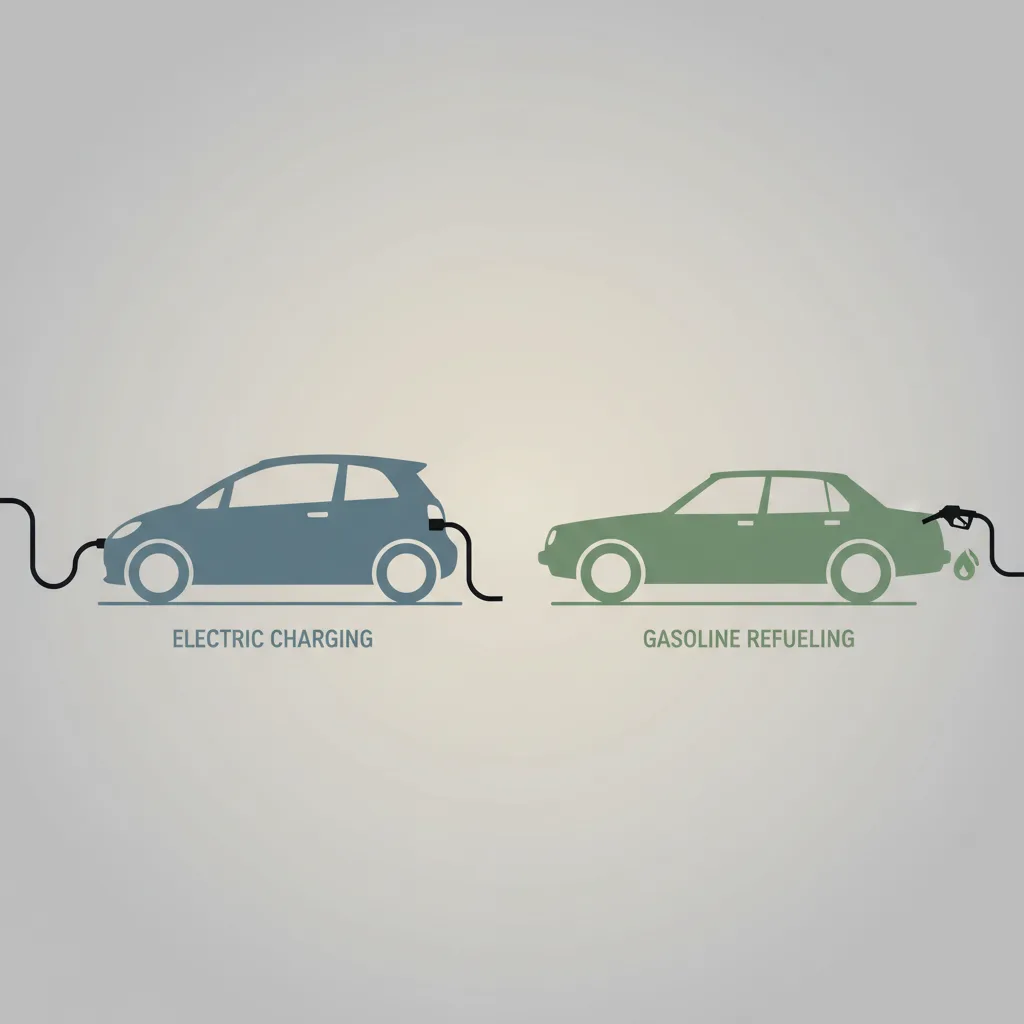
Xe điện vs xe xăng

% hối tiếc về lựa chọn này

Hành động chiếm ưu thế

Hối tiếc vì hành động cao hơn 2.9×

Sức khỏe

Xỏ khuyên cơ thể

% hối tiếc về lựa chọn này

Hành động chiếm ưu thế

Hối tiếc vì hành động cao hơn 4.0×

lifestyle

Rời bỏ tôn giáo

% hối tiếc về lựa chọn này

Không hành động chiếm ưu thế

Hối tiếc vì không hành động cao hơn 2.9×

Sức khỏe

Theo đuổi tuổi thọ so với chấp nhận lão hóa

% hối tiếc về lựa chọn này

Không hành động chiếm ưu thế

Hối tiếc vì không hành động cao hơn 1.5×

The largest study of vegetarian and vegan retention — Faunalytics’ 2014 survey of 11,399 US adults via Harris Interactive — found that 84% of people who adopted a vegetarian or vegan diet eventually returned to eating meat. That number is the action-side proxy shown above, used directly rather than the previously constructed composite. But lapse rate is not regret rate. Crucially, 37% of the lapsed expressed interest in re-adopting, meaning they do not regret the diet itself — they regret stopping it, or faced barriers they could not overcome. A Faunalytics obstacle analysis found that social isolation (84% were not part of any veg community), food access, and meal prep difficulty — not principled rejection of the diet — drove most lapses.

On the other side, a 2022 Vegan Society survey of 2,000 non-vegan UK adults found that 22% report feeling guilty about eating meat all of the time — a persistent-guilt figure we use as the inaction proxy rather than the combined 71% who report guilt “some” or “all” of the time. Persistent guilt maps more closely to a regret-adjacent construct than intermittent discomfort. Cognitive dissonance research (Bastian et al., 2012) shows that meat-related guilt is often resolved through justification strategies — “the guilt persists but produces no corresponding desire to act.” The Vegan Society, as the commissioning body, has an advocacy interest in high guilt numbers.

What the data establishes is that dietary identity is unstable: most people who try vegetarianism quit (though many want to try again), and roughly one in five meat eaters carries persistent guilt about it. The action-dominates pattern reflects an asymmetry between a very high lapse rate and a modest persistent-guilt rate, but readers should note that lapsing conflates genuine dissatisfaction with situational barriers. Both figures are proxies for different constructs (behavioral abandonment vs affective discomfort), so the large delta should be read with caution.

Nguồn: hành động

Sổ cái xác nhận

Mỗi con số dưới đây là những gì mỗi nguồn đã báo cáo, cùng với trích dẫn nguyên văn mà chúng tôi dựa vào và cách chúng tôi đưa ra con số của mình. Nhấp vào bất kỳ liên kết nào để xác minh trực tiếp.

1/2 nguồn được xác minh độc lập đúng từng chữ so với nguồn được trích dẫn

  1. [1] Faunalytics / Harris Interactive — A Summary of Faunalytics' Study of Current and Former Vegetarians and Vegans Đã xác minh
    A Summary of Faunalytics' Study of Current and Former Vegetarians and Vegans
    Thống kê
    84% of people who have adopted a vegetarian or vegan diet subsequently abandon it; 53% lasted less than one year; 37% of the lapsed are interested in re-adopting
    Trích đoạn
    “"84% of vegetarians/vegans abandon their diet. About a third (34%) of lapsed vegetarians/vegans maintained the diet for three months or less, and slightly more than half (53%) adhered to the diet for less than one year. The only motivation cited by a majority (58%) of former vegetarians/vegans was health." ”
    Dữ liệu nguồn từ
    2014-12-02
    Truy cập
    2026-04-26
    Xác minh
    Trích đoạn đã được tải lại độc lập và xác nhận đúng từng chữ so với nguồn được trích dẫn trong quá trình kiểm định căn cứ của chúng tôi.
    Tính toán
    Faunalytics commissioned Harris Interactive to survey 11,399 US adults aged 17+. Of those who had ever identified as vegetarian/vegan, 84% had reverted to eating meat. We use the 84% lapse rate directly as the action-side proxy. This is NOT a regret measure — it counts anyone who tried vegetarianism even briefly as a "former vegetarian." Crucially, 37% of lapsed expressed interest in re-adopting, meaning many lapsed for situational reasons (social isolation, food access) rather than because they regret the decision in principle.
  2. [2] Faunalytics — Bringing Back Former Vegans And Vegetarians: An Obstacle Analysis
    Bringing Back Former Vegans And Vegetarians: An Obstacle Analysis
    Thống kê
    Food dissatisfaction is the most common struggle; accessibility and meal preparation time are the primary must-haves for re-adoption
    Trích đoạn
    “"Dissatisfaction with veg*n food is the most common struggle, with nearly half of lapsed veg*ns experiencing cravings, boredom with their veg*n diet, feeling hungry on the diet, and other issues related to food dissatisfaction." ”
    Dữ liệu nguồn từ
    2019-10-01
    Truy cập
    2026-04-26
    Tính toán
    Faunalytics obstacle analysis of former veg*ns. Confirms that many lapsed for practical/situational reasons (access, time, social isolation) rather than regretting the decision in principle. 84% of former veg*ns were not part of any vegetarian community, and 63% disliked sticking out from the crowd.

Nguồn: không hành động

Sổ cái xác nhận

Mỗi con số dưới đây là những gì mỗi nguồn đã báo cáo, cùng với trích dẫn nguyên văn mà chúng tôi dựa vào và cách chúng tôi đưa ra con số của mình. Nhấp vào bất kỳ liên kết nào để xác minh trực tiếp.

  1. [1] The Vegan Society / Attest — Younger people feel more guilty about eating meat than older people, Vegan Society research finds
    Younger people feel more guilty about eating meat than older people, Vegan Society research finds
    Thống kê
    22% of non-vegan UK adults feel guilty about eating meat all of the time; an additional 49% feel guilty some of the time
    Trích đoạn
    “"49 per cent of respondents felt guilty about eating meat 'some' of the time, while a further 22 per cent felt guilty 'all' of the time. Even amongst those not limiting their consumption of meat and animal products at all, 45 per cent said they felt guilty about it 'some' or 'all' of the time." ”
    Dữ liệu nguồn từ
    2022-11-01
    Truy cập
    2026-04-26
    Tính toán
    Vegan Society commissioned Attest to survey 2,000 non-vegan UK adults (working age, nationally representative for age, gender, and region) in October 2022. We use the 22% "guilty all the time" figure rather than the combined 71% (some + all), because persistent guilt is a closer proxy for regret-adjacent affect than intermittent guilt. The Vegan Society as commissioning body has an advocacy interest in high guilt numbers. Guilt about eating meat is NOT the same as regret about not going vegetarian — cognitive dissonance research shows meat-guilt is often resolved through justification strategies.
  2. [2] Faunalytics / Harris Interactive — A Summary of Faunalytics' Study of Current and Former Vegetarians and Vegans
    A Summary of Faunalytics' Study of Current and Former Vegetarians and Vegans
    Thống kê
    88% of US adults have never tried vegetarianism or veganism; 10% are former veg*ns; 2% are current veg*ns
    Trích đoạn
    “"About 88 percent of the U.S. population had never attempted a vegetarian or vegan diet, yet among the 12 percent who tried, only 2 percent had stuck with it." ”
    Dữ liệu nguồn từ
    2014-12-02
    Truy cập
    2026-04-26
    Tính toán
    Faunalytics population data. 88% of US adults have never tried vegetarianism, providing context: the vast majority of meat eaters have not even considered the alternative seriously, making "regret about not going vegetarian" a narrow phenomenon even if guilt about meat is widespread.

Lưu ý

Neither side measures regret directly. The action-side 84% is a lapse rate — it counts anyone who tried vegetarianism and reverted, including sub-3-month experiments. Lapsing is not regretting: 37% of the lapsed expressed interest in re-adopting, and the Faunalytics obstacle analysis found that practical barriers (social isolation, food access, meal prep difficulty) drove most lapses rather than principled rejection. The raw 84% should be read as "the diet failed to stick" rather than "they regret trying." The inaction-side 22% is persistent guilt ("all the time") about eating meat, not regret about failing to go vegetarian. Cognitive dissonance research (Bastian et al., 2012) shows that meat-related guilt is often resolved through justification strategies without behavior change. The two samples are from different countries (US vs UK) and different decades (2014 vs 2022). The action-dominates pattern reflects the asymmetry between a high lapse rate and a modest persistent-guilt rate, but both are proxies for different constructs (behavioral abandonment vs affective discomfort). The large delta (0.62) overstates the difference in actual regret because lapsing conflates regret with situational barriers.

Dữ liệu thô: /api/decisions.json

Đã xem gần đây trên thiết bị này