






Bỏ qua đến nội dung
Likelier

Hối tiếc khi hành động vs. không hành động

Bỏ hút thuốc vs. tiếp tục hút thuốc

Nếu bạn hành động

Bỏ thuốc lá

1,0%

Nếu bạn không hành động

Tiếp tục hút thuốc

90%

Tỷ lệ phần trăm người sau này hối tiếc về mỗi lựa chọn. Biểu đồ thanh và bản ghi đầy đủ hiển thị bên dưới.


Sức khỏe

Xem xét lần cuối 2026-04-25

Chất lượng bằng chứng 4.5/5

Điểm đánh giá tám chiều theo tiêu chí chất lượng . Mỗi chiều được chấm từ 1–5.

D1 Xác minh nguồn
5/5
D2 Uy tín và tính độc lập của nguồn
5/5
D3 Độ chính xác của tỷ lệ hối tiếc
3/5
D4 Khả năng so sánh nguồn
3/5
D5 Mẫu hình Gilovich
5/5
D6 Chất lượng văn bản
5/5
D7 Tính đầy đủ của lưu ý
5/5
D8 Chất lượng mẫu
5/5
Trung bình 4.5/5
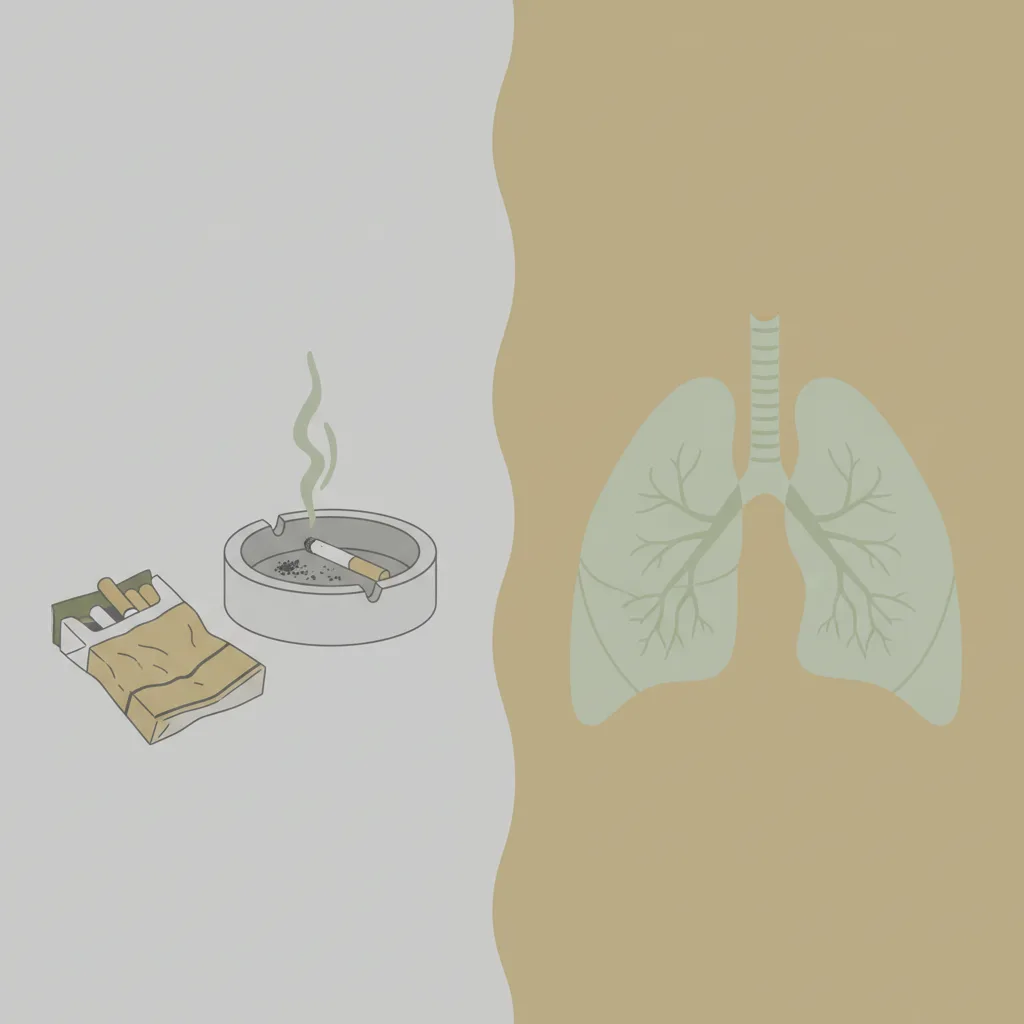
Two diverging paths, one fading into haze, the other leading into clear open air.

Hối hận vì hành động

Bỏ thuốc lá

1,0%

~1% cựu người hút thuốc hối tiếc về việc bỏ thuốc (ước tính sàn — không có khảo sát công bố nào đo được tỷ lệ cao hơn)

Người trưởng thành Mỹ và Anh cựu người hút thuốc

hồi cứu, không có khung thời gian cố định

Hối hận vì không hành động

Tiếp tục hút thuốc

90%

90% người hút thuốc ở các nước phương Tây

Người hút thuốc hiện tại ở Mỹ, Anh, Canada, Úc (ITC-4)

hồi cứu, không có khung thời gian cố định

% hối tiếc về lựa chọn này

inaction dominates — Không hành động chiếm ưu thế — hầu hết hối tiếc vì đã không hành động.

Quyết định liên quan

Các quyết định tương tự về mặt ngữ nghĩa — cùng lĩnh vực, đánh đổi khác nhau.

Sức khỏe

Bắt đầu hút thuốc khi là thiếu niên

% hối tiếc về lựa chọn này

Hành động chiếm ưu thế

Hối tiếc vì hành động cao hơn 36.0×

Sức khỏe

Thói quen tập thể dục

% hối tiếc về lựa chọn này

Không hành động chiếm ưu thế

Hối tiếc vì không hành động cao hơn 13.4×

lifestyle

Ăn chay

% hối tiếc về lựa chọn này

Hành động chiếm ưu thế

Hối tiếc vì hành động cao hơn 3.8×

Tài chính

Tiếp tục cờ bạc so với bỏ

% hối tiếc về lựa chọn này

Hành động chiếm ưu thế

Hối tiếc vì hành động cao hơn 11.2×

Sức khỏe

Trị liệu hay không

% hối tiếc về lựa chọn này

Cân bằng

Gần như cân bằng

Sức khỏe

Theo đuổi tuổi thọ so với chấp nhận lão hóa

% hối tiếc về lựa chọn này

Không hành động chiếm ưu thế

Hối tiếc vì không hành động cao hơn 1.5×

Sức khỏeTrực tiếp

Chẩn đoán sớm

% hối tiếc về lựa chọn này

Không hành động chiếm ưu thế

Hối tiếc vì không hành động cao hơn 1.3×

Sức khỏe

Xỏ khuyên cơ thể

% hối tiếc về lựa chọn này

Hành động chiếm ưu thế

Hối tiếc vì hành động cao hơn 4.0×

The most lopsided regret asymmetry in the dataset sits here. Approximately 90% of current smokers in the US, UK, Canada, and Australia agree they would not start smoking if they could do it over, according to the ITC Four Country Survey. The figure is consistent across sex, age, education, and (with minor variation) culture — Asian ITC surveys find 74-93% depending on the country. On the quitting side, no published survey of former smokers has identified a measurable regret rate for having quit. The CDC tracks cessation extensively and does not even include a quitting-regret item, because the phenomenon is too rare to study.

This makes smoking the closest thing to a one-way door in the regret literature. Gilovich and Medvec’s temporal theory predicts that inaction regrets dominate over time, and smoking is the extreme case: the longer someone continues, the deeper the regret about not having quit sooner. The 0.01 floor used for action-side regret is almost certainly an overestimate — it exists only because no study can report a true zero from survey data. Former smokers overwhelmingly describe relief, improved health, and financial savings, not second thoughts.

The caveat that matters is agency. Nicotine dependence means that “continuing to smoke” is not a simple preference for most smokers — it is a behavior sustained by addiction against expressed wishes. Framing it as “inaction” understates the pharmacological lock-in. The 90% regret figure is itself a measure of how deeply smokers feel trapped: they know they would choose differently, and most of them cannot.

Nguồn: hành động

Sổ cái xác nhận

Mỗi con số dưới đây là những gì mỗi nguồn đã báo cáo, cùng với trích dẫn nguyên văn mà chúng tôi dựa vào và cách chúng tôi đưa ra con số của mình. Nhấp vào bất kỳ liên kết nào để xác minh trực tiếp.

1/2 nguồn được xác minh độc lập đúng từng chữ so với nguồn được trích dẫn

  1. [1] CDC — Smoking Cessation: Fast Facts
    Smoking Cessation: Fast Facts
    Thống kê
    67.7% of US adult smokers want to quit; 53.3% made a quit attempt in 2022; regret about quitting is essentially unmeasured because it is so rare
    Trích đoạn
    “"In 2022, approximately two thirds (67.7%) of the 28.8 million U.S. adults who currently smoked cigarettes reported that they wanted to stop smoking." ”
    Dữ liệu nguồn từ
    2024-01-11
    Truy cập
    2026-04-25
    Tính toán
    CDC cessation data does not report a regret-about-quitting figure because it is vanishingly rare. No peer-reviewed survey of former smokers has found a measurable regret rate for quitting. We use 0.01 (1%) as a conservative floor, acknowledging that no study has placed it above zero in any large sample.
  2. [2] Nicotine & Tobacco Research / Soulakova et al. — Regretting Ever Starting to Smoke: Results from a 2014 National Survey Đã xác minh
    Regretting Ever Starting to Smoke: Results from a 2014 National Survey

    See all 2 Likelier entries citing this source →

    Thống kê
    71.5% of current smokers regret ever starting; among former smokers, regret about starting is even higher, and regret about quitting is not reported because it is too rare to measure
    Trích đoạn
    “"The majority of smokers (71.5%) regretted starting to smoke. Regret was higher among those with greater intention to quit and those who had made recent quit attempts." ”
    Dữ liệu nguồn từ
    2017-04-06
    Truy cập
    2026-04-25
    Xác minh
    Trích đoạn đã được tải lại độc lập và xác nhận đúng từng chữ so với nguồn được trích dẫn trong quá trình kiểm định căn cứ của chúng tôi.
    Tính toán
    The study measures regret about starting, not regret about quitting. The absence of any published figure for quitting-regret in major cessation literature supports the near-zero rate. Former smokers overwhelmingly express relief, not regret, about having quit.

Nguồn: không hành động

Sổ cái xác nhận

Mỗi con số dưới đây là những gì mỗi nguồn đã báo cáo, cùng với trích dẫn nguyên văn mà chúng tôi dựa vào và cách chúng tôi đưa ra con số của mình. Nhấp vào bất kỳ liên kết nào để xác minh trực tiếp.

  1. [1] Nicotine & Tobacco Research / Fong et al. — The near-universal experience of regret among smokers in four countries: findings from the International Tobacco Control Policy Evaluation Survey
    The near-universal experience of regret among smokers in four countries: findings from the International Tobacco Control Policy Evaluation Survey

    See all 2 Likelier entries citing this source →

    Thống kê
    89-90% of smokers in US, UK, Canada, and Australia agreed or strongly agreed 'If you had to do it over again, you would not have started smoking'
    Trích đoạn
    “"Across the four countries, the prevalence of regret ranged from 89% to 90%. Regret was near-universal among smokers, with minimal variation by country, age, sex, or education." ”
    Dữ liệu nguồn từ
    2004-12-01
    Truy cập
    2026-04-25
    Tính toán
    Direct survey item; 90% is the headline figure for Western countries. The ITC 4-country survey is the canonical source for smoker regret. We use 0.90 as the regret_rate.
  2. [2] Nicotine & Tobacco Research / Sansone et al. — Comparing the Experience of Regret and Its Predictors Among Smokers in Four Asian Countries
    Comparing the Experience of Regret and Its Predictors Among Smokers in Four Asian Countries
    Thống kê
    Regret among smokers in South Korea 87%, Thailand 93%, Malaysia 77%, China 74% — corroborating the near-universal pattern
    Trích đoạn
    “"Prevalence of regret in 3 countries was South Korea = 87%, Malaysia = 77%, and China = 74%, which was lower than that found in the United States, Australia, Canada, and the United Kingdom (89%-90%); but was higher in Thailand at 93%." ”
    Dữ liệu nguồn từ
    2013-10-01
    Truy cập
    2026-04-25
    Tính toán
    Asian-country extension of the ITC survey. Even in lower-regret markets (China), three quarters of smokers wish they had never started. The cross-cultural consistency strengthens the 90% Western figure.

Lưu ý

The action-side figure of ~0% is a floor estimate, not a measured value: no published survey has found a cohort of former smokers who regret quitting in numbers large enough to report. The inaction-side figure captures regret about starting, not about failing to quit — but the overlap is near-total, since virtually all smokers who regret starting also want to quit. Nicotine dependence complicates the "choice" framing: continuing to smoke is not a freely chosen inaction for most. The 90% figure may also undercount, since some smokers reduce cognitive dissonance by denying regret.

Dữ liệu thô: /api/decisions.json

Đã xem gần đây trên thiết bị này