





Lewati ke konten
Likelier

Penyesalan bertindak vs. tidak bertindak

Membuat tato vs tidak membuat tato

Jika Anda bertindak

Membuat tato

24%

Jika Anda tidak bertindak

Tidak membuat tato

15%

Persentase orang yang kemudian menyesali setiap pilihan. Diagram batang dan catatan lengkap ditampilkan di bawah.


Lifestyle

Terakhir ditinjau 2026-04-26

Kualitas bukti 4.38/5

Skor tinjauan delapan dimensi terhadap rubrik kualitas . Setiap dimensi dinilai 1–5.

D1 Verifikasi sumber
5/5
D2 Otoritas & independensi sumber
5/5
D3 Akurasi tingkat penyesalan
3/5
D4 Keterbandingan sumber
3/5
D5 Pola Gilovich
4/5
D6 Kualitas prosa
5/5
D7 Kelengkapan peringatan
5/5
D8 Kualitas sampel
5/5
Rata-rata 4.38/5
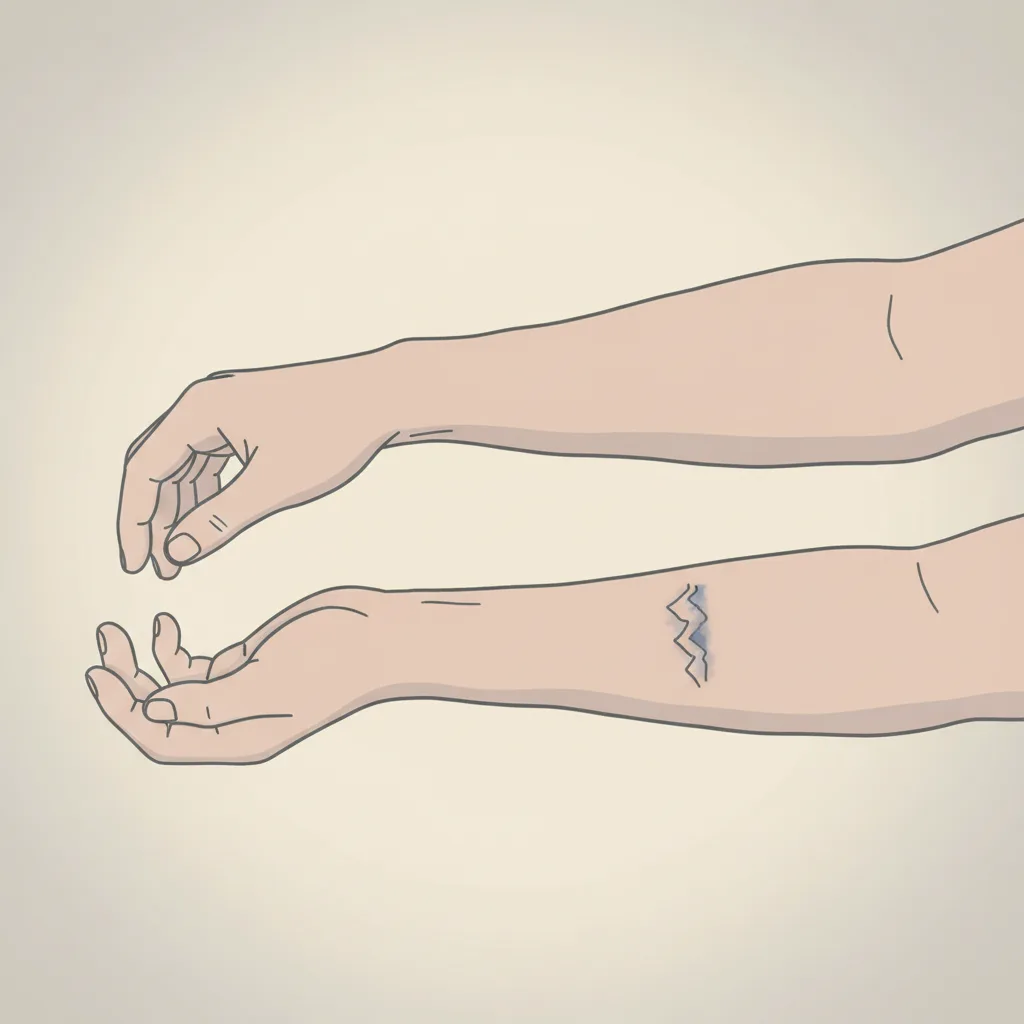
A bare forearm beside an identical forearm with a small faded tattoo, both resting on a neutral surface.

Penyesalan atas tindakan

Membuat tato

24%

24% menyesali setidaknya satu tato

Orang dewasa AS dengan tato, representatif nasional

retrospektif, tidak ada kerangka waktu tetap

Penyesalan atas kelambanan

Tidak membuat tato

15%

15% orang dewasa tanpa tato mengatakan mereka kemungkinan akan mendapatkannya (proksi)

Orang dewasa AS tanpa tato

retrospektif, tidak ada kerangka waktu tetap

% menyesal dengan pilihan ini

action dominates — Bertindak mendominasi — sebagian besar menyesali karena bertindak.

Keputusan terkait

Keputusan yang serupa secara semantik — area yang sama, kompromi yang berbeda.

Kesehatan

Tindik tubuh

% menyesal dengan pilihan ini

Tindakan mendominasi

Penyesalan bertindak 4.0× lebih tinggi

lifestyle

Diet vegetarian

% menyesal dengan pilihan ini

Tindakan mendominasi

Penyesalan bertindak 3.8× lebih tinggi

lifestyle

Gunakan AI untuk keputusan

% menyesal dengan pilihan ini

Seimbang

Hampir seimbang

Kesehatan

Transplantasi rambut

% menyesal dengan pilihan ini

Ketidakaktifan mendominasi

Penyesalan tidak bertindak 5.0× lebih tinggi

lifestyle

Kota vs pinggiran

% menyesal dengan pilihan ini

Tindakan mendominasi

Penyesalan bertindak 1.2× lebih tinggi

Kesehatan

Terapi atau tanpa terapi

% menyesal dengan pilihan ini

Seimbang

Hampir seimbang

Kesehatan

Pembesaran payudara

% menyesal dengan pilihan ini

Seimbang

Hampir seimbang

Kesehatan

Operasi kosmetik

% menyesal dengan pilihan ini

Seimbang

Hampir seimbang

About 24% of tattooed Americans say they regret at least one tattoo, according to a 2023 Pew Research Center survey of 8,480 adults — a figure corroborated by a peer-reviewed Cureus study that found an 18.2% regret rate among 1,072 tattooed participants using census-matched sampling. On the inaction side, 85% of non-tattooed adults say they are unlikely to ever get a tattoo, leaving roughly 15% who express some intent — a proxy for latent desire, though not a direct regret measure. The resulting pattern makes tattoos one of the clearest action-dominates entries in the dataset: a permanent, visible, body-altering decision where the thing you did haunts more than the thing you did not.

The psychology is straightforward and cuts against the usual Gilovich finding. Most regretted life decisions involve inaction — the degree not pursued, the relationship not attempted — because inactions leave an open counterfactual that the mind inflates over time. Tattoos close the counterfactual: the ink is there, on the skin, every day. There is no ambiguity about the outcome. The Cureus study found that getting a tattoo while impaired, choosing a head or neck location, and experiencing an adverse event (infection, prolonged itching, or swelling) were all significant predictors of regret. Age also matters: older age was protective (odds ratio 0.93 per year in the same study), so getting a first tattoo younger predicts higher lifetime regret.

The main caveat is measurement asymmetry. The action side benefits from a clean, direct question; the inaction side relies on a future-intent proxy because no major survey asks non-tattooed adults whether they actively regret not having a tattoo. The 15% figure almost certainly overstates inaction regret, since “I might get one someday” is weaker than “I wish I had done it.” Cognitive dissonance also cuts both ways: tattooed people may underreport regret to protect self-image, while non-tattooed people may suppress desire to justify their choice. The directional finding — that tattoo regret runs action-heavy — is robust across multiple studies and consistent with the irreversibility mechanism; the precise 24-to-15 ratio should be read as approximate.

Sumber: tindakan

Buku besar klaim

Setiap angka di bawah ini adalah apa yang dilaporkan masing-masing sumber, dengan kutipan kata demi kata yang kami andalkan dan bagaimana kami sampai pada angka kami. Klik tautan mana saja untuk memverifikasi langsung.

2/2 sumber diverifikasi secara independen kata demi kata terhadap sumber terkutip

  1. [1] Pew Research Center — 32% of Americans have a tattoo, including 22% who have more than one Terverifikasi
    32% of Americans have a tattoo, including 22% who have more than one
    Statistik
    About a quarter (24%) of tattooed Americans say they ever regret getting one or more of their tattoos
    Kutipan
    “"About a quarter (24%) of tattooed Americans say they ever regret getting one or more of their tattoos. Among those with tattoos, younger adults are more likely than older adults to say they have regretted getting a tattoo." ”
    Data sumber dari
    2023-08-15
    Diakses
    2026-04-26
    Verifikasi
    Kutipan diambil ulang secara independen dan dikonfirmasi kata demi kata terhadap sumber terkutip selama audit pendasaran kami.
    Perhitungan
    Pew Research Center American Trends Panel survey of 8,480 US adults conducted July 10-16, 2023. The 24% figure is among the subset who report having at least one tattoo (32% of all respondents). Used directly as the action-regret rate.
  2. [2] Cureus (peer-reviewed) — Think Before You Ink: Perception, Prevalence, and Correlates of Tattooing and Tattoo Regret in US Adults Terverifikasi
    Think Before You Ink: Perception, Prevalence, and Correlates of Tattooing and Tattoo Regret in US Adults
    Statistik
    18.2% of tattooed US adults reported regretting one or more of their tattoos
    Kutipan
    “"Of those with tattoos, 18.2% reported regretting one or more of their tattoos. The number of comorbid conditions, time with a tattoo, being impaired when getting the tattoo, having a tattoo on the head or neck, and experiencing a tattoo-related adverse event were predictive of having tattoo regret." ”
    Data sumber dari
    2023-11-02
    Diakses
    2026-04-26
    Verifikasi
    Kutipan diambil ulang secara independen dan dikonfirmasi kata demi kata terhadap sumber terkutip selama audit pendasaran kami.
    Perhitungan
    Cross-sectional study of 3,033 US adults recruited using a random stratified sampling framework similar to the US Census. 35.3% (1,072) reported having a tattoo. The 18.2% regret rate among tattooed respondents is lower than the Pew figure (24%), possibly due to stricter sampling. We use the Pew 24% as the primary action-side rate given its larger sample and the ATP's established representativeness methodology.

Sumber: tidak bertindak

Buku besar klaim

Setiap angka di bawah ini adalah apa yang dilaporkan masing-masing sumber, dengan kutipan kata demi kata yang kami andalkan dan bagaimana kami sampai pada angka kami. Klik tautan mana saja untuk memverifikasi langsung.

1/2 sumber diverifikasi secara independen kata demi kata terhadap sumber terkutip

  1. [1] Pew Research Center — 32% of Americans have a tattoo, including 22% who have more than one Terverifikasi
    32% of Americans have a tattoo, including 22% who have more than one
    Statistik
    15% of non-tattooed Americans say they are somewhat, very, or extremely likely to get a tattoo in the future
    Kutipan
    “"The vast majority (85%) of Americans who don't have a tattoo say they are not too or not at all likely to get one in the future. Among those under 30 without a tattoo, 19% say they are extremely or very likely to get one." ”
    Data sumber dari
    2023-08-15
    Diakses
    2026-04-26
    Verifikasi
    Kutipan diambil ulang secara independen dan dikonfirmasi kata demi kata terhadap sumber terkutip selama audit pendasaran kami.
    Perhitungan
    Same Pew ATP survey (n=8,480). Among the 68% of respondents without a tattoo, 6% said extremely/very likely and 9% said somewhat likely to get one in the future, totaling 15%. This is a desire-intent measure, not a direct regret measure — see caveats. Used as the inaction-side proxy because no large-sample survey directly asks non-tattooed adults whether they regret not having a tattoo.
  2. [2] YouGov — Americans have become more favorable toward tattoos in the past decade
    Americans have become more favorable toward tattoos in the past decade
    Statistik
    24% of Americans currently have a tattoo; attitudes toward tattoos have become significantly more favorable over the past decade
    Kutipan
    “"Americans have become more favorable toward tattoos in the past decade. 24% of Americans say they currently have a tattoo. Women (30%) are more likely than men (19%) to say they currently have a tattoo." ”
    Data sumber dari
    2025-03-14
    Diakses
    2026-04-26
    Perhitungan
    YouGov survey documenting that 24% of Americans currently have a tattoo and that attitudes have grown more favorable over the past decade. The article reports no regret figure; the growing social acceptance of tattoos suggests that inaction regret may be rising over time as tattoos become more normative, but no direct inaction-regret figure is available.

Catatan

Ukuran tindakan dan non-tindakan tidak simetris. Tingkat penyesalan-tindakan 24% adalah pertanyaan penyesalan langsung ("Apakah Anda pernah menyesali mendapatkan tato?"), sementara angka non-tindakan 15% adalah proksi niat masa depan ("Seberapa besar kemungkinan Anda akan mendapatkan tato?"). Tidak ada survei sampel besar yang secara langsung menanyakan orang dewasa yang tidak ditatu apakah mereka menyesali tidak mendapatkan tinta. Tingkat penyesalan-non-tindakan yang sebenarnya kemungkinan lebih rendah dari 15%, karena menginginkan sesuatu tidak sama dengan menyesali ketidakhadirannya. Studi Cureus peer-review menemukan tingkat penyesalan-tindakan yang lebih rendah sebesar 18,2%. Tato adalah contoh tandingan langka untuk pola dominasi-non-tindakan tipikal Gilovich dan Medvec: ireversibilitas dan visibilitas keputusan mempertahankan penyesalan tindakan. Disonansi kognitif juga dapat menekan penyesalan yang dilaporkan di antara yang ditatu. Data survei diambil secara eksklusif dari sampel AS.

Data mentah: /api/decisions.json

Baru-baru ini dilihat di perangkat ini