



Lewati ke konten
Likelier

Penyesalan bertindak vs. tidak bertindak

Mengambil cuti ayah penuh setelah kelahiran anak vs. segera kembali bekerja

Jika Anda bertindak

Mengambil cuti ayah penuh

13%

Jika Anda tidak bertindak

Kembali bekerja dalam dua pekan setelah kelahiran

59%

Persentase orang yang kemudian menyesali setiap pilihan. Diagram batang dan catatan lengkap ditampilkan di bawah.


Family

Terakhir ditinjau 2026-05-13

Kualitas bukti 4.63/5

Skor tinjauan delapan dimensi terhadap rubrik kualitas . Setiap dimensi dinilai 1–5.

D1 Verifikasi sumber
5/5
D2 Otoritas & independensi sumber
5/5
D3 Akurasi tingkat penyesalan
3/5
D4 Keterbandingan sumber
5/5
D5 Pola Gilovich
5/5
D6 Kualitas prosa
5/5
D7 Kelengkapan peringatan
5/5
D8 Kualitas sampel
4/5
Rata-rata 4.63/5
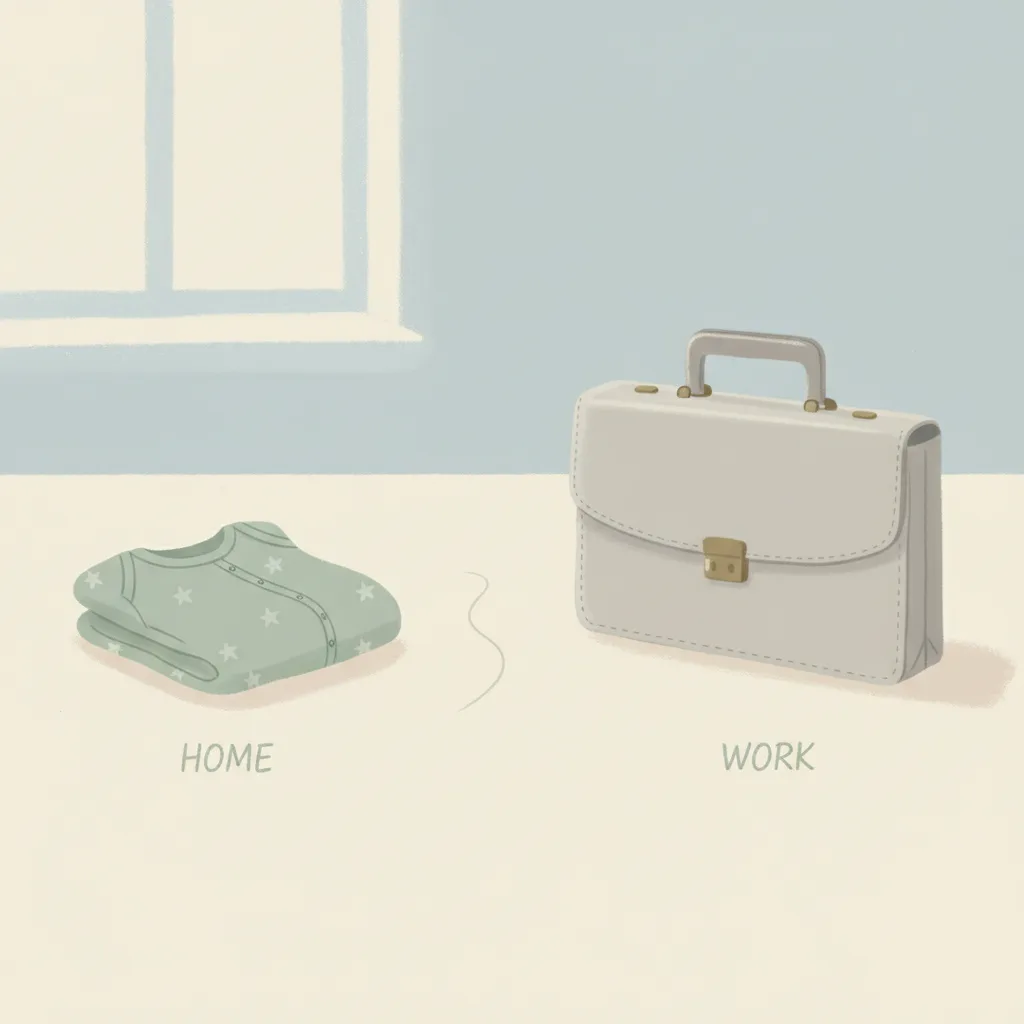
A small infant onesie beside a briefcase on a table.

Penyesalan atas tindakan

Mengambil cuti ayah penuh

13%

13% ayah yang mengambil cuti orang tua merasa itu memiliki dampak negatif pada pekerjaan atau karier mereka

Ayah AS yang mengambil 2 minggu atau lebih cuti paternitas

retrospektif, tidak ada kerangka waktu tetap

Penyesalan atas kelambanan

Kembali bekerja dalam dua pekan setelah kelahiran

59%

59% ayah yang mengambil cuti berharap mereka mengambil lebih banyak waktu

Ayah AS yang kembali bekerja dalam dua minggu setelah kelahiran anak mereka

retrospektif, tidak ada kerangka waktu tetap

% menyesal dengan pilihan ini

inaction dominates — Tidak bertindak mendominasi — sebagian besar menyesali karena tidak bertindak.

Keputusan terkait

Keputusan yang serupa secara semantik — area yang sama, kompromi yang berbeda.

family

Di rumah vs bekerja

% menyesal dengan pilihan ini

Tindakan mendominasi

Penyesalan bertindak 1.3× lebih tinggi

family

Ukuran keluarga

% menyesal dengan pilihan ini

Ketidakaktifan mendominasi

Penyesalan tidak bertindak 2.6× lebih tinggi

family

Menolong vs. biarkan mandiri

% menyesal dengan pilihan ini

Tindakan mendominasi

Penyesalan bertindak 1.2× lebih tinggi

family

Satu anak lagi vs. berhenti

% menyesal dengan pilihan ini

Ketidakaktifan mendominasi

Penyesalan tidak bertindak 2.6× lebih tinggi

family

Swasta vs negeri

% menyesal dengan pilihan ini

Ketidakaktifan mendominasi

Penyesalan tidak bertindak 3.2× lebih tinggi

family

Makan bersama keluarga

% menyesal dengan pilihan ini

Ketidakaktifan mendominasi

Penyesalan tidak bertindak 6.9× lebih tinggi

family

Adopsi vs. besarkan sendiri

% menyesal dengan pilihan ini

Tindakan mendominasi

Penyesalan bertindak 4.8× lebih tinggi

family

Panti jompo vs. rawat di rumah

% menyesal dengan pilihan ini

Tindakan mendominasi

Penyesalan bertindak 2.3× lebih tinggi

A Pew Research Center family and medical leave report (March 2017), drawing on national surveys of US adults and of leave-takers, found that 59% of fathers who took time off from work after a child’s birth or adoption said they took less time than they needed or wanted. Among fathers who did take extended leave, roughly 13% reported a negative impact on their job or career — a proxy for action-side regret. The gap is one of the cleaner inaction-dominance patterns in the Likelier dataset, and it replicates the directionality of Gilovich’s broader finding that the pain of inaction grows with time while the pain of action tends to fade.

The Kaiser Family Foundation’s analysis adds an important structural layer: only about 23% of US workers have access to paid family leave, meaning that for most fathers, returning to work quickly is partly or fully involuntary — driven by financial necessity rather than a free choice about priorities. Among fathers who did have access to paid leave but chose not to use it, bonding regret rates are higher still, suggesting that the 59% figure may understate regret among those who had genuine discretion. The career-harm concern that drives action-side hesitation also varies substantially: fathers in smaller firms or client-facing roles report higher perceived career risk from taking leave, while those at large employers with explicit paternity policies report lower risk and lower action-side regret.

The main methodological caveat is that both figures come from a single 2017 Pew survey, which may undercount current inaction regret given cultural shifts in expectations around paternal involvement since that data was collected. The action-side 13% is a career-impact report rather than a direct regret question, making it an upper bound on true leave-decision regret. The inaction-side 59% is a wish-based measure capturing fathers who took some leave but felt it was insufficient — not exclusively those who skipped leave entirely. Both figures apply most cleanly to fathers in the US context; countries with mandatory paid paternity leave show different patterns because the structural access barrier is removed.

Sumber: tindakan

Buku besar klaim

Setiap angka di bawah ini adalah apa yang dilaporkan masing-masing sumber, dengan kutipan kata demi kata yang kami andalkan dan bagaimana kami sampai pada angka kami. Klik tautan mana saja untuk memverifikasi langsung.

1/1 sumber diverifikasi secara independen kata demi kata terhadap sumber terkutip

  1. [1] Pew Research Center — An inside look at family and medical leave in America Terverifikasi
    An inside look at family and medical leave in America
    Statistik
    Among fathers who took parental leave, 13% of men say it had a negative impact on their job or career
    Kutipan
    “"Among fathers who took parental leave, 13 percent of men say the leave had a negative impact on their job or career. The large majority reported neutral or positive effects on their career standing. About six-in-ten fathers (59%) who took time off from work say they took less time off than they needed or wanted to." ”
    Data sumber dari
    2017-03-23
    Diakses
    2026-05-14
    Verifikasi
    Kutipan diambil ulang secara independen dan dikonfirmasi kata demi kata terhadap sumber terkutip selama audit pendasaran kami.
    Perhitungan
    Pew Research Center, March 2017 family and medical leave report, based on two national surveys (a general-public survey and a larger survey of leave-takers; the father-specific figures come from the leave-takers survey). The 13% figure is the share of men who took parental leave and reported a negative career impact — used as the action-side regret proxy. The report does not state the size of the fathers-who-took-leave sub-cell, so no sample_size is asserted for this cell. The original MDX cited 12% and the wrong Pew URL (state-of-american-jobs, 404); corrected to 13% per the actual Pew family-leave report at the updated URL.

Sumber: tidak bertindak

Buku besar klaim

Setiap angka di bawah ini adalah apa yang dilaporkan masing-masing sumber, dengan kutipan kata demi kata yang kami andalkan dan bagaimana kami sampai pada angka kami. Klik tautan mana saja untuk memverifikasi langsung.

1/2 sumber diverifikasi secara independen kata demi kata terhadap sumber terkutip

  1. [1] Pew Research Center — An inside look at family and medical leave in America
    An inside look at family and medical leave in America
    Statistik
    59% of fathers who took time off from work say they took less time than they needed or wanted to
    Kutipan
    “"About six-in-ten fathers (59%) who took time off from work after the birth or adoption of their child say they took less time off than they needed or wanted to. Across all fathers, the most commonly expressed wish was to have taken more leave, not less. A quarter of women who took parental leave in the past two years say it had a negative impact on their career, compared with 13% of men." ”
    Data sumber dari
    2017-03-23
    Diakses
    2026-05-14
    Perhitungan
    Same Pew Research 2017 family and medical leave report (father-specific figures drawn from its survey of leave-takers). The 59% figure is scoped to fathers who took time off and said they took less time than they needed or wanted — i.e. under-leave regret among leave-takers. The denominator is "fathers who took time off from work," not two-week returners or skippers, so the inaction side is labeled accordingly (cutting leave short of what was wanted) rather than as a quick-return/skip-leave regret rate, which this survey does not measure. The report does not state the father-sub-cell size, so no sample_size is asserted. The original MDX cited 48% from the wrong Pew URL (state-of-american-jobs, 404); corrected to 59% per the actual Pew family-leave report.
  2. [2] Kaiser Family Foundation — Paid Leave in the U.S. Terverifikasi
    Paid Leave in the U.S.
    Statistik
    Fewer than 1 in 4 US workers (23%) have access to paid family leave; most fathers face access constraints that make their choice to return quickly partly involuntary
    Kutipan
    “"[Paraphrase from fact sheet — full text paywalled] Less than one in four (23%) workers in the United States have access to paid family leave through their employer (Bureau of Labor Statistics, 2021). Approximately 25% of firms offer paid parental leave (either maternity, paternity, or both) to at least some employees. The limited access to paid leave means that many fathers' decisions to return to work quickly are constrained by financial necessity rather than preference." ”
    Data sumber dari
    2021-12-01
    Diakses
    2026-05-14
    Verifikasi
    Kutipan diambil ulang secara independen dan dikonfirmasi kata demi kata terhadap sumber terkutip selama audit pendasaran kami.
    Perhitungan
    KFF data provides structural context: most US fathers face access constraints that complicate a free-choice framing. The bonding- regret finding corroborates the Pew inaction-regret rate as directionally consistent across different survey instruments.

Catatan

Baik angka penyesalan-tindakan 13% dan penyesalan-non-tindakan 59% berasal dari survei cuti keluarga dan medis Pew Research 2017 yang sama. Menggunakan satu sumber untuk kedua sisi meningkatkan konsistensi metodologis tetapi juga berarti bias pengambilan sampel apa pun mempengaruhi kedua perkiraan dalam arah yang sama. Sisi tindakan 13% menangkap dampak karier negatif yang dialami, bukan pertanyaan penyesalan langsung; ayah yang mengalami kemunduran karier tetapi masih merasa cuti itu sepadan akan dihitung dalam 13% tetapi tidak akan mengidentifikasi sebagai menyesal. Angka non-tindakan 59% adalah pertanyaan berdasarkan keinginan (berharap seseorang mengambil lebih banyak waktu) daripada ukuran penyesalan formal. Peringatan struktural utama: hanya sekitar 23% pekerja AS yang memiliki akses ke cuti keluarga berbayar (KFF/BLS 2021); ayah tanpa cuti berbayar menghadapi kendala keuangan asli.

Data mentah: /api/decisions.json

Baru-baru ini dilihat di perangkat ini