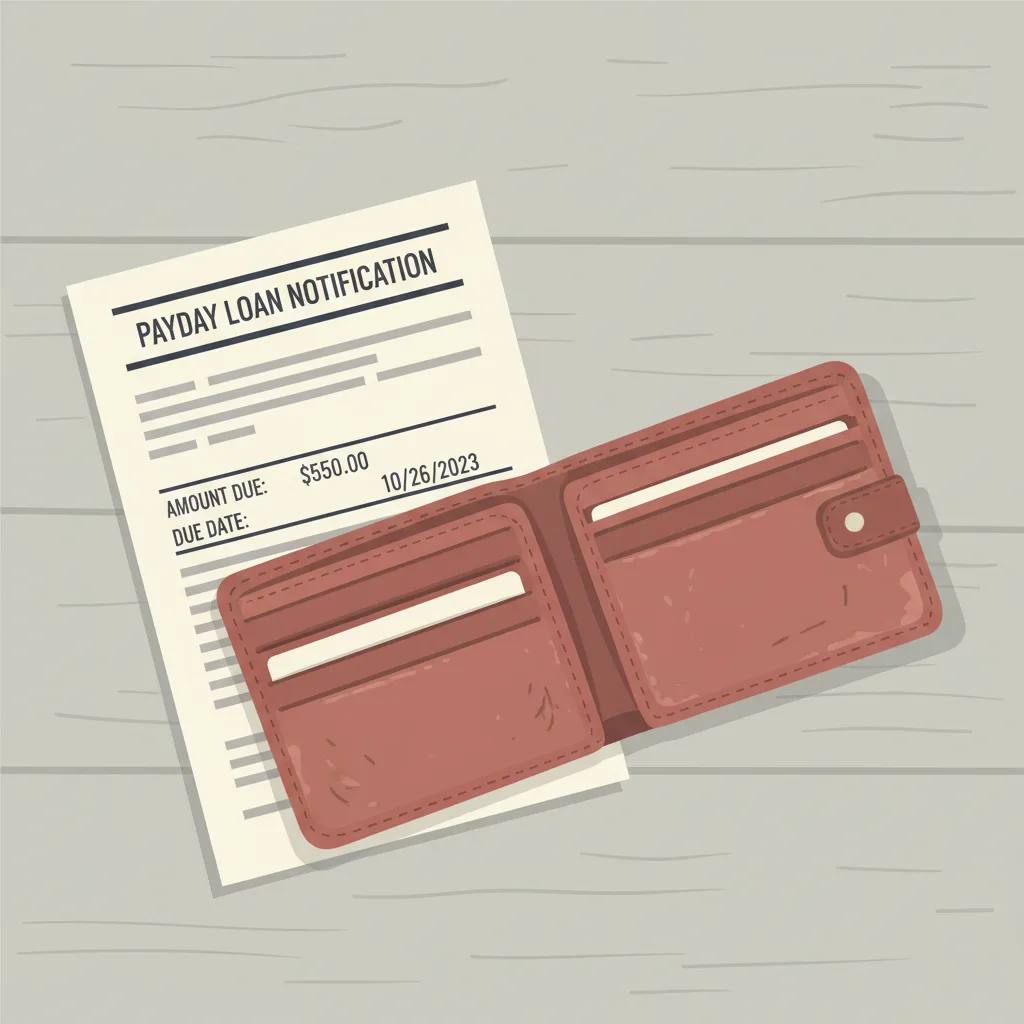


A Pew Charitable Trusts survey of more than 33,000 US adults found that 37% of payday loan borrowers say they were in such a difficult financial situation that they would take a loan on any terms offered — desperation, not free choice, drives a large share of the borrowing. Pew separately found that a majority of borrowers say the loans take advantage of them. The same research documented why the harm runs deep: the average borrower spends five months repaying what is marketed as a two-week product, paying $520 in fees to repeatedly service a $375 principal. That fee-to-principal ratio of 139% explains the harm — the product routinely transforms a short-term cash shortfall into a multi-month debt spiral before the borrower can exit.
Independent analysis by the Consumer Financial Protection Bureau, drawing on 12 million storefront payday loans, found that four out of five loans are rolled over or renewed within two weeks. Only 15% of borrowers repay without re-borrowing within 14 days; over 60% of all loans go to borrowers in sequences of seven or more consecutive loans. The gap between the marketed product (a short-term bridge) and the actual product (a recurring fee mechanism) is the structural reason harm rates are as high as they are.
The inaction side carries real costs. Pew asked borrowers what they would do if payday loans were unavailable: 81% said they would cut back on expenses such as food and clothing, and majorities said they would delay paying some bills, borrow from family or friends, or sell possessions. In other words, the underlying cash shortfall does not disappear when the loan is off the table — it gets shifted onto other necessities and bills. That is the hardship going without imposes. But it is the same shortfall that borrowers who take the loan also carry: Pew separately reports that a majority of borrowers say the loans take advantage of them. Going without the money produces hardship for a large share of people in that position, yet without adding the fee-driven debt spiral that the loan brings. The two figures shown here are proxies drawn from different survey questions — the 37% is Pew’s desperation measure (would borrow on any terms), the 81% is Pew’s coping measure (would cut back on necessities without the loan) — so the raw gap between them is not a clean regret comparison. The signal that survives is severity: CFPB’s rollover data show the harm from taking the loan, when it lands, is deep and prolonged, whereas going without shifts the same shortfall onto other bills without the debt trap.