




Ga naar inhoud
Likelier

Spijt van handelen vs. niets doen

Een tattoo laten zetten vs geen tattoo nemen

Als je handelt

Wel een tatoeage nemen

24%

Als je niets doet

Geen tatoeage nemen

15%

Percentage dat later spijt heeft van elke keuze. De balken en het volledige overzicht staan hieronder.


Levensstijl

Laatst beoordeeld 2026-04-26

Kwaliteit van bewijs 4.38/5

Beoordelingsscore op acht dimensies volgens de kwaliteitsrubriek . Elke dimensie krijgt een score van 1 tot 5.

D1 Bronverificatie
5/5
D2 Autoriteit en onafhankelijkheid van bronnen
5/5
D3 Nauwkeurigheid van spijtcijfer
3/5
D4 Vergelijkbaarheid van bronnen
3/5
D5 Gilovich-patroon
4/5
D6 Prozakwaliteit
5/5
D7 Volledigheid van voorbehouden
5/5
D8 Steekproefkwaliteit
5/5
Gemiddelde 4.38/5
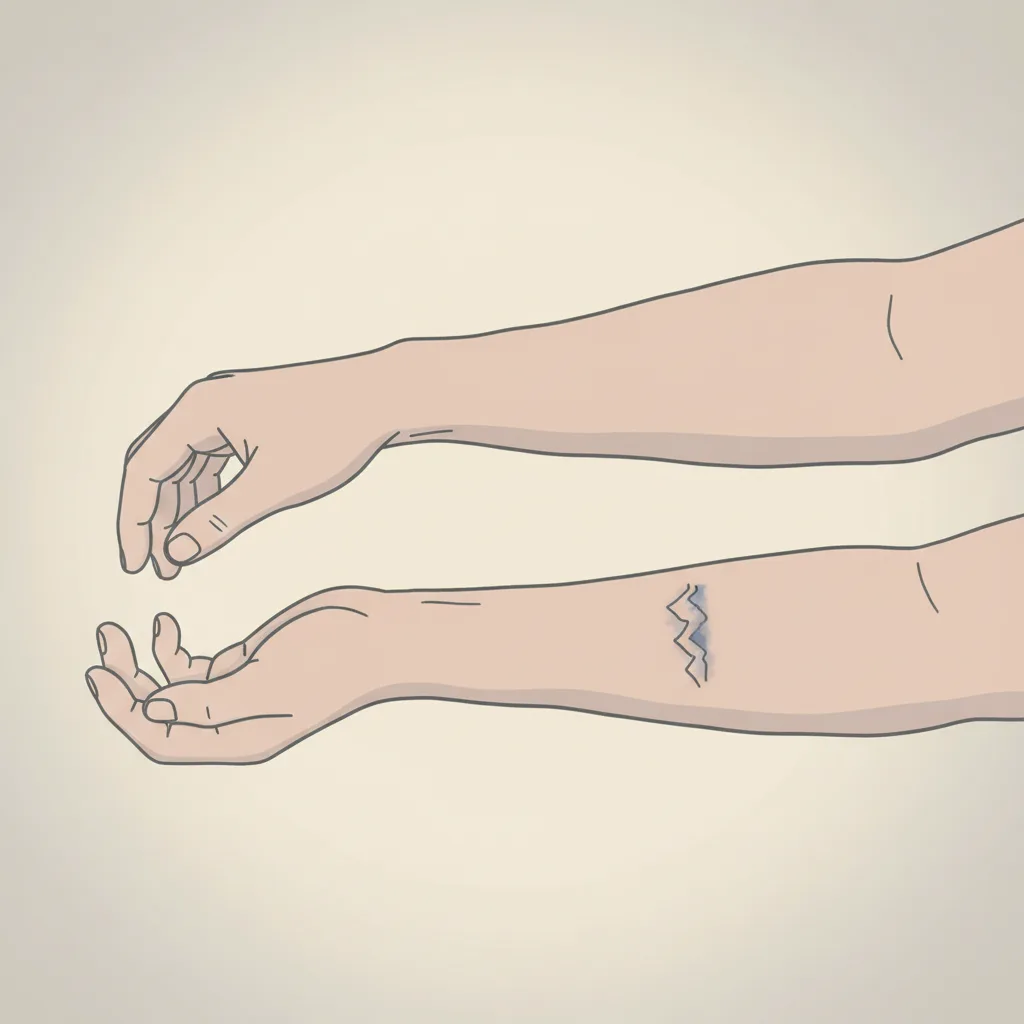
A bare forearm beside an identical forearm with a small faded tattoo, both resting on a neutral surface.

Spijt van handelen

Wel een tatoeage nemen

24%

24% hebben spijt van ten minste één tatoeage

Amerikaanse volwassenen met tatoeages, nationaal representatief

retrospectief, geen vast tijdsbestek

Spijt van nalaten

Geen tatoeage nemen

15%

15% van volwassenen zonder tatoeages zeggen dat ze waarschijnlijk een zullen krijgen (proxy — zie caveats)

Amerikaanse volwassenen zonder tatoeages

retrospectief, geen vast tijdsbestek

% betreurt deze keuze

action dominates — Handelen domineert — de meesten hebben spijt dat ze handelden.

Gerelateerde keuzes

Semantisch vergelijkbare keuzes — zelfde terrein, andere afwegingen.

Gezondheid

Lichaamspiercings

% betreurt deze keuze

Handelen overheerst

Spijt over handelen 4.0× hoger

lifestyle

Vegetarisch dieet

% betreurt deze keuze

Handelen overheerst

Spijt over handelen 3.8× hoger

lifestyle

AI gebruiken voor beslissingen

% betreurt deze keuze

In evenwicht

Grotendeels in evenwicht

Gezondheid

Haartransplantatie

% betreurt deze keuze

Niet-handelen overheerst

Spijt over niet-handelen 5.0× hoger

lifestyle

Stad vs buitenwijk

% betreurt deze keuze

Handelen overheerst

Spijt over handelen 1.2× hoger

Gezondheid

Therapie of geen therapie

% betreurt deze keuze

In evenwicht

Grotendeels in evenwicht

Gezondheid

Borstvergroting

% betreurt deze keuze

In evenwicht

Grotendeels in evenwicht

Gezondheid

Cosmetische chirurgie

% betreurt deze keuze

In evenwicht

Grotendeels in evenwicht

About 24% of tattooed Americans say they regret at least one tattoo, according to a 2023 Pew Research Center survey of 8,480 adults — a figure corroborated by a peer-reviewed Cureus study that found an 18.2% regret rate among 1,072 tattooed participants using census-matched sampling. On the inaction side, 85% of non-tattooed adults say they are unlikely to ever get a tattoo, leaving roughly 15% who express some intent — a proxy for latent desire, though not a direct regret measure. The resulting pattern makes tattoos one of the clearest action-dominates entries in the dataset: a permanent, visible, body-altering decision where the thing you did haunts more than the thing you did not.

The psychology is straightforward and cuts against the usual Gilovich finding. Most regretted life decisions involve inaction — the degree not pursued, the relationship not attempted — because inactions leave an open counterfactual that the mind inflates over time. Tattoos close the counterfactual: the ink is there, on the skin, every day. There is no ambiguity about the outcome. The Cureus study found that getting a tattoo while impaired, choosing a head or neck location, and experiencing an adverse event (infection, prolonged itching, or swelling) were all significant predictors of regret. Age also matters: older age was protective (odds ratio 0.93 per year in the same study), so getting a first tattoo younger predicts higher lifetime regret.

The main caveat is measurement asymmetry. The action side benefits from a clean, direct question; the inaction side relies on a future-intent proxy because no major survey asks non-tattooed adults whether they actively regret not having a tattoo. The 15% figure almost certainly overstates inaction regret, since “I might get one someday” is weaker than “I wish I had done it.” Cognitive dissonance also cuts both ways: tattooed people may underreport regret to protect self-image, while non-tattooed people may suppress desire to justify their choice. The directional finding — that tattoo regret runs action-heavy — is robust across multiple studies and consistent with the irreversibility mechanism; the precise 24-to-15 ratio should be read as approximate.

Bronnen: handelen

Bronnenverantwoording

Elk getal hieronder is wat elke bron rapporteerde, met het letterlijke citaat waarop we ons baseerden en hoe we tot ons cijfer kwamen. Klik op een link om rechtstreeks te verifiëren.

2/2 bronnen onafhankelijk woordelijk geverifieerd tegenover de geciteerde bron

  1. [1] Pew Research Center — 32% of Americans have a tattoo, including 22% who have more than one Geverifieerd
    32% of Americans have a tattoo, including 22% who have more than one
    Statistiek
    About a quarter (24%) of tattooed Americans say they ever regret getting one or more of their tattoos
    Fragment
    “"About a quarter (24%) of tattooed Americans say they ever regret getting one or more of their tattoos. Among those with tattoos, younger adults are more likely than older adults to say they have regretted getting a tattoo." ”
    Brongegevens van
    2023-08-15
    Geraadpleegd
    2026-04-26
    Verificatie
    Fragment onafhankelijk opnieuw opgehaald en woord voor woord bevestigd tegenover de geciteerde bron tijdens onze onderbouwingsaudit.
    Berekening
    Pew Research Center American Trends Panel survey of 8,480 US adults conducted July 10-16, 2023. The 24% figure is among the subset who report having at least one tattoo (32% of all respondents). Used directly as the action-regret rate.
  2. [2] Cureus (peer-reviewed) — Think Before You Ink: Perception, Prevalence, and Correlates of Tattooing and Tattoo Regret in US Adults Geverifieerd
    Think Before You Ink: Perception, Prevalence, and Correlates of Tattooing and Tattoo Regret in US Adults
    Statistiek
    18.2% of tattooed US adults reported regretting one or more of their tattoos
    Fragment
    “"Of those with tattoos, 18.2% reported regretting one or more of their tattoos. The number of comorbid conditions, time with a tattoo, being impaired when getting the tattoo, having a tattoo on the head or neck, and experiencing a tattoo-related adverse event were predictive of having tattoo regret." ”
    Brongegevens van
    2023-11-02
    Geraadpleegd
    2026-04-26
    Verificatie
    Fragment onafhankelijk opnieuw opgehaald en woord voor woord bevestigd tegenover de geciteerde bron tijdens onze onderbouwingsaudit.
    Berekening
    Cross-sectional study of 3,033 US adults recruited using a random stratified sampling framework similar to the US Census. 35.3% (1,072) reported having a tattoo. The 18.2% regret rate among tattooed respondents is lower than the Pew figure (24%), possibly due to stricter sampling. We use the Pew 24% as the primary action-side rate given its larger sample and the ATP's established representativeness methodology.

Bronnen: niet handelen

Bronnenverantwoording

Elk getal hieronder is wat elke bron rapporteerde, met het letterlijke citaat waarop we ons baseerden en hoe we tot ons cijfer kwamen. Klik op een link om rechtstreeks te verifiëren.

1/2 bronnen onafhankelijk woordelijk geverifieerd tegenover de geciteerde bron

  1. [1] Pew Research Center — 32% of Americans have a tattoo, including 22% who have more than one Geverifieerd
    32% of Americans have a tattoo, including 22% who have more than one
    Statistiek
    15% of non-tattooed Americans say they are somewhat, very, or extremely likely to get a tattoo in the future
    Fragment
    “"The vast majority (85%) of Americans who don't have a tattoo say they are not too or not at all likely to get one in the future. Among those under 30 without a tattoo, 19% say they are extremely or very likely to get one." ”
    Brongegevens van
    2023-08-15
    Geraadpleegd
    2026-04-26
    Verificatie
    Fragment onafhankelijk opnieuw opgehaald en woord voor woord bevestigd tegenover de geciteerde bron tijdens onze onderbouwingsaudit.
    Berekening
    Same Pew ATP survey (n=8,480). Among the 68% of respondents without a tattoo, 6% said extremely/very likely and 9% said somewhat likely to get one in the future, totaling 15%. This is a desire-intent measure, not a direct regret measure — see caveats. Used as the inaction-side proxy because no large-sample survey directly asks non-tattooed adults whether they regret not having a tattoo.
  2. [2] YouGov — Americans have become more favorable toward tattoos in the past decade
    Americans have become more favorable toward tattoos in the past decade
    Statistiek
    24% of Americans currently have a tattoo; attitudes toward tattoos have become significantly more favorable over the past decade
    Fragment
    “"Americans have become more favorable toward tattoos in the past decade. 24% of Americans say they currently have a tattoo. Women (30%) are more likely than men (19%) to say they currently have a tattoo." ”
    Brongegevens van
    2025-03-14
    Geraadpleegd
    2026-04-26
    Berekening
    YouGov survey documenting that 24% of Americans currently have a tattoo and that attitudes have grown more favorable over the past decade. The article reports no regret figure; the growing social acceptance of tattoos suggests that inaction regret may be rising over time as tattoos become more normative, but no direct inaction-regret figure is available.

Kanttekeningen

De actie- en inactie-maten zijn niet symmetrisch. Het 24% actie-spijt percentage is een directe spijtvraag ("Heeft u ooit spijt van een tatoeage?"), terwijl het 15% inactie-cijfer een toekomstige-intentie proxy is ("Hoe waarschijnlijk is het dat u een tatoeage krijgt?"), geen retrospectieve spijtvraag. Geen grootschalige enquête vraagt direct niet-getatoeëerde volwassenen of ze spijt hebben van geen inkt krijgen. Het werkelijke inactie-spijt percentage is waarschijnlijk lager dan 15%, aangezien iets willen niet hetzelfde is als spijt hebben van de afwezigheid. Een peer-reviewed Cureus-studie vond een lager actie-spijt percentage van 18,2%, wat het verschil verder zou verkleinen. Tatoeages zijn een zeldzaam tegenvoorbeeld van Gilovich en Medvec's typische inactie-dominantie patroon: de onomkeerbaarheid en zichtbaarheid van de beslissing houdt actie-spijt vol op een manier die een afgewezen vakantie of onbeproefde carrièrestap niet doet. Cognitieve dissonantie kan ook gerapporteerde spijt onder de getatoeëerden onderdrukken — mensen zijn gemotiveerd om permanente keuzes te rationaliseren — wat betekent dat het werkelijke actie-spijt percentage hoger zou kunnen zijn dan enquêtes vangen. Enquêtedata zijn uitsluitend getrokken uit Amerikaanse samples; tevredenheid en spijtcijfers in landen met verschillende sociale normen rond lichaamsmodificatie en tatoeage-acceptatie kunnen substantieel verschillen.

Ruwe data: /api/decisions.json

Recent bekeken op dit apparaat