



Przejdź do treści
Likelier

Żal z działania a żal z bezczynności

Kupno domu kontra długoterminowy wynajem

Jeśli działasz

Kupno domu

8,0%

Jeśli nie działasz

Wynajem długoterminowy

45%

Odsetek osób, które później żałują każdego wyboru. Słupki i pełna kartoteka danych poniżej.


Finanse

Ostatnio sprawdzono 2026-06-14

Jakość dowodów 4.38/5

Ocena recenzji w ośmiu wymiarach względem rubryki jakości . Każdy wymiar oceniony w skali 1–5.

D1 Weryfikacja źródeł
3/5
D2 Autorytet i niezależność źródeł
4/5
D3 Dokładność wskaźnika żalu
5/5
D4 Porównywalność źródeł
4/5
D5 Wzorzec Gilovicha
5/5
D6 Jakość tekstu
5/5
D7 Kompletność zastrzeżeń
5/5
D8 Jakość próby
4/5
Średnia 4.38/5
Bezpośredni dowód
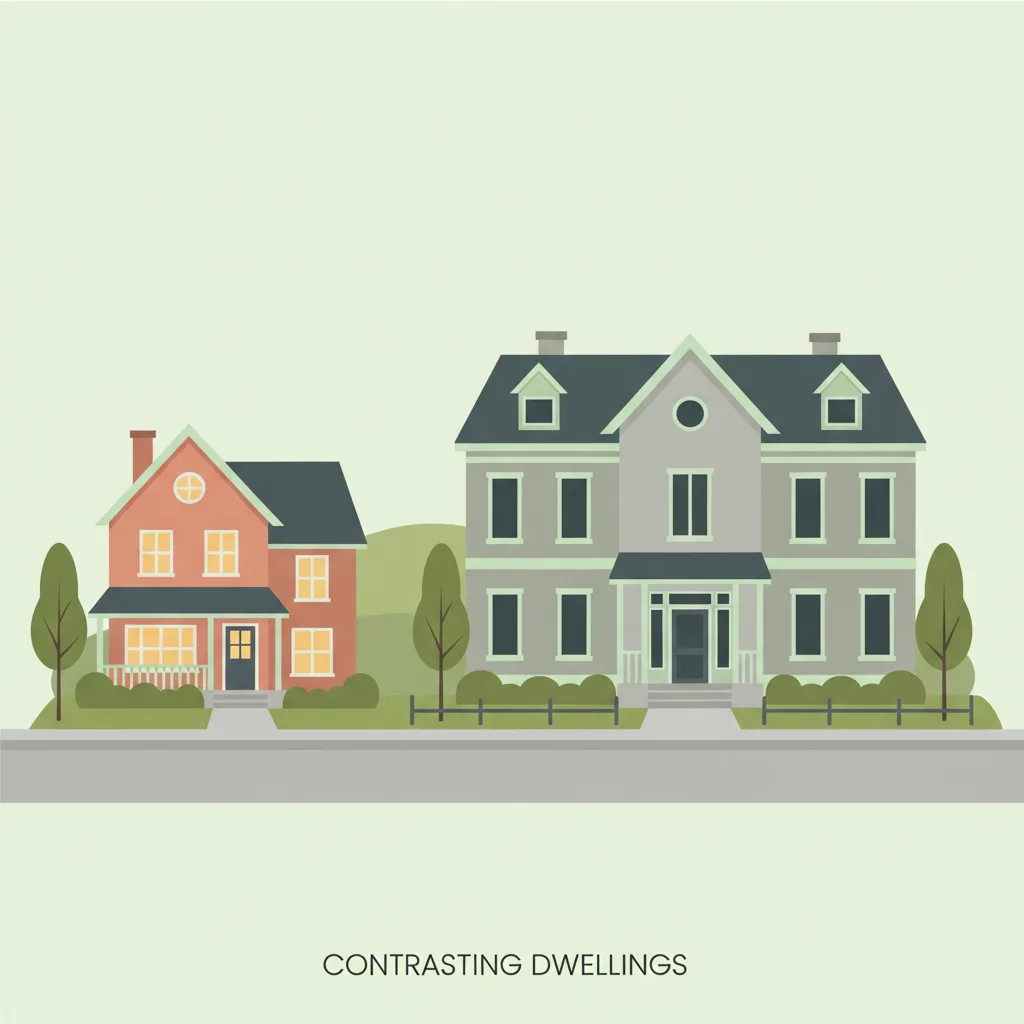
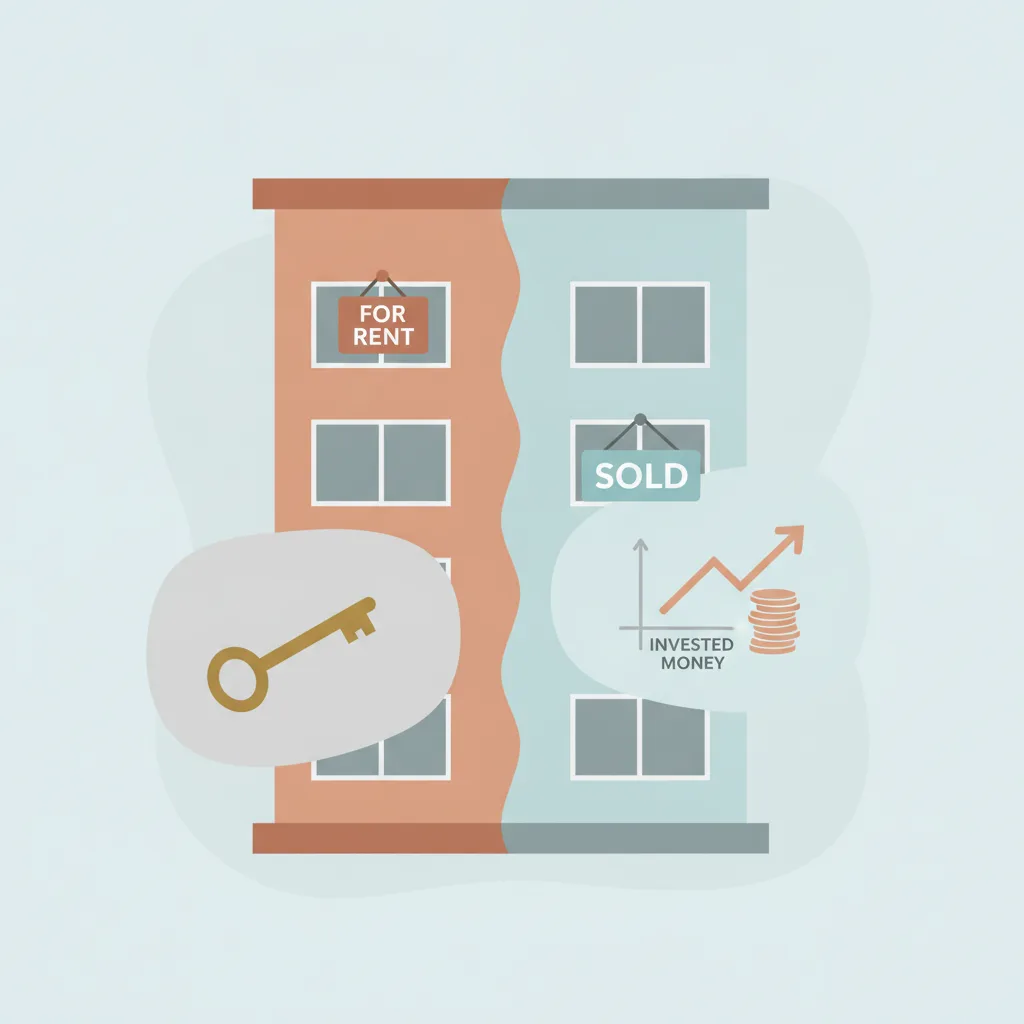
Two adjacent buildings on a quiet street, one with a sold sign, the other with a for-rent sign.

Żal za działanie

Kupno domu

8,0%

8% właścicieli domów żałuje, że nie wynajmowało

Amerykańscy właściciele domów, ogólnokrajowa reprezentatywna ankieta online

retrospektywnie, bez stałego horyzontu

Żal za zaniechanie

Wynajem długoterminowy

45%

45% wynajmujących żałuje, że nie kupiło

Amerykańscy wynajmujący w 20 dużych aglomeracjach

retrospektywnie, bez stałego horyzontu

% żałuje tej decyzji

inaction dominates — Bezczynność dominuje — większość żałuje, że nie podjęła działania.

Powiązane decyzje

Semantycznie podobne decyzje — ten sam obszar, inne kompromisy.

FinanseBezpośrednie

Dopasowanie vs. nadmiar

% żałuje tej decyzji

Działanie dominuje

Żal za działaniem 1.6× wyższy

Finanse

Negocjowanie czynszu

% żałuje tej decyzji

Zaniechanie dominuje

Żal za zaniechaniem 1.9× wyższy

Finanse

Remont domu

% żałuje tej decyzji

Działanie dominuje

Żal za działaniem 2.3× wyższy

Finanse

Stałe vs. zmienne oprocentowanie kredytu

% żałuje tej decyzji

Działanie dominuje

Żal za działaniem 3.6× wyższy

Finanse

Inwestowanie

% żałuje tej decyzji

Zaniechanie dominuje

Żal za zaniechaniem 3.2× wyższy

Finanse

Wczesne inwestowanie

% żałuje tej decyzji

Zaniechanie dominuje

Żal za zaniechaniem 3.2× wyższy

Finanse

Wynajem czy sprzedaż

% żałuje tej decyzji

Zaniechanie dominuje

Żal za zaniechaniem 1.6× wyższy

Finanse

Prezent na wkład własny vs. ochrona oszczędności

% żałuje tej decyzji

Zaniechanie dominuje

Żal za zaniechaniem 2.3× wyższy

45% of renters wish they had bought instead of renting, according to a Zillow/Ipsos survey of 10,000 adults across 20 major US metros — more than five times the 8% of homeowners who wish they had rented instead. The asymmetry is one of the largest in regret research, a 5.6:1 ratio favoring action over inaction. Bankrate’s separate 2024 survey found that while 47% of homeowners have some regret about their purchase (too small, too expensive, wrong neighborhood), only 8% regret buying rather than renting, confirming that buyer regret is typically about the specific property, not the decision to buy.

The renter-regret figure deserves careful reading. It likely conflates two distinct groups: those who chose to rent and now regret it, and those who wanted to buy but could not afford to. The latter is not a decision regret — it is a circumstance regret, closer to involuntary childlessness than to voluntary choice. Zillow’s breakdown supports this: renters’ top complaints are inability to build equity (52%) and inability to customize (52%), both of which are structural features of renting rather than consequences of a deliberate lifestyle choice.

The Gilovich pattern here — inaction dominates — aligns with the broader temporal theory: not buying a house becomes more painful over time as prices rise and equity accumulates for owners. But this is partly survivorship bias in the data. The survey was conducted during a period of sustained US home-price appreciation. In Japan’s lost decades or US markets post-2008, the ratio would look very different. Housing regret is heavily path-dependent.

Źródła: działanie

Rejestr twierdzeń

Każda liczba poniżej jest tym, co podało dane źródło — z dosłownym cytatem, na którym się oparliśmy, i sposobem, w jaki doszliśmy do naszej wartości. Kliknij dowolny link, żeby zweryfikować bezpośrednio.

  1. [1] Zillow Research / Ipsos — Unexpected Repairs and Maintenance Top the List of Regrets for Homeowners
    Unexpected Repairs and Maintenance Top the List of Regrets for Homeowners
    Statystyka
    8% of homeowners regret buying instead of renting — five times less than renters who regret not buying
    Cytat
    “"Just 8% of homeowners say they regret buying instead of renting, compared to 45% of renters who regret renting rather than buying. Homeowner regrets tend to focus on specifics — maintenance costs, size — rather than the decision to buy itself." ”
    Dane źródłowe z
    2022-01-19
    Dostęp
    2026-04-25
    Obliczenie
    Zillow/Ipsos semiannual survey of 10,000 homeowners and renters across 20 major metros. The 8% figure represents homeowners who specifically wish they had rented instead. A separate Bankrate 2024 survey found 19% would not buy their current home again, but that includes "would buy a different home" — not renting.
  2. [2] Bankrate — Nearly Half of Homeowners Have at Least One Regret About Their Home
    Nearly Half of Homeowners Have at Least One Regret About Their Home
    Statystyka
    47% of homeowners have a regret about their purchase, but 69% would buy their current home again
    Cytat
    “"Nearly half (47 percent) of current U.S. homeowners have a regret about their purchase. However, most American homeowners (69 percent) would buy their current home if they had to do it over again." ”
    Dane źródłowe z
    2024-05-01
    Dostęp
    2026-04-25
    Obliczenie
    Bankrate's regret figure covers any aspect of the purchase (too small, too expensive), not a regret about buying vs renting. The 69% "would buy again" rate corroborates the low fundamental regret captured by the Zillow 8%.

Źródła: bezczynność

Rejestr twierdzeń

Każda liczba poniżej jest tym, co podało dane źródło — z dosłownym cytatem, na którym się oparliśmy, i sposobem, w jaki doszliśmy do naszej wartości. Kliknij dowolny link, żeby zweryfikować bezpośrednio.

  1. [1] Zillow Research / Ipsos — 45% of Renters Wish They Owned
    45% of Renters Wish They Owned
    Statystyka
    45% of renters regret renting rather than buying, more than five times the share of homeowners who regret buying
    Cytat
    “"45% of renters regret renting rather than buying — more than five times the share of homeowners (8%) who regret buying instead of renting. Tenants' top regrets are not being able to build equity and not being able to customize or improve their rentals (52% each)." ”
    Dane źródłowe z
    2022-01-19
    Dostęp
    2026-04-25
    Obliczenie
    Same Zillow/Ipsos semiannual survey (n=10,000). The 45% is renters who specifically say they wish they owned. Across major metros, 87% of renters have at least one regret about their housing.

Zastrzeżenia

Ankieta Zillow obejmuje 20 dużych aglomeracji, które są przechylone ku rynkom, gdzie własność domu była finansowo opłacalna. Na rynkach stagnujących lub spadkowych żal kupującego może być wyższy. Wskaźnik żalu wynajmujących łączy „chciałbym, żeby mnie było stać na kupno” z „żałuję, że wybrałem najem” — w próbie dominują niedobrowolni wynajmujący zawyżeni przez bariery przystępności cenowej. Żal właścicieli domów może być też tłumiony przez dysonans poznawczy: przyznanie, że sześciocyfrowy zakup był błędem, jest psychologicznie kosztowne. Stosunek 5,6:1 jest realny, ale przeszacowuje lukę jakości decyzji, ponieważ ignoruje bariery strukturalne.

Dane surowe: /api/decisions.json

Ostatnio oglądane na tym urządzeniu