





本文へスキップ
Likelier

行動 vs. 不行動の後悔

ペットが死んだとき、親は子どもに真実を告げたことを後悔しているか、それとも嘘をついたことを後悔しているか?

行動した場合

ペットが死んだと子どもに正直に伝える

—

行動しなかった場合

嘘やごまかしで伝える(「農場に行った」「逃げた」など)

27%

それぞれの選択を後で後悔した人の割合。バーと完全な記録は下に表示されます。


家族

最終確認 2026-05-10

証拠の質 4.25/5

8次元のレビュー評価。基準は 品質ルーブリック 。各次元は1〜5で評価。

D1 出典の検証
5/5
D2 出典の権威性と独立性
5/5
D3 後悔率の正確性
2/5
D4 出典の比較可能性
3/5
D5 ギロヴィッチ・パターン
5/5
D6 文章の質
5/5
D7 注意事項の完全性
5/5
D8 サンプルの質
4/5
平均 4.25/5
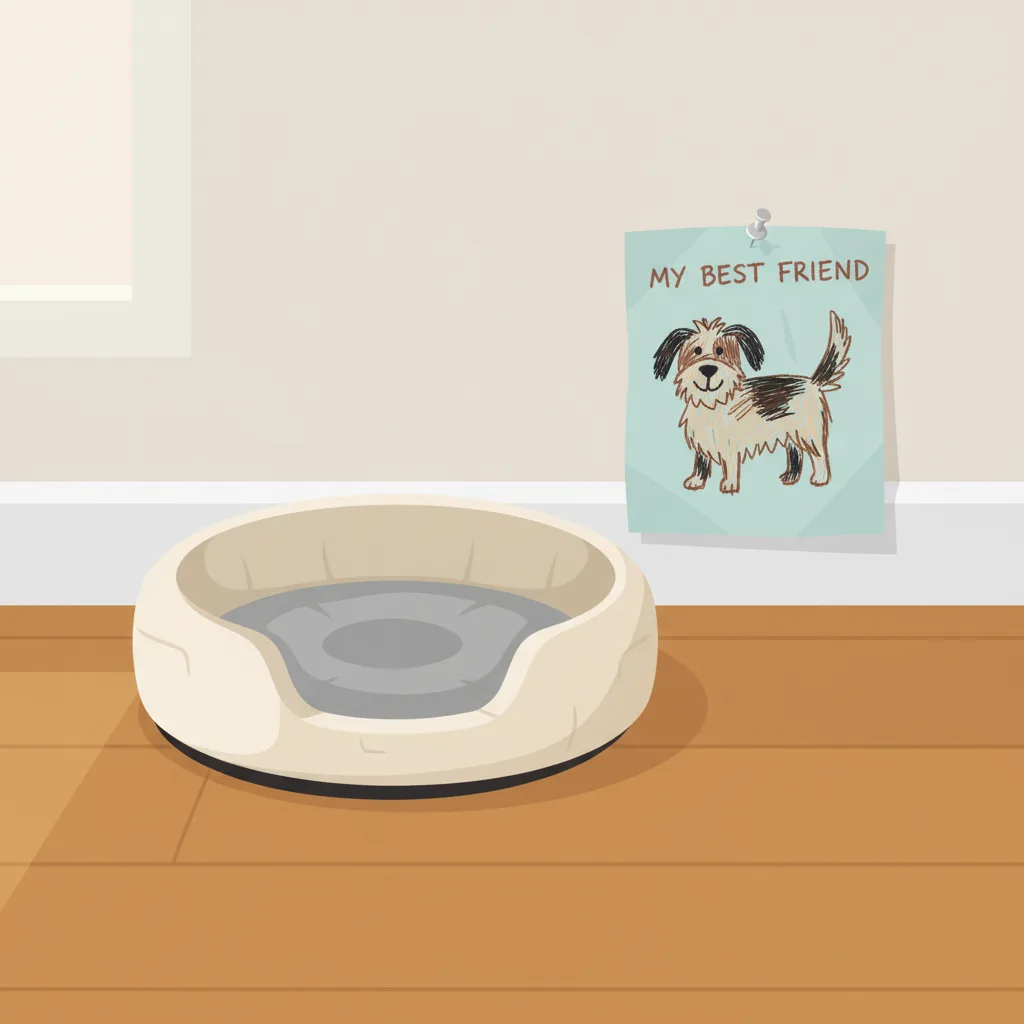
A small empty pet bed beside a simple child's drawing of a dog on the floor
代替データ — この決断に関する直接的な後悔調査は存在しません。比率は後悔を直接尋ねる質問ではなく、満足度スコアとアクセス障壁のデータから導出されています。以下の注意事項を参照してください。

行動への後悔

ペットが死んだと子どもに正直に伝える

—

死を正直に開示した親の0%が後に後悔(最良の利用可能代替指標 — 末期疾患コホート)

がんで子を失ったスウェーデンの親、死別4-9年後に連絡;子と死を話した147人のサブセット

遡及的アンケート、2001年;死亡1992-1997年

不作為への後悔

嘘やごまかしで伝える(「農場に行った」「逃げた」など)

27%

正直な死の開示を避けた親の27%が、後にそうしなかったことを後悔(代替指標 — 末期疾患コホート)

がんで子を失ったスウェーデンの親、死別4-9年後に連絡;子と死を話さなかった258人のサブセット

遡及的アンケート、2001年;死亡1992-1997年

この選択を後悔した割合

inaction dominates — 不作為が優勢 — 多くは行動しなかったことを後悔しています。

関連する決断

意味的に類似する決断 — 同じ領域、異なるトレードオフ。

family

養子縁組を伝えるか隠すか

この選択を後悔した割合

不作為が優勢

不作為の後悔が4.0倍高い

family

途中でやめさせる vs. 続けさせる

この選択を後悔した割合

不作為が優勢

不作為の後悔が2.3倍高い

family

私立 vs 公立

この選択を後悔した割合

不作為が優勢

不作為の後悔が3.2倍高い

family

性教育のタイミング

この選択を後悔した割合

不作為が優勢

不作為の後悔が3.5倍高い

family直接

子どものSNSアカウントへのアクセス

この選択を後悔した割合

行動が優勢

行動の後悔が5.4倍高い

family

習い事 vs 自由遊び

この選択を後悔した割合

行動が優勢

行動の後悔が2.6倍高い

family

専業 vs 共働き

この選択を後悔した割合

行動が優勢

行動の後悔が1.3倍高い

lifestyle

ペットを手放すか飼い続けるか

この選択を後悔した割合

不作為が優勢

不作為の後悔が5.7倍高い

この決断の背後にあるリスク

この選択の根底にある確率。

The best quantitative signal in the literature comes from a place most parents would not expect: a 2004 study in the New England Journal of Medicine examining Swedish parents who had lost a child to cancer. Kreicbergs et al. contacted all 561 eligible parents and received questionnaire responses from 449, asking whether they had discussed death with their dying child and whether they later regretted that choice. Of the 147 parents who talked honestly with their child about death, none regretted it. Of the 258 who did not, 69 — fully 27 percent — wished they had. The regret among avoiders rose further, to 47 percent, when parents had sensed the child was already aware of the situation. This study concerns the death of a human child, not a household pet, and that difference matters; but the directional asymmetry — zero documented regret on the honest side, substantial regret on the avoidance side — is the strongest quantitative signal available on what happens when parents face the choice between truth and protective deflection with children who are experiencing loss.

The pet-death context brings its own distinct harms from deflection. When a child is told a pet “ran away” or “went to live on a farm,” two things happen that do not happen when the pet is said to have died. First, the child waits. The pet might come back; it might need help; it chose to leave. The AACAP’s clinical guidance specifically warns that children who hear euphemisms like “went to sleep” may develop sleep anxiety, and that “ran away” framing can lead children to conclude the pet “didn’t love them enough to stay” — a self-referential interpretation that a death explanation forecloses entirely. Second, the lie eventually fails. A Blue Cross survey of 2,000 UK parents found that “gone to live on a farm” is the most common deceptive framing used when a pet dies or goes missing, and yet over half of those same parents reported they would simply tell the truth — suggesting the cultural intuition already leans toward honesty. When the lie is discovered, child-development literature documents a trust rupture: the child learns not only that the pet is dead, but that a parent is capable of systematic deception on a topic that mattered to them.

The action side carries its own risks, though none appear in the quantitative regret literature. A parent might regret the specific words chosen — telling a four-year-old that a pet was “destroyed” or that it “stopped working” — even while not regretting the underlying commitment to honesty. Age-appropriate framing matters: AACAP guidance suggests telling young children that the pet “stopped moving, doesn’t see or hear anymore, and won’t wake up again,” and warns against “put to sleep” as a phrase that can reframe bedtime as frightening. The professional consensus from AACAP, the American Academy of Pediatrics, and UC Davis’s veterinary pet-loss program is unanimous on the directional recommendation: honest disclosure, paced to the child’s developmental level, is consistently preferred over euphemism. The evidence base is qualitative and clinical rather than survey-based — no study has directly measured parental regret about the pet-death disclosure decision — but the direction is unambiguous. The inaction-dominates pattern reflects Gilovich and Medvec’s (1994) finding that avoidance regrets tend to compound over time, because the counterfactual — “I could have told them” — is one the parent can always imagine, while the action regret — “I regret that I was honest” — has very little room to grow.

出典: 行動

根拠台帳

以下の各数値は各出典が報告した内容であり、引用した原文の抜粋と算出方法を記載しています。リンクをクリックして直接確認できます。

1/2 件の出典が引用元と一字一句一致することを独立して検証済み

  1. [1] New England Journal of Medicine (Kreicbergs et al. 2004) — Talking about Death with Children Who Have Severe Malignant Disease
    Talking about Death with Children Who Have Severe Malignant Disease
    統計値
    None of the 147 parents who talked with their child about death regretted it; 69 of 258 (27%) who did not talk regretted not having done so
    抜粋
    “"None of the 147 parents who talked with their child about death regretted it, whereas 69 of 258 parents (27 percent) who did not talk with their child about death regretted not having done so." ”
    出典データ
    2004-09-16
    アクセス日
    2026-05-10
    計算過程
    Kreicbergs et al. (2004), NEJM 351:1175–1186. National Swedish study contacting all parents who had lost a child to a malignant disease before age 17 between 1992 and 1997; 449 of 561 eligible parents completed questionnaires; 429 answered whether they had discussed death. The 0% action-side figure is the exact reported outcome: none of the 147 parents who held honest conversations about death with their dying child later regretted it. This is a proxy for the pet-death decision: the setting is terminal illness, not pet loss. The direction of the finding (zero regret for honesty) is the most pertinent signal available in the quantitative literature. Flagged as proxy in regret_display.
  2. [2] American Academy of Child and Adolescent Psychiatry — When a Pet Dies (Facts for Families #78) 検証済み
    When a Pet Dies (Facts for Families #78)
    統計値
    AACAP guidance states that vague or inaccurate explanations of pet death can create anxiety, confusion, and mistrust; honest disclosure recommended
    抜粋
    “"It is also important to be honest when telling children that a pet has died. Trying to protect children with vague or inaccurate explanations can create anxiety, confusion, and mistrust." ”
    出典データ
    2017-09-01
    アクセス日
    2026-05-10
    検証
    グラウンディング監査の際、抜粋を引用元から独立して再取得し、原文と一字一句一致することを確認しました。
    計算過程
    AACAP Facts for Families #78 is clinical guidance, not a survey with a regret rate. It is used here to establish the professional consensus behind the action side, corroborating the Kreicbergs finding from a child-psychiatry perspective. The AACAP specifically cautions against euphemisms (including "went to sleep") that can cause sleep anxiety in young children. This source does not supply the regret rate; Kreicbergs et al. (2004) does.

出典: 不作為

根拠台帳

以下の各数値は各出典が報告した内容であり、引用した原文の抜粋と算出方法を記載しています。リンクをクリックして直接確認できます。

  1. [1] New England Journal of Medicine (Kreicbergs et al. 2004) — Talking about Death with Children Who Have Severe Malignant Disease
    Talking about Death with Children Who Have Severe Malignant Disease
    統計値
    69 of 258 parents (27%) who did not talk with their child about death regretted not having done so; regret rose to 47% when parents sensed the child was aware of impending death
    抜粋
    “"None of the 147 parents who talked with their child about death regretted it, whereas 69 of 258 parents (27 percent) who did not talk with their child about death regretted not having done so. Parents who sensed that their child was aware of his or her imminent death more often later regretted not having talked about it (47 percent, as compared with 13 percent of parents who did not sense this awareness)." ”
    出典データ
    2004-09-16
    アクセス日
    2026-05-10
    計算過程
    Same Kreicbergs et al. (2004) cohort. Of 258 parents who did not discuss death with their dying child, 69 (27%) subsequently reported regret. Regret was strongly conditional on whether parents sensed the child already knew (47% vs 13% in the unaware subgroup). The pet-death parallel: parents who deflect with euphemisms ('went to a farm') when a child's confusion signals the child suspects something are in the higher-regret subgroup. The 27% pooled figure is used as the inaction-side proxy. The study's context (human terminal illness) is more emotionally extreme than pet death, but the direction of regret asymmetry — and its concentration in the avoidance group — is directionally applicable. Flagged as proxy in regret_display.
  2. [2] Blue Cross (UK pet charity) — "Your pet has gone to live on a farm" is the top little white lie
    "Your pet has gone to live on a farm" is the top little white lie
    統計値
    Survey of 2,000 parents found 'Your pet has gone to live on a farm' is the top white lie told to children after a pet dies; over half of parents say they would tell the truth about a pet dying
    抜粋
    “"'Your pet has gone to live on a farm in the countryside' is the top white lie told to kids about their pets when they die or go missing. Over half say they'd tell the truth about a pet dying." ”
    出典データ
    2016-11-01
    アクセス日
    2026-05-10
    計算過程
    Blue Cross UK commissioned OnePoll to survey 2,000 UK parents of children aged 0-18, published November 2016. The survey establishes prevalence — 'gone to a farm' is the single most common deceptive framing used when a pet dies — and that roughly half of parents choose honesty while roughly half choose some form of deflection. The survey does not ask about subsequent regret, so it cannot supply a regret rate. It is used here to quantify the cultural prevalence of the inaction behavior and to anchor the population base from which the Kreicbergs proxy applies.

注意事項

Neither figure is a direct measure of parental regret about the pet-death disclosure decision. Both rates are drawn from Kreicbergs et al. (2004), a Swedish national cohort of parents who had lost a child to cancer — an emotionally far more severe context than the death of a household pet. The quantitative signal (0% regret for those who disclosed honestly, 27% for those who did not) is the strongest peer-reviewed data available on the consequences of avoiding death disclosure with children, but it is a directional proxy rather than a matched study. The pet-death specific literature (AACAP Facts for Families, UC Davis pet-loss guidance, Nemours KidsHealth) is entirely qualitative and unanimous in recommending honest disclosure; it identifies concrete inaction harms — the child waiting by the door for the pet to return, the child concluding the pet "didn't love them enough to stay," the trust rupture when the child later discovers the truth — but does not provide survey-level regret rates. No published survey has directly asked parents: "Do you regret lying to your child about a pet's death?" or "Do you regret telling the truth?" Extensive searching confirms this gap. The Blue Cross (2016) survey of 2,000 UK parents establishes that "gone to a farm" is the most common euphemism, and that roughly half of parents self-report they would tell the truth — but asks about intention, not retrospective regret. The Kreicbergs inaction rate of 27% is plausibly a lower bound for pet death: the terminally ill child context, where the child is actively dying and parents may have had extended opportunity to correct the omission, may generate less regret than abrupt pet loss, where the deflection is harder to undo. Conversely, the 0% action-side rate may overstate certainty: some parents of pet-bereaved children may regret the specific timing or language of their disclosure even if they do not regret the underlying honesty. The inaction-dominates pattern is consistent with Gilovich and Medvec's (1994) temporal asymmetry — inaction regrets grow over time as the counterfactual ("I could have told the truth") becomes increasingly unanswerable. The professional consensus from AACAP, the American Academy of Pediatrics, and UC Davis School of Veterinary Medicine is unanimous: honest, age-appropriate disclosure is recommended; euphemisms that imply abandonment or sleep carry documented risks (sleep anxiety from "put to sleep"; searching behavior and self-blame from "ran away").

生データ: /api/decisions.json

このデバイスで最近見た項目