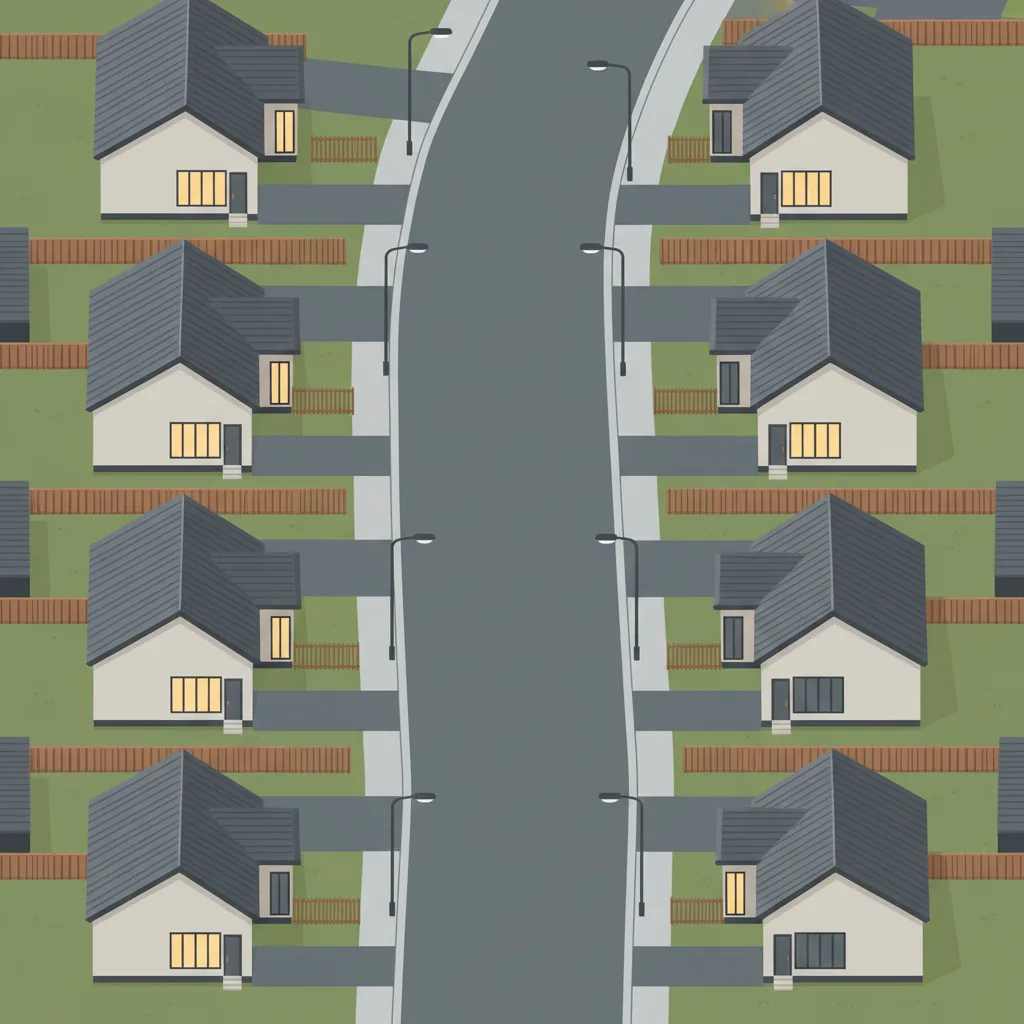
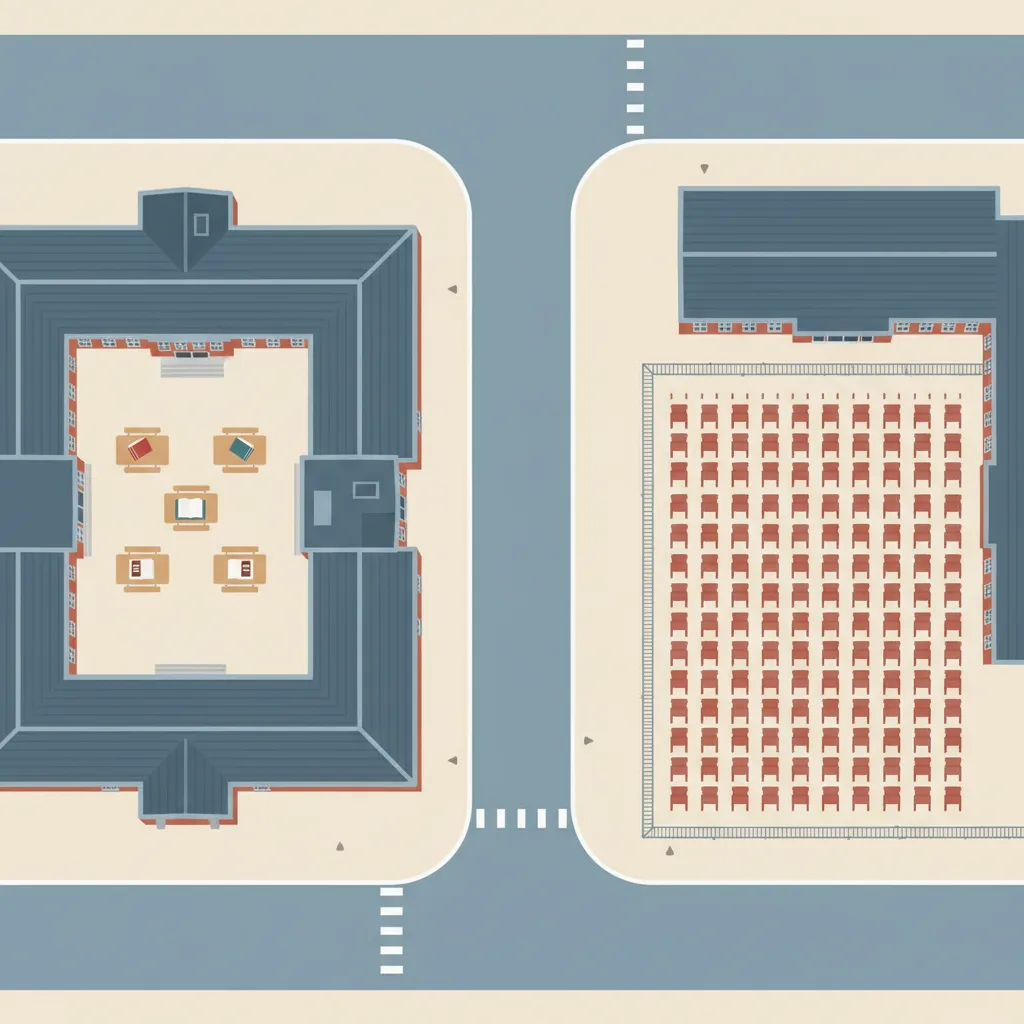
Constituir família antes dos 30 vs esperar pelos 30 ou 40 anos
Se você agir
Ter filhos jovem (antes dos 30)
24%
Se você não agir
Adiar a maternidade/paternidade (aos 30 ou 40 anos)
40%
Porcentagem de quem mais tarde se arrepende de cada escolha. As barras e o registro completo aparecem abaixo.
Família
Última revisão 2026-05-02
Qualidade das evidências 4.0/5
Pontuação de revisão em oito dimensões segundo a
grelha de qualidade
. Cada dimensão pontuada de 1 a 5.
D1 Verificação das fontes
5/5
D2 Autoridade e independência das fontes
4/5
D3 Precisão da taxa de arrependimento
2/5
D4 Comparabilidade das fontes
3/5
D5 Padrão de Gilovich
5/5
D6 Qualidade da prosa
5/5
D7 Completude das ressalvas
5/5
D8 Qualidade da amostra
3/5
Média4.0/5
Dados proxy — não existe nenhuma pesquisa direta sobre arrependimento para esta decisão. As taxas são derivadas de pontuações de satisfação e dados de barreiras de acesso em vez de perguntas que perguntavam diretamente sobre arrependimento. Veja advertências abaixo.
Arrependimento por ação
Ter filhos jovem (antes dos 30)
24%
24% dos pais gostariam de ter esperado mais antes de começar uma família
Pais nos EUA com filhos, painel online
retrospectivo, sem prazo fixo
Arrependimento por omissão
Adiar a maternidade/paternidade (aos 30 ou 40 anos)
40%
40% das mulheres em tratamento de fertilidade 'concordam fortemente' que se arrependem de ter adiado (amostra de clínica de fertilidade)
Adultos casados em tratamento de fertilidade em nove clínicas japonesas
transversal, no momento do tratamento de fertilidade
% se arrependem desta escolha
Ter filhos jovem (antes dos 30)Adiar a maternidade/paternidade (aos 30 ou 40 anos)
24%40%
inaction dominates — A inacção domina — a maioria arrepende-se de não ter agido.
Decisões relacionadas
Decisões semanticamente semelhantes — mesmo terreno, compromissos diferentes.
Among those who delayed childbearing into their 30s or 40s and then sought
fertility treatment, 40% of women “strongly agreed” they regretted the delay,
according to Adachi, Endo, and Ohashi’s cross-sectional study of 449 patients
across nine Japanese fertility clinics (BMC Public Health, 2020). A companion
study by the same group found that 57.5% agreed — to any degree — that they
wished they had decided earlier. The gap between those figures (40% vs 58%)
reflects the difference between strong and any agreement; the entry uses the
stricter 40% to avoid overstating the rate. Notably, the primary driver of
delay regret in both studies was not age per se but lack of fertility knowledge:
people did not understand that fertility declines significantly in the mid-30s,
and they regretted not knowing sooner.
On the early-parenthood side, a 2025 online survey of 2,000 US parents by the
Headway app found that 24% wished they had waited longer before starting a
family, and 46% reported not achieving personal goals before parenthood
reshaped their priorities. This is not a peer-reviewed study, but it aligns
directionally with a large Danish register study (Journal of Marriage and Family,
Johansen, Nielsen & Verner, 2020), which found that early parenthood — defined
as before age 21 — significantly reduced educational attainment and employment
for both mothers and fathers, with the catch-up period extending into the early
30s even in a Nordic welfare state with generous support.
The comparison between these two sides should be treated as directional, not
precise. The inaction regret rate is drawn from a fertility-clinic sample —
people who delayed and then experienced fertility difficulty — which imposes a
double-selection that likely inflates the figure substantially relative to all
delayed parents. Gilovich and Medvec’s framework predicts that inaction regrets
intensify over time (the closed fertility window cannot be reopened), while
action regrets (lost career opportunities, constrained finances in young
adulthood) tend to attenuate as circumstances improve. The 16-percentage-point
gap between 24% and 40% is consistent with that pattern, though the different
populations and methodologies mean it should not be read as a precise estimate
of the asymmetry.
Fontes: acção
Registro de evidências
Cada número abaixo é o que cada fonte relatou, com a citação literal em que nos baseamos e como chegamos ao nosso valor. Clique em qualquer link para verificar diretamente.
[1]Headway App / OnePoll — Parenting and Personal Development Survey: Career vs Kids
Fonte de referência
24% of parents wish they had waited to have children; 46% regret not achieving goals before parenthood
Trecho
“"24% wish they had waited to have children... 46% of parents regret not achieving their goals before having children."
”
Dados da fonte de
2025-09-25
Acessado
2026-05-02
Cálculo
OnePoll online survey of 2,000 US adults with children, September 2025. The 24% "wish they had waited" figure is used directly as the action-side regret rate. This captures timing regret (started too early) rather than parenthood regret per se. The survey is not peer-reviewed; it serves as a population-level proxy in the absence of a large-scale academic survey measuring early-parenthood timing regret directly.
[2]Journal of Marriage and Family / Johansen, Nielsen & Verner — Long-Term Consequences of Early Parenthood
Revisado por pares
Early parenthood (before age 21) significantly reduced educational attainment and employment for both mothers and fathers; effects persisted through the late 20s and early 30s
Trecho
“"Early parenthood had a negative impact on educational attainment and employment. The estimated effects for men were substantial and only slightly less than for women; catching up to the nonyoung parents continued throughout the late 20s and early 30s."
”
Dados da fonte de
2019-11-25
Acessado
2026-05-02
Cálculo
Danish register-based study using sibling fixed effects, cohorts born 1968–1977, examining outcomes at ages 22–35. The study does not measure regret directly but documents the opportunity costs (reduced education, earnings) that drive action-side regret. Used as corroboration that the early-parenthood penalty is real and persistent even in a generous Nordic welfare state, lending plausibility to the 24% timing-regret figure.
Fontes: inacção
Registro de evidências
Cada número abaixo é o que cada fonte relatou, com a citação literal em que nos baseamos e como chegamos ao nosso valor. Clique em qualquer link para verificar diretamente.
[1]BMC Public Health / Adachi, Endo & Ohashi — Regret over the delay in childbearing decision negatively associates with life satisfaction among Japanese women and men seeking fertility treatment: a cross-sectional study
Revisado por pares
40.3% of women (102 of 253) answered 'strongly agree' regarding regret over the delay in their childbearing decision; 21.9% of men reported the same
Trecho
“"Of the 253 women and 196 men, 102 (40.3%) women and 43 (21.9%) men answered 'strongly agree' regarding their regret over the delay in the childbearing decision."
”
Dados da fonte de
2020-06-05
Acessado
2026-05-02
Cálculo
Cross-sectional survey of 449 adults attending nine fertility facilities in Japan, July–December 2018. The 40.3% "strongly agree" figure is the strictest available operationalization of delay regret and is used as the inaction-side rate. This population is subject to selection bias: those who delayed AND subsequently experienced fertility difficulties are over-represented relative to all who delayed. The true population-level rate for those who delay parenthood is therefore likely lower than 40.3%; this figure should be read as a ceiling, not a prevalence estimate.
[2]Nursing Open / Adachi, Endo & Ohashi — Uninformed decision-making and regret about delaying childbearing decisions: A cross-sectional study
Revisado por pares
57.5% of women in fertility treatment agreed they wished they had made childbearing decisions earlier; lack of fertility knowledge was the primary predictor of regret
Trecho
“"57.5% of women agreed they wished they'd decided earlier about having children... lack of fertility knowledge was a significant positive predictor of regret over the timing of the childbearing decision in both women and men."
”
Dados da fonte de
2020-08-17
Acessado
2026-05-02
Cálculo
Same research group and overlapping sample (388 adults from the same nine Japanese fertility clinics, July–December 2018). The broader 57.5% "agreed" figure (including weak agreement) corroborates the BMC 40.3% "strongly agree" figure. Both use fertility-clinic samples. The entry uses the stricter 40.3% to avoid inflating the inaction rate. The key additional finding — that lack of fertility knowledge predicts regret more than any other factor — suggests much of the delay-regret is informational rather than preference-driven.
Ressalvas
The two sides draw on non-equivalent populations and methodologies, limiting direct comparison. The inaction-side figures (40–58%) come from fertility clinic patients — a sample defined by the intersection of having delayed AND experiencing subsequent fertility problems. This double-selection sharply inflates the apparent regret rate versus the full population of those who delay. The true inaction-regret rate for all delayed parents (most of whom conceive without difficulty) is almost certainly lower. The action-side figure (24%) comes from an online panel survey of all parents, which lacks the clinical selection bias but is also not peer-reviewed. Gender asymmetry is pronounced in the inaction data: women report delay regret at roughly twice the rate of men (40% vs 22% "strongly agree"), likely reflecting the greater biological cost of delayed conception for women. The existing entry advanced-maternal-age-birth-defect covers health risks of delayed conception; this entry captures timing regret only. Cross-cultural differences are significant: the inaction studies are Japanese; Japan has above-average social pressure around timely marriage and childbearing, which may inflate regret relative to US or Northern European populations.