




Ir para o conteúdo
Likelier

Arrependimento de agir vs. não agir

Ficar em casa para criar os filhos vs continuar a trabalhar

Se você agir

Ficar em casa

64%

Se você não agir

Trabalhar enquanto cria os filhos

50%

Porcentagem de quem mais tarde se arrepende de cada escolha. As barras e o registro completo aparecem abaixo.


Família

Última revisão 2026-04-26

Qualidade das evidências 4.25/5

Pontuação de revisão em oito dimensões segundo a grelha de qualidade . Cada dimensão pontuada de 1 a 5.

D1 Verificação das fontes
5/5
D2 Autoridade e independência das fontes
5/5
D3 Precisão da taxa de arrependimento
2/5
D4 Comparabilidade das fontes
3/5
D5 Padrão de Gilovich
4/5
D6 Qualidade da prosa
5/5
D7 Completude das ressalvas
5/5
D8 Qualidade da amostra
5/5
Média 4.25/5
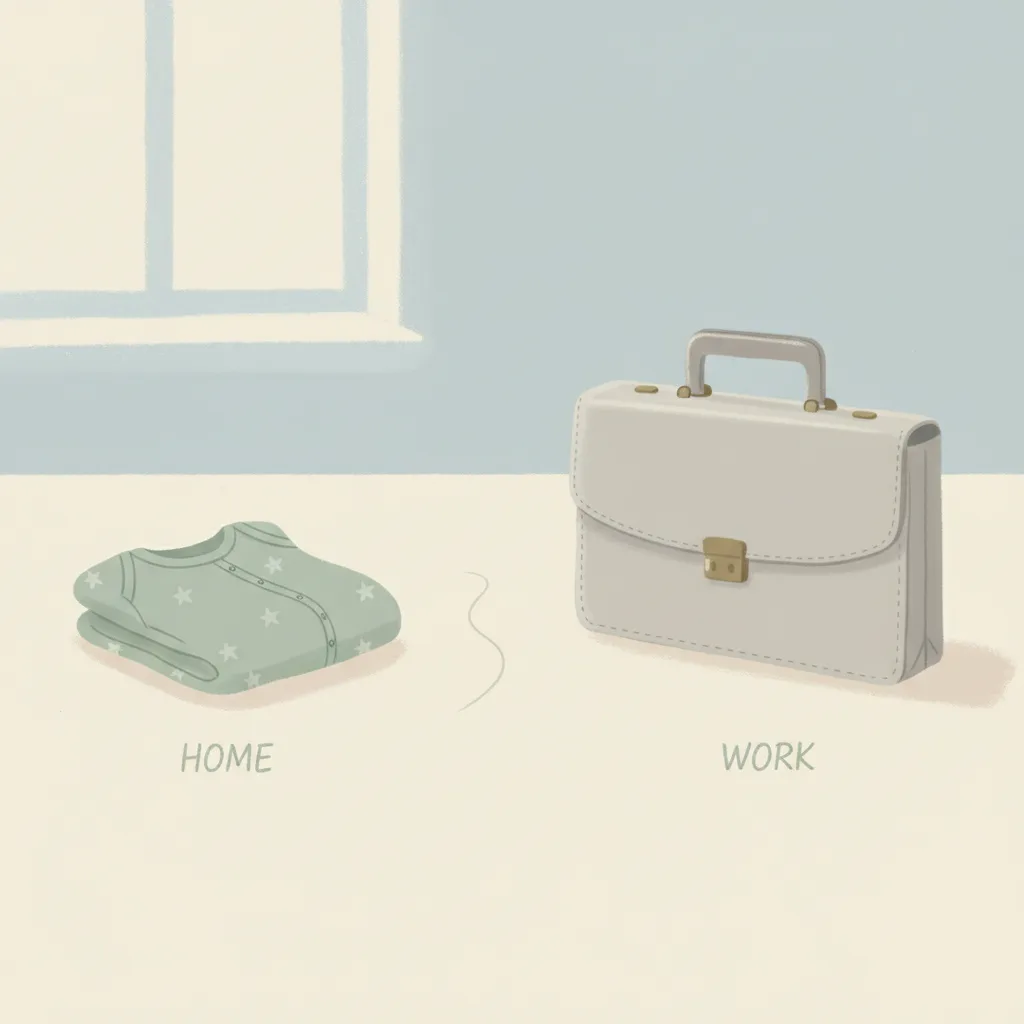
A kitchen table split in two halves, one side with children's drawings and crayons, the other with a laptop and coffee mug.
Dados proxy — não existe nenhuma pesquisa direta sobre arrependimento para esta decisão. As taxas são derivadas de pontuações de satisfação e dados de barreiras de acesso em vez de perguntas que perguntavam diretamente sobre arrependimento. Veja advertências abaixo.

Arrependimento por ação

Ficar em casa

64%

proxy de preferência, e não arrependimento: apenas 36% das mães que ficam em casa consideram não trabalhar de forma alguma o seu ideal, de modo que ~64% prefeririam algum trabalho (pergunta de situação ideal do Pew; muitas delas preferem meio período, e não um retorno ao trabalho em tempo integral, de modo que isso superestima o arrependimento de ficar em casa)

Mães em casa nos EUA, nacionalmente representativo

retrospectivo, sem prazo fixo

Arrependimento por omissão

Trabalhar enquanto cria os filhos

50%

proxy de preferência, e não arrependimento: 50% das mães com filhos menores de 18 anos dizem que prefeririam ficar em casa se pudessem escolher livremente (escolha forçada da Gallup; isso engloba todas as mães com filhos menores, misturando mães que ficam em casa e mães que trabalham, e não o arrependimento retrospectivo das mães que trabalham)

Mães nos EUA com filhos menores de 18 anos, nacionalmente representativo

retrospectivo, sem prazo fixo

% se arrependem desta escolha

action dominates — A acção domina — a maioria arrepende-se de ter agido.

Decisões relacionadas

Decisões semanticamente semelhantes — mesmo terreno, compromissos diferentes.

family

Privada vs pública

% se arrependem desta escolha

A inação predomina

Arrependimento de inação 3.2× maior

family

Lar de idosos vs cuidado domiciliar

% se arrependem desta escolha

A ação predomina

Arrependimento de ação 2.3× maior

family

Adoção vs criar o filho

% se arrependem desta escolha

A ação predomina

Arrependimento de ação 4.8× maior

family

Tamanho da família

% se arrependem desta escolha

A inação predomina

Arrependimento de inação 2.6× maior

family

Ter filhos

% se arrependem desta escolha

Equilibrado

Aproximadamente equilibrado

family

Atividades vs brincadeira livre

% se arrependem desta escolha

A ação predomina

Arrependimento de ação 2.6× maior

family

Licença paternidade vs. abdicar

% se arrependem desta escolha

A inação predomina

Arrependimento de inação 4.5× maior

family

Socorrer vs. deixar resolver

% se arrependem desta escolha

A ação predomina

Arrependimento de ação 1.2× maior

64% of stay-at-home mothers say that not working is not their ideal situation, per Pew Research — only 36% called it ideal. Among all mothers with children under 18, 50% say they would prefer to stay home, according to Gallup. The 14-percentage-point gap puts this in action-dominates territory under Gilovich’s framework, though the underlying pattern is less about action vs inaction than about a forced binary vs a preferred middle.

The counterintuitive finding is the self-assessment gap. Stay-at-home mothers rate themselves lower as parents than working mothers do — 66% versus 78% calling themselves “excellent” or “very good” in Pew’s 2014 survey. One interpretation is that full-time proximity to children exposes every parenting failure in high definition, while working parents compare themselves against a lower baseline of available hours. Another is that the identity cost of leaving the workforce erodes confidence in ways that spill into parenting self-evaluation. Either way, the data undermines the assumption that staying home is the self-evidently superior parenting move.

The strongest signal in the research is that neither full-time work nor full-time homemaking is what most mothers actually want. A 47% plurality of adults told Pew that part-time work is the ideal arrangement for mothers of young children; only 12% said full-time work, and 33% said no work at all. Both rates here are preference proxies, not retrospective regret measures — no large-scale study has directly asked mothers on both sides whether they regret their employment decision. The dissatisfaction on both sides may say less about which choice is wrong than about a labor market that mostly offers all-or-nothing.

Fontes: acção

Registro de evidências

Cada número abaixo é o que cada fonte relatou, com a citação literal em que nos baseamos e como chegamos ao nosso valor. Clique em qualquer link para verificar diretamente.

1/2 fontes verificadas de forma independente palavra por palavra em relação à fonte citada

  1. [1] Pew Research Center — Public Views on Moms Staying at Home vs. Working Verificado
    Public Views on Moms Staying at Home vs. Working
    Estatística
    Only 36% of stay-at-home mothers say not working at all is ideal for them, down from 48% in 2007
    Trecho
    “"Only 36% of stay-at-home mothers say that not working at all is ideal for them. The share of stay-at-home mothers who say that not working at all is their ideal situation has fallen since 2007, when 48% said so." ”
    Dados da fonte de
    2014-04-08
    Acessado
    2026-04-26
    Verificação
    Trecho obtido novamente de forma independente e confirmado palavra por palavra em relação à fonte citada durante nossa auditoria de fundamentação.
    Cálculo
    Pew Research survey of 3,341 US adults, Jan 23–Feb 9 2014. Among stay-at-home mothers specifically, 36% called not working "ideal." We invert: 100% - 36% = 64% who say their current arrangement is not ideal — used as the action-side preference proxy.
  2. [2] Pew Research Center — Chapter 1: Comparing Stay-at-Home and Working Mothers
    Chapter 1: Comparing Stay-at-Home and Working Mothers
    Estatística
    66% of stay-at-home mothers rate themselves as excellent or very good parents, compared with 78% of working mothers
    Trecho
    “"Despite the additional time they spend on child care, mothers who do not work outside the home give themselves slightly lower ratings than working mothers for the job they are doing as parents. Some 66% of stay-at-home mothers rate themselves as doing an excellent or very good job as a parent, compared with 78% of working mothers." ”
    Dados da fonte de
    2014-04-08
    Acessado
    2026-04-26
    Cálculo
    Same Pew 2012/2014 study. The 12-percentage-point self-rating gap (66% vs 78%) reinforces the finding that staying home does not reliably produce the parenting confidence one might expect.

Fontes: inacção

Registro de evidências

Cada número abaixo é o que cada fonte relatou, com a citação literal em que nos baseamos e como chegamos ao nosso valor. Clique em qualquer link para verificar diretamente.

2/2 fontes verificadas de forma independente palavra por palavra em relação à fonte citada

  1. [1] Gallup — Record-High 56% of U.S. Women Prefer Working to Homemaking Verificado
    Record-High 56% of U.S. Women Prefer Working to Homemaking
    Estatística
    50% of mothers with children under 18 prefer to stay home and take care of the house and family
    Trecho
    “"By 50% to 34%, mothers of children under 18 years of age are more likely than those with no children under 18 to prefer to stay at home and take care of the house and family." ”
    Dados da fonte de
    2015-10-19
    Acessado
    2026-04-26
    Verificação
    Trecho obtido novamente de forma independente e confirmado palavra por palavra em relação à fonte citada durante nossa auditoria de fundamentação.
    Cálculo
    Gallup annual Work and Education survey, nationally representative sample of US adults. Among mothers with children under 18, 50% said they would prefer to stay home. Used as inaction-regret proxy: half of working mothers report a preference mismatch.
  2. [2] Pew Research Center — Mothers and Work: What's 'Ideal'? Verificado
    Mothers and Work: What's 'Ideal'?
    Estatística
    A plurality of all mothers (47% of US adults) say part-time work is the ideal situation for mothers of young children
    Trecho
    “"Nearly half (47%) of the public said that working part time is the ideal situation for women with young children, 33% said not working outside the home is ideal, and another 12% said working full time would be ideal." ”
    Dados da fonte de
    2013-08-19
    Acessado
    2026-04-26
    Verificação
    Trecho obtido novamente de forma independente e confirmado palavra por palavra em relação à fonte citada durante nossa auditoria de fundamentação.
    Cálculo
    Pew Research Center analysis of survey data. The plurality preference for part-time work (47%) over full-time (12%) or no work (33%) contextualizes the inaction-side finding: most mothers want neither extreme.

Ressalvas

Neither figure is a direct regret measurement — both are preference proxies, flagged as such in regret_display. The action-side 64% is inverted from Pew's "ideal situation" question; saying your current arrangement is not ideal is a weaker claim than saying you regret it. The inaction-side 50% is a stated preference from Gallup, not a retrospective regret judgment. No large-scale survey directly asks "do you regret staying home / going to work?" — extensive searching confirms this gap in the literature. The two figures come from different surveys with different framing (2014 Pew vs 2015 Gallup), making precise comparison questionable. A plurality of mothers in both groups say part-time work is the true ideal — suggesting the real regret may be about the forced binary rather than either side of it. Sample compositions also differ: Pew surveyed SAH mothers specifically while Gallup surveyed all mothers with minor children. The Bright Horizons Modern Family Index (2024) found that one in three working mothers considered downshifting careers, but this captures consideration rather than regret. Until a study directly measures retrospective regret on both sides using comparable methodology, these preference proxies are the best available anchors for this dilemma. Survey data are drawn exclusively from United States samples; satisfaction and regret rates in countries with different institutional structures — parental leave policies, childcare systems, family law — may differ substantially.

Dados brutos: /api/decisions.json

Vistos recentemente neste dispositivo