




Vai al contenuto
Likelier

Rimpianto per l’azione vs. l’inazione

Farsi un tatuaggio vs non farselo

Se agisci

Farsi un tatuaggio

24%

Se non agisci

Non farsi un tatuaggio

15%

Percentuale di chi poi rimpiange ciascuna scelta. Le barre e il registro completo dei dati compaiono sotto.


Stile di vita

Ultima revisione 2026-04-26

Qualità delle prove 4.38/5

Punteggio di revisione su otto dimensioni rispetto alla griglia di qualità . Ogni dimensione valutata da 1 a 5.

D1 Verifica delle fonti
5/5
D2 Autorità e indipendenza delle fonti
5/5
D3 Precisione del tasso di rimpianto
3/5
D4 Comparabilità delle fonti
3/5
D5 Schema di Gilovich
4/5
D6 Qualità della prosa
5/5
D7 Completezza degli avvertimenti
5/5
D8 Qualità del campione
5/5
Media 4.38/5
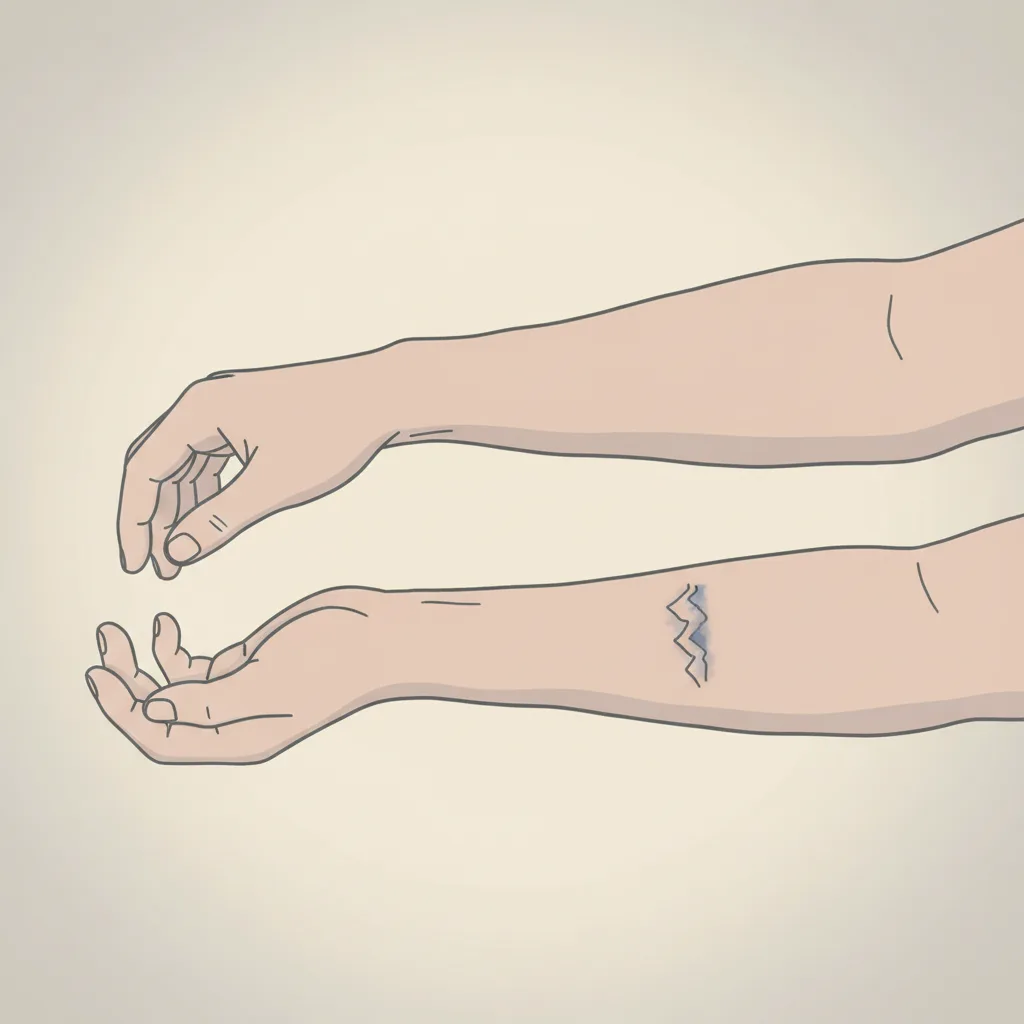
A bare forearm beside an identical forearm with a small faded tattoo, both resting on a neutral surface.

Rimpianto per azione

Farsi un tatuaggio

24%

Il 24% si pente di almeno un tatuaggio

Adulti statunitensi con tatuaggi, rappresentativo a livello nazionale

retrospettivo, nessun arco temporale fisso

Rimpianto per inazione

Non farsi un tatuaggio

15%

Il 15% degli adulti non tatuati dice che è probabile che ne faccia uno (proxy — vedi caveats)

Adulti statunitensi senza tatuaggi

retrospettivo, nessun arco temporale fisso

% rimpiange questa scelta

action dominates — L'azione domina — la maggior parte si pente di aver agito.

Decisioni correlate

Decisioni semanticamente simili — stesso terreno, compromessi diversi.

Salute

Piercing corporeo

% rimpiange questa scelta

L'azione prevale

Rimpianto per l'azione 4.0× maggiore

lifestyle

Dieta vegetariana

% rimpiange questa scelta

L'azione prevale

Rimpianto per l'azione 3.8× maggiore

lifestyle

Usare l'IA per le decisioni

% rimpiange questa scelta

Equilibrato

Approssimativamente equilibrato

Salute

Trapianto di capelli

% rimpiange questa scelta

L'inazione prevale

Rimpianto per l'inazione 5.0× maggiore

lifestyle

Città vs periferia

% rimpiange questa scelta

L'azione prevale

Rimpianto per l'azione 1.2× maggiore

Salute

Terapia o senza terapia

% rimpiange questa scelta

Equilibrato

Approssimativamente equilibrato

Salute

Aumento del seno

% rimpiange questa scelta

Equilibrato

Approssimativamente equilibrato

Salute

Chirurgia estetica

% rimpiange questa scelta

Equilibrato

Approssimativamente equilibrato

About 24% of tattooed Americans say they regret at least one tattoo, according to a 2023 Pew Research Center survey of 8,480 adults — a figure corroborated by a peer-reviewed Cureus study that found an 18.2% regret rate among 1,072 tattooed participants using census-matched sampling. On the inaction side, 85% of non-tattooed adults say they are unlikely to ever get a tattoo, leaving roughly 15% who express some intent — a proxy for latent desire, though not a direct regret measure. The resulting pattern makes tattoos one of the clearest action-dominates entries in the dataset: a permanent, visible, body-altering decision where the thing you did haunts more than the thing you did not.

The psychology is straightforward and cuts against the usual Gilovich finding. Most regretted life decisions involve inaction — the degree not pursued, the relationship not attempted — because inactions leave an open counterfactual that the mind inflates over time. Tattoos close the counterfactual: the ink is there, on the skin, every day. There is no ambiguity about the outcome. The Cureus study found that getting a tattoo while impaired, choosing a head or neck location, and experiencing an adverse event (infection, prolonged itching, or swelling) were all significant predictors of regret. Age also matters: older age was protective (odds ratio 0.93 per year in the same study), so getting a first tattoo younger predicts higher lifetime regret.

The main caveat is measurement asymmetry. The action side benefits from a clean, direct question; the inaction side relies on a future-intent proxy because no major survey asks non-tattooed adults whether they actively regret not having a tattoo. The 15% figure almost certainly overstates inaction regret, since “I might get one someday” is weaker than “I wish I had done it.” Cognitive dissonance also cuts both ways: tattooed people may underreport regret to protect self-image, while non-tattooed people may suppress desire to justify their choice. The directional finding — that tattoo regret runs action-heavy — is robust across multiple studies and consistent with the irreversibility mechanism; the precise 24-to-15 ratio should be read as approximate.

Fonti: azione

Registro delle fonti

Ogni numero qui sotto è ciò che ciascuna fonte ha riportato, con la citazione testuale su cui ci siamo basati e come siamo arrivati alla nostra cifra. Clicca su qualsiasi link per verificare direttamente.

2/2 fonti verificate in modo indipendente e alla lettera rispetto alla fonte citata

  1. [1] Pew Research Center — 32% of Americans have a tattoo, including 22% who have more than one Verificato
    32% of Americans have a tattoo, including 22% who have more than one
    Statistica
    About a quarter (24%) of tattooed Americans say they ever regret getting one or more of their tattoos
    Estratto
    “"About a quarter (24%) of tattooed Americans say they ever regret getting one or more of their tattoos. Among those with tattoos, younger adults are more likely than older adults to say they have regretted getting a tattoo." ”
    Dati originali da
    2023-08-15
    Consultato
    2026-04-26
    Verifica
    Estratto recuperato in modo indipendente e confermato parola per parola rispetto alla fonte citata durante il nostro audit di attendibilità.
    Calcolo
    Pew Research Center American Trends Panel survey of 8,480 US adults conducted July 10-16, 2023. The 24% figure is among the subset who report having at least one tattoo (32% of all respondents). Used directly as the action-regret rate.
  2. [2] Cureus (peer-reviewed) — Think Before You Ink: Perception, Prevalence, and Correlates of Tattooing and Tattoo Regret in US Adults Verificato
    Think Before You Ink: Perception, Prevalence, and Correlates of Tattooing and Tattoo Regret in US Adults
    Statistica
    18.2% of tattooed US adults reported regretting one or more of their tattoos
    Estratto
    “"Of those with tattoos, 18.2% reported regretting one or more of their tattoos. The number of comorbid conditions, time with a tattoo, being impaired when getting the tattoo, having a tattoo on the head or neck, and experiencing a tattoo-related adverse event were predictive of having tattoo regret." ”
    Dati originali da
    2023-11-02
    Consultato
    2026-04-26
    Verifica
    Estratto recuperato in modo indipendente e confermato parola per parola rispetto alla fonte citata durante il nostro audit di attendibilità.
    Calcolo
    Cross-sectional study of 3,033 US adults recruited using a random stratified sampling framework similar to the US Census. 35.3% (1,072) reported having a tattoo. The 18.2% regret rate among tattooed respondents is lower than the Pew figure (24%), possibly due to stricter sampling. We use the Pew 24% as the primary action-side rate given its larger sample and the ATP's established representativeness methodology.

Fonti: inazione

Registro delle fonti

Ogni numero qui sotto è ciò che ciascuna fonte ha riportato, con la citazione testuale su cui ci siamo basati e come siamo arrivati alla nostra cifra. Clicca su qualsiasi link per verificare direttamente.

1/2 fonti verificate in modo indipendente e alla lettera rispetto alla fonte citata

  1. [1] Pew Research Center — 32% of Americans have a tattoo, including 22% who have more than one Verificato
    32% of Americans have a tattoo, including 22% who have more than one
    Statistica
    15% of non-tattooed Americans say they are somewhat, very, or extremely likely to get a tattoo in the future
    Estratto
    “"The vast majority (85%) of Americans who don't have a tattoo say they are not too or not at all likely to get one in the future. Among those under 30 without a tattoo, 19% say they are extremely or very likely to get one." ”
    Dati originali da
    2023-08-15
    Consultato
    2026-04-26
    Verifica
    Estratto recuperato in modo indipendente e confermato parola per parola rispetto alla fonte citata durante il nostro audit di attendibilità.
    Calcolo
    Same Pew ATP survey (n=8,480). Among the 68% of respondents without a tattoo, 6% said extremely/very likely and 9% said somewhat likely to get one in the future, totaling 15%. This is a desire-intent measure, not a direct regret measure — see caveats. Used as the inaction-side proxy because no large-sample survey directly asks non-tattooed adults whether they regret not having a tattoo.
  2. [2] YouGov — Americans have become more favorable toward tattoos in the past decade
    Americans have become more favorable toward tattoos in the past decade
    Statistica
    24% of Americans currently have a tattoo; attitudes toward tattoos have become significantly more favorable over the past decade
    Estratto
    “"Americans have become more favorable toward tattoos in the past decade. 24% of Americans say they currently have a tattoo. Women (30%) are more likely than men (19%) to say they currently have a tattoo." ”
    Dati originali da
    2025-03-14
    Consultato
    2026-04-26
    Calcolo
    YouGov survey documenting that 24% of Americans currently have a tattoo and that attitudes have grown more favorable over the past decade. The article reports no regret figure; the growing social acceptance of tattoos suggests that inaction regret may be rising over time as tattoos become more normative, but no direct inaction-regret figure is available.

Avvertenze

Le misure di azione e inazione non sono simmetriche. Il tasso di rimpianto dall'azione del 24% è una domanda diretta sul rimpianto ("Si pente mai di essersi fatto un tatuaggio?"), mentre la cifra del 15% lato inazione è un proxy di intenzione futura ("Quanto è probabile che si faccia un tatuaggio?"), non una domanda di rimpianto retrospettivo. Nessuna indagine su vasto campione chiede direttamente agli adulti non tatuati se si pentono di non essersi fatti tatuare. Il vero tasso di rimpianto dall'inazione è probabilmente inferiore al 15%, poiché volere qualcosa non è lo stesso che pentirsi della sua assenza. Uno studio Cureus sottoposto a revisione paritaria ha trovato un tasso di rimpianto dall'azione inferiore del 18,2%, che restringerebbe ulteriormente il delta. I tatuaggi sono un raro controesempio al modello tipico di Gilovich e Medvec di dominanza dell'inazione: l'irreversibilità e la visibilità della decisione sostengono il rimpianto dall'azione in un modo che una vacanza rinunciata o una mossa di carriera non tentata non lo fanno. La dissonanza cognitiva può anche sopprimere il rimpianto riportato tra i tatuati — le persone sono motivate a razionalizzare le scelte permanenti — il che significa che il vero tasso di rimpianto dall'azione potrebbe essere più alto di quanto le indagini catturino. I dati delle indagini provengono esclusivamente da campioni statunitensi; i tassi di soddisfazione e rimpianto in paesi con diverse norme sociali sulla modificazione corporea e l'accettazione del tatuaggio possono differire sostanzialmente.

Dati grezzi: /api/decisions.json

Visti di recente su questo dispositivo