







Vai al contenuto
Likelier

Rimpianto per l’azione vs. l’inazione

Vivere in città vs vivere in periferia

Se agisci

Vivere in città

43%

Se non agisci

Vivere in periferia

35%

Percentuale di chi poi rimpiange ciascuna scelta. Le barre e il registro completo dei dati compaiono sotto.


Stile di vita

Ultima revisione 2026-04-26

Qualità delle prove 4.25/5

Punteggio di revisione su otto dimensioni rispetto alla griglia di qualità . Ogni dimensione valutata da 1 a 5.

D1 Verifica delle fonti
5/5
D2 Autorità e indipendenza delle fonti
4/5
D3 Precisione del tasso di rimpianto
2/5
D4 Comparabilità delle fonti
5/5
D5 Schema di Gilovich
4/5
D6 Qualità della prosa
5/5
D7 Completezza degli avvertimenti
4/5
D8 Qualità del campione
5/5
Media 4.25/5
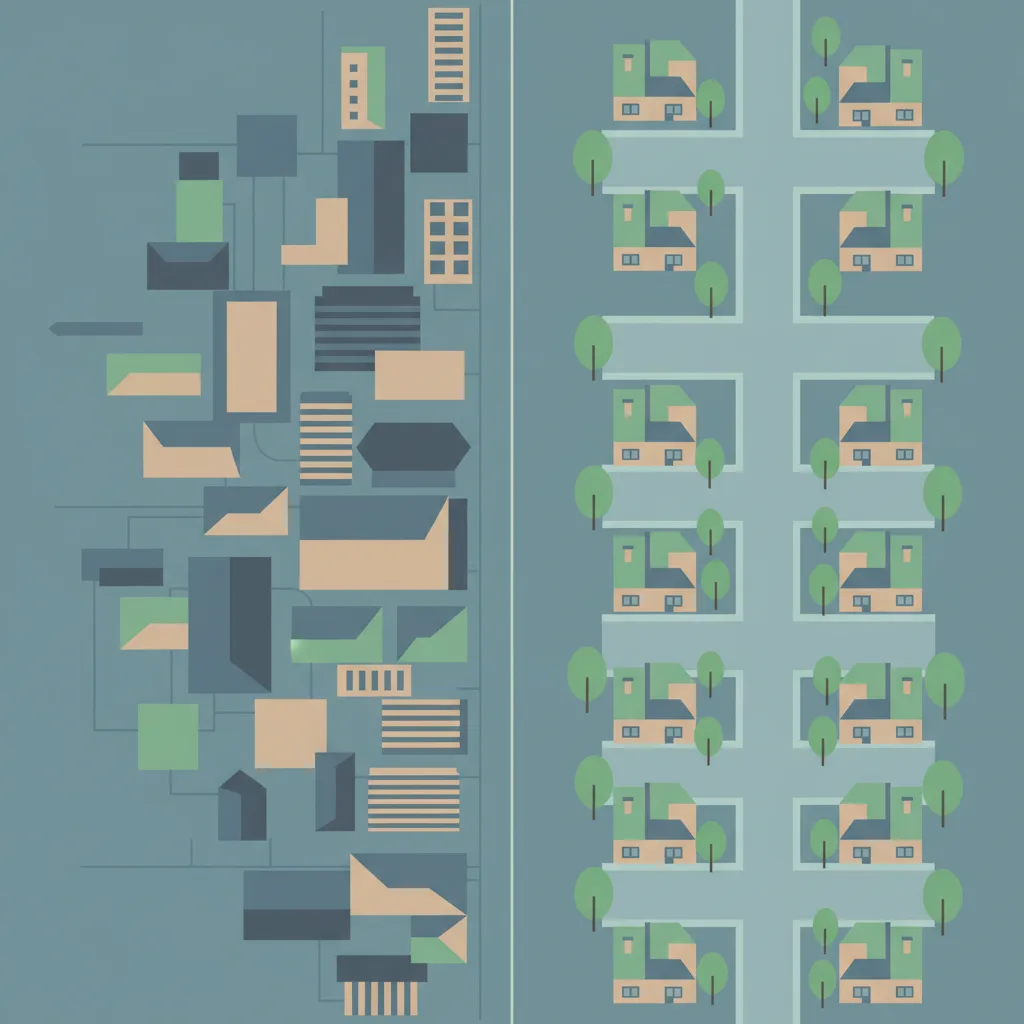
A city skyline and a quiet suburban street separated by a thin vertical line.

Rimpianto per azione

Vivere in città

43%

Il 43% degli abitanti delle città dice che si trasferirebbe altrove se potesse (proxy di desiderio di trasloco, non rammarico retrospettivo — vedi caveat)

Adulti statunitensi che vivono in grandi città

retrospettivo, nessun orizzonte temporale fisso

Rimpianto per inazione

Vivere in periferia

35%

Il 35% degli abitanti dei sobborghi dice che si trasferirebbe altrove se potesse (proxy di desiderio di trasloco, non rammarico retrospettivo — vedi caveat)

Adulti statunitensi che vivono nei sobborghi di grandi città

retrospettivo, nessun orizzonte temporale fisso

% rimpiange questa scelta

action dominates — L'azione domina — la maggior parte si pente di aver agito.

Decisioni correlate

Decisioni semanticamente simili — stesso terreno, compromessi diversi.

lifestyle

Lasciare la città natale

% rimpiange questa scelta

L'inazione prevale

Rimpianto per l'inazione 1.5× maggiore

lifestyle

Trasferirsi all’estero

% rimpiange questa scelta

L'inazione prevale

Rimpianto per l'inazione 5.7× maggiore

lifestyle

Accettare il cambiamento

% rimpiange questa scelta

L'inazione prevale

Rimpianto per l'inazione 3.3× maggiore

lifestyle

Tatuaggio

% rimpiange questa scelta

L'azione prevale

Rimpianto per l'azione 1.6× maggiore

lifestyle

Abbandonare la religione

% rimpiange questa scelta

L'inazione prevale

Rimpianto per l'inazione 2.9× maggiore

lifestyle

Tenere o dare in adozione l'animale

% rimpiange questa scelta

L'inazione prevale

Rimpianto per l'inazione 5.7× maggiore

lifestyleDiretta

Vietnam: migrare in città vs. restare in villaggio

% rimpiange questa scelta

L'azione prevale

Rimpianto per l'azione 2.1× maggiore

lifestyle

Procrastinazione

% rimpiange questa scelta

L'inazione prevale

Rimpianto per l'inazione 4.7× maggiore

Pew Research found in late 2021 that 43% of urban residents would move to a different community if they could, compared with 35% of suburban residents — an 8-point gap that puts city living on the action-regret side of the ledger. The gap is real but narrow, and it widened during the pandemic: between 2018 and 2021, the share of Americans preferring suburbs climbed from 42% to 46%, while urban preference dropped from 23% to 19%. Separately, Home Bay’s 2023 survey of 1,000 recent movers found that 75% expressed some regret about their move regardless of direction, suggesting that relocation itself — not the destination — is the primary regret generator.

The asymmetry here is unusually weak compared to most regret-pair entries in this dataset. Gilovich and Medvec’s temporal framework predicts that inaction regret dominates over time, yet the city-vs-suburb question resists that pattern: choosing the city (action) produces slightly more dissatisfaction than staying in the suburbs (inaction). One explanation is that urban living imposes daily friction — cost, noise, space constraints — that keeps action regret salient rather than allowing it to fade. Another is that suburbs are not really an “inaction” in any meaningful sense; both choices are active, and framing suburbs as the default is itself a cultural artifact of post-war American planning.

The main caveat is measurement. Pew asked about desire to leave, not about regret for a past choice. A 25-year-old renting in Brooklyn who wants to leave may be responding to rent pressure, not regretting a life decision. The 75% Home Bay figure is similarly blunt — it includes people who regret their moving company, their timing, or their square footage, not the city-vs-suburb axis specifically. The directional finding (city dwellers are modestly more dissatisfied than suburbanites) is consistent across multiple surveys, but the 8-point gap should be read as a signal of mild asymmetry, not a strong verdict.

Fonti: azione

Registro delle fonti

Ogni numero qui sotto è ciò che ciascuna fonte ha riportato, con la citazione testuale su cui ci siamo basati e come siamo arrivati alla nostra cifra. Clicca su qualsiasi link per verificare direttamente.

1/2 fonti verificate in modo indipendente e alla lettera rispetto alla fonte citata

  1. [1] Pew Research Center — Americans Are Less Likely Than Before COVID-19 To Want To Live in Cities Verificato
    Americans Are Less Likely Than Before COVID-19 To Want To Live in Cities
    Statistica
    43% of urban dwellers say they would like to move (forward-looking move-desire, not retrospective regret)
    Estratto
    “"Some 43% of urban dwellers say they would like to move, compared with 35% in suburbs and an even smaller share of those in rural areas (25%)." ”
    Dati originali da
    2021-12-16
    Consultato
    2026-04-26
    Verifica
    Estratto recuperato in modo indipendente e confermato parola per parola rispetto alla fonte citata durante il nostro audit di attendibilità.
    Calcolo
    Pew Research Center survey of 9,676 US adults conducted Oct 18–Nov 1, 2021. The 43% figure refers to urban residents who express a desire to move to a different community. We treat this as a proxy for city-living regret: the question captures dissatisfaction intense enough to motivate relocation intent.
  2. [2] CNBC — 75% of Americans who moved last year have regrets—here's the No. 1 reason why
    75% of Americans who moved last year have regrets—here's the No. 1 reason why
    Statistica
    75% of Americans who moved in 2022 have regrets about their move
    Estratto
    “"Three out of four Americans (75%) say they had regrets about relocating last year... The number one regret was a tie between not moving to a bigger place and missing their previous home, which was selected by 20% of those surveyed." ”
    Dati originali da
    2023-03-11
    Consultato
    2026-07-01
    Calcolo
    CNBC reporting on a Home Bay online survey of 1,000 Americans who moved in 2022, fielded December 29, 2022. The 75% figure covers all movers, not just city-to-suburb movers, and captures any regret (cost, size, location, timing). Included as contextual evidence that moving regret is pervasive regardless of direction. Replaced the dead homebay.com/moving-trends/ link (403/removed) with CNBC's verbatim coverage of the same survey on 2026-07-01.

Fonti: inazione

Registro delle fonti

Ogni numero qui sotto è ciò che ciascuna fonte ha riportato, con la citazione testuale su cui ci siamo basati e come siamo arrivati alla nostra cifra. Clicca su qualsiasi link per verificare direttamente.

1/1 fonti verificate in modo indipendente e alla lettera rispetto alla fonte citata

  1. [1] Pew Research Center — Americans Are Less Likely Than Before COVID-19 To Want To Live in Cities Verificato
    Americans Are Less Likely Than Before COVID-19 To Want To Live in Cities
    Statistica
    35% of suburban residents say they would like to move (forward-looking move-desire, not retrospective regret)
    Estratto
    “"Some 43% of urban dwellers say they would like to move, compared with 35% in suburbs and an even smaller share of those in rural areas (25%)." ”
    Dati originali da
    2021-12-16
    Consultato
    2026-04-26
    Verifica
    Estratto recuperato in modo indipendente e confermato parola per parola rispetto alla fonte citata durante il nostro audit di attendibilità.
    Calcolo
    Same Pew survey as action_side. The 35% figure represents suburban residents expressing desire to move — 8 percentage points lower than the city-dweller rate, suggesting modestly lower dissatisfaction in suburban settings.

Avvertenze

I dati Pew misurano il desiderio di lasciare un tipo di comunità, non il rammarico retrospettivo su una decisione passata — sono un proxy di insoddisfazione, non un sondaggio diretto sul rammarico. Il divario di 8 punti percentuali è modesto e potrebbe rientrare nel margine di errore del sondaggio per i confronti tra sottogruppi. Il dato del 75% di Home Bay si applica a tutti coloro che traslocano indipendentemente dall'origine o dalla destinazione, quindi non può essere scomposto nei tassi di rammarico città-verso-sobborgo vs sobborgo-verso-città. Il sentiment post-COVID ha spostato le preferenze verso i sobborghi (Pew ha mostrato la preferenza per i sobborghi salire dal 42% al 46% tra il 2018 e il 2021), il che potrebbe sovrastimare il rammarico per la vita in città rispetto all'equilibrio di lungo periodo. L'età è un importante fattore confondente: gli adulti sotto i 30 anni preferiscono le città al 31% contro il 14% tra gli over 65, quindi il divario aggregato confonde la fase del ciclo di vita con un genuino rammarico legato al luogo.

Dati grezzi: /api/decisions.json

Visti di recente su questo dispositivo