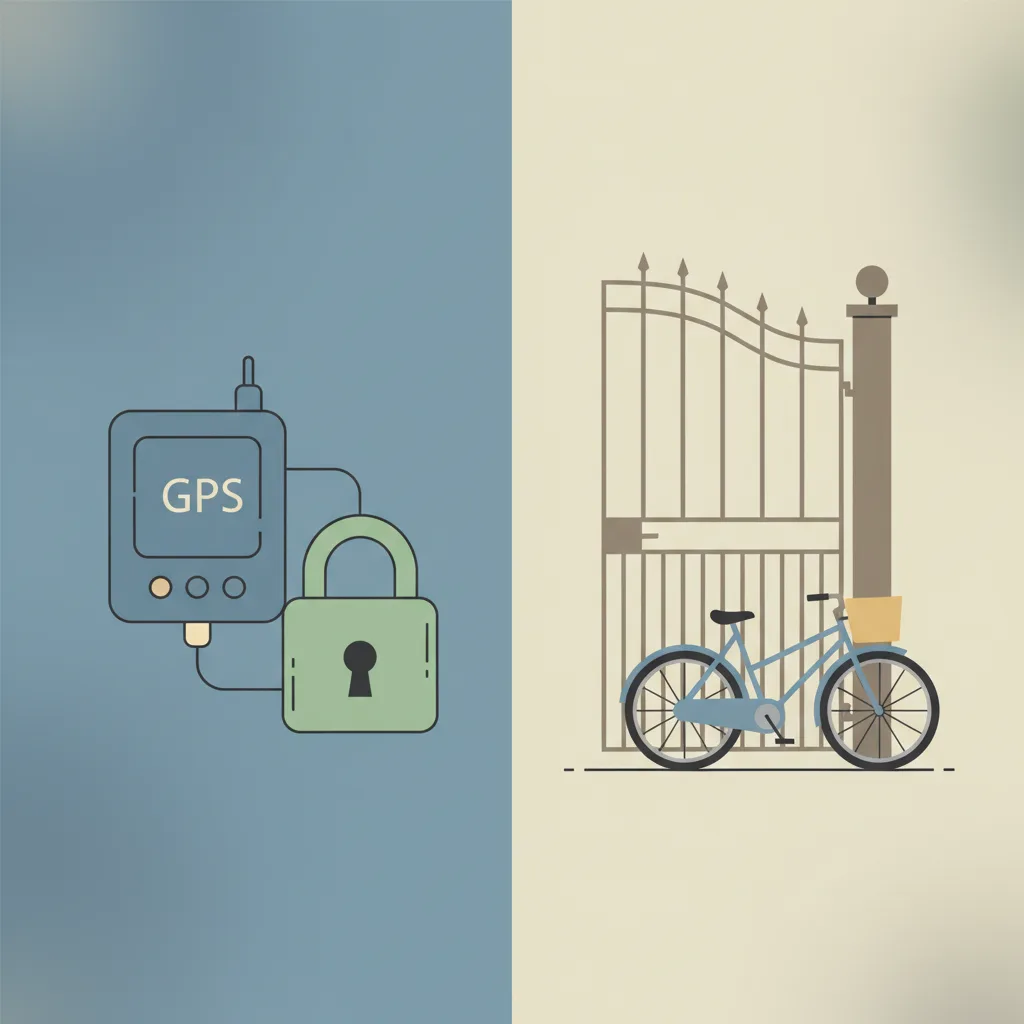
Dawanie dzieciom znacznej swobody poruszania sie i eksploracji vs scisle nadzorowanie ich aktywnosci i miejsca pobytu
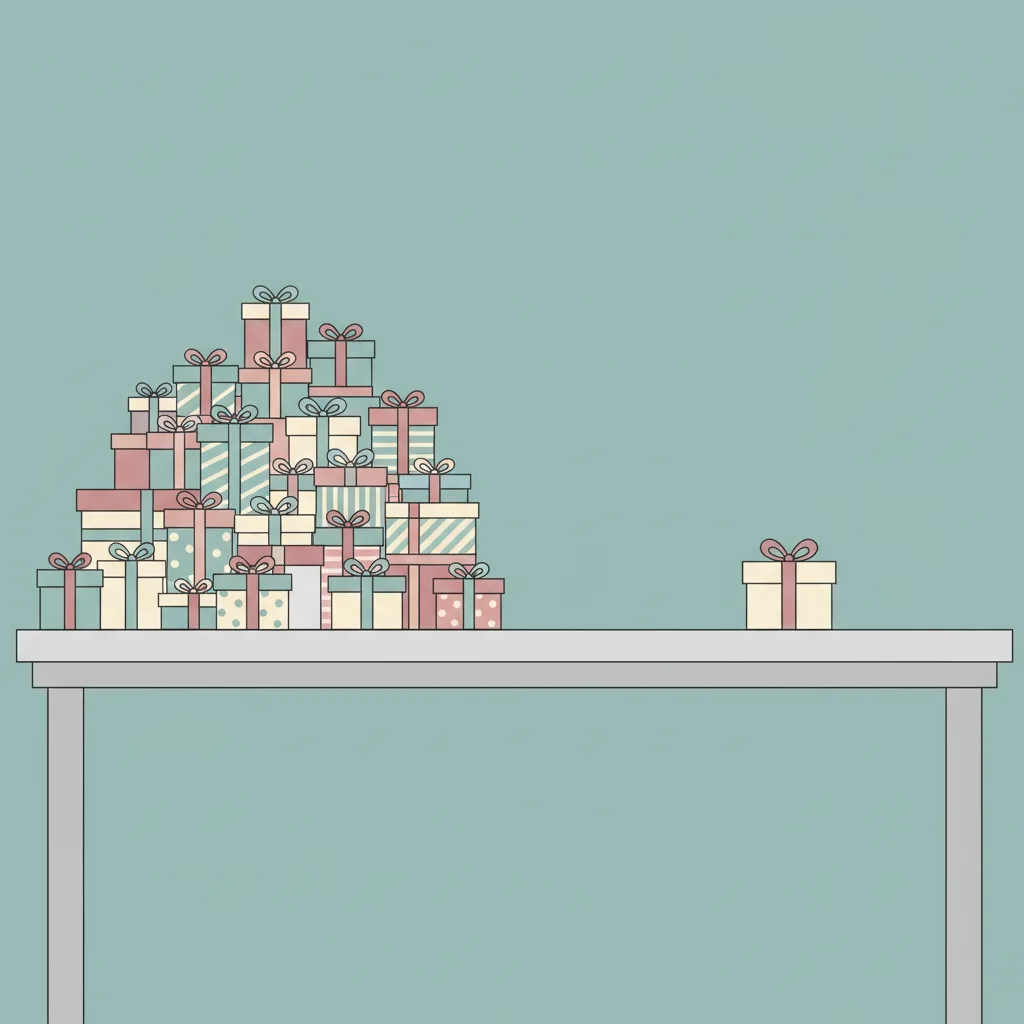
Jeśli działasz
Ścisły nadzór
45%
Jeśli nie działasz
Swobodne wychowanie
20%
Odsetek osób, które później żałują każdego wyboru. Słupki i pełna kartoteka danych poniżej.
Rodzina
Ostatnio sprawdzono 2026-06-14
Jakość dowodów 4.63/5
Ocena recenzji w ośmiu wymiarach względem
rubryki jakości
. Każdy wymiar oceniony w skali 1–5.
D1 Weryfikacja źródeł
5/5
D2 Autorytet i niezależność źródeł
5/5
D3 Dokładność wskaźnika żalu
2/5
D4 Porównywalność źródeł
5/5
D5 Wzorzec Gilovicha
5/5
D6 Jakość tekstu
5/5
D7 Kompletność zastrzeżeń
5/5
D8 Jakość próby
5/5
Średnia4.63/5
Dane zastępcze — dla tej decyzji nie istnieje bezpośrednie badanie żałowania. Wskaźniki są oparte na ocenach zadowolenia i danych o barierach dostępu, a nie na pytaniach bezpośrednio dotyczących żałowania. Zobacz zastrzeżenia poniżej.
Żal za działanie
Ścisły nadzór
45%
45% amerykańskich rodziców samoidentyfikuje się jako skłonnych być nadopiekuńczymi (proxy samoidentyfikacji)
Amerykańscy rodzice z dziećmi poniżej 18 lat, ogólnokrajowo reprezentatywnie
45% of US parents self-identify as tending to be overprotective, per Pew
Research Center’s nationally representative 2023 survey of 3,757 parents — more
than double the 20% who say they tend to give too much freedom. Both figures
emerge from the same instrument and the same sample, making this one of the
cleaner action-vs-inaction comparisons available in the parenting literature.
The outcome research reinforces the direction: McCoy, Dimler, and Rodrigues
(2025) aggregated 53 studies and 111 effect sizes in the Journal of Adult
Development and found helicopter parenting consistently associated with
increased anxiety and depression and reduced self-efficacy, academic adjustment,
and regulatory skills in emerging adults.
The case against excessive independence is real but narrow. A handful of studies
find that extended unsupervised time correlates with modestly elevated risk of
externalizing problems in younger children. Yet Gray, Lancy, and Bjorklund (2023) reviewed
decades of evidence in The Journal of Pediatrics and concluded the opposite
dynamic is the dominant public-health concern: declining opportunities for
independent activity are a primary driver of rising childhood anxiety and
depression. The world has also become objectively safer for children since the
1980s — rates of child abduction and traffic fatalities have fallen substantially
— even as parental supervision has intensified. The gap between objective risk
and perceived risk is itself a well-documented phenomenon in the parenting
literature.
The Pew data capture a self-aware tension that Gilovich’s framework would
predict: action regrets (having hovered too much) tend to feel more acute in
the present because the costs — a child who cannot order at a restaurant,
negotiate a conflict, or tolerate brief discomfort — are visible day to day,
whereas inaction regrets (having allowed too much freedom) are more abstract
and harder to attribute to a specific parenting choice. Neither figure here is
a retrospective regret rate; both are self-identification proxies from a moment
in time, and both undercount the true share of parents who feel some measure
of dissatisfaction with their approach. The C.S. Mott Children’s Hospital
Poll (2023) found that four in five parents of 9–11-year-olds agreed free
time without adult supervision is beneficial, yet fewer than half permitted
unsupervised neighbourhood activities — suggesting a large group of parents
who believe one thing and do another, and who may not yet have labelled
their own behaviour as overprotective.
Źródła: działanie
Rejestr twierdzeń
Każda liczba poniżej jest tym, co podało dane źródło — z dosłownym cytatem, na którym się oparliśmy, i sposobem, w jaki doszliśmy do naszej wartości. Kliknij dowolny link, żeby zweryfikować bezpośrednio.
1/2 źródeł niezależnie zweryfikowanych słowo w słowo z podanym źródłem
[1]Pew Research Center (Minkin & Horowitz 2023) — Parenting in America Today: A Survey Report (2023)
Zweryfikowane
↗ 1 other entry
Badanie pierwotne
More than four-in-ten parents (45%) say they tend to be overprotective, compared with 20% who say they tend to give too much freedom
Cytat
“"More than four-in-ten parents (45%) say they tend to be overprotective, compared with 20% who say they tend to give too much freedom. About half of mothers (51%) say they are the type of parent who tends to be overprotective, compared with 38% of fathers."
”
Dane źródłowe z
2023-01-24
Dostęp
2026-05-02
Weryfikacja
Cytat niezależnie pobrany ponownie i potwierdzony słowo w słowo z podanym źródłem podczas naszego audytu ugruntowania.
Obliczenie
Pew Research Center nationally representative survey of 3,757 US parents with children under 18, collected Sept 20–Oct 2, 2022. Among all parents, 45% self-describe as tending to be overprotective. We use this as the action-side proxy: parents who recognise their own tendency toward over-supervision — a weaker claim than retrospective regret but the closest available population-level measure. The same instrument, same sample, and same question set also yields the inaction-side figure (20% give too much freedom), making it the cleanest mirror comparison available in the literature.
[2]Journal of Adult Development (McCoy, Dimler & Rodrigues 2025) — Parenting in Overdrive: A Meta-analysis of Helicopter Parenting Across Multiple Indices of Emerging Adult Functioning↗ 1 other entry
Recenzowane naukowo
Analysis of 53 studies and 111 effect sizes found helicopter parenting associated with increased internalizing behaviors and reduced academic adjustment, self-efficacy, and regulatory skills
Cytat
“"An analysis of 53 studies and 111 effect sizes revealed that helicopter parenting was associated with increased internalizing behaviors and reduced academic adjustment, self-efficacy and regulatory skills. Parent gender did not moderate these associations."
”
Dane źródłowe z
2024-09-18
Dostęp
2026-05-02
Obliczenie
McCoy, Dimler & Rodrigues (2024/2025) meta-analysis published in the Journal of Adult Development. This is an outcomes study, not a regret survey; it contextualises why the action-side proxy carries regret-adjacent weight — helicopter-parented children show measurably worse functioning across anxiety, depression, academic adjustment, and self-efficacy, supporting the direction of the action-side interpretation.
Źródła: bezczynność
Rejestr twierdzeń
Każda liczba poniżej jest tym, co podało dane źródło — z dosłownym cytatem, na którym się oparliśmy, i sposobem, w jaki doszliśmy do naszej wartości. Kliknij dowolny link, żeby zweryfikować bezpośrednio.
1/2 źródeł niezależnie zweryfikowanych słowo w słowo z podanym źródłem
[1]Pew Research Center (Minkin & Horowitz 2023) — Parenting in America Today: A Survey Report (2023)
Zweryfikowane
↗ 1 other entry
Badanie pierwotne
20% of parents say they tend to give their children too much freedom, vs 45% who say they tend to be overprotective
Cytat
“"More than four-in-ten parents (45%) say they tend to be overprotective, compared with 20% who say they tend to give too much freedom. About half of mothers (51%) say they are the type of parent who tends to be overprotective, compared with 38% of fathers."
”
Dane źródłowe z
2023-01-24
Dostęp
2026-05-02
Weryfikacja
Cytat niezależnie pobrany ponownie i potwierdzony słowo w słowo z podanym źródłem podczas naszego audytu ugruntowania.
Obliczenie
Same Pew 2023 nationally representative survey of 3,757 US parents. Among all parents, 20% self-describe as tending to give too much freedom — the mirror counterpart of the action-side 45% from the identical question. The shared instrument and sample eliminate cross-survey framing bias that would otherwise undermine comparison. We use 20% as the inaction-side proxy: parents who recognise their own tendency toward under-supervision — again a weaker claim than direct regret but the cleanest available measure.
[2]The Journal of Pediatrics (Gray, Lancy & Bjorklund 2023) — Decline in Independent Activity as a Cause of Decline in Children's Mental Well-being: Summary of the Evidence↗ 1 other entry
Recenzowane naukowo
Decades-long decline in children's independent activity is proposed as a primary cause of rising anxiety and depression among children and teens
Cytat
“"A primary cause of the rise in mental disorders is a decline over decades in opportunities for children and teens to play, roam, and engage in other activities independent of direct oversight and control by adults. Although well intended, adults' drive to guide and protect children has deprived them of the independence they need for mental health."
”
Dane źródłowe z
2023-02-01
Dostęp
2026-05-02
Obliczenie
Gray, Lancy & Bjorklund (2023) review in The Journal of Pediatrics. This is an outcomes study, not a regret survey; it contextualises the inaction side by showing that reduced adult supervision is associated with better child mental health outcomes, making the inaction-side regret rate structurally lower than the action-side rate. It supports the direction of the inaction-side proxy without providing a head-count.
Zastrzeżenia
Żadna z liczb nie jest bezpośrednim pomiarem żalu — obie są proxy samoidentyfikacji, oznaczonymi jako takie w regret_display. Pytanie Pew 2023 prosi rodziców o opis własnej tendencji („skłonny być nadopiekuńczym” vs „skłonny dawać za dużo wolności”); rozpoznanie tendencji jest słabszym twierdzeniem niż retrospektywne żałowanie jej. Lustrzane ramowanie z pojedynczego instrumentu i próby 3757 rodziców jest metodologicznie najczystsze z dostępnych: oba wskaźniki pochodzą z tego samego zestawu pytań, eliminując stronniczość ramowania między ankietami, która dotyka większości innych wpisów w tej kolekcji. Liczba 45% reprezentuje znaczący spadek od 2015 r., kiedy 62% amerykańskich rodziców opisywało się jako co najmniej czasami nadopiekuńczy — sugerując, że etykieta jest wrażliwa na zmieniające się normy społeczne wokół intensywnego rodzicielstwa, nie tylko na zachowanie rodzicielskie. Żadna duża ankieta nie pytała wprost rodziców, czy żałują zbyt bliskiego nadzoru lub dawania za dużej niezależności; rozległe poszukiwania potwierdzają tę lukę w literaturze. Literatura wynikowa (metaanaliza McCoy i in. 2024; Gray i in. 2023) konsekwentnie pokazuje negatywne skutki rodzicielstwa „helikoptera”, wzmacniając kierunek dominacji działania, ale dane wynikowe i dane żalu to odrębne konstrukty. Ankieta krajowa C.S. Mott Children's Hospital (sierpień 2023, n=1044 rodziców dzieci w wieku 5–11 lat) udokumentowała dużą lukę między postawą a działaniem — czworo na pięcioro rodziców dzieci w wieku 9–11 lat zgadza się, że czas wolny bez nadzoru jest dobry, ale mniej niż połowa pozwala na nienadzorowane sąsiedzkie aktywności — sugerując, że 20% samoidentyfikujących się jako dający za dużo wolności może niedoszacowywać prawdziwego udziału tych, których zachowanie skłania się ku niezależności. Dane ankietowe pochodzą z prób USA; normy rodzicielskie, stanowe ramy prawne dla niezależności dziecka i oczekiwania kulturowe znacznie różnią się między krajami.