





Przejdź do treści
Likelier

Żal z działania a żal z bezczynności

Umieszczenie starzejacego sie rodzica w placowce opiekunczej vs samodzielna opieka nad nim w domu

Jeśli działasz

Dom opieki

54%

Jeśli nie działasz

Opieka w domu

23%

Odsetek osób, które później żałują każdego wyboru. Słupki i pełna kartoteka danych poniżej.


Rodzina

Ostatnio sprawdzono 2026-05-02

Jakość dowodów 4.13/5

Ocena recenzji w ośmiu wymiarach względem rubryki jakości . Każdy wymiar oceniony w skali 1–5.

D1 Weryfikacja źródeł
5/5
D2 Autorytet i niezależność źródeł
4/5
D3 Dokładność wskaźnika żalu
2/5
D4 Porównywalność źródeł
3/5
D5 Wzorzec Gilovicha
5/5
D6 Jakość tekstu
5/5
D7 Kompletność zastrzeżeń
5/5
D8 Jakość próby
4/5
Średnia 4.13/5
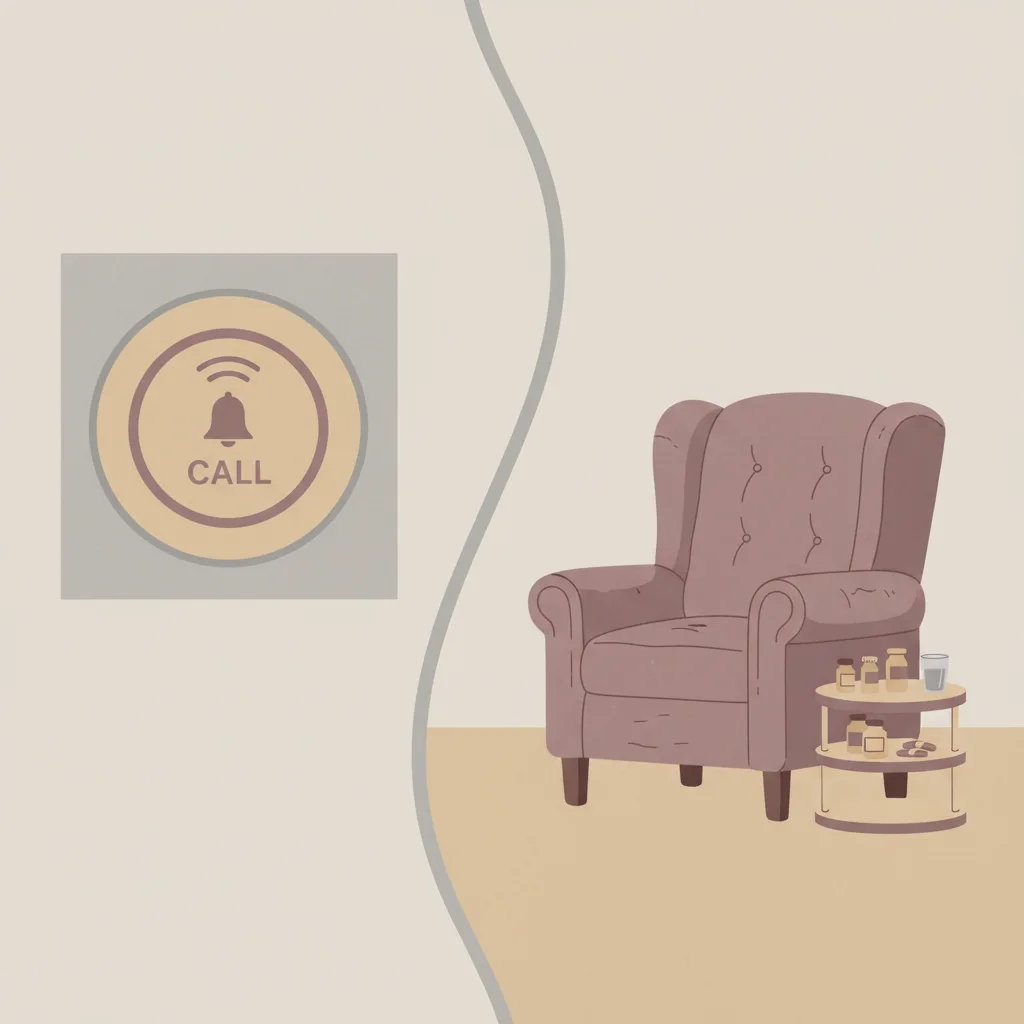
A hospital call button on the left and a home armchair with a medication tray on the right

Żal za działanie

Dom opieki

54%

54% rodzin zgłasza poczucie co najmniej pewnej winy po umieszczeniu w domu opieki (proxy winy)

Dorośli Amerykanie z członkiem rodziny w domu opieki

przekrojowo, retrospektywnie

Żal za zaniechanie

Opieka w domu

23%

23% opiekunów domowych zgłasza, że ich zdrowie pogorszyło się z powodu opieki (proxy obciążenia)

Amerykańscy opiekunowie rodzinni, ogólnokrajowo reprezentatywnie

przekrojowo; trwająca opieka w czasie ankiety

% żałuje tej decyzji

action dominates — Działanie dominuje — większość żałuje, że podjęła działanie.

Powiązane decyzje

Semantycznie podobne decyzje — ten sam obszar, inne kompromisy.

familyBezpośrednie

Zezwól na donację organów rodziny vs. odmów

% żałuje tej decyzji

Zaniechanie dominuje

Żal za zaniechaniem 6.8× wyższy

family

Rodzic w domu vs pracujący

% żałuje tej decyzji

Działanie dominuje

Żal za działaniem 1.3× wyższy

family

Adopcja vs wychowanie wlasne

% żałuje tej decyzji

Działanie dominuje

Żal za działaniem 4.8× wyższy

family

Prywatna vs publiczna

% żałuje tej decyzji

Zaniechanie dominuje

Żal za zaniechaniem 3.2× wyższy

family

Pełna opieka prawna vs wspierane decyzje

% żałuje tej decyzji

Zrównoważone

W przybliżeniu równy

family

Ratować vs. dać sobie radzić

% żałuje tej decyzji

Działanie dominuje

Żal za działaniem 1.2× wyższy

family

Posiadanie dzieci

% żałuje tej decyzji

Zrównoważone

W przybliżeniu równy

family

Swoboda vs nadzor rodzicielski

% żałuje tej decyzji

Działanie dominuje

Żal za działaniem 2.3× wyższy

54% of families report feeling at least somewhat guilty after placing a relative in a nursing home, according to a Care.com survey of 978 US adults (2019), with 14% feeling “extremely guilty.” A peer-reviewed parallel from Statz et al. (2021), tracking 83 dementia caregivers through residential long-term care transitions, found that nearly half (46.3%) experienced guilt from the care recipient, other family members, or facility staff. Adult children reported markedly more guilt from other family members than spouses did — 29.8% versus 4.0%, the only guilt source that differed significantly by caregiver role — and the qualitative record is thick with the specific fear that placement happened “too soon.” Action-side guilt is well-documented, replicated across research designs, and begins immediately after the move.

The inaction side lacks a symmetrical direct-regret measure, but the burden data are substantial. The 2020 NAC/AARP nationally representative survey of 1,707 US caregivers found that 23% said caregiving had made their own health worse — up from 17% in 2015. The same report found 28% had stopped saving and 23% had taken on more debt because of caregiving. Schulz and Sherwood’s 2008 synthesis of three decades of caregiver health research concluded that caregiving “creates physical and psychological strain over extended periods of time” and that roughly two-thirds of caregivers experience some negative consequence. The floor of inaction-side harm is real but harder to frame as regret because most home caregivers are embedded in an ongoing situation rather than looking back on a discrete choice.

Under Gilovich and Medvec’s framework, actions generate more regret in the short term, and the placement guilt literature fits this pattern: guilt is highest immediately after the move and tends to attenuate as the care recipient stabilises and the caregiver observes professional care quality. Inaction regret — regret about not having placed sooner — is harder to study because it surfaces mainly when home care has already broken down (hospitalisation, caregiver health crisis, or care recipient injury from inadequate supervision). The 31-point gap between sides should be read cautiously: the two measures are not equivalent constructs, and a direct bilateral survey asking both groups the same retrospective question does not yet exist in the published literature.

Źródła: działanie

Rejestr twierdzeń

Każda liczba poniżej jest tym, co podało dane źródło — z dosłownym cytatem, na którym się oparliśmy, i sposobem, w jaki doszliśmy do naszej wartości. Kliknij dowolny link, żeby zweryfikować bezpośrednio.

  1. [1] Care.com / Statista — Guilt over leaving one or more relatives in a nursing home in the United States in 2019
    Guilt over leaving one or more relatives in a nursing home in the United States in 2019
    Statystyka
    53.6% of respondents felt at least somewhat guilty: extremely (13.7%), moderately (20.9%), somewhat (19%); 23.7% slightly guilty; 22.7% not at all
    Cytat
    “"In the 2019, roughly 14 percent of people with a relative in a nursing home felt extremely guilty over their choice of leaving their relative in the nursing home." ”
    Dane źródłowe z
    2019-01-25
    Dostęp
    2026-05-02
    Obliczenie
    Care.com online survey, n=978 US adults with a family member in a nursing home, 2019. Regret proxy: respondents rating guilt as "extremely" (13.7%) + "moderately" (20.9%) + "somewhat" (19.0%) = 53.6%, rounded to 0.54. The AARP coping article independently summarises this as "over 50 percent felt at least somewhat guilty." "Slightly guilty" (23.7%) is excluded as below the "somewhat" threshold used by AARP's framing.
  2. [2] Couple and Family Psychology: Research and Practice (PMC) — "We Moved Her Too Soon": Navigating Guilt Among Adult Child and Spousal Caregivers of Persons Living with Dementia Following a Move into Residential Long-Term Care
    "We Moved Her Too Soon": Navigating Guilt Among Adult Child and Spousal Caregivers of Persons Living with Dementia Following a Move into Residential Long-Term Care
    Statystyka
    46.3% of dementia caregivers (N=83) reported experiencing guilt from care recipient, other family members, or facility staff following nursing home placement
    Cytat
    “"Nearly half of caregivers reported experiencing guilt from their care recipient, other family members, or facility staff." ”
    Dane źródłowe z
    2021-05-13
    Dostęp
    2026-05-02
    Obliczenie
    Mixed-methods study, N=83 caregivers (25 spouses, 58 adult children) transitioning a family member with Alzheimer's disease or related dementia to residential long-term care. Quantitative analyses identified guilt prevalence at 46.3% for any source of guilt. Adult children reported guilt from other family members at 29.8% vs 4.0% for spouses. The peer-reviewed figure (46.3%) is conservative relative to the Care.com survey (53.6%); the entry uses the Care.com figure as the primary regret_rate because it covers a broader guilt construct and a larger, non-dementia-specific sample.

Źródła: bezczynność

Rejestr twierdzeń

Każda liczba poniżej jest tym, co podało dane źródło — z dosłownym cytatem, na którym się oparliśmy, i sposobem, w jaki doszliśmy do naszej wartości. Kliknij dowolny link, żeby zweryfikować bezpośrednio.

1/2 źródeł niezależnie zweryfikowanych słowo w słowo z podanym źródłem

  1. [1] National Alliance for Caregiving (NAC) and AARP — Caregiving in the United States 2020
    Caregiving in the United States 2020
    Statystyka
    23% of US caregivers say caregiving has made their own health worse, up from 17% in 2015; 23% find it hard to take care of their own health
    Cytat
    “"Family caregivers provide vital help and care for their loved ones, yet this survey shows that they keep getting stretched thinner and thinner." ”
    Dane źródłowe z
    2020-05-14
    Dostęp
    2026-05-02
    Obliczenie
    NAC/AARP nationally representative probability-based online survey of 1,707 US caregivers age 18+, conducted 2019 by Greenwald & Associates. Regret proxy: 23% reporting health has worsened. This is a burden/harm proxy, not a direct regret measure — no large-scale survey asks home caregivers retrospectively whether they regret choosing home care over facility placement. The 23% represents the floor of caregiver harm; separate data show 28% have stopped saving, 23% have taken on more debt, and 21% provide 41+ hours/week of care. The health-worsened figure is used as the regret_rate because health decline is the most proximate marker of caregiver regret in the absence of a direct question.
  2. [2] American Journal of Nursing — Physical and Mental Health Effects of Family Caregiving Zweryfikowane
    Physical and Mental Health Effects of Family Caregiving
    Statystyka
    Caregiving creates physical and psychological strain over extended periods; about one third of caregivers report neither strain nor negative health effects, implying approximately two thirds experience some negative consequence
    Cytat
    “"Caregiving has all the features of a chronic stress experience: It creates physical and psychological strain over extended periods of time, is accompanied by high levels of unpredictability and uncontrollability, has the capacity to create secondary stress in multiple life domains such as work and family relationships, and frequently requires high levels of vigilance." ”
    Dane źródłowe z
    2008-09-01
    Dostęp
    2026-05-02
    Weryfikacja
    Cytat niezależnie pobrany ponownie i potwierdzony słowo w słowo z podanym źródłem podczas naszego audytu ugruntowania.
    Obliczenie
    Literature review by Schulz & Sherwood, American Journal of Nursing, September 2008, Vol. 108, No. 9 Supplement, pp. 23–27. DOI: 10.1097/01.NAJ.0000336406.45248.4c. Authors synthesise three decades of caregiver health research and note that approximately one third of caregivers report no strain, suggesting two thirds experience some negative health consequence. This is directionally consistent with the AARP 2020 figure of 23% reporting health explicitly worsened, which is the primary regret_rate used. The Schulz & Sherwood review corroborates that the AARP 23% is a reasonable lower bound.

Zastrzeżenia

Dwie strony mierzą różne konstrukty: wskaźniki po stronie działania to reakcje winy na zakończoną decyzję o umieszczeniu, podczas gdy wskaźniki po stronie zaniechania to proxy obciążenia zdrowotnego wśród obecnych opiekunów domowych — żadna duża ankieta nie pyta wprost opiekunów domowych, czy żałują nieskorzystania z opieki instytucjonalnej. Ankieta Care.com po stronie działania (n=978) to opt-in panel online, nie próba probabilistyczna, co może nadreprezentować opiekunów aktywnie szukających informacji o winie. Recenzowana liczba Gauglera (46,3%) jest specyficzna dla demencji i używa węższego konstruktu winy; 54% liczba wpisowa z Care.com obejmuje wszystkie relacje w domach opieki. Obie liczby po stronie działania to proxy winy, a nie żal zmierzony w stałym retrospektywnym horyzoncie. Obciążenie opieki znacznie się różni według diagnozy, intensywności i dostępnego wsparcia: dane AARP pokazują, że 21% opiekunów domowych zapewnia 41+ godzin tygodniowo, podgrupa prawdopodobnie doświadczająca znacznie wyższych wskaźników żalu niż 23% nagłówkowe. Wreszcie decyzja o umieszczeniu lub opiece w domu rzadko jest wolno wybierana — ograniczenia finansowe, geografia, dynamika rodzinna i potrzeba kliniczna wszystkie ją kształtują, czyniąc żal częściowo przypisywalnym okolicznościom, a nie samej decyzji.

Dane surowe: /api/decisions.json

Ostatnio oglądane na tym urządzeniu