




Przejdź do treści
Likelier

Żal z działania a żal z bezczynności

Zrobienie tatuażu vs rezygnacja

Jeśli działasz

Zrobienie tatuażu

24%

Jeśli nie działasz

Rezygnacja z tatuażu

15%

Odsetek osób, które później żałują każdego wyboru. Słupki i pełna kartoteka danych poniżej.


Styl życia

Ostatnio sprawdzono 2026-04-26

Jakość dowodów 4.38/5

Ocena recenzji w ośmiu wymiarach względem rubryki jakości . Każdy wymiar oceniony w skali 1–5.

D1 Weryfikacja źródeł
5/5
D2 Autorytet i niezależność źródeł
5/5
D3 Dokładność wskaźnika żalu
3/5
D4 Porównywalność źródeł
3/5
D5 Wzorzec Gilovicha
4/5
D6 Jakość tekstu
5/5
D7 Kompletność zastrzeżeń
5/5
D8 Jakość próby
5/5
Średnia 4.38/5
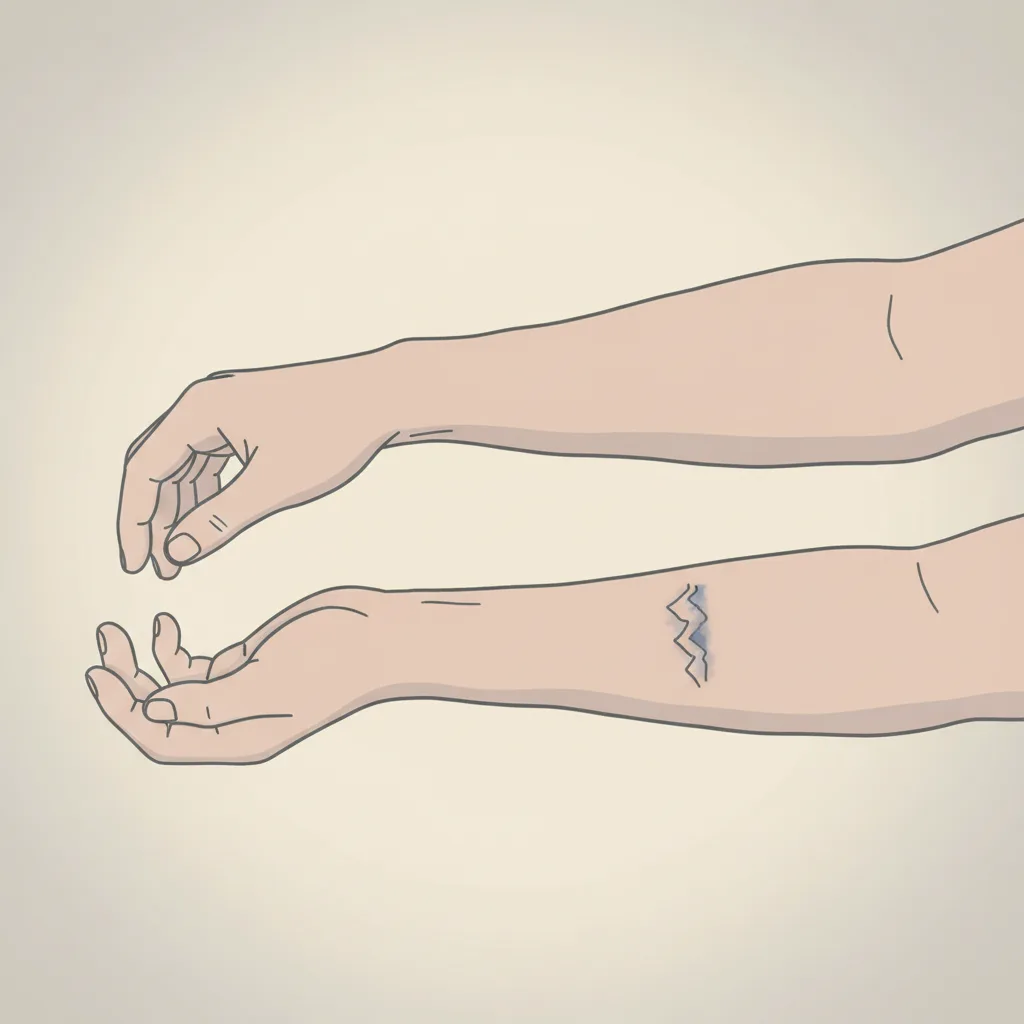
A bare forearm beside an identical forearm with a small faded tattoo, both resting on a neutral surface.

Żal za działanie

Zrobienie tatuażu

24%

24% żałuje co najmniej jednego tatuażu

Dorośli Amerykanie z tatuażami, ogólnokrajowo reprezentatywnie

retrospektywnie, bez stałego horyzontu

Żal za zaniechanie

Rezygnacja z tatuażu

15%

15% dorosłych bez tatuaży mówi, że prawdopodobnie zrobi sobie tatuaż (proxy — zob. caveaty)

Dorośli Amerykanie bez tatuaży

retrospektywnie, bez stałego horyzontu

% żałuje tej decyzji

action dominates — Działanie dominuje — większość żałuje, że podjęła działanie.

Powiązane decyzje

Semantycznie podobne decyzje — ten sam obszar, inne kompromisy.

Zdrowie

Piercing ciała

% żałuje tej decyzji

Działanie dominuje

Żal za działaniem 4.0× wyższy

lifestyle

Dieta wegetariańska

% żałuje tej decyzji

Działanie dominuje

Żal za działaniem 3.8× wyższy

lifestyle

AI w podejmowaniu decyzji

% żałuje tej decyzji

Zrównoważone

W przybliżeniu równy

Zdrowie

Przeszczep włosów

% żałuje tej decyzji

Zaniechanie dominuje

Żal za zaniechaniem 5.0× wyższy

lifestyle

Miasto vs przedmieścia

% żałuje tej decyzji

Działanie dominuje

Żal za działaniem 1.2× wyższy

Zdrowie

Terapia lub brak terapii

% żałuje tej decyzji

Zrównoważone

W przybliżeniu równy

Zdrowie

Powiększenie piersi

% żałuje tej decyzji

Zrównoważone

W przybliżeniu równy

Zdrowie

Chirurgia plastyczna

% żałuje tej decyzji

Zrównoważone

W przybliżeniu równy

About 24% of tattooed Americans say they regret at least one tattoo, according to a 2023 Pew Research Center survey of 8,480 adults — a figure corroborated by a peer-reviewed Cureus study that found an 18.2% regret rate among 1,072 tattooed participants using census-matched sampling. On the inaction side, 85% of non-tattooed adults say they are unlikely to ever get a tattoo, leaving roughly 15% who express some intent — a proxy for latent desire, though not a direct regret measure. The resulting pattern makes tattoos one of the clearest action-dominates entries in the dataset: a permanent, visible, body-altering decision where the thing you did haunts more than the thing you did not.

The psychology is straightforward and cuts against the usual Gilovich finding. Most regretted life decisions involve inaction — the degree not pursued, the relationship not attempted — because inactions leave an open counterfactual that the mind inflates over time. Tattoos close the counterfactual: the ink is there, on the skin, every day. There is no ambiguity about the outcome. The Cureus study found that getting a tattoo while impaired, choosing a head or neck location, and experiencing an adverse event (infection, prolonged itching, or swelling) were all significant predictors of regret. Age also matters: older age was protective (odds ratio 0.93 per year in the same study), so getting a first tattoo younger predicts higher lifetime regret.

The main caveat is measurement asymmetry. The action side benefits from a clean, direct question; the inaction side relies on a future-intent proxy because no major survey asks non-tattooed adults whether they actively regret not having a tattoo. The 15% figure almost certainly overstates inaction regret, since “I might get one someday” is weaker than “I wish I had done it.” Cognitive dissonance also cuts both ways: tattooed people may underreport regret to protect self-image, while non-tattooed people may suppress desire to justify their choice. The directional finding — that tattoo regret runs action-heavy — is robust across multiple studies and consistent with the irreversibility mechanism; the precise 24-to-15 ratio should be read as approximate.

Źródła: działanie

Rejestr twierdzeń

Każda liczba poniżej jest tym, co podało dane źródło — z dosłownym cytatem, na którym się oparliśmy, i sposobem, w jaki doszliśmy do naszej wartości. Kliknij dowolny link, żeby zweryfikować bezpośrednio.

2/2 źródeł niezależnie zweryfikowanych słowo w słowo z podanym źródłem

  1. [1] Pew Research Center — 32% of Americans have a tattoo, including 22% who have more than one Zweryfikowane
    32% of Americans have a tattoo, including 22% who have more than one
    Statystyka
    About a quarter (24%) of tattooed Americans say they ever regret getting one or more of their tattoos
    Cytat
    “"About a quarter (24%) of tattooed Americans say they ever regret getting one or more of their tattoos. Among those with tattoos, younger adults are more likely than older adults to say they have regretted getting a tattoo." ”
    Dane źródłowe z
    2023-08-15
    Dostęp
    2026-04-26
    Weryfikacja
    Cytat niezależnie pobrany ponownie i potwierdzony słowo w słowo z podanym źródłem podczas naszego audytu ugruntowania.
    Obliczenie
    Pew Research Center American Trends Panel survey of 8,480 US adults conducted July 10-16, 2023. The 24% figure is among the subset who report having at least one tattoo (32% of all respondents). Used directly as the action-regret rate.
  2. [2] Cureus (peer-reviewed) — Think Before You Ink: Perception, Prevalence, and Correlates of Tattooing and Tattoo Regret in US Adults Zweryfikowane
    Think Before You Ink: Perception, Prevalence, and Correlates of Tattooing and Tattoo Regret in US Adults
    Statystyka
    18.2% of tattooed US adults reported regretting one or more of their tattoos
    Cytat
    “"Of those with tattoos, 18.2% reported regretting one or more of their tattoos. The number of comorbid conditions, time with a tattoo, being impaired when getting the tattoo, having a tattoo on the head or neck, and experiencing a tattoo-related adverse event were predictive of having tattoo regret." ”
    Dane źródłowe z
    2023-11-02
    Dostęp
    2026-04-26
    Weryfikacja
    Cytat niezależnie pobrany ponownie i potwierdzony słowo w słowo z podanym źródłem podczas naszego audytu ugruntowania.
    Obliczenie
    Cross-sectional study of 3,033 US adults recruited using a random stratified sampling framework similar to the US Census. 35.3% (1,072) reported having a tattoo. The 18.2% regret rate among tattooed respondents is lower than the Pew figure (24%), possibly due to stricter sampling. We use the Pew 24% as the primary action-side rate given its larger sample and the ATP's established representativeness methodology.

Źródła: bezczynność

Rejestr twierdzeń

Każda liczba poniżej jest tym, co podało dane źródło — z dosłownym cytatem, na którym się oparliśmy, i sposobem, w jaki doszliśmy do naszej wartości. Kliknij dowolny link, żeby zweryfikować bezpośrednio.

1/2 źródeł niezależnie zweryfikowanych słowo w słowo z podanym źródłem

  1. [1] Pew Research Center — 32% of Americans have a tattoo, including 22% who have more than one Zweryfikowane
    32% of Americans have a tattoo, including 22% who have more than one
    Statystyka
    15% of non-tattooed Americans say they are somewhat, very, or extremely likely to get a tattoo in the future
    Cytat
    “"The vast majority (85%) of Americans who don't have a tattoo say they are not too or not at all likely to get one in the future. Among those under 30 without a tattoo, 19% say they are extremely or very likely to get one." ”
    Dane źródłowe z
    2023-08-15
    Dostęp
    2026-04-26
    Weryfikacja
    Cytat niezależnie pobrany ponownie i potwierdzony słowo w słowo z podanym źródłem podczas naszego audytu ugruntowania.
    Obliczenie
    Same Pew ATP survey (n=8,480). Among the 68% of respondents without a tattoo, 6% said extremely/very likely and 9% said somewhat likely to get one in the future, totaling 15%. This is a desire-intent measure, not a direct regret measure — see caveats. Used as the inaction-side proxy because no large-sample survey directly asks non-tattooed adults whether they regret not having a tattoo.
  2. [2] YouGov — Americans have become more favorable toward tattoos in the past decade
    Americans have become more favorable toward tattoos in the past decade
    Statystyka
    24% of Americans currently have a tattoo; attitudes toward tattoos have become significantly more favorable over the past decade
    Cytat
    “"Americans have become more favorable toward tattoos in the past decade. 24% of Americans say they currently have a tattoo. Women (30%) are more likely than men (19%) to say they currently have a tattoo." ”
    Dane źródłowe z
    2025-03-14
    Dostęp
    2026-04-26
    Obliczenie
    YouGov survey documenting that 24% of Americans currently have a tattoo and that attitudes have grown more favorable over the past decade. The article reports no regret figure; the growing social acceptance of tattoos suggests that inaction regret may be rising over time as tattoos become more normative, but no direct inaction-regret figure is available.

Zastrzeżenia

Miary po stronie działania i zaniechania nie są symetryczne. 24% żalu po stronie działania to bezpośrednie pytanie o żal („Czy kiedykolwiek żałujesz zrobienia tatuażu?”), podczas gdy liczba 15% po stronie zaniechania to proxy przyszłej intencji („Jak prawdopodobne, że zrobisz sobie tatuaż?”), nie retrospektywne pytanie o żal. Żadna duża ankieta nie pyta wprost dorosłych bez tatuaży, czy żałują, że nie mają tatuażu. Prawdziwy wskaźnik żalu z zaniechania jest prawdopodobnie niższy niż 15%, ponieważ pragnienie czegoś nie jest tym samym co żałowanie jego braku. Recenzowane badanie Cureus ustaliło niższy wskaźnik żalu z działania 18,2%, co dodatkowo zwęziłoby deltę. Tatuaże to rzadki kontrprzykład dla typowego wzorca dominacji zaniechania u Gilovicha–Medveca: nieodwracalność i widoczność decyzji utrzymują żal z działania w sposób, w jaki niezrealizowane wakacje czy niepodjęty ruch zawodowy nie utrzymują. Dysonans poznawczy może też tłumić raportowany żal wśród tatuowanych — ludzie są motywowani do racjonalizacji trwałych wyborów — co oznacza, że prawdziwy wskaźnik żalu z działania może być wyższy niż uchwytują ankiety. Dane ankietowe pochodzą wyłącznie z prób z USA; wskaźniki satysfakcji i żalu w krajach o innych normach społecznych wokół modyfikacji ciała i akceptacji tatuaży mogą znacznie się różnić.

Dane surowe: /api/decisions.json

Ostatnio oglądane na tym urządzeniu