Qualità delle prove 4.38/5
Punteggio di revisione su otto dimensioni rispetto alla griglia di qualità . Ogni dimensione valutata da 1 a 5.
- D1 Ancoraggio alle fonti
- 4/5
- D2 Autorità delle fonti
- 5/5
- D3 Aritmetica
- 4/5
- D4 Incertezza
- 4/5
- D5 Ambito
- 5/5
- D6 Prosa
- 5/5
- D7 Onestà sulla percezione
- 3/5
- D8 Completezza degli avvertimenti
- 5/5
≈ Probabile come
Percepito
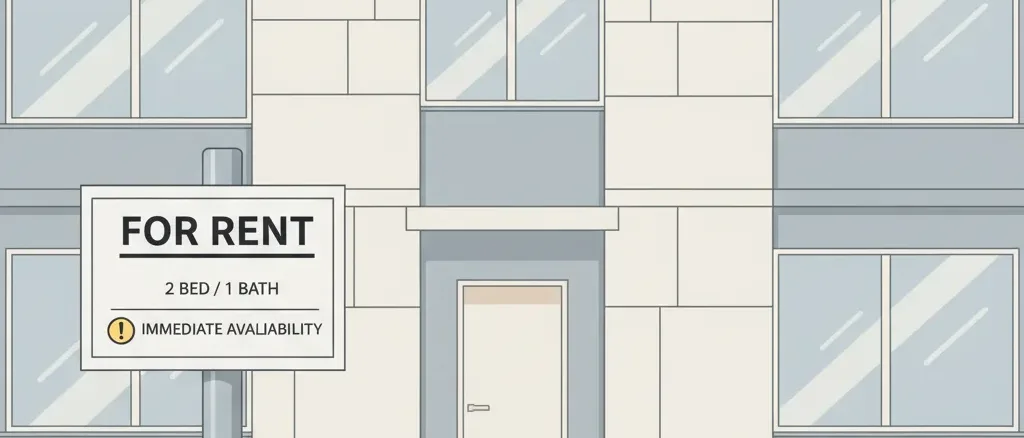
I giovani adulti in cerca del loro primo appartamento incontrano truffe con annunci di affitto con una certa regolarità, ma pochi hanno un senso quantitativo di quanto sia comune il rischio. Lo schema della truffa — annuncio falso, richiesta urgente di caparra o primo mese di affitto, «padrone di casa» che sparisce — è ampiamente noto ma spesso non personalmente rilevante finché non lo si incontra. La migrazione della ricerca di appartamenti quasi interamente verso le piattaforme online ha reso la truffa più facile da eseguire su larga scala: foto dall'aspetto legittimo sottratte da annunci reali, recapiti falsi e tattiche di urgenza si combinano per fare pressione sugli inquilini che sono sotto una reale pressione temporale per assicurarsi un alloggio.
Fonte: intuizione editoriale, non sondata
Effettivo
~5 inquilini statunitensi su 100 che hanno cercato affitti online hanno perso denaro in una truffa con annunci falsi (nell'arco della vita)
adulti statunitensi che hanno affittato online o cercato affitti online (Apartment List 2018)
Mostra calcolo
Sondaggio Apartment List 2018 rappresentativo a livello nazionale su oltre 1.000 inquilini statunitensi (1.126 rispondenti nazionali): si stima che 5,2 milioni di inquilini statunitensi riferiscano di aver perso denaro in una truffa d'affitto. Tra gli inquilini, il 43,1 % ha incontrato un annuncio che sospettava fraudolento e il 6,4 % ha perso denaro (≈5 % all'estremità inferiore usata qui per il rumore dell'autodichiarazione). La cifra normalizzata (0,05 = 5 %) è il tasso di perdita nell'arco della vita tra gli adulti statunitensi che affittano o hanno affittato online. L'ampia incertezza riflette la metodologia di autodichiarazione, la variazione nelle definizioni («perso denaro» rispetto a «incontrato un annuncio sospetto») e la rapida evoluzione delle tattiche di truffa. Basso (0,02): soglia più ristretta di «persi oltre 500 $» o inquilini con consapevolezza pregressa. Alto (0,10): mercati degli affitti tesi e ad alta scarsità dove la pressione dell'urgenza aumenta l'efficacia della truffa (i tassi di perdita per area metropolitana della fonte variavano ampiamente, fino a ~10-11 %).
Avvertenze: La cifra del 5 % deriva da un singolo sondaggio Apartment List del 2018 e si bas…
La cifra del 5 % deriva da un singolo sondaggio Apartment List del 2018 e si basa sull'autodichiarazione. «Perso denaro» è auto-definito dai rispondenti — può includere piccole perdite di commissioni di domanda accanto a grandi perdite di caparra. Il panorama delle truffe continua a evolversi man mano che la ricerca di appartamenti si sposta completamente online, il che potrebbe spingere i tassi al di sopra della base di riferimento del 2018, ma nessun sondaggio a livello di popolazione successivo al 2018 rimisura il tasso di perdita nell'arco della vita. Il tasso del 43,1 % di «incontrato un annuncio sospetto» supera sostanzialmente il tasso del 5 % di «perso denaro», suggerendo che la maggior parte degli inquilini identifica ed evita con successo le truffe — il gruppo a rischio potrebbe essere costituito da coloro che sono sotto acuta pressione abitativa in mercati tesi (primo trasloco, pressione da sfratto, trasferimento fuori dallo stato) dove la «due diligence» è costosa. Questo è dichiarato [US-ONLY] perché sondaggi comparabili sulle truffe d'affitto online nell'arco della vita non esistono per altri paesi, sebbene il fenomeno non sia specifico degli Stati Uniti.
Rischi correlati
Altri rischi su temi simili — per esplorare paure correlate.

Truffa finanziaria agli anziani
Quanto è probabile che un adulto over-60 perda denaro a causa di una truffa finanziaria in pensione?

Perdere SNAP per regole lavoro 2025
Se ricevi il SNAP, quanto è probabile che tu perda i benefici secondo le norme sul lavoro ampliate della legge del 2025?

Morte nella pesca commerciale
Quali sono le probabilità di morire lavorando come pescatore commerciale nel corso di un'intera carriera?

Disturbo da acquisto compulsivo
Quali sono le probabilità di sviluppare un disturbo da acquisto compulsivo?
Perdite da day-trading
Quali sono le probabilità di perdite finanziarie significative dal trading al dettaglio attivo?

Catastrofe governo estremista
Quali sono le probabilità che un governo estremista politico rovini catastroficamente il tuo paese?

Morte di un pilota da caccia
Quali sono le probabilità che un pilota da caccia militare americano muoia in un incidente aereo o in combattimento nel corso di una carriera?

Crollo immobiliare
Quali sono le probabilità che un grave crollo del mercato immobiliare azzeri il patrimonio netto della tua casa?
Scegli lo sfidante
Apartment List’s 2018 nationally representative survey of over 1,000 US renters found that 43.1% encountered a listing they suspected was fraudulent, and an estimated 5.2 million US renters — 6.4% of renters, roughly 1 in 20 — reported losing money to a rental scam. The typical pattern involves a fake listing (often with photos scraped from legitimate listings), a landlord who is conveniently unavailable to show the unit in person, and pressure to pay a deposit or first month’s rent before viewing. The scam is particularly effective because the victim is typically under real time pressure: apartment searches have deadlines, and the target demographic — first-time movers, students, young professionals — has fewer reference points for what the process should look like.
The FBI IC3 reported $145 million in losses from real estate and rental fraud in 2023, though most victims do not file federal complaints. FTC Consumer Sentinel data shows that people aged 18–29 were three times more likely than other adults to report losing money to a rental scam — 46% of monetary-loss reports came from that group — consistent with the higher frequency of apartment searching in early adulthood. The gap between the 43.1% “encountered a suspicious listing” rate and the 5% “lost money” rate is meaningful: most renters successfully identify scam listings. The at-risk group appears to be renters under acute pressure — those relocating to a new city without local knowledge, searching during peak-season scarcity, or navigating an online-only rental process without trusted local contacts who can verify a listing’s legitimacy.
The 5% loss-rate baseline comes from a single 2018 survey, and no comparable population-level study has re-measured it since. Because apartment searching has moved almost entirely online — where a fake listing can reuse photos scraped from real ones and reach many renters at low cost — the underlying baseline may understate current risk for first-time renters who lack the pattern-recognition experience to spot inconsistencies. That is a plausibility argument, not a measured figure: absent a newer survey, the 2018 rate remains the best available estimate for the lifetime loss rate among online renters.
Curiosità correlate
Circa 1 adulto statunitense su 20 che cerca affitti online dichiara di aver perso denaro a un certo punto a causa di una truffa con annuncio falso. Molti di più si imbattono in un annuncio sospetto e rinunciano; a perdere sono di solito chi è sotto forte pressione abitativa, dove verificare un annuncio è costoso.
Registro delle fonti
Ogni numero qui sotto è ciò che ciascuna fonte ha riportato, con la citazione testuale su cui ci siamo basati e come siamo arrivati alla nostra cifra. Clicca su qualsiasi link per verificare direttamente.
-
[1] Apartment List — Million Dollar Scam: Rental Fraud Costs 5.2 Million U.S. Renters
Million Dollar Scam: Rental Fraud Costs 5.2 Million U.S. Renters- Statistica
43.1% of renters encountered a listing they suspected was fraudulent; 6.4% of US renters (an estimated 5.2 million) lost money on a rental scam; 9.1% of renters aged 18–29 lost money- Estratto
“"An estimated 43.1 percent of renters have encountered a listing they suspected was fraudulent, and 5.2 million U.S. renters have lost money from rental fraud. [...] 6.4 percent of U.S. renters lost money on a rental scam. [...] younger renters are more likely to experience rental fraud, with 9.1 percent of 18 to 29-year-old renters having lost money on a rental scam, compared to 6.4 percent of all renters." Based on "a nationally representative survey of over 1,000 U.S. renters." ”
- Dati originali da
- 2018-04-25
- Consultato
- 2026-07-01 · copia archiviata
- Calcolo
- Apartment List rental-fraud report (nationally representative survey of over 1,000 US renters). The 5.2M lifetime-loss figure equals the report's 6.4% money-loss rate among US renters. The 43.1% "encountered a suspicious listing" figure is not the same as "lost money" — the gap between these two rates reflects that most people recognize and avoid scams. The reported 6.4% money-loss rate is the basis for the native/normalized rate (rounded to ~5% at the low end of the reported range in this entry, given self-report noise); 18–29 renters lost money at 9.1%, nearly 1.5× the all-renter rate.
-
[2] Federal Trade Commission — Data Spotlight: Rental scams hit home with $65 million in reported losses
Data Spotlight: Rental scams hit home with $65 million in reported losses- Statistica
Since 2020, nearly 65,000 rental scams reported to the FTC with about $65 million in losses; median reported loss $1,000; people aged 18–29 were three times more likely than other adults to report losing money to a rental scam- Estratto
“"Since 2020, people have reported nearly 65,000 rental scams to the FTC with about $65 million in losses. [...] People ages 18 to 29 were three times more likely than other adults to report losing money to a rental scam. [...] The median reported loss amount during this period was $1,000." ”
- Dati originali da
- 2025-12-22
- Consultato
- 2026-06-30 · copia archiviata
- Calcolo
- FTC Consumer Sentinel Network Data Spotlight, December 22, 2025. Aggregates rental-scam reports 2020–2025: ~65,000 reports, ~$65M reported losses, $1,000 median loss. Reports are a reported-only numerator with no population denominator, so this does not independently supply the 5% lifetime rate; the Apartment List survey remains the primary source for the native estimate. Used as corroboration that rental fraud is a documented, non-trivial category that disproportionately affects young adults — those aged 18–29 were three times more likely than other adults to report losing money to a rental scam, and 46% of monetary-loss reports came from the 18–29 group.
-
[3] Federal Bureau of Investigation Internet Crime Complaint Center (FBI IC3) — Internet Crime Report 2023
Internet Crime Report 2023- Statistica
In 2023 the FBI IC3 received 9,521 Real Estate complaints with about $145 million in losses; the IC3 'Real Estate' category is defined as 'Loss of funds from a real estate investment or fraud involving rental or timeshare property'- Estratto
“"Real Estate: Loss of funds from a real estate investment or fraud involving rental or timeshare property." In 2023 the IC3 recorded 9,521 Real Estate complaints and approximately $145 million in reported losses under this crime-type category. ”
- Dati originali da
- 2024-03-01
- Consultato
- 2026-07-01 · copia archiviata
- Calcolo
- FBI IC3 2023 Internet Crime Report, "Real Estate" crime type (9,521 complaints, ~$145M reported losses). The IC3 "Real Estate" category covers real-estate investment loss plus rental and timeshare fraud, so it is broader than online fake-listing rental scams alone. The $145M loss figure is a reported-only numerator; most rental scam victims do not file IC3 complaints, so it supplies no population denominator. Used only as independent confirmation that rental-related fraud is a substantial, documented category.