Qualità delle prove 5.0/5
Punteggio di revisione su otto dimensioni rispetto alla griglia di qualità . Ogni dimensione valutata da 1 a 5.
- D1 Ancoraggio alle fonti
- 5/5
- D2 Autorità delle fonti
- 5/5
- D3 Aritmetica
- 5/5
- D4 Incertezza
- 5/5
- D5 Ambito
- 5/5
- D6 Prosa
- 5/5
- D7 Onestà sulla percezione
- 5/5
- D8 Completezza degli avvertimenti
- 5/5
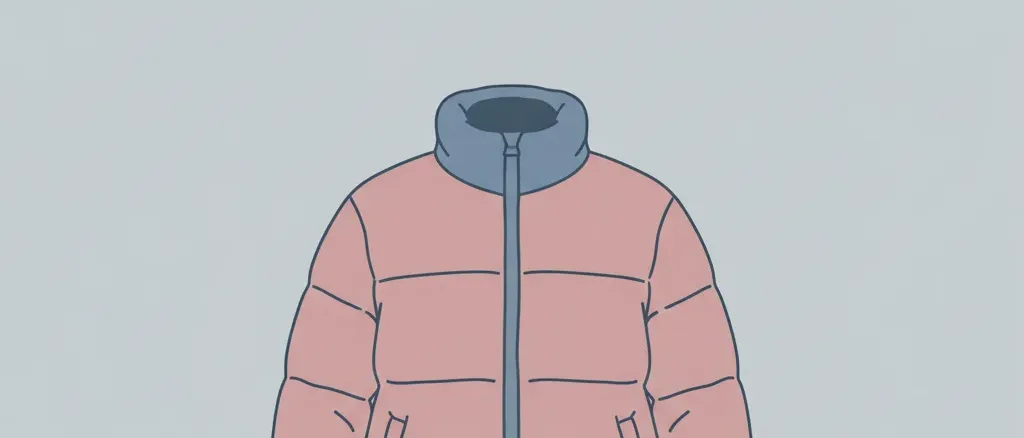
Il meccanismo è la parte più chiara di questa voce. Un bambino è seduto in un seggiolino auto correttamente installato indossando un piumino spesso o una tuta imbottita. Il caregiver stringe l’imbragatura contro l’esterno del cappotto e supera il pinch test alla spalla. In un incidente, le cinghie dell’imbragatura comprimono il cappotto nei primi millisecondi dell’impulso e la maggior parte dell’aria intrappolata viene espulsa tra gli strati dell’imbottitura. L’imbragatura è ora adattata a un bambino più un sottile guscio di tessuto compresso piuttosto che a un bambino più un cappotto gonfio, il che significa che c’è un’improvvisa lassità tra le cinghie e il torso del bambino. L’American Academy of Pediatrics descrive l’esito come il bambino che potrebbe “scivolare attraverso le cinghie ed essere espulso dal seggiolino.” NHTSA, Consumer Reports e Car Seats for the Littles descrivono la stessa sequenza in linguaggio quasi identico. Nessuna delle quattro fonti qui contesta che il meccanismo sia reale.
Ciò che manca è il tasso. Il Fatality Analysis Reporting System del NHTSA non codifica “contributo del cappotto invernale” come variabile nei registri degli incidenti fatali, quindi la letteratura derivata da FARS che sostiene la maggior parte delle voci di trasporto di Likelier semplicemente non può risolvere questo percorso come categoria distinta. La letteratura peer-reviewed sulla sicurezza dei passeggeri bambini inserisce l’uso improprio da abbigliamento spesso in una più ampia categoria di “imbragatura troppo lenta” o “uso improprio” senza pubblicare un conteggio di fatalità attribuibile. Consumer Reports ha condotto crash test su slitta e pubblicato fotografie del lasco visibile prima e dopo la rimozione del cappotto ma non ha, in alcuna fonte verificabile, pubblicato una misurazione quantificata del lasco post-compressione o un aumento quantificato della probabilità di espulsione. Il registro delle fatalità dell’organizzazione di advocacy Kids And Car Safety elenca casi nominati — due con dettagli sufficienti per identificare il meccanismo — ma due casi non sono un tasso.
Likelier pubblica numeri quando l’evidenza sottostante li supporta e declina quando non lo fa. Questa è la seconda categoria. Il meccanismo è dimostrabile, gli organismi autorevoli concordano sia sulla fisica sia sulla mitigazione comportamentale, e la raccomandazione di rimuovere il cappotto e usare una coperta o uno strato di cappotto invertito sopra l’imbragatura allacciata è supportata indipendentemente dal fatto che la mortalità attribuibile sia un decesso all’anno o un centinaio. Non sappiamo quale sia. Un lettore che vuole un singolo numero non può averlo qui — può avere il meccanismo, la mitigazione di consenso, e l’ammissione onesta che il sistema di sorveglianza non risolve ancora questa paura alla risoluzione che la domanda richiede.
Curiosità correlate
AAP, NHTSA e Consumer Reports avvertono che un piumino si comprime in un urto e lascia gioco nelle cinture, da cui un bambino può sfilarsi. Il meccanismo è documentato; un tasso di lesioni a livello di popolazione no.
Registro delle fonti
Ogni numero qui sotto è ciò che ciascuna fonte ha riportato, con la citazione testuale su cui ci siamo basati e come siamo arrivati alla nostra cifra. Clicca su qualsiasi link per verificare direttamente.
3/4 fonti verificate in modo indipendente e alla lettera rispetto alla fonte citata
-
[1] HealthyChildren.org — American Academy of Pediatrics — Winter Car Seat Safety Tips: Keeping Kids Safe & Warm Verificato
Winter Car Seat Safety Tips: Keeping Kids Safe & Warm- Statistica
AAP position: bulky winter coats and snowsuits should not be worn under a car seat harness because crash forces compress the padding and the child can slip through the straps- Estratto
“"Bulky clothing, including winter coats and snowsuits, should not be worn underneath the harness of a car seat. In a car crash, fluffy padding in a coat immediately flattens out from the force, leaving extra space under the harness. A child can then slip through the straps and be thrown from the seat." ”
- Dati originali da
- 2025-02-28
- Consultato
- 2026-04-11 · copia archiviata
- Verifica
- Estratto recuperato in modo indipendente e confermato parola per parola rispetto alla fonte citata durante il nostro audit di attendibilità.
- Calcolo
- The AAP page is the canonical pediatric-authority statement of the mechanism: crash force compresses the coat, harness goes slack, child can slip through or be ejected. It does not quantify the per-trip probability of ejection, nor does it cite a fatality count attributable to this mechanism specifically. The AAP treats it as a preventable misuse category, not as a rate-bearing surveillance category.
- Indipendenza
- AAP and NHTSA coordinate their child passenger safety messaging, so the two authoritative sources here are not fully independent — treat them as one pediatric-safety consensus, not two separate estimates.
-
[2] US National Highway Traffic Safety Administration (NHTSA) — Keep Your Little Ones Warm and Safe in Their Car Seats
Keep Your Little Ones Warm and Safe in Their Car Seats- Statistica
NHTSA position: bulky clothing in car seats creates harness slack and increases crash injury risk; recommends lightweight layers, a blanket over the buckled harness, or the coat reversed over the harness- Estratto
“"Too much bulk can create extra room in the harness, causing a loose fit, and putting the child at risk for injury in the event of a crash. Choose lightweight fleece layers instead of puffy materials to ensure a snug-fitting harness." ”
- Dati originali da
- 2024-12-01
- Consultato
- 2026-04-11 · copia archiviata
- Calcolo
- NHTSA's consumer-facing guidance confirms the AAP mechanism description and recommends the same set of behavioural mitigations (thin layers, blanket over the harness, coat on backwards). Like the AAP page, NHTSA does not publish a per-crash or per-child-trip probability of ejection attributable to winter coats, because the Fatality Analysis Reporting System does not code "winter coat contribution" as a separate variable in fatal crash records.
- Indipendenza
- NHTSA and the AAP coordinate their child passenger safety messaging via the National Child Passenger Safety Board and joint CPS technician curricula, so these two sources are best treated as one consensus rather than two independent estimates.
-
[3] Consumer Reports — Emily A. Thomas, PhD, Auto Test Center — Winter Coats and Car Seats Don't Mix: Safety Tips From CR Verificato
Winter Coats and Car Seats Don't Mix: Safety Tips From CR- Statistica
Consumer Reports auto-safety team: puffy coats compress under harness webbing during crash forces and create slack sufficient to move the child outside the protection of the car seat shell- Estratto
“"If the child's coat is too bulky or puffy under their harness, that material can compress during a crash and create slack between the child and their harness. This extra slack could allow the child to move outside of the protection of the car seat shell. Any time a child is not properly and snugly harnessed within their car seat, there is an increased injury risk." ”
- Dati originali da
- 2023-11-01
- Consultato
- 2026-04-11 · copia archiviata
- Verifica
- Estratto recuperato in modo indipendente e confermato parola per parola rispetto alla fonte citata durante il nostro audit di attendibilità.
- Calcolo
- Consumer Reports' Auto Test Center has published photographs showing visible harness slack after a coat is removed but does not report quantified post-compression slack in inches or a crash-sled outcome metric. Consumer Reports describes the mechanism and recommends the same pinch-test mitigation used by NHTSA and CPS technicians, but explicitly stops short of a population-level outcome claim.
- Indipendenza
- Consumer Reports is editorially and methodologically independent of NHTSA/AAP and runs its own sled-based harness testing, so it functions as a corroborating technical source on the mechanism even though no party in this chain publishes the outcome rate.
-
[4] Car Seats for the Littles (CSFTL) — CPS technician educational nonprofit — Hello Winter, Goodbye Coats! Verificato
Hello Winter, Goodbye Coats!- Statistica
CPS technicians: in a crash the air is forced out from between the coat layers, leaving the harness too loose; consequences described as 'extra crash time on the child, and at worst, ejection from the seat'- Estratto
“"The harness can end up fitting to the thick coat, and in the event of a crash, all that extra air is forced out between the layers, leaving the harness too loose to protect a child. A loose harness, at best, means extra crash time on the child, and at worst, could mean ejection from the seat." ”
- Dati originali da
- 2016-11-11
- Consultato
- 2026-04-11 · copia archiviata
- Verifica
- Estratto recuperato in modo indipendente e confermato parola per parola rispetto alla fonte citata durante il nostro audit di attendibilità.
- Calcolo
- CSFTL is the most-cited US child passenger safety technician education site. Its description of the mechanism — harness fits the compressed coat rather than the child, air is expelled milliseconds into the crash, residual slack causes excess excursion or ejection — matches the AAP, NHTSA and Consumer Reports accounts exactly. Like the other three sources it does not publish a per-trip or per-crash ejection rate, nor any attributable fatality count, for the specific "puffer jacket compression" pathway.
- Indipendenza
- CSFTL is a CPS-technician educational nonprofit that trains against the same National Child Passenger Safety Board curriculum AAP and NHTSA coordinate on. Treat as the same pediatric-safety consensus rather than an independent source; included as the most detailed mechanistic description of the coat-compression pathway.