Calidad de la evidencia 5.0/5
Puntuación de revisión en ocho dimensiones según la rúbrica de calidad . Cada dimensión puntuada de 1 a 5.
- D1 Anclaje en las fuentes
- 5/5
- D2 Autoridad de las fuentes
- 5/5
- D3 Aritmética
- 5/5
- D4 Incertidumbre
- 5/5
- D5 Alcance
- 5/5
- D6 Prosa
- 5/5
- D7 Honestidad sobre la percepción
- 5/5
- D8 Completitud de las advertencias
- 5/5
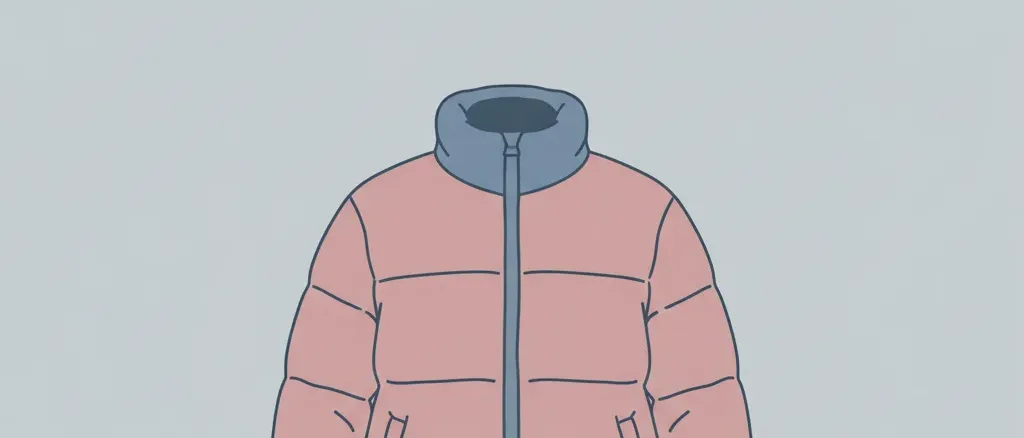
El mecanismo es la parte más clara de esta entrada. Un niño está sentado en un asiento de coche correctamente instalado usando un abrigo acolchado grueso o traje de nieve. El cuidador ajusta el arnés contra el exterior del abrigo y pasa la prueba de pellizco en el hombro. En un accidente, la correa del arnés comprime el abrigo en los primeros milisegundos del pulso y la mayor parte del aire atrapado se fuerza hacia fuera de entre las capas de aislamiento. El arnés ahora está ajustado a un niño más una capa fina de tela comprimida en lugar de a un niño más un abrigo inflado, lo que significa que hay holgura repentina entre la correa y el torso del niño. La American Academy of Pediatrics describe el resultado como que el niño puede “deslizarse a través de las correas y ser lanzado del asiento.” NHTSA, Consumer Reports y Car Seats for the Littles describen la misma secuencia en lenguaje casi idéntico. Ninguna de las cuatro fuentes aquí disputa que el mecanismo es real.
Lo que falta es la tasa. El Fatality Analysis Reporting System de NHTSA no codifica “contribución de abrigo de invierno” como variable en los registros de accidentes fatales, así que la literatura derivada de FARS que sustenta la mayoría de las entradas de transporte de Likelier simplemente no puede resolver esta vía como una categoría distinta. La literatura revisada por pares de seguridad de pasajeros infantiles incluye el mal uso de ropa gruesa en una categoría más amplia de “arnés demasiado flojo” o “mal uso” sin publicar un recuento de muertes atribuible. Consumer Reports ha realizado pruebas de trineo y publicado fotografías de holgura visible antes y después de la eliminación del abrigo pero no ha, en ninguna fuente que pudimos verificar, publicado una medición cuantificada de holgura post-compresión ni un aumento cuantificado en probabilidad de expulsión. El registro de muertes de la organización de defensa mantenido por Kids And Car Safety enumera casos nombrados — dos con suficiente detalle para identificar el mecanismo — pero dos casos no son una tasa.
Likelier publica números cuando la evidencia subyacente los respalda y declina cuando no. Esta es la segunda categoría. El mecanismo es demostrable, los organismos autorizados concuerdan tanto en la física como en la mitigación conductual, y la recomendación de quitar el abrigo y usar una manta o capa de abrigo invertida sobre el arnés abrochado está respaldada independientemente de si la mortalidad atribuible es una muerte por año o cien. No sabemos cuál es. Un lector que quiere un único número no puede tenerlo aquí — puede tener el mecanismo, la mitigación de consenso y la admisión honesta de que el sistema de vigilancia no resuelve aún este miedo a la resolución que la pregunta requiere.
Datos curiosos relacionados
La AAP, la NHTSA y Consumer Reports advierten que un abrigo acolchado se comprime en un choque y deja holgura en el arnés por la que un niño puede deslizarse. El mecanismo está documentado; una tasa poblacional de lesiones por ello no lo está.
Registro de evidencia
Cada número a continuación es lo que reportó cada fuente, con la cita textual en la que nos basamos y cómo llegamos a nuestra cifra. Haz clic en cualquier enlace para verificarlo directamente.
3/4 fuentes verificadas de forma independiente palabra por palabra frente a la fuente citada
-
[1] HealthyChildren.org — American Academy of Pediatrics — Winter Car Seat Safety Tips: Keeping Kids Safe & Warm Verificado
Winter Car Seat Safety Tips: Keeping Kids Safe & Warm- Estadística
AAP position: bulky winter coats and snowsuits should not be worn under a car seat harness because crash forces compress the padding and the child can slip through the straps- Extracto
“"Bulky clothing, including winter coats and snowsuits, should not be worn underneath the harness of a car seat. In a car crash, fluffy padding in a coat immediately flattens out from the force, leaving extra space under the harness. A child can then slip through the straps and be thrown from the seat." ”
- Datos de la fuente de
- 2025-02-28
- Accedido
- 2026-04-11 · copia archivada
- Verificación
- Extracto recuperado de forma independiente y confirmado palabra por palabra frente a la fuente citada durante nuestra auditoría de fundamentación.
- Cálculo
- The AAP page is the canonical pediatric-authority statement of the mechanism: crash force compresses the coat, harness goes slack, child can slip through or be ejected. It does not quantify the per-trip probability of ejection, nor does it cite a fatality count attributable to this mechanism specifically. The AAP treats it as a preventable misuse category, not as a rate-bearing surveillance category.
- Independencia
- AAP and NHTSA coordinate their child passenger safety messaging, so the two authoritative sources here are not fully independent — treat them as one pediatric-safety consensus, not two separate estimates.
-
[2] US National Highway Traffic Safety Administration (NHTSA) — Keep Your Little Ones Warm and Safe in Their Car Seats
Keep Your Little Ones Warm and Safe in Their Car Seats- Estadística
NHTSA position: bulky clothing in car seats creates harness slack and increases crash injury risk; recommends lightweight layers, a blanket over the buckled harness, or the coat reversed over the harness- Extracto
“"Too much bulk can create extra room in the harness, causing a loose fit, and putting the child at risk for injury in the event of a crash. Choose lightweight fleece layers instead of puffy materials to ensure a snug-fitting harness." ”
- Datos de la fuente de
- 2024-12-01
- Accedido
- 2026-04-11 · copia archivada
- Cálculo
- NHTSA's consumer-facing guidance confirms the AAP mechanism description and recommends the same set of behavioural mitigations (thin layers, blanket over the harness, coat on backwards). Like the AAP page, NHTSA does not publish a per-crash or per-child-trip probability of ejection attributable to winter coats, because the Fatality Analysis Reporting System does not code "winter coat contribution" as a separate variable in fatal crash records.
- Independencia
- NHTSA and the AAP coordinate their child passenger safety messaging via the National Child Passenger Safety Board and joint CPS technician curricula, so these two sources are best treated as one consensus rather than two independent estimates.
-
[3] Consumer Reports — Emily A. Thomas, PhD, Auto Test Center — Winter Coats and Car Seats Don't Mix: Safety Tips From CR Verificado
Winter Coats and Car Seats Don't Mix: Safety Tips From CR- Estadística
Consumer Reports auto-safety team: puffy coats compress under harness webbing during crash forces and create slack sufficient to move the child outside the protection of the car seat shell- Extracto
“"If the child's coat is too bulky or puffy under their harness, that material can compress during a crash and create slack between the child and their harness. This extra slack could allow the child to move outside of the protection of the car seat shell. Any time a child is not properly and snugly harnessed within their car seat, there is an increased injury risk." ”
- Datos de la fuente de
- 2023-11-01
- Accedido
- 2026-04-11 · copia archivada
- Verificación
- Extracto recuperado de forma independiente y confirmado palabra por palabra frente a la fuente citada durante nuestra auditoría de fundamentación.
- Cálculo
- Consumer Reports' Auto Test Center has published photographs showing visible harness slack after a coat is removed but does not report quantified post-compression slack in inches or a crash-sled outcome metric. Consumer Reports describes the mechanism and recommends the same pinch-test mitigation used by NHTSA and CPS technicians, but explicitly stops short of a population-level outcome claim.
- Independencia
- Consumer Reports is editorially and methodologically independent of NHTSA/AAP and runs its own sled-based harness testing, so it functions as a corroborating technical source on the mechanism even though no party in this chain publishes the outcome rate.
-
[4] Car Seats for the Littles (CSFTL) — CPS technician educational nonprofit — Hello Winter, Goodbye Coats! Verificado
Hello Winter, Goodbye Coats!- Estadística
CPS technicians: in a crash the air is forced out from between the coat layers, leaving the harness too loose; consequences described as 'extra crash time on the child, and at worst, ejection from the seat'- Extracto
“"The harness can end up fitting to the thick coat, and in the event of a crash, all that extra air is forced out between the layers, leaving the harness too loose to protect a child. A loose harness, at best, means extra crash time on the child, and at worst, could mean ejection from the seat." ”
- Datos de la fuente de
- 2016-11-11
- Accedido
- 2026-04-11 · copia archivada
- Verificación
- Extracto recuperado de forma independiente y confirmado palabra por palabra frente a la fuente citada durante nuestra auditoría de fundamentación.
- Cálculo
- CSFTL is the most-cited US child passenger safety technician education site. Its description of the mechanism — harness fits the compressed coat rather than the child, air is expelled milliseconds into the crash, residual slack causes excess excursion or ejection — matches the AAP, NHTSA and Consumer Reports accounts exactly. Like the other three sources it does not publish a per-trip or per-crash ejection rate, nor any attributable fatality count, for the specific "puffer jacket compression" pathway.
- Independencia
- CSFTL is a CPS-technician educational nonprofit that trains against the same National Child Passenger Safety Board curriculum AAP and NHTSA coordinate on. Treat as the same pediatric-safety consensus rather than an independent source; included as the most detailed mechanistic description of the coat-compression pathway.