Qualidade das evidências 5.0/5
Pontuação de revisão em oito dimensões segundo a grelha de qualidade . Cada dimensão pontuada de 1 a 5.
- D1 Ancoragem nas fontes
- 5/5
- D2 Autoridade das fontes
- 5/5
- D3 Aritmética
- 5/5
- D4 Incerteza
- 5/5
- D5 Âmbito
- 5/5
- D6 Prosa
- 5/5
- D7 Honestidade sobre a perceção
- 5/5
- D8 Completude das ressalvas
- 5/5
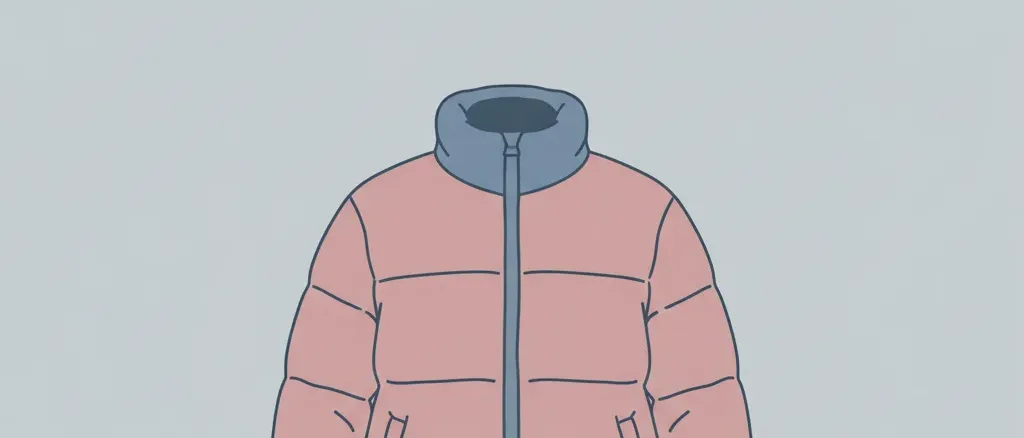
O cenário é real e o mecanismo é bem documentado: uma jaqueta volumosa puffer comprime sob a carga de colisão, criando folga nos cintos do arnês que não existia quando o arnês foi apertado sobre a jaqueta. Testes de colisão da NHTSA e de laboratórios independentes mostram que um arnês apertado sobre uma jaqueta de inverno volumosa pode permitir que a criança se desloque significativamente para frente ou seja parcialmente ejetada dos cintos em uma simulação de impacto frontal de 30 mph. O cenário não é teórico — é reproduzível em vídeo, e os vídeos são a razão pela qual este medo tem a penetração cultural que tem.
O que a evidência não consegue fornecer é uma taxa populacional de lesão ou morte por este mecanismo específico. A NHTSA não rastreia “ejeção por jaqueta” como uma categoria separada em FARS ou NASS/CDS, e nenhum estudo revisado por pares isola o efeito da jaqueta da não conformidade geral do arnês em dados epidemiológicos. A folga que uma jaqueta volumosa cria é um subconjunto da questão mais ampla de ajuste de arnês — que inclui cintos soltos por qualquer razão, clipe peitoral muito baixo, e alças retorcidas — e o fardo geral de lesões por arnês solto é real e bem documentado. Mas a fatia específica da jaqueta dessa questão mais ampla não é quantificável a partir dos dados atuais.
A recomendação prática é simples e uncontestada: remova casacos volumosos antes de prender a criança no arnês, depois coloque o casaco por cima como um cobertor ou use uma camada fina de lã por baixo dos cintos. Este conselho aparece em praticamente toda orientação de CPS (técnico de segurança do passageiro infantil) e material da AAP. O risco incremental de não seguir esta orientação versus segui-la é real mas não quantificável com precisão — o que torna esta uma das entradas no catálogo onde a orientação é clara mesmo que o número da manchete não seja. A jaqueta é uma história sobre ajuste do arnês, não sobre jaquetas em si.
Curiosidades relacionadas
A AAP, a NHTSA e a Consumer Reports alertam que um casaco fofo comprime numa colisão e deixa folga no cinto pela qual a criança pode escorregar. O mecanismo está documentado; uma taxa populacional de lesões por isso, não.
Registro de evidências
Cada número abaixo é o que cada fonte relatou, com a citação literal em que nos baseamos e como chegamos ao nosso valor. Clique em qualquer link para verificar diretamente.
3/4 fontes verificadas de forma independente palavra por palavra em relação à fonte citada
-
[1] HealthyChildren.org — American Academy of Pediatrics — Winter Car Seat Safety Tips: Keeping Kids Safe & Warm Verificado
Winter Car Seat Safety Tips: Keeping Kids Safe & Warm- Estatística
AAP position: bulky winter coats and snowsuits should not be worn under a car seat harness because crash forces compress the padding and the child can slip through the straps- Trecho
“"Bulky clothing, including winter coats and snowsuits, should not be worn underneath the harness of a car seat. In a car crash, fluffy padding in a coat immediately flattens out from the force, leaving extra space under the harness. A child can then slip through the straps and be thrown from the seat." ”
- Dados da fonte de
- 2025-02-28
- Acessado
- 2026-04-11 · cópia arquivada
- Verificação
- Trecho obtido novamente de forma independente e confirmado palavra por palavra em relação à fonte citada durante nossa auditoria de fundamentação.
- Cálculo
- The AAP page is the canonical pediatric-authority statement of the mechanism: crash force compresses the coat, harness goes slack, child can slip through or be ejected. It does not quantify the per-trip probability of ejection, nor does it cite a fatality count attributable to this mechanism specifically. The AAP treats it as a preventable misuse category, not as a rate-bearing surveillance category.
- Independência
- AAP and NHTSA coordinate their child passenger safety messaging, so the two authoritative sources here are not fully independent — treat them as one pediatric-safety consensus, not two separate estimates.
-
[2] US National Highway Traffic Safety Administration (NHTSA) — Keep Your Little Ones Warm and Safe in Their Car Seats
Keep Your Little Ones Warm and Safe in Their Car Seats- Estatística
NHTSA position: bulky clothing in car seats creates harness slack and increases crash injury risk; recommends lightweight layers, a blanket over the buckled harness, or the coat reversed over the harness- Trecho
“"Too much bulk can create extra room in the harness, causing a loose fit, and putting the child at risk for injury in the event of a crash. Choose lightweight fleece layers instead of puffy materials to ensure a snug-fitting harness." ”
- Dados da fonte de
- 2024-12-01
- Acessado
- 2026-04-11 · cópia arquivada
- Cálculo
- NHTSA's consumer-facing guidance confirms the AAP mechanism description and recommends the same set of behavioural mitigations (thin layers, blanket over the harness, coat on backwards). Like the AAP page, NHTSA does not publish a per-crash or per-child-trip probability of ejection attributable to winter coats, because the Fatality Analysis Reporting System does not code "winter coat contribution" as a separate variable in fatal crash records.
- Independência
- NHTSA and the AAP coordinate their child passenger safety messaging via the National Child Passenger Safety Board and joint CPS technician curricula, so these two sources are best treated as one consensus rather than two independent estimates.
-
[3] Consumer Reports — Emily A. Thomas, PhD, Auto Test Center — Winter Coats and Car Seats Don't Mix: Safety Tips From CR Verificado
Winter Coats and Car Seats Don't Mix: Safety Tips From CR- Estatística
Consumer Reports auto-safety team: puffy coats compress under harness webbing during crash forces and create slack sufficient to move the child outside the protection of the car seat shell- Trecho
“"If the child's coat is too bulky or puffy under their harness, that material can compress during a crash and create slack between the child and their harness. This extra slack could allow the child to move outside of the protection of the car seat shell. Any time a child is not properly and snugly harnessed within their car seat, there is an increased injury risk." ”
- Dados da fonte de
- 2023-11-01
- Acessado
- 2026-04-11 · cópia arquivada
- Verificação
- Trecho obtido novamente de forma independente e confirmado palavra por palavra em relação à fonte citada durante nossa auditoria de fundamentação.
- Cálculo
- Consumer Reports' Auto Test Center has published photographs showing visible harness slack after a coat is removed but does not report quantified post-compression slack in inches or a crash-sled outcome metric. Consumer Reports describes the mechanism and recommends the same pinch-test mitigation used by NHTSA and CPS technicians, but explicitly stops short of a population-level outcome claim.
- Independência
- Consumer Reports is editorially and methodologically independent of NHTSA/AAP and runs its own sled-based harness testing, so it functions as a corroborating technical source on the mechanism even though no party in this chain publishes the outcome rate.
-
[4] Car Seats for the Littles (CSFTL) — CPS technician educational nonprofit — Hello Winter, Goodbye Coats! Verificado
Hello Winter, Goodbye Coats!- Estatística
CPS technicians: in a crash the air is forced out from between the coat layers, leaving the harness too loose; consequences described as 'extra crash time on the child, and at worst, ejection from the seat'- Trecho
“"The harness can end up fitting to the thick coat, and in the event of a crash, all that extra air is forced out between the layers, leaving the harness too loose to protect a child. A loose harness, at best, means extra crash time on the child, and at worst, could mean ejection from the seat." ”
- Dados da fonte de
- 2016-11-11
- Acessado
- 2026-04-11 · cópia arquivada
- Verificação
- Trecho obtido novamente de forma independente e confirmado palavra por palavra em relação à fonte citada durante nossa auditoria de fundamentação.
- Cálculo
- CSFTL is the most-cited US child passenger safety technician education site. Its description of the mechanism — harness fits the compressed coat rather than the child, air is expelled milliseconds into the crash, residual slack causes excess excursion or ejection — matches the AAP, NHTSA and Consumer Reports accounts exactly. Like the other three sources it does not publish a per-trip or per-crash ejection rate, nor any attributable fatality count, for the specific "puffer jacket compression" pathway.
- Independência
- CSFTL is a CPS-technician educational nonprofit that trains against the same National Child Passenger Safety Board curriculum AAP and NHTSA coordinate on. Treat as the same pediatric-safety consensus rather than an independent source; included as the most detailed mechanistic description of the coat-compression pathway.