Chất lượng bằng chứng 4.38/5
Điểm đánh giá tám chiều theo tiêu chí chất lượng . Mỗi chiều được chấm từ 1–5.
- D1 Cơ sở nguồn
- 4/5
- D2 Uy tín nguồn
- 5/5
- D3 Tính toán
- 4/5
- D4 Sự không chắc chắn
- 4/5
- D5 Phạm vi
- 5/5
- D6 Văn bản
- 5/5
- D7 Sự trung thực về nhận thức
- 3/5
- D8 Tính đầy đủ của lưu ý
- 5/5
≈ Khả năng tương đương
Nhận thức
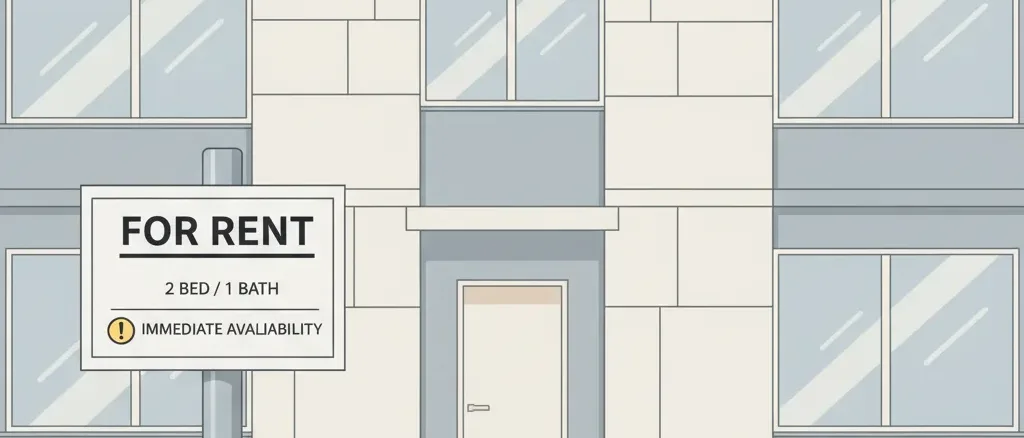
Người trẻ tuổi tìm kiếm căn hộ đầu tiên gặp phải lừa đảo tin đăng cho thuê khá thường xuyên, nhưng ít người có cảm nhận định lượng về mức độ phổ biến của rủi ro. Khuôn mẫu lừa đảo — tin đăng giả, yêu cầu gấp gáp đặt cọc hoặc tiền thuê tháng đầu, «chủ nhà» biến mất — được biết đến rộng rãi nhưng thường không nổi bật với cá nhân cho đến khi tự gặp phải. Việc tìm kiếm căn hộ chuyển gần như hoàn toàn sang các nền tảng trực tuyến đã khiến trò lừa dễ thực hiện trên quy mô lớn: ảnh trông chính thống được lấy từ các tin đăng thật, thông tin liên hệ giả và các thủ đoạn thúc ép gấp gáp kết hợp lại để gây áp lực lên những người thuê nhà vốn đang chịu áp lực thời gian thực sự để có được chỗ ở.
Nguồn: trực giác của biên tập viên, không được thăm dò
Thực tế
~5 trên 100 người thuê nhà ở Mỹ đã tìm kiếm nhà cho thuê trực tuyến bị mất tiền vì lừa đảo tin đăng giả (trọn đời)
người trưởng thành Mỹ đã thuê trực tuyến hoặc tìm kiếm nhà cho thuê trực tuyến (Apartment List 2018)
Hiện cách tính
Khảo sát đại diện toàn quốc năm 2018 của Apartment List trên hơn 1.000 người thuê nhà ở Mỹ (1.126 người trả lời toàn quốc): ước tính 5,2 triệu người thuê nhà ở Mỹ cho biết đã mất tiền vì lừa đảo cho thuê. Trong số người thuê nhà, 43,1 % gặp một tin đăng mà họ nghi là gian lận và 6,4 % bị mất tiền (≈5 % ở đầu thấp được dùng ở đây do nhiễu của tự khai báo). Con số chuẩn hóa (0,05 = 5 %) là tỷ lệ mất tiền trọn đời trong số người trưởng thành Mỹ thuê hoặc từng thuê trực tuyến. Độ bất định lớn phản ánh phương pháp tự khai báo, sự khác biệt về định nghĩa («mất tiền» so với «gặp tin đăng đáng ngờ»), và sự tiến hóa nhanh của các thủ đoạn lừa đảo. Thấp (0,02): ngưỡng hẹp hơn «mất từ $500 trở lên» hoặc người thuê nhà đã có nhận thức trước. Cao (0,10): các thị trường cho thuê khan hiếm cao, chật chội nơi áp lực gấp gáp làm tăng hiệu quả của trò lừa (tỷ lệ mất tiền theo từng đô thị của nguồn dao động rộng, lên tới ~10-11 %).
Lưu ý: Con số 5 % được rút ra từ một khảo sát duy nhất năm 2018 của Apartment List và d…
Con số 5 % được rút ra từ một khảo sát duy nhất năm 2018 của Apartment List và dựa vào tự khai báo. «Mất tiền» do người trả lời tự định nghĩa — nó có thể bao gồm các khoản mất nhỏ do phí nộp đơn lẫn các khoản mất tiền đặt cọc lớn. Bối cảnh lừa đảo tiếp tục tiến hóa khi việc tìm kiếm căn hộ chuyển hoàn toàn sang trực tuyến, điều có thể đẩy tỷ lệ vượt mức nền 2018, nhưng không có khảo sát cấp dân số nào sau 2018 đo lại tỷ lệ mất tiền trọn đời. Tỷ lệ 43,1 % «gặp tin đăng đáng ngờ» vượt xa tỷ lệ 5 % «mất tiền», gợi ý rằng hầu hết người thuê nhà nhận diện và tránh được các trò lừa thành công — nhóm có nguy cơ có thể là những người chịu áp lực nhà ở cấp bách trong các thị trường chật chội (chuyển nhà lần đầu, áp lực bị đuổi, tái định cư ngoài bang) nơi «thẩm định kỹ lưỡng» tốn kém. Mục này được khai báo [US-ONLY] vì không tồn tại các khảo sát trọn đời tương đương về lừa đảo cho thuê trực tuyến ở các quốc gia khác, dù hiện tượng này không riêng của Mỹ.
Rủi ro liên quan
Các rủi ro khác về chủ đề tương tự — để khám phá những nỗi sợ liên quan.

Lừa đảo người cao tuổi
Khả năng người trên 60 tuổi mất tiền vì lừa đảo tài chính khi nghỉ hưu là bao nhiêu?

Mất SNAP theo quy định 2025
Nếu bạn nhận SNAP, khả năng bạn mất trợ cấp theo quy định việc làm mở rộng của luật năm 2025 là bao nhiêu?

Tử vong nghề đánh cá thương mại
Xác suất tử vong trong suốt sự nghiệp khi làm ngư dân thương mại là bao nhiêu?

Thua lỗ giao dịch trong ngày
Xác suất thua lỗ tài chính đáng kể từ giao dịch lẻ tích cực là bao nhiêu?

Thảm họa chính phủ cực đoan
Khả năng một chính phủ cực đoan chính trị hủy hoại đất nước bạn một cách thảm khốc là bao nhiêu?

Phi công tiêm kích tử vong
Xác suất phi công tiêm kích quân sự Mỹ tử vong do tai nạn hàng không hoặc chiến đấu trong suốt sự nghiệp là bao nhiêu?

Sụp đổ nhà đất
Khả năng một vụ sụp đổ thị trường nhà đất lớn làm mất trắng vốn chủ sở hữu nhà của bạn là bao nhiêu?
Chọn đối thủ
Apartment List’s 2018 nationally representative survey of over 1,000 US renters found that 43.1% encountered a listing they suspected was fraudulent, and an estimated 5.2 million US renters — 6.4% of renters, roughly 1 in 20 — reported losing money to a rental scam. The typical pattern involves a fake listing (often with photos scraped from legitimate listings), a landlord who is conveniently unavailable to show the unit in person, and pressure to pay a deposit or first month’s rent before viewing. The scam is particularly effective because the victim is typically under real time pressure: apartment searches have deadlines, and the target demographic — first-time movers, students, young professionals — has fewer reference points for what the process should look like.
The FBI IC3 reported $145 million in losses from real estate and rental fraud in 2023, though most victims do not file federal complaints. FTC Consumer Sentinel data shows that people aged 18–29 were three times more likely than other adults to report losing money to a rental scam — 46% of monetary-loss reports came from that group — consistent with the higher frequency of apartment searching in early adulthood. The gap between the 43.1% “encountered a suspicious listing” rate and the 5% “lost money” rate is meaningful: most renters successfully identify scam listings. The at-risk group appears to be renters under acute pressure — those relocating to a new city without local knowledge, searching during peak-season scarcity, or navigating an online-only rental process without trusted local contacts who can verify a listing’s legitimacy.
The 5% loss-rate baseline comes from a single 2018 survey, and no comparable population-level study has re-measured it since. Because apartment searching has moved almost entirely online — where a fake listing can reuse photos scraped from real ones and reach many renters at low cost — the underlying baseline may understate current risk for first-time renters who lack the pattern-recognition experience to spot inconsistencies. That is a plausibility argument, not a measured figure: absent a newer survey, the 2018 rate remains the best available estimate for the lifetime loss rate among online renters.
Thông tin liên quan
Khoảng 1 trong 20 người trưởng thành ở Mỹ tìm thuê nhà trực tuyến cho biết từng mất tiền vì trò lừa đảo tin đăng giả vào một lúc nào đó. Nhiều người hơn gặp tin đăng đáng ngờ rồi rút lui; người mất tiền thường là những ai đang chịu áp lực nhà ở cấp bách, khi việc kiểm chứng tin đăng tốn kém.
Sổ cái xác nhận
Mỗi con số dưới đây là những gì mỗi nguồn đã báo cáo, cùng với trích dẫn nguyên văn mà chúng tôi dựa vào và cách chúng tôi đưa ra con số của mình. Nhấp vào bất kỳ liên kết nào để xác minh trực tiếp.
-
[1] Apartment List — Million Dollar Scam: Rental Fraud Costs 5.2 Million U.S. Renters
Million Dollar Scam: Rental Fraud Costs 5.2 Million U.S. Renters- Thống kê
43.1% of renters encountered a listing they suspected was fraudulent; 6.4% of US renters (an estimated 5.2 million) lost money on a rental scam; 9.1% of renters aged 18–29 lost money- Trích đoạn
“"An estimated 43.1 percent of renters have encountered a listing they suspected was fraudulent, and 5.2 million U.S. renters have lost money from rental fraud. [...] 6.4 percent of U.S. renters lost money on a rental scam. [...] younger renters are more likely to experience rental fraud, with 9.1 percent of 18 to 29-year-old renters having lost money on a rental scam, compared to 6.4 percent of all renters." Based on "a nationally representative survey of over 1,000 U.S. renters." ”
- Dữ liệu nguồn từ
- 2018-04-25
- Truy cập
- 2026-07-01 · bản sao lưu trữ
- Tính toán
- Apartment List rental-fraud report (nationally representative survey of over 1,000 US renters). The 5.2M lifetime-loss figure equals the report's 6.4% money-loss rate among US renters. The 43.1% "encountered a suspicious listing" figure is not the same as "lost money" — the gap between these two rates reflects that most people recognize and avoid scams. The reported 6.4% money-loss rate is the basis for the native/normalized rate (rounded to ~5% at the low end of the reported range in this entry, given self-report noise); 18–29 renters lost money at 9.1%, nearly 1.5× the all-renter rate.
-
[2] Federal Trade Commission — Data Spotlight: Rental scams hit home with $65 million in reported losses
Data Spotlight: Rental scams hit home with $65 million in reported losses- Thống kê
Since 2020, nearly 65,000 rental scams reported to the FTC with about $65 million in losses; median reported loss $1,000; people aged 18–29 were three times more likely than other adults to report losing money to a rental scam- Trích đoạn
“"Since 2020, people have reported nearly 65,000 rental scams to the FTC with about $65 million in losses. [...] People ages 18 to 29 were three times more likely than other adults to report losing money to a rental scam. [...] The median reported loss amount during this period was $1,000." ”
- Dữ liệu nguồn từ
- 2025-12-22
- Truy cập
- 2026-06-30 · bản sao lưu trữ
- Tính toán
- FTC Consumer Sentinel Network Data Spotlight, December 22, 2025. Aggregates rental-scam reports 2020–2025: ~65,000 reports, ~$65M reported losses, $1,000 median loss. Reports are a reported-only numerator with no population denominator, so this does not independently supply the 5% lifetime rate; the Apartment List survey remains the primary source for the native estimate. Used as corroboration that rental fraud is a documented, non-trivial category that disproportionately affects young adults — those aged 18–29 were three times more likely than other adults to report losing money to a rental scam, and 46% of monetary-loss reports came from the 18–29 group.
-
[3] Federal Bureau of Investigation Internet Crime Complaint Center (FBI IC3) — Internet Crime Report 2023
Internet Crime Report 2023- Thống kê
In 2023 the FBI IC3 received 9,521 Real Estate complaints with about $145 million in losses; the IC3 'Real Estate' category is defined as 'Loss of funds from a real estate investment or fraud involving rental or timeshare property'- Trích đoạn
“"Real Estate: Loss of funds from a real estate investment or fraud involving rental or timeshare property." In 2023 the IC3 recorded 9,521 Real Estate complaints and approximately $145 million in reported losses under this crime-type category. ”
- Dữ liệu nguồn từ
- 2024-03-01
- Truy cập
- 2026-07-01 · bản sao lưu trữ
- Tính toán
- FBI IC3 2023 Internet Crime Report, "Real Estate" crime type (9,521 complaints, ~$145M reported losses). The IC3 "Real Estate" category covers real-estate investment loss plus rental and timeshare fraud, so it is broader than online fake-listing rental scams alone. The $145M loss figure is a reported-only numerator; most rental scam victims do not file IC3 complaints, so it supplies no population denominator. Used only as independent confirmation that rental-related fraud is a substantial, documented category.