Chất lượng bằng chứng 4.25/5
Điểm đánh giá tám chiều theo tiêu chí chất lượng . Mỗi chiều được chấm từ 1–5.
- D1 Cơ sở nguồn
- 4/5
- D2 Uy tín nguồn
- 5/5
- D3 Tính toán
- 3/5
- D4 Sự không chắc chắn
- 4/5
- D5 Phạm vi
- 4/5
- D6 Văn bản
- 5/5
- D7 Sự trung thực về nhận thức
- 4/5
- D8 Tính đầy đủ của lưu ý
- 5/5
● yếu tố của bạn — nhấp vào rủi ro này ▾ để hiển thị
- Yếu tố của bạn
≈ Khả năng tương đương
Nhận thức
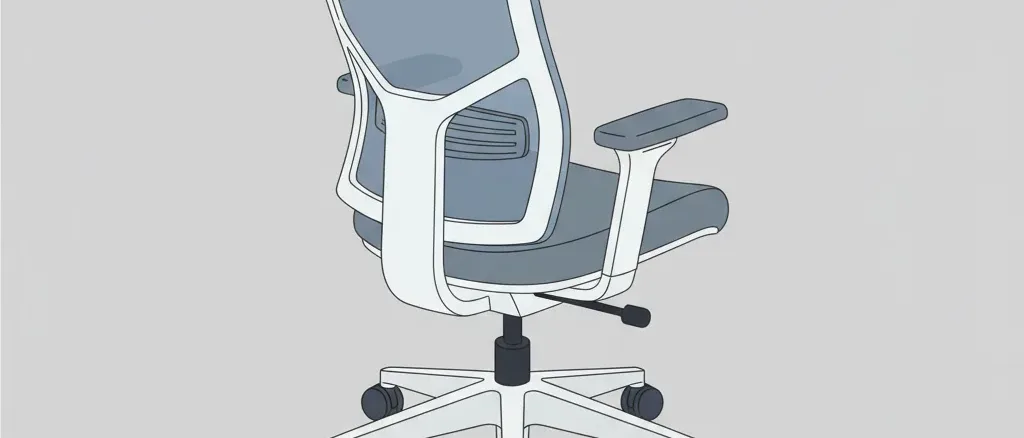
Thiếu vận động thể chất là yếu tố nguy cơ đứng thứ tư gây tử vong toàn cầu theo WHO, chịu trách nhiệm cho khoảng 4-5 triệu ca tử vong mỗi năm trên toàn thế giới. Gần như không ai sợ nó. Nó không xuất hiện trong các khảo sát về nỗi sợ, không có mặt trong phim thảm họa, và không chiếm không gian văn hóa nào như một mối đe dọa. «Tôi nên tập thể dục nhiều hơn» được xếp vào loại tự cải thiện bản thân nhỏ nhặt, đâu đó giữa «tôi nên dùng chỉ nha khoa» và «tôi nên học một ngôn ngữ», chứ không phải quản lý rủi ro tử vong. Mọi người tiêu tốn năng lượng tinh thần lo lắng về tai nạn máy bay, cá mập tấn công và khủng bố trong khi ngồi hơn 10 giờ mỗi ngày mà hoàn toàn không coi đó là một rủi ro. Kết quả là một trong những khoảng cách nhận thức lớn nhất trên trang này, đi theo hướng bị đánh giá thấp.
Ước tính sơ bộ: Hầu hết người trưởng thành cảm nhận việc thiếu vận động là không lành mạnh nhưng không xếp nó là một rủi ro tử vong nghiêm trọng
Nguồn: trực giác của biên tập viên, không được thăm dò
Thực tế
HR 1,59 cho nhóm ít vận động nhất + ít hoạt động nhất so với nhóm ít ngồi nhất + hoạt động nhiều nhất (tử vong do mọi nguyên nhân)
người trưởng thành ngồi >8 giờ/ngày với hoạt động thể chất <2,5 MET-giờ/tuần so với những người ngồi <4 giờ/ngày với >35,5 MET-giờ/tuần
Hiện cách tính
Con số tiêu đề dựa trên hai luồng bằng chứng hội tụ. (1) Lee et al. 2012 (Lancet) ước tính rằng thiếu vận động thể chất gây ra 9 % số ca tử vong sớm trên toàn thế giới (khoảng 5,1-12,5 %), tương ứng với hơn 5,3 triệu trong số 57 triệu ca tử vong năm 2008. Áp dụng cho dân số người trưởng thành Mỹ: khoảng 3,4 triệu ca tử vong ở Mỹ mỗi năm, 9 % = ~306.000 ca tử vong quy cho thiếu vận động mỗi năm. So với ~258 triệu người trưởng thành Mỹ, điều đó cho một nguy cơ hằng năm là ~306.000/258.000.000 = 0,00119. Cộng dồn qua 59 năm cuộc đời trưởng thành còn lại: 1 - (1 - 0,00119)^59 = 0,068. Tuy nhiên, đây là một PAF trung bình dân số bao gồm cả những người trưởng thành đã hoạt động vốn đóng góp bằng không cho tử số. (2) Ekelund et al. 2016 (Lancet, 1.005.791 người tham gia) phát hiện rằng người trưởng thành ngồi >8 giờ/ngày với hoạt động thể chất thấp nhất (<2,5 MET-giờ/tuần) có HR 1,59 (95 % CI 1,52-1,66) đối với tử vong do mọi nguyên nhân so với nhóm tham chiếu hoạt động nhiều nhất + ít ngồi nhất. Đối với ~25 % người trưởng thành Mỹ hoàn toàn không hoạt động (CDC 2024), rủi ro tử vong trọn đời vượt mức do thiếu vận động cao hơn đáng kể so với mức trung bình dân số. Chúng tôi dùng 0,09 làm ước tính điểm, phản ánh PAF ở cấp độ dân số (Lee 2012) được điều chỉnh nhích lên một chút so với phép cộng dồn thô vì dữ liệu CDC cho thấy chỉ 26,4 % người trưởng thành Mỹ đáp ứng cả hướng dẫn về aerobic và sức mạnh, nghĩa là đa số mang một phần rủi ro quy cho thiếu vận động. Dải bất định 0,05-0,13 trải theo khoảng tin cậy PAF của Lee et al. (5,1-12,5 %) áp dụng cho tử vong ở Mỹ.
Lưu ý: «Lối sống ít vận động» không phải là một phơi nhiễm rời rạc như hút một bao thuố…
«Lối sống ít vận động» không phải là một phơi nhiễm rời rạc như hút một bao thuốc mỗi ngày — nó là một dải liên tục trải từ không vận động đến vận động chưa-đủ đến đạt hướng dẫn đến hoạt động nhiều, với đường cong liều lượng-đáp ứng phi tuyến tính rõ rệt ở đầu thấp. Điều này khiến một con số duy nhất ở cấp độ dân số vốn dĩ bị mất mát thông tin. PAF 9 % từ Lee et al. 2012 là mức trung bình toàn cầu; con số riêng cho Mỹ có thể khác do tỷ lệ béo phì cao hơn và các kiểu nghề nghiệp ít vận động hơn. Nhiễu là thách thức dai dẳng: những người không tập thể dục có xu hướng có địa vị kinh tế xã hội thấp hơn, tỷ lệ hút thuốc cao hơn, chế độ ăn kém hơn và nhiều bệnh mạn tính hơn. Các phân tích tổng hợp điều chỉnh cho những yếu tố này nhưng nhiễu tồn dư không thể loại trừ hoàn toàn khỏi dữ liệu quan sát. Sự so sánh «ngồi là hút thuốc mới», dù bắt tai, gây hiểu lầm ở cấp độ cá nhân: hút thuốc mang nguy cơ tương đối ~15-20 lần đối với ung thư phổi, trong khi hành vi ít vận động mang ~1,2-1,6 lần đối với tử vong do mọi nguyên nhân. Sự so sánh đúng cho phân số quy kết dân số (cả hai đều giết chết hàng triệu người) nhưng không đúng cho độ lớn rủi ro cá nhân. Cuối cùng, tử vong do mọi nguyên nhân bao gồm cả những ca tử vong mà tập thể dục cũng không ngăn được — phân số quy kết cô lập phần vượt mức, nhưng ranh giới giữa «dù sao cũng sẽ chết» và «chết vì thiếu vận động» là một cấu trúc dịch tễ học, không phải một sự chắc chắn lâm sàng.
Mức rủi ro thay đổi thế nào
Con số tiêu đề là mức trung bình trên các tình huống rất khác nhau. Dưới đây là cách xác suất thay đổi theo kịch bản hoặc ngữ cảnh:
1 trên 7,7 · 13%
Highest-risk group. Ekelund HR 1.59 applies most directly here. ~25% of US adults.
1 trên 14 · 7,0%
Arem et al.: even sub-guideline activity yields HR 0.80 vs inactive. Partial protection.
1 trên 50 · 2,0%
Baseline — excess mortality attributable to inactivity approaches zero. Arem HR 0.69 vs inactive.
1 trên 100 · 1,0%
Maximum benefit range. Arem: no excess risk, slight additional benefit over 1x guidelines. Diminishing returns.
Độ dài và sắc độ của thanh xếp hạng các tình huống này so với nhau, không phải so với các rủi ro khác. Xác suất chính xác được hiển thị bên cạnh mỗi mục.
Rủi ro liên quan
Các rủi ro khác về chủ đề tương tự — để khám phá những nỗi sợ liên quan.


Cô đơn & sức khỏe
Xác suất cô đơn mãn tính gây hại nghiêm trọng đến sức khỏe trong suốt cuộc đời là bao nhiêu?

Thuốc lá không khói
Xác suất người dùng thuốc lá không khói thường xuyên chết vì bệnh liên quan đến thuốc lá là bao nhiêu?



Dị ứng thực phẩm ở người lớn
Xác suất phát triển dị ứng thực phẩm khi đã trưởng thành là bao nhiêu?

Alzheimer
Xác suất tử vong do bệnh Alzheimer hoặc các chứng sa sút trí tuệ khác là bao nhiêu?

Chọn đối thủ
The largest study on the subject is Ekelund et al. 2016, a harmonised meta-analysis of over one million men and women from 16 prospective cohorts, published in The Lancet. The headline: adults who sit more than eight hours per day and fall in the lowest quartile of physical activity (under 2.5 MET-hours/week, roughly zero deliberate exercise) face an all-cause mortality hazard ratio of 1.59 (95% CI 1.52-1.66) compared to those who sit less than four hours per day and exercise in the highest quartile. But the same study delivers the antidote: 60-75 minutes per day of moderate activity (brisk walking pace) reduces the hazard ratio to 1.04, statistically indistinguishable from the reference group. At the population level, Lee et al. 2012 estimated that physical inactivity causes 9% of premature mortality worldwide, or more than 5.3 million deaths per year. The WHO ranks it fourth among global mortality risk factors, behind high blood pressure, tobacco, and high blood glucose. Only 26.4% of US adults meet both aerobic and muscle-strengthening guidelines (CDC, 2024); roughly one in four does essentially nothing.
The perception gap here is enormous and runs in an unusual direction. People allocate worry to plane crashes, shark attacks, and terrorist attacks — each an individually vanishingly rare cause of death — while spending ten-plus hours a day in a chair without registering it as a mortality input at all. The phrase “sitting is the new smoking” circulates as a vague wellness slogan, but the underlying comparison is instructive in what it gets right and wrong. At the population level, both inactivity and tobacco kill millions: Lee et al.’s 9% global PAF for inactivity sits in the same single-digit range as the WHO’s estimate that tobacco use accounts for 9% of global deaths. At the individual level, the analogy collapses: smoking carries a relative risk of 15-20x for lung cancer, while the most sedentary-and-inactive group in the Ekelund data carries 1.59x for all-cause mortality. The gap between “similar population body count” and “very different individual hazard ratio” is the interesting part.
The dose-response curve is sharply non-linear in the helpful direction, which is where the number stops applying uniformly. Arem et al. 2015, pooling 661,137 participants, found that going from zero leisure-time activity to any amount below the guidelines buys a 20% mortality reduction (HR 0.80, 95% CI 0.78-0.82). Meeting the guidelines (150 min/week moderate) yields 31% reduction. Going from one to two times the guidelines adds a smaller increment, and maximum benefit plateaus at three to five times the guidelines. This means the entry is most relevant to the ~25% of US adults who do essentially nothing, where even 15 minutes of daily walking would capture most of the available mortality benefit. It is least relevant to the anxious gym-goer who sits at a desk eight hours but exercises regularly, for whom the Ekelund data show the excess risk is already near zero.
Thông tin liên quan
Hành vi ít vận động chiếm ~9% tử vong sớm toàn cầu. Xác suất chết vì máy bay ~1/11 triệu/chuyến. Ghế văn phòng nguy hiểm hơn ghế máy bay về thống kê.
Lối sống ít vận động tăng nguy cơ chết sớm 59% (HR 1,59). Thiếu ngủ mãn tính thêm 12% (HR 1,12). Ghế làm việc đe dọa lớn hơn đêm ngủ kém.
Thiếu vận động là yếu tố nguy cơ tử vong thứ 4 toàn cầu, gây 9% tử vong sớm. Cao hơn béo phì. WHO xếp cùng thuốc lá, rượu và cao huyết áp.
Sổ cái xác nhận
Mỗi con số dưới đây là những gì mỗi nguồn đã báo cáo, cùng với trích dẫn nguyên văn mà chúng tôi dựa vào và cách chúng tôi đưa ra con số của mình. Nhấp vào bất kỳ liên kết nào để xác minh trực tiếp.
2/5 nguồn được xác minh độc lập đúng từng chữ so với nguồn được trích dẫn
-
[1] The Lancet (Ekelund, Steene-Johannessen, Brown, Fagerland, Owen, Powell, Bauman, Lee) — Does physical activity attenuate, or even eliminate, the detrimental association of sitting time with mortality? A harmonised meta-analysis of data from more than 1 million men and women
Does physical activity attenuate, or even eliminate, the detrimental association of sitting time with mortality? A harmonised meta-analysis of data from more than 1 million men and women- Thống kê
HR 1.59 (95% CI 1.52-1.66) for all-cause mortality in most sedentary + least active quartile; 60-75 min/day moderate activity eliminates excess sitting risk; 1,005,791 participants, 84,609 deaths- Trích đoạn
“"High levels of moderate intensity physical activity (ie, about 60-75 min per day) seem to eliminate the increased risk of death associated with high sitting time. However, this high activity level attenuated, but did not eliminate the increased risk associated with high TV-viewing time." ”
- Dữ liệu nguồn từ
- 2016-07-28
- Truy cập
- 2026-04-19 · bản sao lưu trữ
- Tính toán
- Ekelund et al. harmonised individual-level data from 16 prospective cohort studies (13 with sitting data, 3 with TV-viewing data). Participants were stratified into quartiles of both sitting time and physical activity. The reference group was the least sedentary + most active quartile (<4 h/day sitting, >35.5 MET-h/week). The highest-risk group (>8 h/day sitting, <2.5 MET-h/week) had HR 1.59. Critically, those sitting >8 h/day but in the most active quartile (>35.5 MET-h/week, roughly 60-75 min/day of moderate activity) had HR 1.04 (95% CI 0.99-1.10), statistically indistinguishable from the reference. This demonstrates that high physical activity can fully offset the mortality risk of prolonged sitting. The HR 1.59 is used as the native display because it captures the worst-case combination most relevant to completely inactive office workers.
-
[2] The Lancet (Lee, Shiroma, Lobelo, Puska, Blair, Katzmarzyk) — Effect of physical inactivity on major non-communicable diseases worldwide: an analysis of burden of disease and life expectancy Đã xác minh
Effect of physical inactivity on major non-communicable diseases worldwide: an analysis of burden of disease and life expectancy- Thống kê
Physical inactivity causes 9% of premature mortality worldwide (range 5.1-12.5%); 6% of CHD, 7% of type 2 diabetes, 10% of breast cancer, 10% of colon cancer; elimination would increase global life expectancy by 0.68 years (0.41-0.95)- Trích đoạn
“"We estimated that physical inactivity causes 6% of the burden of disease from coronary heart disease, 7% of type 2 diabetes, 10% of breast cancer, and 10% of colon cancer. Inactivity causes 9% of premature mortality, or more than 5.3 of the 57 million deaths that occurred worldwide in 2008." ”
- Dữ liệu nguồn từ
- 2012-07-21
- Truy cập
- 2026-04-19
- Xác minh
- Trích đoạn đã được tải lại độc lập và xác nhận đúng từng chữ so với nguồn được trích dẫn trong quá trình kiểm định căn cứ của chúng tôi.
- Tính toán
- Lee et al. computed population attributable fractions (PAFs) by comparing disease incidence in inactive vs active populations across 122 countries. The 9% PAF for premature mortality is the primary basis for the normalized lifetime estimate. Applied to US mortality: ~3.4 million deaths/year x 0.09 = ~306,000 inactivity-attributable deaths per year. Against 258 million US adults, annual hazard = 0.00119. Over 59 years: 1 - (1 - 0.00119)^59 = 0.068. The point estimate of 0.09 is slightly above this raw compounding because only 26.4% of US adults meet both aerobic and strength guidelines (CDC 2024), meaning the US-specific PAF may be at the higher end of Lee's global range.
-
[3] JAMA Internal Medicine (Arem, Moore, Patel, Hartge, de Gonzalez, Visvanathan, et al.) — Leisure Time Physical Activity and Mortality: A Detailed Pooled Analysis of the Dose-Response Relationship
Leisure Time Physical Activity and Mortality: A Detailed Pooled Analysis of the Dose-Response Relationship- Thống kê
HR 0.80 (95% CI 0.78-0.82) for those doing less than recommended 7.5 MET-h/week vs none; HR 0.69 (0.67-0.70) at 1-2x guidelines; maximum benefit at 3-5x guidelines- Trích đoạn
“"Compared to those reporting no leisure-time physical activity, we observed a 20% lower mortality risk among those performing less than the recommended minimum of 7.5 metabolic equivalent hours per week." ”
- Dữ liệu nguồn từ
- 2015-06-01
- Truy cập
- 2026-04-19 · bản sao lưu trữ
- Tính toán
- Arem et al. pooled six prospective cohort studies with 661,137 participants and 116,686 deaths over a median 14.2 years of follow-up. The key finding for this entry is the steep dose-response at the low end: going from zero activity to sub-guideline activity (less than 150 min/week moderate or 75 min/week vigorous) buys a 20% mortality reduction (HR 0.80). Meeting the guidelines (7.5-15 MET-h/week) yields HR 0.69 (31% reduction). Maximum benefit plateaus at 3-5x guidelines, with no excess risk even at 10x. This non-linear curve means the biggest marginal gain comes from moving off zero, not from optimizing an already-active regimen.
-
[4] CDC National Center for Health Statistics — Aerobic Physical Activity Among Adults Age 18 and Older: United States, 2024
Aerobic Physical Activity Among Adults Age 18 and Older: United States, 2024- Thống kê
47.2% of US adults met aerobic guidelines in 2024; 26.4% met both aerobic and muscle-strengthening guidelines; rates vary by sex, disability status, weight status- Trích đoạn
“"In 2024, 47.2% of adults age 18 and older met the federal guidelines for aerobic physical activity. When broken down by sex, 52.3% of men and 42.4% of women met the standards." ”
- Dữ liệu nguồn từ
- 2025-04-07
- Truy cập
- 2026-04-19 · bản sao lưu trữ
- Tính toán
- CDC NCHS Data Brief 555 provides the most recent national prevalence data on physical activity. The 26.4% meeting both guidelines means roughly 73.6% of US adults carry some degree of inactivity-attributable risk. The ~25% who are completely inactive (no leisure-time physical activity) are the population most directly described by the Ekelund HR 1.59 estimate. These prevalence figures contextualize the PAF: if three-quarters of US adults fail to meet full guidelines, the population-level mortality burden of inactivity is substantial.
-
[5] World Health Organization — Global Recommendations on Physical Activity for Health Đã xác minh
Global Recommendations on Physical Activity for Health- Thống kê
Physical inactivity is the fourth leading risk factor for global mortality (6% of deaths globally), following high blood pressure (13%), tobacco use (9%), and high blood glucose (6%)- Trích đoạn
“"Physical inactivity has been identified as the fourth leading risk factor for global mortality (6% of deaths globally). This follows high blood pressure (13%), tobacco use (9%) and high blood glucose (6%)." ”
- Dữ liệu nguồn từ
- 2010-01-01
- Truy cập
- 2026-07-03 · bản sao lưu trữ
- Xác minh
- Trích đoạn đã được tải lại độc lập và xác nhận đúng từng chữ so với nguồn được trích dẫn trong quá trình kiểm định căn cứ của chúng tôi.
- Tính toán
- WHO's global risk-factor ranking, cited in the body text to support the "fourth leading risk factor" framing already present in perceived.description. Grounds the specific ranking (behind high blood pressure, tobacco, and high blood glucose) used in the second paragraph of the body prose. Not used in the native/normalized lifetime-probability calculation, which is derived from Lee et al. 2012 and Ekelund et al. 2016 above.