Chất lượng bằng chứng 4.63/5
Điểm đánh giá tám chiều theo tiêu chí chất lượng . Mỗi chiều được chấm từ 1–5.
- D1 Cơ sở nguồn
- 3/5
- D2 Uy tín nguồn
- 5/5
- D3 Tính toán
- 5/5
- D4 Sự không chắc chắn
- 5/5
- D5 Phạm vi
- 5/5
- D6 Văn bản
- 5/5
- D7 Sự trung thực về nhận thức
- 4/5
- D8 Tính đầy đủ của lưu ý
- 5/5
● yếu tố của bạn — nhấp vào rủi ro này ▾ để hiển thị
- Yếu tố của bạn
≈ Khả năng tương đương

Nhận thức
Hầu hết những người trên năm mươi tuổi đều đã nghe rằng gãy xương hông là nghiêm trọng, nhưng xác suất trọn đời bị đánh giá thấp một cách hệ thống. Gãy xương hông được xếp trong tâm trí bên cạnh những cú ngã kịch tính — một người yếu ớt trượt trên băng — chứ không phải như một nguy cơ gần như phổ quát ở cuối đời với xác suất trọn đời một trên bảy đối với phụ nữ. Việc có tới một trên năm bệnh nhân tử vong trong vòng một năm sau khi gãy hiếm khi nằm trong nhận thức chung, vốn có xu hướng xem gãy xương hông là đau đớn nhưng có thể hồi phục.
Nguồn: trực giác của biên tập viên, không được thăm dò
Thực tế
15 trên 100 phụ nữ từ 50 tuổi trở lên sẽ gãy xương hông trong quãng đời còn lại (gộp Châu Âu-29)
phụ nữ Châu Âu từ 50 tuổi trở lên (trọng số theo dân số trên 29 quốc gia — EU27 + Anh + Thụy Sĩ, Kanis và cộng sự SCOPE 2021)
Hiện cách tính
Tỷ lệ 15,0 % ở nữ và 5,7 % ở nam theo Kanis và cộng sự, SCOPE 2021 (Arch Osteoporos 16(1):82), trọng số theo dân số trên 29 quốc gia của EU27 cộng với Anh và Thụy Sĩ. Ước tính gộp Châu Âu-29 được dùng làm con số tiêu đề vì không tồn tại một tổng hợp toàn cầu tương đương với phương pháp luận tương tự; IOF coi dữ liệu Châu Âu thu nhập cao là đại diện rộng rãi cho các quần thể ở nước thu nhập cao. Trên toàn thế giới có khoảng 1,66 triệu ca gãy xương hông mỗi năm tính đến năm 1990 (Cooper, Campion & Melton 1992), dự kiến đạt ~6,26 triệu vào năm 2050. Có tới 20 % bệnh nhân tử vong trong vòng một năm sau khi gãy xương hông (SCOPE 2021), trong đó khoảng 30 % số ca tử vong có liên quan nhân quả đến việc gãy. Con số tiêu đề (0,15) phản ánh tỷ lệ ở nữ; tỷ lệ ở nam là 0,057. Chênh lệch vùng miền lớn: phụ nữ Bắc Âu ~20 %, phụ nữ Đông Á ~7 %, phản ánh chế độ ăn, hoạt động thể chất và yếu tố di truyền. Cận dưới (0,10) đại diện cho quần thể Đông Á hoặc nam giới; cận trên (0,20) đại diện cho phụ nữ Bắc Âu hoặc người từng bị gãy xương do giòn xương trước đó.
Lưu ý: Con số 15 % phản ánh xác suất tích lũy trọn đời từ tuổi 50 đối với phụ nữ ở các …
Con số 15 % phản ánh xác suất tích lũy trọn đời từ tuổi 50 đối với phụ nữ ở các nước Châu Âu thu nhập cao. Đây không phải con số theo năm. Chênh lệch giới tính (nữ ~15 %, nam ~6 %) là phát hiện nhất quán nhất trong tài liệu, do mật độ xương đỉnh thấp hơn ở nữ và khả năng sống đến tuổi rất già cao hơn. Tỷ lệ tử vong do gãy xương hông cao — có tới 20 % bệnh nhân tử vong trong vòng một năm, dù chỉ khoảng 30 % số ca tử vong đó có liên quan nhân quả đến việc gãy — một phần vì bản thân việc gãy làm gián đoạn khả năng vận động và kích hoạt các biến chứng tiếp theo — nhiễm trùng, huyết khối, suy giảm thể trạng — chứ không phải vì việc gãy trực tiếp gây chết. Các can thiệp phòng ngừa té ngã và tầm soát loãng xương (USPSTF, công cụ FRAX) có thể thay đổi đáng kể nguy cơ cá nhân; đây là một nguy cơ có thể can thiệp lâm sàng.
Mức rủi ro thay đổi thế nào
Con số tiêu đề là mức trung bình trên các tình huống rất khác nhau. Dưới đây là cách xác suất thay đổi theo kịch bản hoặc ngữ cảnh:
1 trên 5,0 · 20%
Highest rates globally — Scandinavia, UK
1 trên 6,7 · 15%
IOF pooled Europe-29 estimate; US rates similar
1 trên 14 · 7,0%
Japan, China — roughly half the European rate
1 trên 18 · 5,7%
Roughly one-third of women's rate
Độ dài và sắc độ của thanh xếp hạng các tình huống này so với nhau, không phải so với các rủi ro khác. Xác suất chính xác được hiển thị bên cạnh mỗi mục.
Rủi ro liên quan
Các rủi ro khác về chủ đề tương tự — để khám phá những nỗi sợ liên quan.
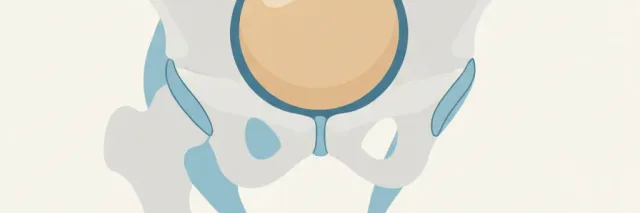
Phẫu thuật thay khớp háng
Xác suất trong suốt cuộc đời cần phẫu thuật thay khớp háng là bao nhiêu?

Alzheimer
Xác suất tử vong do bệnh Alzheimer hoặc các chứng sa sút trí tuệ khác là bao nhiêu?

Phẫu thuật thay khớp gối
Xác suất trong suốt cuộc đời cần phẫu thuật thay khớp gối là bao nhiêu?

Rủi ro tim mạch hậu mãn kinh
Khả năng phụ nữ mắc bệnh tim mạch sau mãn kinh và mãn kinh tăng tốc rủi ro đó bao nhiêu?

Nhập viện dưỡng lão
Xác suất trong suốt cuộc đời phải nhập viện dưỡng lão ít nhất một đêm là bao nhiêu?


Sa sút trí tuệ không Alzheimer
Khả năng mắc sa sút trí tuệ không phải Alzheimer (mạch máu, thể Lewy, FTD) là bao nhiêu?

Chọn đối thủ
Hip fracture sits at an unusual intersection: it is common enough to be near-inevitable for women who live into their eighties, and serious enough to be a leading cause of loss of independent living. Across 29 European countries, the lifetime risk from age 50 reaches roughly 15% for women and 6% for men — a gap that reflects both lower peak bone density in women and longer survival into the ages when fracture risk is highest. Worldwide, approximately 1.6 million hip fractures occur each year, a figure projected to reach six million by 2050 as populations age in Asia and Latin America.
One-year mortality — up to 20% of patients, according to the SCOPE 2021 European scorecard, though only about 30% of those deaths are judged causally related to the fracture — is what transforms hip fracture from a painful but recoverable injury into a major cause of late-life death. The mechanism is often not the fracture itself but the cascade that follows: immobilisation increases the risk of pneumonia, deep-vein thrombosis, and pressure injuries; surgical repair carries perioperative risk in older patients with multiple conditions; and muscle deconditioning from even brief bed rest is difficult to reverse in the ninth decade. The risk of a second fracture within two years roughly doubles the baseline, making first-fracture prevention a high-return clinical intervention.
Regional variation in hip fracture rates is large — perhaps threefold between Northern Europe (highest) and East Asia (lowest) — and not fully explained by diet or activity alone. Genetic factors, differences in hip geometry, and urban-rural differences all contribute. The personal risk is substantially stratifiable using dual-energy X-ray absorptiometry (DEXA) and the FRAX risk calculator, which integrates bone density, age, sex, and clinical risk factors. This is a risk that rewards early assessment, not one where the only response is acceptance.
Thông tin liên quan
Trong phần đời còn lại từ tuổi 50, gãy xương hông xảy ra với khoảng 1 trên 7 phụ nữ và 1 trên 18 nam giới. Chênh lệch giữa hai giới rất lớn, và đây hiếm khi là chuyện nhỏ: ở người cao tuổi, gãy hông thường đánh dấu sự sụt giảm mạnh về khả năng vận động và sống còn trong năm sau đó.
Sổ cái xác nhận
Mỗi con số dưới đây là những gì mỗi nguồn đã báo cáo, cùng với trích dẫn nguyên văn mà chúng tôi dựa vào và cách chúng tôi đưa ra con số của mình. Nhấp vào bất kỳ liên kết nào để xác minh trực tiếp.
1/3 nguồn được xác minh độc lập đúng từng chữ so với nguồn được trích dẫn
-
[1] Archives of Osteoporosis (Kanis et al.) — SCOPE 2021: a new scorecard for osteoporosis in Europe
SCOPE 2021: a new scorecard for osteoporosis in Europe- Thống kê
Average lifetime probability of hip fracture at age 50 in the EU (EU27 + UK + Switzerland): 15.0% in women, 5.7% in men; up to 20% of patients die in the first year following hip fracture- Trích đoạn
“"The average lifetime probability of hip fracture (weighted for population size) at the age of 50 years in the EU was 5.7% in men and 15.0% in women. Up to 20% of patients die in the first year following hip fracture, mostly as a result of serious underlying medical conditions; it is estimated that approximately 30% of deaths are causally related." ”
- Dữ liệu nguồn từ
- 2021-06-02
- Truy cập
- 2026-07-11 · bản sao lưu trữ
- Tính toán
- Kanis et al., SCOPE 2021 (Arch Osteoporos 16(1):82, PMC8172408, doi 10.1007/s11657-020-00871-9) reports the population-weighted lifetime probability of hip fracture from age 50 across the 29 countries of the EU27 plus the UK and Switzerland. Native rate: 15 in 100 women from age 50 (direct lifetime probability, verbatim from the paper). Normalized: 0.15 (no conversion needed; figure is already expressed as lifetime probability). Europe-29 pooled estimate used as proxy for global high-income-country rate. Male rate 0.057 treated as supporting figure. Mortality: the paper states up to 20% of hip-fracture patients die within one year (of which ~30% of deaths are causally related to the fracture) — this replaces an earlier "21–30% excess mortality" figure that was not supported by any cited source.
-
[2] Osteoporosis International — Hip fractures in the elderly: a world-wide projection
Hip fractures in the elderly: a world-wide projection- Thống kê
Hip fractures worldwide projected to rise from 1.66 million in 1990 to 6.26 million by 2050, with the burden shifting to Asia and Latin America- Trích đoạn
“"The projections indicate that the number of hip fractures occurring in the world each year will rise from 1.66 million in 1990 to 6.26 million by 2050. While Europe and North America account for about half of all hip fractures among elderly people today, this proportion will fall to around one quarter in 2050, by which time steep increases will be observed throughout Asia and Latin America." ”
- Dữ liệu nguồn từ
- 1992-11-01
- Truy cập
- 2026-06-30 · bản sao lưu trữ
- Tính toán
- Cooper, Campion & Melton 1992 (Osteoporos Int 2(6):285-9, PMID 1421796) is the original source of the ~1.66M-in-1990 to ~6.26M-by-2050 world-wide hip fracture projection cited in the assumption text. Used here for global burden context, not for the lifetime probability calculation directly. The lifetime probability (0.15) is drawn from the Kanis et al. SCOPE 2021 source above.
-
[3] The Lancet — Epidemiology and outcomes of osteoporotic fractures Đã xác minh
Epidemiology and outcomes of osteoporotic fractures- Thống kê
Hip fracture frequency is rising 1–3% per year in most regions and varies more widely from region to region than vertebral fracture prevalence- Trích đoạn
“"Hip fractures, the most serious outcome of osteoporosis, are becoming more frequent than before because the world's population is ageing and because the frequency of hip fractures is increasing by 1-3% per year in most areas of the world. Rates of hip fracture vary more widely from region to region than does the prevalence of vertebral fractures." ”
- Dữ liệu nguồn từ
- 2002-05-18
- Truy cập
- 2026-06-30 · bản sao lưu trữ
- Xác minh
- Trích đoạn đã được tải lại độc lập và xác nhận đúng từng chữ so với nguồn được trích dẫn trong quá trình kiểm định căn cứ của chúng tôi.
- Tính toán
- Cummings & Melton 2002 Lancet review (Lancet 359(9319):1761-7, PMID 12049882) — foundational epidemiological reference establishing that hip fractures are the most serious osteoporotic outcome, that incidence is rising 1–3% per year, and that rates vary widely by region. Used as a historical anchor to corroborate the regional variation and rising-burden context; the headline lifetime probability (0.15) and the one-year mortality figure (up to 20% of patients) are drawn from the Kanis et al. SCOPE 2021 source above.