Chất lượng bằng chứng 4.25/5
Điểm đánh giá tám chiều theo tiêu chí chất lượng . Mỗi chiều được chấm từ 1–5.
- D1 Cơ sở nguồn
- 4/5
- D2 Uy tín nguồn
- 5/5
- D3 Tính toán
- 5/5
- D4 Sự không chắc chắn
- 4/5
- D5 Phạm vi
- 4/5
- D6 Văn bản
- 4/5
- D7 Sự trung thực về nhận thức
- 3/5
- D8 Tính đầy đủ của lưu ý
- 5/5
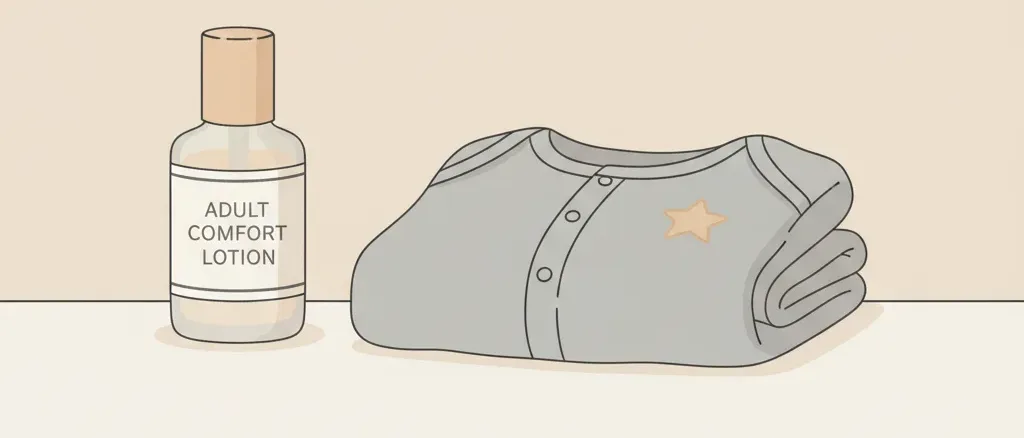
Không có nghiên cứu nào định lượng xác suất một trẻ sơ sinh đủ tháng khỏe mạnh bị tổn hại nghiêm trọng khi sử dụng các sản phẩm tiêu dùng người lớn thông thường trong quá trình chăm sóc hàng ngày. Khoảng trống dữ liệu này không phải là sự đảm bảo an toàn mà là khiếm khuyết trong hệ thống giám sát. FDA không yêu cầu kiểm tra an toàn lâm sàng trước khi lưu hành đối với các thành phần mỹ phẩm dành riêng cho trẻ sơ sinh, và hệ thống báo cáo phản ứng bất lợi tự nguyện chỉ ghi nhận được một phần nhỏ số phản ứng thực tế. Điều mà bằng chứng cung cấp một cách rõ ràng là cơ sở cơ học giải thích tại sao giai đoạn dưới 6 tháng cần thận trọng hơn mức mà hầu hết các bậc cha mẹ đang áp dụng: lớp sừng của trẻ sơ sinh mỏng hơn da người lớn tới 30%, lượng nước mất qua da duy trì ở mức cao đo được trong ít nhất 12 tháng đầu đời, và tỷ lệ diện tích da trên trọng lượng cơ thể của trẻ sơ sinh cao hơn người lớn khoảng 2,3 lần — nghĩa là cùng một sản phẩm bôi ngoài da được chế tạo cho người lớn sẽ tạo ra liều tiếp xúc toàn thân cao hơn tính theo kilogram thể trọng khi dùng cho trẻ sơ sinh.
Mối lo ngại rõ rệt nhất liên quan đến các chất lọc tia UV hóa học. Một thử nghiệm lâm sàng ngẫu nhiên năm 2020 đăng trên JAMA phát hiện rằng cả 6 thành phần kem chống nắng hóa học được thử nghiệm — avobenzone, oxybenzone, octocrylene, homosalate, octisalate và octinoxate — đều vượt ngưỡng hấp thu toàn thân của FDA là 0,5 ng/mL sau một lần thoa lên 75% diện tích da của người lớn khỏe mạnh. Oxybenzone đạt nồng độ huyết tương tối đa là 258 ng/mL, gấp hơn 500 lần ngưỡng cho phép. Đây là kết quả trên người lớn có da trưởng thành và nguyên vẹn. Lệnh cấm tường minh của AAP (Hội Nhi khoa Hoa Kỳ) đối với mọi loại kem chống nắng cho trẻ dưới 6 tháng tuổi, và khuyến nghị chỉ dùng sản phẩm khoáng chất (kẽm oxit, titan dioxit) cho trẻ lớn hơn, xuất phát trực tiếp từ mối lo ngại về hấp thu này: các hạt kẽm oxit và titan dioxit nằm trên bề mặt da và không được hấp thu toàn thân, trong khi các chất lọc hóa học thì có. Sự khác biệt này có ý nghĩa thực tiễn quan trọng. Còn vấn đề cặn bã chất tẩy rửa người lớn trên quần áo trẻ sơ sinh lại thuộc phạm vi khác: viêm da tiếp xúc dị ứng do cặn chất tẩy rửa xảy ra ở dưới 1% bệnh nhân thử nghiệm áp da ngay cả ở người lớn, và giặt bằng máy thông thường làm giảm đáng kể nồng độ cặn bã.
Việc không có con số xác suất trong mục này phản ánh thực tế của tài liệu. Bằng chứng cơ học vững chắc đã xác lập rằng da trẻ sơ sinh có tính thấm cao hơn, kem chống nắng hóa học được hấp thu ở người lớn, và các chất bôi lên da trẻ sơ sinh đi vào máu. Điều còn thiếu là nghiên cứu theo dõi kết quả khi các sản phẩm tiêu dùng người lớn thông thường được dùng cho trẻ sơ sinh khỏe mạnh trong quá trình chăm sóc thường ngày. Các ca tổn thương tại chỗ nghiêm trọng được ghi nhận ở trẻ sơ sinh đều liên quan đến các sản phẩm y tế có sinh khả dụng mỗi liều cao hơn nhiều. Đối với các sản phẩm người lớn thông thường, hướng dẫn thực tế gồm: không dùng kem chống nắng hóa học cho trẻ dưới 6 tháng tuổi, dùng kem chống nắng khoáng chất từ 6 tháng trở lên, và chọn sản phẩm không hương liệu khi có thể để giảm tải chất gây dị ứng lên hàng rào da đang phát triển. Nguy cơ có thực, không đồng đều giữa các loại sản phẩm, và không bằng không — nhưng không thể gán cho nó một con số mà không phải bịa đặt.
Thông tin liên quan
Không có tỷ lệ đáng tin cậy về tổn hại nghiêm trọng cho trẻ sơ sinh từ sản phẩm chăm sóc da hay giặt giũ của người lớn. Các thử nghiệm cho thấy bộ lọc kem chống nắng hóa học thấm qua cả da người lớn vào máu, và da trẻ thấm hơn, nhưng thiếu dữ liệu giám sát để biến điều đó thành một tỷ lệ kết cục.
Sổ cái xác nhận
Mỗi con số dưới đây là những gì mỗi nguồn đã báo cáo, cùng với trích dẫn nguyên văn mà chúng tôi dựa vào và cách chúng tôi đưa ra con số của mình. Nhấp vào bất kỳ liên kết nào để xác minh trực tiếp.
4/5 nguồn được xác minh độc lập đúng từng chữ so với nguồn được trích dẫn
-
[1] JAMA (Journal of the American Medical Association) — Matta et al., 2020 — Effect of Sunscreen Application on Plasma Concentration of Sunscreen Active Ingredients: A Randomized Clinical Trial
Effect of Sunscreen Application on Plasma Concentration of Sunscreen Active Ingredients: A Randomized Clinical Trial- Thống kê
All 6 chemical UV filters tested exceeded the FDA systemic absorption threshold of 0.5 ng/mL on day 1 after a single application in healthy adults; oxybenzone reached a geometric-mean Cmax of 94.2 ng/mL (lotion) after a single application and 258.1 ng/mL (lotion) under maximal-use conditions (4 applications/day for 4 days); sunscreen applied to 75% of body surface area (area outside normal swimwear) at 2 mg/cm2 per application- Trích đoạn
“"Geometric mean maximum plasma concentrations of all 6 active ingredients were greater than 0.5 ng/mL, and this threshold was surpassed on day 1 after a single application for all active ingredients." ”
- Dữ liệu nguồn từ
- 2020-01-21
- Truy cập
- 2026-05-21 · bản sao lưu trữ
- Tính toán
- This randomized trial in 48 healthy adults demonstrates that chemical UV filters in commercially available sunscreens are systemically absorbed at concentrations exceeding FDA safety thresholds even in adults with mature, intact skin. Given that infant skin is substantially more permeable than adult skin (Rahma & Lane 2022; Choi 2025), the transdermal dose in infants using adult chemical sunscreen would be expected to be higher per kilogram of body weight. The trial measures absorption, not harm outcomes; the 0.5 ng/mL FDA threshold is a trigger for additional safety testing, not a known toxicity threshold. Used here to establish biological plausibility for systemic chemical exposure in the scenario that poses the highest documented concern. The trial protocol applied sunscreen to 75% of body surface area (2 mg/cm2 per application) under a maximal-use schedule of 4 applications/day for 4 days — grounds the body-text detail on application coverage.
-
[2] Pharmaceutics (MDPI) — Rahma & Lane, 2022 — Skin Barrier Function in Infants: Update and Outlook Đã xác minh
Skin Barrier Function in Infants: Update and Outlook- Thống kê
Preterm newborn skin is up to 50× more permeable to alcohol and up to 1,000× more permeable to salicylates than full-term newborn skin; infant TEWL is significantly higher than adult (p < 0.01) through at least 12 months of age- Trích đoạn
“"In an in vitro permeability study the skin of preterm newborns was shown to be more permeable to alcohol (up to 50 fold) and salicylates (up to 1000 fold) compared with full-term newborns." ”
- Dữ liệu nguồn từ
- 2022-02-17
- Truy cập
- 2026-05-21 · bản sao lưu trữ
- Xác minh
- Trích đoạn đã được tải lại độc lập và xác nhận đúng từng chữ so với nguồn được trích dẫn trong quá trình kiểm định căn cứ của chúng tôi.
- Tính toán
- Provides the mechanistic basis for why topical chemical exposure carries a higher systemic dose per kilogram in infants than in adults. Permeability data from in vitro skin models; the 50-fold and 1,000-fold figures compare preterm to full-term newborns, not to adults directly. The adult-to-full-term-infant gradient is smaller but still clinically significant: TEWL (a permeability proxy) runs significantly above adult levels through at least 12 months and normalizes toward adult function by about 2 years. Cannot be converted to a harm probability without clinical outcome data.
-
[3] Allergy, Asthma & Immunology Research — Choi, 2025 — Skin Barrier Function in Neonates and Infants Đã xác minh
Skin Barrier Function in Neonates and Infants- Thống kê
Neonatal epidermis is up to 20% thinner and stratum corneum up to 30% thinner than in adults; neonatal and infant skin is thinner, more permeable, and less developed, making it more vulnerable to irritants, infections, and dehydration- Trích đoạn
“"Neonatal and infant skin is thinner, more permeable, and less developed, which makes it more vulnerable to irritants, infections, and dehydration." ”
- Dữ liệu nguồn từ
- 2025-01-15
- Truy cập
- 2026-05-21 · bản sao lưu trữ
- Xác minh
- Trích đoạn đã được tải lại độc lập và xác nhận đúng từng chữ so với nguồn được trích dẫn trong quá trình kiểm định căn cứ của chúng tôi.
- Tính toán
- Corroborates the permeability data in Rahma & Lane 2022 with structural measurements of neonatal vs. adult skin thickness. Confirms that the barrier normalizes toward adult function by approximately 2 years of age, establishing the under-6-month window as the period of highest concern for topical chemical absorption. Not a harm-rate source.
-
[4] American Academy of Pediatrics (HealthyChildren.org) — Sun Safety Đã xác minh
Sun Safety- Thống kê
AAP recommends keeping babies under 6 months out of direct sunlight and using shade and protective clothing first, applying sunscreen only to small areas (such as the face) when shade and clothing are not available; mineral-only (zinc oxide, titanium dioxide) sunscreen is preferred for children 6+ months- Trích đoạn
“"Keep babies younger than 6 months out of direct sunlight. Find shade under a tree, an umbrella, or the stroller canopy." "For babies younger than 6 months: Use sunscreen on small areas of the body, such as the face, if protective clothing and shade are not available." ”
- Dữ liệu nguồn từ
- 2023-05-01
- Truy cập
- 2026-05-21 · bản sao lưu trữ
- Xác minh
- Trích đoạn đã được tải lại độc lập và xác nhận đúng từng chữ so với nguồn được trích dẫn trong quá trình kiểm định căn cứ của chúng tôi.
- Tính toán
- AAP policy guidance, not a harm-rate study. The AAP prioritizes shade and protective clothing over sunscreen for babies under 6 months and advises applying sunscreen only to small exposed areas (such as the face) when shade and clothing are not available — the shade-first ordering establishes that the under-6-month sunscreen-absorption concern is treated as clinically significant by the leading US pediatrics authority (an earlier blanket "no sunscreen under 6 months" phrasing has since been softened to this fallback allowance). The AAP distinction between mineral sunscreens (zinc oxide, titanium dioxide — which sit on the skin surface and are not systemically absorbed) and chemical filters (oxybenzone, octocrylene et al. — which are absorbed) is the key practical distinction for this entry.
-
[5] Agency for Toxic Substances and Disease Registry (ATSDR/CDC) — Principles of Pediatric Environmental Health: How Are Newborns, Infants, and Toddlers Exposed To and Affected by Toxicants? Đã xác minh
Principles of Pediatric Environmental Health: How Are Newborns, Infants, and Toddlers Exposed To and Affected by Toxicants?- Thống kê
The ratio of a newborn's skin surface area to body weight is approximately three times greater than that of an adult (citing Guzelian et al. 1992)- Trích đoạn
“"The ratio of the newborn's skin surface area to body weight is approximately three times greater than that of an adult [Guzelian et al. 1992]." ”
- Dữ liệu nguồn từ
- 2023-05-25
- Truy cập
- 2026-07-03 · bản sao lưu trữ
- Xác minh
- Trích đoạn đã được tải lại độc lập và xác nhận đúng từng chữ so với nguồn được trích dẫn trong quá trình kiểm định căn cứ của chúng tôi.
- Tính toán
- ATSDR pediatric environmental health case-study text, citing Guzelian et al. 1992, establishes the newborn-to-adult surface-area-to-body-weight ratio used in the body text to explain why a given topical dose delivers a higher per-kilogram systemic exposure in infants than in adults. Grounds that figure at "approximately three times" rather than an uncited "2.3 times."