Kualitas bukti 5.0/5
Skor tinjauan delapan dimensi terhadap rubrik kualitas . Setiap dimensi dinilai 1–5.
- D1 Dasar sumber
- 5/5
- D2 Otoritas sumber
- 5/5
- D3 Aritmetika
- 5/5
- D4 Ketidakpastian
- 5/5
- D5 Cakupan
- 5/5
- D6 Prosa
- 5/5
- D7 Kejujuran persepsi
- 5/5
- D8 Kelengkapan peringatan
- 5/5
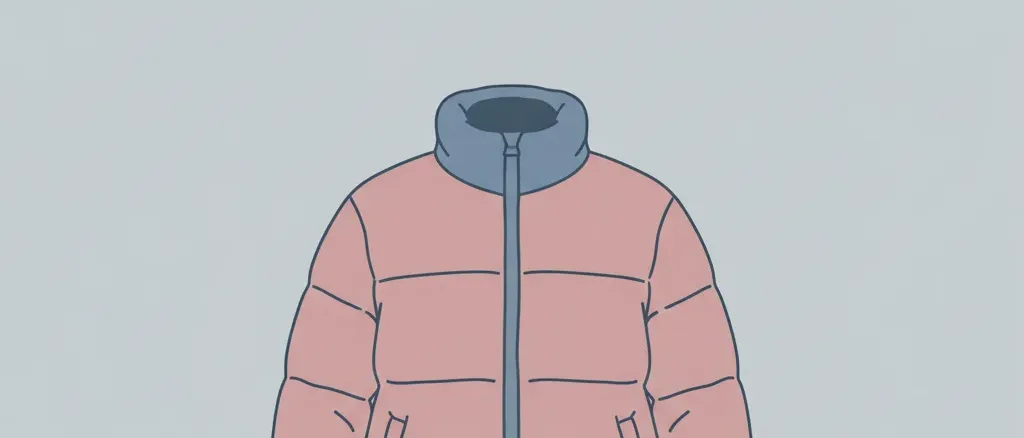
Mekanisme adalah bagian paling jelas dari entri ini. Seorang anak duduk di kursi mobil yang terpasang dengan benar sambil mengenakan jaket tebal (puffer jacket) atau pakaian salju. Pengasuh mengencangkan sabuk pengaman di bagian luar jaket dan lulus uji cubit di bahu. Dalam kecelakaan, anyaman sabuk pengaman menekan jaket dalam beberapa milidetik pertama dari benturan dan sebagian besar udara yang terperangkap dipaksa keluar dari antara lapisan insulasi. Sabuk pengaman kini terpasang pada anak ditambah lapisan tipis kain yang terkompresi, bukan pada anak ditambah jaket yang mengembang, yang berarti ada kelonggaran mendadak antara anyaman sabuk dan tubuh anak. The American Academy of Pediatrics menggambarkan titik akhir sebagai anak yang mampu “terlepas dari tali pengaman dan terlempar dari kursi.” NHTSA, Consumer Reports, dan Car Seats for the Littles menggambarkan urutan yang sama dengan bahasa yang hampir identik. Tidak satu pun dari empat sumber di sini yang membantah bahwa mekanisme ini nyata.
Yang tidak ada adalah tingkat kejadiannya. Fatality Analysis Reporting System (FARS) milik NHTSA tidak mengkodekan “kontribusi jaket musim dingin” sebagai variabel dalam catatan kecelakaan fatal, sehingga literatur yang berasal dari FARS yang mendasari sebagian besar entri transportasi Likelier tidak dapat menyelesaikan jalur ini sebagai kategori yang berbeda. Literatur keselamatan penumpang anak yang ditinjau sejawat menggabungkan penyalahgunaan pakaian tebal ke dalam kategori yang lebih luas yaitu “sabuk pengaman terlalu longgar” atau “penyalahgunaan” tanpa mempublikasikan jumlah kematian yang dapat diatribusikan. Consumer Reports telah melakukan uji luncur dan mempublikasikan foto kelonggaran yang terlihat sebelum dan sesudah jaket dilepas, tetapi belum, dalam sumber mana pun yang dapat kami verifikasi, mempublikasikan pengukuran kelonggaran pasca-kompresi yang terkuantifikasi atau peningkatan terkuantifikasi dalam probabilitas terlempar. Daftar kematian organisasi advokasi yang dikelola oleh Kids And Car Safety mencantumkan kasus-kasus yang disebutkan namanya — dua dengan detail yang cukup untuk mengidentifikasi mekanisme — tetapi dua kasus bukanlah sebuah tingkat kejadian.
Likelier mempublikasikan angka ketika bukti yang mendasarinya mendukungnya dan menolak ketika tidak. Ini adalah kategori kedua. Mekanisme ini dapat ditunjukkan, badan-badan berwenang setuju pada fisika dan mitigasi perilaku, dan rekomendasi untuk melepas jaket serta menggunakan selimut atau lapisan jaket terbalik di atas sabuk pengaman yang terkunci didukung terlepas dari apakah kematian yang dapat diatribusikan adalah satu kematian per tahun atau seratus. Kami tidak tahu yang mana. Pembaca yang menginginkan satu angka tidak dapat memilikinya di sini — mereka dapat memiliki mekanisme, mitigasi konsensus, dan pengakuan jujur bahwa sistem pengawasan belum menyelesaikan ketakutan ini pada resolusi yang dibutuhkan pertanyaan tersebut.
Fakta terkait
AAP, NHTSA, dan Consumer Reports memperingatkan bahwa jaket tebal akan tertekan saat tabrakan dan menyisakan kelonggaran pada sabuk yang bisa membuat anak terlepas. Mekanismenya terdokumentasi; angka cedera tingkat populasi tidak.
Buku besar klaim
Setiap angka di bawah ini adalah apa yang dilaporkan masing-masing sumber, dengan kutipan kata demi kata yang kami andalkan dan bagaimana kami sampai pada angka kami. Klik tautan mana saja untuk memverifikasi langsung.
3/4 sumber diverifikasi secara independen kata demi kata terhadap sumber terkutip
-
[1] HealthyChildren.org — American Academy of Pediatrics — Winter Car Seat Safety Tips: Keeping Kids Safe & Warm Terverifikasi
Winter Car Seat Safety Tips: Keeping Kids Safe & Warm- Statistik
AAP position: bulky winter coats and snowsuits should not be worn under a car seat harness because crash forces compress the padding and the child can slip through the straps- Kutipan
“"Bulky clothing, including winter coats and snowsuits, should not be worn underneath the harness of a car seat. In a car crash, fluffy padding in a coat immediately flattens out from the force, leaving extra space under the harness. A child can then slip through the straps and be thrown from the seat." ”
- Data sumber dari
- 2025-02-28
- Diakses
- 2026-04-11 · salinan arsip
- Verifikasi
- Kutipan diambil ulang secara independen dan dikonfirmasi kata demi kata terhadap sumber terkutip selama audit pendasaran kami.
- Perhitungan
- The AAP page is the canonical pediatric-authority statement of the mechanism: crash force compresses the coat, harness goes slack, child can slip through or be ejected. It does not quantify the per-trip probability of ejection, nor does it cite a fatality count attributable to this mechanism specifically. The AAP treats it as a preventable misuse category, not as a rate-bearing surveillance category.
- Independensi
- AAP and NHTSA coordinate their child passenger safety messaging, so the two authoritative sources here are not fully independent — treat them as one pediatric-safety consensus, not two separate estimates.
-
[2] US National Highway Traffic Safety Administration (NHTSA) — Keep Your Little Ones Warm and Safe in Their Car Seats
Keep Your Little Ones Warm and Safe in Their Car Seats- Statistik
NHTSA position: bulky clothing in car seats creates harness slack and increases crash injury risk; recommends lightweight layers, a blanket over the buckled harness, or the coat reversed over the harness- Kutipan
“"Too much bulk can create extra room in the harness, causing a loose fit, and putting the child at risk for injury in the event of a crash. Choose lightweight fleece layers instead of puffy materials to ensure a snug-fitting harness." ”
- Data sumber dari
- 2024-12-01
- Diakses
- 2026-04-11 · salinan arsip
- Perhitungan
- NHTSA's consumer-facing guidance confirms the AAP mechanism description and recommends the same set of behavioural mitigations (thin layers, blanket over the harness, coat on backwards). Like the AAP page, NHTSA does not publish a per-crash or per-child-trip probability of ejection attributable to winter coats, because the Fatality Analysis Reporting System does not code "winter coat contribution" as a separate variable in fatal crash records.
- Independensi
- NHTSA and the AAP coordinate their child passenger safety messaging via the National Child Passenger Safety Board and joint CPS technician curricula, so these two sources are best treated as one consensus rather than two independent estimates.
-
[3] Consumer Reports — Emily A. Thomas, PhD, Auto Test Center — Winter Coats and Car Seats Don't Mix: Safety Tips From CR Terverifikasi
Winter Coats and Car Seats Don't Mix: Safety Tips From CR- Statistik
Consumer Reports auto-safety team: puffy coats compress under harness webbing during crash forces and create slack sufficient to move the child outside the protection of the car seat shell- Kutipan
“"If the child's coat is too bulky or puffy under their harness, that material can compress during a crash and create slack between the child and their harness. This extra slack could allow the child to move outside of the protection of the car seat shell. Any time a child is not properly and snugly harnessed within their car seat, there is an increased injury risk." ”
- Data sumber dari
- 2023-11-01
- Diakses
- 2026-04-11 · salinan arsip
- Verifikasi
- Kutipan diambil ulang secara independen dan dikonfirmasi kata demi kata terhadap sumber terkutip selama audit pendasaran kami.
- Perhitungan
- Consumer Reports' Auto Test Center has published photographs showing visible harness slack after a coat is removed but does not report quantified post-compression slack in inches or a crash-sled outcome metric. Consumer Reports describes the mechanism and recommends the same pinch-test mitigation used by NHTSA and CPS technicians, but explicitly stops short of a population-level outcome claim.
- Independensi
- Consumer Reports is editorially and methodologically independent of NHTSA/AAP and runs its own sled-based harness testing, so it functions as a corroborating technical source on the mechanism even though no party in this chain publishes the outcome rate.
-
[4] Car Seats for the Littles (CSFTL) — CPS technician educational nonprofit — Hello Winter, Goodbye Coats! Terverifikasi
Hello Winter, Goodbye Coats!- Statistik
CPS technicians: in a crash the air is forced out from between the coat layers, leaving the harness too loose; consequences described as 'extra crash time on the child, and at worst, ejection from the seat'- Kutipan
“"The harness can end up fitting to the thick coat, and in the event of a crash, all that extra air is forced out between the layers, leaving the harness too loose to protect a child. A loose harness, at best, means extra crash time on the child, and at worst, could mean ejection from the seat." ”
- Data sumber dari
- 2016-11-11
- Diakses
- 2026-04-11 · salinan arsip
- Verifikasi
- Kutipan diambil ulang secara independen dan dikonfirmasi kata demi kata terhadap sumber terkutip selama audit pendasaran kami.
- Perhitungan
- CSFTL is the most-cited US child passenger safety technician education site. Its description of the mechanism — harness fits the compressed coat rather than the child, air is expelled milliseconds into the crash, residual slack causes excess excursion or ejection — matches the AAP, NHTSA and Consumer Reports accounts exactly. Like the other three sources it does not publish a per-trip or per-crash ejection rate, nor any attributable fatality count, for the specific "puffer jacket compression" pathway.
- Independensi
- CSFTL is a CPS-technician educational nonprofit that trains against the same National Child Passenger Safety Board curriculum AAP and NHTSA coordinate on. Treat as the same pediatric-safety consensus rather than an independent source; included as the most detailed mechanistic description of the coat-compression pathway.