Jakość dowodów 4.0/5
Ocena recenzji w ośmiu wymiarach względem rubryki jakości . Każdy wymiar oceniony w skali 1–5.
- D1 Zakotwiczenie w źródłach
- 4/5
- D2 Autorytet źródeł
- 4/5
- D3 Arytmetyka
- 5/5
- D4 Niepewność
- 4/5
- D5 Zakres
- 4/5
- D6 Tekst
- 4/5
- D7 Uczciwość co do percepcji
- 4/5
- D8 Kompletność zastrzeżeń
- 3/5
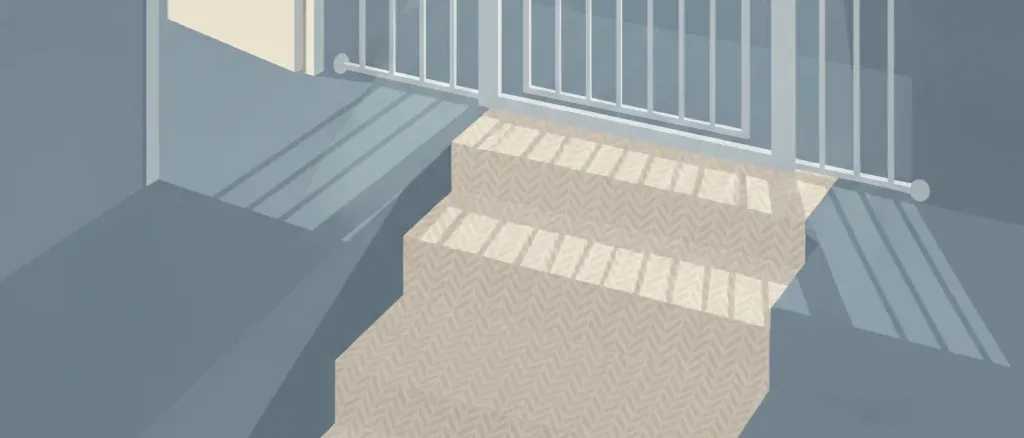
Lunatykowanie u dzieci jest na tyle częste, że trudno uznać je za coś nietypowego. W prospektywnej kohorcie z Quebecu, obejmującej 1940 dzieci obserwowanych od niemowlęctwa, około 29% lunatykowało co najmniej raz między 2,5 a 13 rokiem życia (liczba podana w komunikacie prasowym czasopisma), a odsetek lunatykujących w pojedynczym roku osiągnął szczyt 13,4% w wieku 10 lat (Petit i wsp. 2015). Metaanaliza łącząca 51 badań podaje dla dzieci wskaźnik 12-miesięczny 5,0%, wobec 1,5% u dorosłych (Stallman i Kohler 2016); rozbieżność między tymi źródłami może przynajmniej częściowo wynikać z różnic w sposobie zadawania pytania. Nikt natomiast nie zmierzył liczby, której faktycznie dotyczy pytanie tej strony: jak często lunatykujące dziecko doznaje urazu. Żadne odnalezione badanie nie podaje urazów na lunatykujące dziecko ani na epizod, dlatego nie publikujemy tu żadnego prawdopodobieństwa.
Najbliższe danym informacje dotyczą dorosłych i starszych nastolatków. Oddział ratunkowy w Bernie przeszukał około 620 000 przyjęć z mniej więcej 15 lat i znalazł 11 urazów związanych z lunatykowaniem; główną przyczyną były upadki, cztery osoby przyjęto do szpitala, nikt nie zmarł (Sauter i wsp. 2016). To mniej więcej jedna na 56 000 wizyt, co brzmi uspokajająco, ale nie jest wskaźnikiem w przeliczeniu na lunatyka: oddział nie przyjmuje nikogo poniżej 16 roku życia, nie wie, ilu lunatyków mieszka w jego rejonie, i znajduje tylko te przypadki, w których ktoś wpisał „lunatykowanie” do dokumentacji. Sam lęk zbudowany jest z kilku wyrazistych obrazów (szczyt schodów, niezatrzaśnięta bramka, otwarte okno), które powtarzają zalecenia pediatryczne, doradzając bramki i zamknięte okna. Zalecenia tego rodzaju sygnalizują prawdopodobne zagrożenie, a nie zmierzoną częstość.
Łatwiej opisać, czym brakująca liczba różniłaby się między domami, niż ją oszacować. Szansa na lunatykowanie w ogóle rośnie wraz z historią rodzinną: od 22,5% dzieci bez lunatykującego rodzica do 47,4% z jednym i 61,5% z dwojgiem (Petit i wsp. 2015). Schody, łóżka piętrowe i dostępne okna prawdopodobnie mają znaczenie dla ryzyka urazu, ale żadne badanie nie porównało częstości urazów u lunatyków w takich warunkach. O upadkach ze schodów i z okien w ogóle, niezależnie od tego, czy dziecko było przytomne, piszą Upadek ze schodów maluch i Dziecko spada z okna; żadne z nich nie oddziela upadków podczas lunatykowania od zwykłych.
Powiązane ciekawostki
Około 3 na 10 dzieci (według komunikatu prasowego czasopisma) z kohorty z Quebecu liczącej 1940 osób lunatykowało co najmniej raz między 2,5 a 13 rokiem życia. Jak często lunatykujące dziecko doznaje urazu, na schodach czy gdziekolwiek indziej, nigdy nie zmierzono.
Rejestr twierdzeń
Każda liczba poniżej jest tym, co podało dane źródło — z dosłownym cytatem, na którym się oparliśmy, i sposobem, w jaki doszliśmy do naszej wartości. Kliknij dowolny link, żeby zweryfikować bezpośrednio.
-
[1] JAMA Pediatrics (Petit et al. 2015; 169(7):653-658) — Childhood Sleepwalking and Sleep Terrors: A Longitudinal Study of Prevalence and Familial Aggregation
Childhood Sleepwalking and Sleep Terrors: A Longitudinal Study of Prevalence and Familial Aggregation- Statystyka
Prospective Quebec Longitudinal Study of Child Development cohort, N=1,940 children followed 1999-2011: sleepwalking prevalence peaked at 13.4% (95% CI 11.3%-15.5%) at age 10; childhood sleepwalking prevalence was 22.5% with no parental history, 47.4% with one sleepwalking parent, and 61.5% with two- Cytat
“"The peak of prevalence was observed at 1½ years for sleep terrors (34.4% of children; 95% CI, 32.3%-36.5%) and at age 10 years for sleepwalking (13.4%; 95% CI, 11.3%-15.5%)." ... "The prevalence of childhood sleepwalking increases with the degree of parental history of sleepwalking: 22.5% (95% CI, 19.2%-25.8%) for children without a parental history of sleepwalking, 47.4% (95% CI, 38.9%-55.9%) for children who had 1 parent with a history of sleepwalking, and 61.5% (95% CI, 42.8%-80.2%) for children whose mother and father had a history of sleepwalking." [Abstract text; PubMed and JAMA Network were not directly reachable in-session, so the wording was confirmed via exact-phrase search of the indexed abstract] ”
- Dane źródłowe z
- 2015-07-01
- Dostęp
- 2026-09-26
- Obliczenie
- Used only as context for exposure: how many children sleepwalk at all. The 13.4% peak at age 10 is a point prevalence in that year; the 22.5% / 47.4% / 61.5% figures are cumulative childhood prevalence stratified by parental history. No injury outcome is reported, so nothing is converted to a native or normalized probability. The parental-history gradient is described in prose rather than as personal_factor_multipliers because this entry carries no_reliable_estimate and the gradient shifts the chance of sleepwalking, not the chance of injury given sleepwalking.
-
[2] JAMA Pediatrics press release via EurekAlert! (AAAS) — Kids likely to sleepwalk if parents have history of nocturnal strolls
Kids likely to sleepwalk if parents have history of nocturnal strolls- Statystyka
Overall childhood prevalence of sleepwalking, ages 2½ to 13, was 29.1% in the Quebec cohort- Cytat
“"The overall childhood prevalence of sleepwalking (ages 2½ to 13 years) was 29.1 percent." ”
- Dane źródłowe z
- 2015-05-04
- Dostęp
- 2026-09-26
- Obliczenie
- The journal's own press release for Petit et al. (2015), cited because it states the cumulative 2½-to-13 figure in one line. The 29.1% could not be found in the indexed abstract text via search, so it rests on this release rather than the peer-reviewed abstract; the abstract's parental-history strata (22.5% to 61.5%) are consistent with it. Rounded to "about 29%" / "about 3 in 10" in the quick answer and prose. Exposure context only; no injury figure.
- Niezależność
- Not independent of Petit et al. (2015); it summarizes the same study.
-
[3] PLOS ONE (Stallman & Kohler 2016) — Prevalence of Sleepwalking: A Systematic Review and Meta-Analysis
Prevalence of Sleepwalking: A Systematic Review and Meta-Analysis- Statystyka
Meta-analysis of 51 studies (N=100,490): lifetime sleepwalking prevalence 6.9% (95% CI 4.6%-10.3%); 12-month prevalence 5.0% (95% CI 3.8%-6.5%) in children versus 1.5% (95% CI 1.0%-2.3%) in adults- Cytat
“"The estimated lifetime prevalence of sleepwalking was 6.9% (95% CI 4.6%-10.3%). The current prevalence rate of sleepwalking within the last 12 months was significantly higher in children [5.0% (95% CI 3.8%-6.5%)] than adults [1.5% (95% CI 1.0%-2.3%)]." [Abstract text; PLOS and PMC were not directly reachable in-session, so the wording was confirmed via search of the indexed abstract; dash and bracket punctuation may differ slightly from the published typography] ”
- Dane źródłowe z
- 2016-11-10
- Dostęp
- 2026-09-26
- Obliczenie
- Supplies the pooled 12-month figure: roughly 1 in 20 children sleepwalk in a given year. The pooled lifetime figure (6.9%, mixed ages) is far below the Quebec cohort's 29.1% because most pooled studies used single retrospective questions rather than repeated prospective parent reports (an interpretation, not a finding of either paper), which suggests sleepwalking counts are sensitive to method. Exposure context only; no injury figure.
- Niezależność
- Independent research group and methodology (pooled cross-sectional studies) from the Quebec cohort.
-
[4] Western Journal of Emergency Medicine (Sauter et al. 2016; 17(6):709-712) — Somnambulism: Emergency Department Admissions Due to Sleepwalking-Related Trauma
Somnambulism: Emergency Department Admissions Due to Sleepwalking-Related Trauma- Statystyka
11 sleepwalking-related trauma presentations among about 620,000 ED admissions at Inselspital, Bern, 2000-2015; falls were the leading mechanism; 4 of 11 (36.4%) were hospitalized; no deaths; adult department treating patients aged 16 and over (two of the 11 were 16)- Cytat
“"Of 620,000 screened ED admissions, 11 were associated with trauma and sleepwalking." ... "Although sleepwalking seems benign in the majority of cases and most of the few injured patients will not require hospitalization, major injuries are possible." [First sentence from the abstract; second from the full-text Conclusion (the abstract reads "did not require"). Both checked against the Europe PMC full text, 2026-09-27] ”
- Dane źródłowe z
- 2016-11-01
- Dostęp
- 2026-09-26
- Obliczenie
- The only systematic count of sleepwalking injuries located. It cannot anchor a pediatric estimate: the adult department treats patients aged 16 and over, there is no denominator of sleepwalkers in the catchment, and cases were found by chart search, which misses injuries not recorded as sleepwalking-related. 11 / 620,000 is a share of ED visits (about 1 in 56,000), not a probability per sleepwalker, and is shown for scale only. This is the reason for no_reliable_estimate.
-
[5] Nemours KidsHealth — Sleepwalking (for Parents)
Sleepwalking (for Parents)- Statystyka
Pediatric safety guidance for sleepwalking children: gates at bedroom door and/or stair top; locked windows and doors- Cytat
“"Install safety gates outside your child's room and/or at the top of any stairs." ... "Lock the windows and doors in your child's bedroom and throughout your home in case your young sleepwalker wanders." [kidshealth.org was not directly reachable in-session; wording confirmed via exact-phrase search of the indexed page] ”
- Dane źródłowe z
- 2026-09-26
- Dostęp
- 2026-09-26
- Obliczenie
- Establishes that stairs and windows are the hazards pediatric guidance singles out. Guidance, not evidence of frequency: it gives no injury rate and no data on how much gates or locks reduce injury among sleepwalkers. source_date set to access date because the page shows a rolling review date.