Якість доказів 4.5/5
Восьмивимірна оцінка перевірки за рубрикою якості . Кожен вимір оцінений 1–5.
- D1 Прив’язка до джерел
- 4/5
- D2 Авторитет джерела
- 5/5
- D3 Арифметика
- 5/5
- D4 Невизначеність
- 4/5
- D5 Сфера
- 4/5
- D6 Проза
- 5/5
- D7 Чесність сприйняття
- 4/5
- D8 Повнота застережень
- 5/5
≈ Так само ймовірно, як
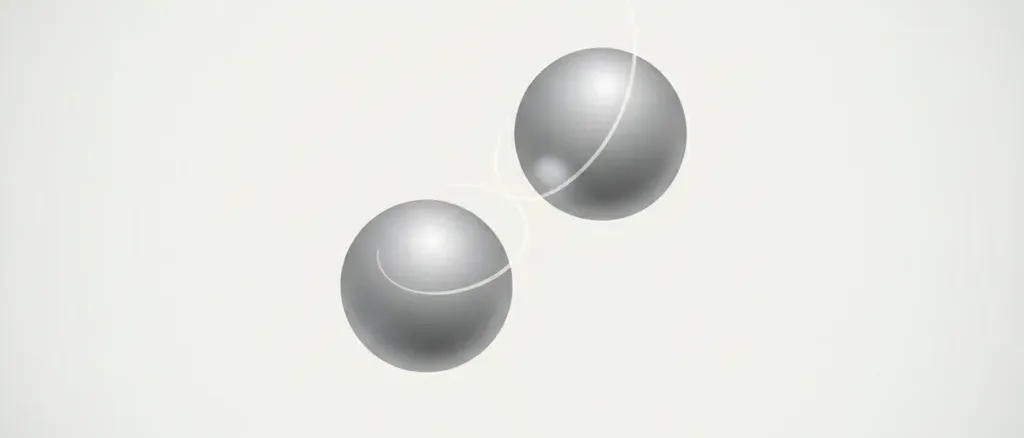
Сприйнятий
Набори іграшкових магнітів і декоративні потужні магніти продавалися як настільні іграшки для дорослих і продукти для зняття стресу, але небезпеку, коли дитина ковтає кілька магнітів, більшість батьків погано розуміє. Домінуюча суспільна ментальна модель ставиться до проковтування магніту як до проковтування монети — неприємно, але минає само собою. Що не є широко відомим, так це те, що механізм принципово інший для двох чи більше потужних магнітів: вони притягуються один до одного через різні петлі кишківника, створюючи точку тиску, яка може спричинити ішемію, перфорацію, заворот і некроз кишківника протягом годин. Middelberg із колегами (2022) виявили, що майже половина опікунів, чию дитину лікували від травми потужним магнітом, вважали потужні магніти дитячими іграшками, і лише 7% знали, що ці магніти раніше вилучалися з ринку CPSC. Небезпека суттєво недооцінена порівняно з пласкими батарейками, попри те, що вона госпіталізує дітей приблизно у 20 разів частіше.
Грубна оцінка: Більшість батьків не мають числа для цієї небезпеки; майже половина в опитуванні після інцидентів вважала потужні магніти дитячими іграшками (Middelberg 2022)
Джерело: редакційна інтуїція, не опитування
Фактичний
~300–400 госпіталізацій на рік серед дітей у США через проковтування кількох потужних магнітів
діти у США віком 0–14 років, госпіталізація через проковтування кількох потужних магнітів
Показати обчислення
CPSC оцінила 26 600 звернень до відділень невідкладної допомоги, пов'язаних з магнітами, за 2010–2021 роки серед усіх дітей віком 0–17 років (Federal Register, вересень 2022). Після скасування правила у 2017–2020 роках щорічні звернення становили приблизно 2 300–2 400 на рік саме для потужних магнітів. Middelberg et al. (2022, Pediatrics), найбільше клінічне когортне дослідження (596 підтверджених випадків потужних магнітів у 25 дитячих лікарнях, 2017–2019), виявило, що 55,7% потребували госпіталізації, а 95% випадків припадало на дітей до 14 років. Застосування 56% рівня госпіталізації до ~2 400 звернень на рік через потужні магніти дає приблизно 300–400 госпіталізацій на рік за період після повернення на ринок. Дітей у США віком 0–14 років налічується приблизно 61 мільйон (перепис). Кумулятивний ризик за 15-річне вікно: 300–400 госпіталізацій/рік × 15 років / 61 000 000 ≈ 7,4–9,8 × 10⁻⁵, тобто приблизно від 1 з 10 000 до 1 з 14 000. Заголовок використовує 1 з 12 000 як середину. Strickland et al. (2020, JPGN) незалежно виявили приблизно 1094 випадки «ескалації допомоги» з кількома магнітами за 2017–2019 роки (зважена оцінка NEISS), що узгоджується з 350–400 серйозними наслідками на рік. Нове правило CPSC (16 CFR Part 1262) набуло чинності в жовтні 2022 року; його вплив на показники випадків поки що неможливо кількісно оцінити за опублікованими даними.
Застереження: Заголовне 1 з 12 000 стосується госпіталізації через проковтування кількох потуж…
Заголовне 1 з 12 000 стосується госпіталізації через проковтування кількох потужних магнітів у дитячому вікні 0–14 років. Смертельні наслідки приблизно на два порядки величини рідкісніші — приблизно 1 з 13 мільйонів на дитину (5 підтверджених смертей у США за ~17 років проти популяції в 61 мільйон дітей віком 0–14 років). Небезпека стосується саме кількох магнітів (або одного магніту плюс металевого предмета): проковтування одного магніту майже завжди минає само собою. Це розрізнення критичне і для клінічного ведення, і для комунікації ризику з батьками. Діапазон ймовірності чутливий до регуляторного циклу: випадків було ~2 300 на рік до правила CPSC 2014 року, вони знизилися в період дії правила (2015–2016), різко повернулися до ~2 300–2 400 на рік після скасування правила у 2016 році, а нове федеральне правило 2022 року (16 CFR Part 1262) має невідомий, але потенційно суттєвий вплив на майбутні показники. Оцінка 300–400 госпіталізацій відображає період після скасування правила й до нового правила (2017–2022); показники після 2022 року можуть бути нижчими, якщо нове правило досягне кращого дотримання, ніж скасоване. Небезпека магнітів займає незвичне місце відносно інших записів на цьому сайті: рівень госпіталізації (~1 з 12 000) приблизно у 20 разів вищий за рівень серйозних травм від пласких батарейок (~1 з 250 000), попри те, що пласкі батарейки отримують значно більше комунікації охорони здоров'я та уваги регуляторів. Розрив у доступності частково пояснюється старшим середнім віком пацієнтів для магнітів (7,5 року, Middelberg) порівняно з переважно малюковою популяцією для пласких батарейок.
Пов’язані ризики
Інші ризики на схожі теми — для вивчення пов’язаних страхів.

Проковтування капсули прання
Які шанси, що мала дитина отримає серйозну травму від ковтання чи стискання капсули прального засобу?

Загибель дитини обличчям вперед
Чи справді дитина в кріслі, встановленому обличчям вперед, частіше гине в аварії?

Нелікована дисплазія кульшового суглоб
Які шанси інвалідності від нелікованої дисплазії кульшового суглоба у немовлят?
Дитина ковтає предмет (швидка)
Яка ймовірність того, що мала дитина проковтне предмет і потребуватиме медичної допомоги?

Дитина ковтає нікот. пакетик
Яка ймовірність, що про малу дитину повідомлять у токсикологічний центр через проковтнутий нікотиновий пакетик?
Падіння зі сходів малюк
Яка ймовірність того, що малюк отримає серйозну травму при падінні зі сходів?
Обрати порівнюваний
A single swallowed magnet is almost never a serious emergency. Two or more high-powered magnets swallowed at different times — or a magnet swallowed separately from a metal object — are a different problem entirely. When two neodymium magnets are in different loops of intestine, they attract each other strongly across the bowel wall, creating a pressure point that can cause ischemia, perforation, volvulus, and bowel necrosis within hours. Middelberg et al. (2022, Pediatrics), the largest clinical cohort of high-powered magnet injuries — 596 confirmed cases across 25 children’s hospitals over 2017-2019 — found that 55.7% required hospitalization, 46.3% required endoscopy, surgery, or both, and 9.6% had life-threatening morbidity including bowel obstruction, perforation, fistulae, and volvulus. The first documented US pediatric death from high-powered magnet ingestion occurred in a 20-month-old child in 2005/2006; CPSC has confirmed five US deaths since then.
The regulatory history is a study in how consumer product safety can fail at the enforcement stage. CPSC documented 20 serious cases between 2003 and 2006, including 15 bowel perforations and one death. Case counts climbed sharply over the following decade as high-powered neodymium magnet sets (marketed as “Buckyballs,” “Zen Magnets,” and dozens of similar brands) became popular adult desk toys. CPSC published a federal safety rule in 2014 limiting the flux strength of consumer magnets. The rule took effect in 2015, and annual ED visit rates fell. In 2016, the US Court of Appeals for the Tenth Circuit vacated the rule, finding the CPSC’s supporting findings inadequately explained. High-powered magnets returned to market in 2017. By 2017-2019, Strickland and colleagues (2020, JPGN) documented a five-fold increase in multiple-magnet escalation of care and a hospitalization rate of 37.7%. A new federal rule (16 CFR Part 1262) was unanimously adopted by CPSC in September 2022 with a broader product scope than the vacated rule, but post-enforcement case data are not yet published.
The counter-intuitive finding from comparing magnet and button-battery entries is worth stating directly. Button batteries receive substantially more public-health communication and regulatory attention than high-powered magnets. Yet the hospitalization rate for the magnet hazard — roughly 1 in 12,000 children over the 0-14 window — is approximately 20 times higher than the severe-injury rate for button batteries (1 in 250,000 over the 0-6 window). The difference is explained partly by the older age distribution for magnets (median 7.5 years, Middelberg) relative to button batteries (peak age 2 years), which means magnet exposure is more likely to occur in older children who appear less at-risk, and partly by the complexity of the mechanism, which is not intuitive to parents or to emergency physicians who may initially interpret an X-ray showing two overlapping metallic densities as a coin swallowing rather than a two-magnet emergency.
Пов’язані факти
Приблизно 1 з 90 американських дітей потрапляє на швидку через проковтнутий предмет до 6 років — зазвичай це монета, і 80-90% виходять самостійно. Винятки, що порушують правило про самостійний вихід: ґудзикові батарейки, які пропалюють тканини за години, та кілька магнітів, які затискають стінку кишечника.
Госпіталізація через проковтування кількох потужних магнітів трапляється приблизно ~1 на 12,000 на дитину в США у віці 0-14 років. В одному опитуванні після випадку майже половина опікунів усе ще вважала магніти дитячими іграшками.
Реєстр тверджень
Кожне число нижче — це те, що повідомило джерело, з дослівною цитатою, на яку ми спиралися, та тим, як ми дійшли до нашої цифри. Натисніть на посилання, щоб перевірити самостійно.
-
[1] Pediatrics — Middelberg et al. (IMPACT of Magnets Research Collaborative), Nationwide Children's Hospital, 2022 — High-Powered Magnet Exposures in Children: A Multi-Center Cohort Study
High-Powered Magnet Exposures in Children: A Multi-Center Cohort Study- Статистика
596 patients confirmed high-powered magnet exposure (25 children's hospitals, 2017-2019); 55.7% hospitalized; 46.3% required endoscopy/surgery; 9.6% had life-threatening morbidity; 95% of care was for children under 14; median age 7.5 years; nearly half of caregivers believed high-powered magnets were children's toys- Витяг
“"Nearly 600 cases of high-powered magnet-related injuries in the three years after high-powered magnets re-entered the US market (2017 to 2019)... the majority (56%) of children being treated for high-powered magnet-related injuries required hospitalization... nearly one in ten had a potentially life-threatening injury such as bowel obstruction, perforation, infection, bleeding, fistulae or volvulus... 95% of care in this study was for children under 14 years of age... almost half of caregivers believed high-powered magnets were children's toys." ”
- Дані джерела:
- 2022-02-01
- Дата звернення
- 2026-05-09 · архівна копія
- Розрахунок
- The 56% hospitalization rate from 596 confirmed cases across 25 children's hospitals is the primary clinical outcome rate. Applying this to the CPSC's nationally estimated ~600/yr high-powered magnet ED visits gives ~336 hospitalizations/yr. The 9.6% life-threatening morbidity rate (57/596) translates to approximately 57 life-threatening events per year nationally from high-powered magnet ingestion alone.
- Незалежність
- Middelberg et al. use a prospective multi-center cohort design distinct from the NEISS-based population estimates of Strickland 2020 and the CPSC product-incident database. The clinical outcome rates (hospitalization, surgical intervention, life-threatening morbidity) are empirically measured rather than derived from administrative codes.
-
[2] Journal of Pediatric Gastroenterology and Nutrition — Strickland, Reeves, Krishnamurthy, Bhatt, Mahajan, Abbas, 2020 — Magnet Ingestions in Children Presenting to Emergency Departments in the United States, 2009–2019: A Problem in Flux
Magnet Ingestions in Children Presenting to Emergency Departments in the United States, 2009–2019: A Problem in Flux- Статистика
23,756 weighted NEISS-estimated pediatric magnet-ingestion ED visits 2009-2019; hospitalization rate rose to 37.7% in 2017-2019 (post-rule-vacated period); 5-fold increase in multiple-magnet escalation of care (estimated 1,094 cases) over 2017-2019; annual case increase averaged 6.1%- Витяг
“"An estimated 23,756 children (59% males, 42% < 5 years old) presented with a [suspected magnet ingestion] from 2009 to 2019 with an average annual case increase of 6.1%... From 2017 to 2019, there was a greater proportion of small/round type magnet ingestions and multiple magnet ingestions, and... a 5-fold increase in the escalation of care for multiple magnet ingestions (estimated n = 1,094; CI 505-1,686)." ”
- Дані джерела:
- 2020-12-01
- Дата звернення
- 2026-05-09 · архівна копія
- Розрахунок
- 1,094 escalation-of-care multiple-magnet cases over 2017-2019 (3 years) ≈ 365/yr — consistent with the ~300-400 hospitalization estimate derived from Middelberg's clinical hospitalization rate applied to CPSC's annual ED visit count. Strickland's NEISS-based approach provides an independent population-level estimate that corroborates the Middelberg clinical-cohort approach.
- Незалежність
- Strickland et al. use NEISS (National Electronic Injury Surveillance System), a statistically representative sample of US EDs maintained by CPSC, yielding nationally weighted estimates. This is methodologically independent of the Middelberg multi-center clinical cohort and of the CPSC product-incident administrative database.
-
[3] CDC Morbidity and Mortality Weekly Report, December 8, 2006, Vol. 55, No. 48 — Gastrointestinal Injuries from Magnet Ingestion in Children — United States, 2003–2006
Gastrointestinal Injuries from Magnet Ingestion in Children — United States, 2003–2006- Статистика
20 CPSC-identified serious magnet GI injury cases (2003-2006); 19 required surgery; 75% had bowel perforation; 1 death (first documented US fatality); all cases involved multiple magnets attracting through intestinal loops- Витяг
“"Since 2003, CPSC has identified one death and 19 other serious cases involving magnets with this type of unusual strength, representing a range of injuries including intestinal perforations (15 cases), obstruction (4), volvulus (3), and peritonitis (4)... The magnets had magnetically joined across two loops of intestine, causing a volvulus that compromised the blood supply to the bowel and led to necrosis, perforation, and sepsis." ”
- Дані джерела:
- 2006-12-08
- Дата звернення
- 2026-05-09 · архівна копія
- Розрахунок
- This MMWR report established the mechanism: all 20 serious cases involved multiple magnets (or magnets plus a metal object) attracted through the bowel wall. Single-magnet ingestion was not represented in the serious-outcome cases. The 75% bowel-perforation rate in this early clinical case series is consistent with the 9.6% life-threatening morbidity rate in Middelberg 2022 — both measure the outcome rate in cases reaching surgical review, which is a selected severe subset. The first US death (a 20-month-old child, 2005/2006) is documented in this report.
-
[4] US Consumer Product Safety Commission, Federal Register, September 21, 2022 — Safety Standard for Magnets, 16 CFR Part 1262
Safety Standard for Magnets, 16 CFR Part 1262- Статистика
26,600 magnet-related ED visits 2010-2021 (NEISS estimate); 7-8 deaths involving hazardous magnets since 2005 (5 confirmed US deaths); 124 documented surgical cases (2010-2020); new rule requires flux index <50 kG²mm² for all consumer magnet products fitting small-parts cylinder- Витяг
“"CPSC estimates 26,600 magnet ingestions were treated in hospital ERs from 2010 through 2021, and cases have been rising annually since 2018. CPSC is aware of seven deaths involving the ingestion of hazardous magnets (including two outside of the United States)." ”
- Дані джерела:
- 2022-09-21
- Дата звернення
- 2026-05-09 · архівна копія
- Розрахунок
- 26,600 ED visits / 12 years ≈ 2,217/yr on average. Five confirmed US deaths across ~17 years (2005-2022) ≈ 0.3/yr — a low annual fatality rate that translates to approximately 1 in 13 million per child over the 0-14 window. The new federal rule (effective October 2022) applies to all consumer products with separable magnets fitting the small-parts cylinder, not just the "magnet sets" definition that the vacated 2014 rule covered. Post-enforcement case data are not yet available in peer-reviewed literature.