Якість доказів 4.0/5
Восьмивимірна оцінка перевірки за рубрикою якості . Кожен вимір оцінений 1–5.
- D1 Прив’язка до джерел
- 4/5
- D2 Авторитет джерела
- 4/5
- D3 Арифметика
- 5/5
- D4 Невизначеність
- 4/5
- D5 Сфера
- 4/5
- D6 Проза
- 4/5
- D7 Чесність сприйняття
- 4/5
- D8 Повнота застережень
- 3/5
Сноходіння в дітей трапляється так часто, що його важко назвати чимось незвичним. У проспективній квебекській когорті з 1940 дітей, за якими спостерігали з немовлячого віку, близько 29% хоча б раз ходили уві сні у віці від 2,5 до 13 років (цю цифру наведено в пресрелізі журналу), а частка сновид за окремий рік досягла піку 13,4% у 10 років (Petit et al. 2015). Метааналіз 51 дослідження дає для дітей 12-місячний показник 5,0% проти 1,5% у дорослих (Stallman і Kohler 2016); розбіжність між джерелами може принаймні частково пояснюватися тим, як було сформульовано запитання. Чого ніхто не виміряв, то це числа, про яке насправді питає ця сторінка: як часто дитина-сновида травмується. Жодне знайдене дослідження не повідомляє про травми в розрахунку на дитину-сновиду чи на епізод, тому жодної ймовірності тут не опубліковано.
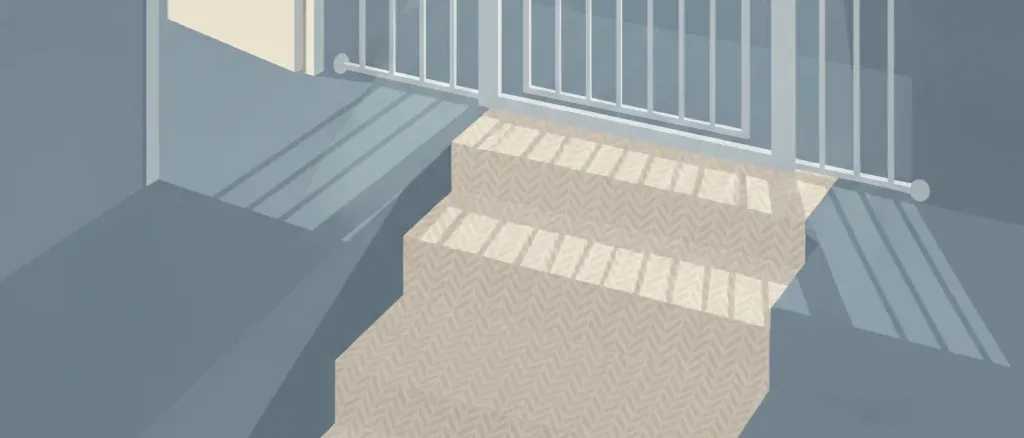
Найближче до даних — відомості про дорослих і старших підлітків. Відділення невідкладної допомоги в Берні переглянуло близько 620 000 звернень приблизно за 15 років і знайшло 11 травм, пов’язаних зі сноходінням; основним механізмом були падіння, чотирьох госпіталізували, ніхто не загинув (Sauter et al. 2016). Це приблизно одне звернення з 56 000, що звучить заспокійливо, але не є показником у розрахунку на сновиду: відділення не приймає нікого молодшого за 16 років, не знає, скільки сновид живе в зоні його обслуговування, і знаходить лише ті випадки, де хтось записав у картці «сноходіння». Сам страх складається з кількох яскравих образів (верх сходів, незачинені ворітця, відчинене вікно), які повторюють педіатричні поради, рекомендуючи ворітця й зачинені вікна. Такі поради вказують на правдоподібну небезпеку, а не на виміряну частоту.
Описати, чим відсутнє число відрізнялося б від дому до дому, простіше, ніж його оцінити. Імовірність сноходіння зростає із сімейним анамнезом: від 22,5% у дітей без батьків-сновид до 47,4% з одним і 61,5% з двома (Petit et al. 2015). Сходи, двоярусні ліжка й досяжні вікна, імовірно, впливають на ризик травми, але жодне дослідження не порівнювало частоту травм у сновид у таких умовах. Про падіння зі сходів і з вікон загалом, незалежно від того, чи дитина не спала, див. Падіння зі сходів малюк і Падіння дитини з вікна; жоден із цих записів не відокремлює падіння під час сноходіння від звичайних.
Пов’язані факти
Близько 3 з 10 дітей (за даними пресрелізу журналу) з квебекської когорти чисельністю 1940 осіб хоча б раз ходили уві сні у віці від 2,5 до 13 років. Як часто дитина-сновида травмується, на сходах чи деінде, ніколи не вимірювали.
Реєстр тверджень
Кожне число нижче — це те, що повідомило джерело, з дослівною цитатою, на яку ми спиралися, та тим, як ми дійшли до нашої цифри. Натисніть на посилання, щоб перевірити самостійно.
-
[1] JAMA Pediatrics (Petit et al. 2015; 169(7):653-658) — Childhood Sleepwalking and Sleep Terrors: A Longitudinal Study of Prevalence and Familial Aggregation
Childhood Sleepwalking and Sleep Terrors: A Longitudinal Study of Prevalence and Familial Aggregation- Статистика
Prospective Quebec Longitudinal Study of Child Development cohort, N=1,940 children followed 1999-2011: sleepwalking prevalence peaked at 13.4% (95% CI 11.3%-15.5%) at age 10; childhood sleepwalking prevalence was 22.5% with no parental history, 47.4% with one sleepwalking parent, and 61.5% with two- Витяг
“"The peak of prevalence was observed at 1½ years for sleep terrors (34.4% of children; 95% CI, 32.3%-36.5%) and at age 10 years for sleepwalking (13.4%; 95% CI, 11.3%-15.5%)." ... "The prevalence of childhood sleepwalking increases with the degree of parental history of sleepwalking: 22.5% (95% CI, 19.2%-25.8%) for children without a parental history of sleepwalking, 47.4% (95% CI, 38.9%-55.9%) for children who had 1 parent with a history of sleepwalking, and 61.5% (95% CI, 42.8%-80.2%) for children whose mother and father had a history of sleepwalking." [Abstract text; PubMed and JAMA Network were not directly reachable in-session, so the wording was confirmed via exact-phrase search of the indexed abstract] ”
- Дані джерела:
- 2015-07-01
- Дата звернення
- 2026-09-26
- Розрахунок
- Used only as context for exposure: how many children sleepwalk at all. The 13.4% peak at age 10 is a point prevalence in that year; the 22.5% / 47.4% / 61.5% figures are cumulative childhood prevalence stratified by parental history. No injury outcome is reported, so nothing is converted to a native or normalized probability. The parental-history gradient is described in prose rather than as personal_factor_multipliers because this entry carries no_reliable_estimate and the gradient shifts the chance of sleepwalking, not the chance of injury given sleepwalking.
-
[2] JAMA Pediatrics press release via EurekAlert! (AAAS) — Kids likely to sleepwalk if parents have history of nocturnal strolls
Kids likely to sleepwalk if parents have history of nocturnal strolls- Статистика
Overall childhood prevalence of sleepwalking, ages 2½ to 13, was 29.1% in the Quebec cohort- Витяг
“"The overall childhood prevalence of sleepwalking (ages 2½ to 13 years) was 29.1 percent." ”
- Дані джерела:
- 2015-05-04
- Дата звернення
- 2026-09-26
- Розрахунок
- The journal's own press release for Petit et al. (2015), cited because it states the cumulative 2½-to-13 figure in one line. The 29.1% could not be found in the indexed abstract text via search, so it rests on this release rather than the peer-reviewed abstract; the abstract's parental-history strata (22.5% to 61.5%) are consistent with it. Rounded to "about 29%" / "about 3 in 10" in the quick answer and prose. Exposure context only; no injury figure.
- Незалежність
- Not independent of Petit et al. (2015); it summarizes the same study.
-
[3] PLOS ONE (Stallman & Kohler 2016) — Prevalence of Sleepwalking: A Systematic Review and Meta-Analysis
Prevalence of Sleepwalking: A Systematic Review and Meta-Analysis- Статистика
Meta-analysis of 51 studies (N=100,490): lifetime sleepwalking prevalence 6.9% (95% CI 4.6%-10.3%); 12-month prevalence 5.0% (95% CI 3.8%-6.5%) in children versus 1.5% (95% CI 1.0%-2.3%) in adults- Витяг
“"The estimated lifetime prevalence of sleepwalking was 6.9% (95% CI 4.6%-10.3%). The current prevalence rate of sleepwalking within the last 12 months was significantly higher in children [5.0% (95% CI 3.8%-6.5%)] than adults [1.5% (95% CI 1.0%-2.3%)]." [Abstract text; PLOS and PMC were not directly reachable in-session, so the wording was confirmed via search of the indexed abstract; dash and bracket punctuation may differ slightly from the published typography] ”
- Дані джерела:
- 2016-11-10
- Дата звернення
- 2026-09-26
- Розрахунок
- Supplies the pooled 12-month figure: roughly 1 in 20 children sleepwalk in a given year. The pooled lifetime figure (6.9%, mixed ages) is far below the Quebec cohort's 29.1% because most pooled studies used single retrospective questions rather than repeated prospective parent reports (an interpretation, not a finding of either paper), which suggests sleepwalking counts are sensitive to method. Exposure context only; no injury figure.
- Незалежність
- Independent research group and methodology (pooled cross-sectional studies) from the Quebec cohort.
-
[4] Western Journal of Emergency Medicine (Sauter et al. 2016; 17(6):709-712) — Somnambulism: Emergency Department Admissions Due to Sleepwalking-Related Trauma
Somnambulism: Emergency Department Admissions Due to Sleepwalking-Related Trauma- Статистика
11 sleepwalking-related trauma presentations among about 620,000 ED admissions at Inselspital, Bern, 2000-2015; falls were the leading mechanism; 4 of 11 (36.4%) were hospitalized; no deaths; adult department treating patients aged 16 and over (two of the 11 were 16)- Витяг
“"Of 620,000 screened ED admissions, 11 were associated with trauma and sleepwalking." ... "Although sleepwalking seems benign in the majority of cases and most of the few injured patients will not require hospitalization, major injuries are possible." [First sentence from the abstract; second from the full-text Conclusion (the abstract reads "did not require"). Both checked against the Europe PMC full text, 2026-09-27] ”
- Дані джерела:
- 2016-11-01
- Дата звернення
- 2026-09-26
- Розрахунок
- The only systematic count of sleepwalking injuries located. It cannot anchor a pediatric estimate: the adult department treats patients aged 16 and over, there is no denominator of sleepwalkers in the catchment, and cases were found by chart search, which misses injuries not recorded as sleepwalking-related. 11 / 620,000 is a share of ED visits (about 1 in 56,000), not a probability per sleepwalker, and is shown for scale only. This is the reason for no_reliable_estimate.
-
[5] Nemours KidsHealth — Sleepwalking (for Parents)
Sleepwalking (for Parents)- Статистика
Pediatric safety guidance for sleepwalking children: gates at bedroom door and/or stair top; locked windows and doors- Витяг
“"Install safety gates outside your child's room and/or at the top of any stairs." ... "Lock the windows and doors in your child's bedroom and throughout your home in case your young sleepwalker wanders." [kidshealth.org was not directly reachable in-session; wording confirmed via exact-phrase search of the indexed page] ”
- Дані джерела:
- 2026-09-26
- Дата звернення
- 2026-09-26
- Розрахунок
- Establishes that stairs and windows are the hazards pediatric guidance singles out. Guidance, not evidence of frequency: it gives no injury rate and no data on how much gates or locks reduce injury among sleepwalkers. source_date set to access date because the page shows a rolling review date.