Якість доказів 5.0/5
Восьмивимірна оцінка перевірки за рубрикою якості . Кожен вимір оцінений 1–5.
- D1 Прив’язка до джерел
- 5/5
- D2 Авторитет джерела
- 5/5
- D3 Арифметика
- 5/5
- D4 Невизначеність
- 5/5
- D5 Сфера
- 5/5
- D6 Проза
- 5/5
- D7 Чесність сприйняття
- 5/5
- D8 Повнота застережень
- 5/5
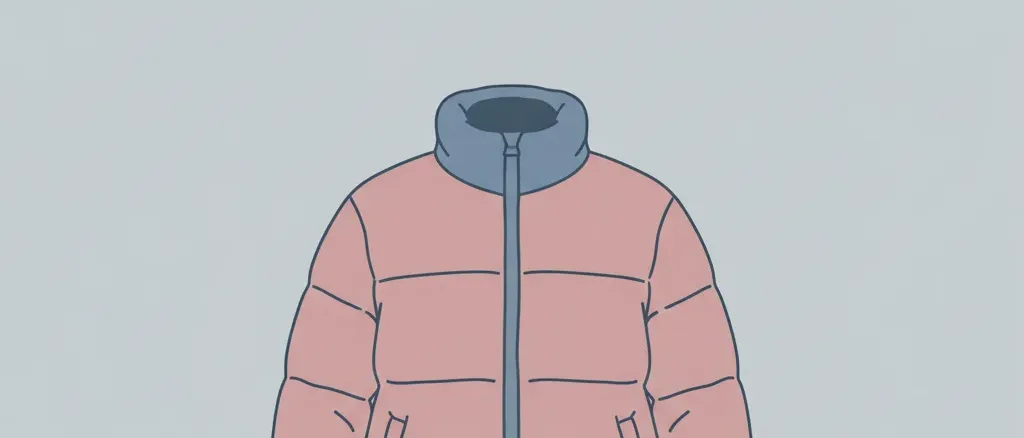
Механізм є найзрозумілішою частиною цього запису. Дитина сидить у правильно встановленому автокріслі, одягнена в товстий пуховик або зимовий комбінезон. Доглядач затягує ремені безпеки поверх пальта і проходить тест на защип на плечі. Під час зіткнення ремені стискають пальто в перші кілька мілісекунд удару, і більша частина затриманого повітря витісняється з-поміж ізоляційних шарів. Тепер ремені прилягають до дитини плюс тонка оболонка стисненої тканини, а не до дитини плюс об’ємне пальто, що означає раптове ослаблення між ременями та тулубом дитини. The American Academy of Pediatrics описує кінцевий результат як здатність дитини «вислизнути крізь ремені та бути викинутою з сидіння». NHTSA, Consumer Reports та Car Seats for the Littles описують ту саму послідовність майже ідентичною мовою. Жодне з чотирьох джерел тут не заперечує, що механізм є реальним.
Чого бракує, так це показника. Система звітності про аналіз смертельних випадків NHTSA (Fatality Analysis Reporting System) не кодує «внесок зимового пальта» як змінну в записах про смертельні аварії, тому література, отримана з FARS, яка лежить в основі більшості транспортних записів Likelier, просто не може виділити цей шлях як окрему категорію. Рецензована література з безпеки дітей-пасажирів об’єднує неправильне використання товстого одягу в ширшу категорію «ремені занадто вільні» або «неправильне використання», не публікуючи кількість смертей, що можна було б цьому приписати. Consumer Reports проводив випробування на санях і публікував фотографії видимого провисання до і після зняття пальта, але не опублікував, у жодному джерелі, яке ми могли б перевірити, кількісного вимірювання провисання після стиснення або кількісного збільшення ймовірності викидання. Реєстр смертельних випадків, який веде організація Kids And Car Safety, що займається адвокацією, містить названі випадки — два з достатньою деталізацією, щоб ідентифікувати механізм — але два випадки не є показником.
Likelier публікує цифри, коли їх підтверджують базові докази, і відмовляється, коли їх немає. Це друга категорія. Механізм є демонстративним, авторитетні органи погоджуються як щодо фізики, так і щодо поведінкового пом’якшення, і рекомендація знімати пальто та використовувати ковдру або одягнене навиворіт пальто поверх застебнутих ременів підтримується незалежно від того, чи становить приписувана смертність одну смерть на рік чи сто. Ми не знаємо, яка це кількість. Читач, який хоче отримати одне число, не може його тут мати — він може отримати механізм, консенсусне пом’якшення та чесне визнання того, що система спостереження ще не розв’язує цей страх з тією точністю, якої вимагає питання.
Пов’язані факти
AAP, NHTSA та Consumer Reports застерігають, що пухова куртка стискається під час удару й залишає в ременях послаблення, крізь яке дитина може вислизнути. Механізм задокументовано; а популяційної частоти травм через це немає.
Реєстр тверджень
Кожне число нижче — це те, що повідомило джерело, з дослівною цитатою, на яку ми спиралися, та тим, як ми дійшли до нашої цифри. Натисніть на посилання, щоб перевірити самостійно.
3/4 джерел незалежно перевірено дослівно за вказаним джерелом
-
[1] HealthyChildren.org — American Academy of Pediatrics — Winter Car Seat Safety Tips: Keeping Kids Safe & Warm Перевірено
Winter Car Seat Safety Tips: Keeping Kids Safe & Warm- Статистика
AAP position: bulky winter coats and snowsuits should not be worn under a car seat harness because crash forces compress the padding and the child can slip through the straps- Витяг
“"Bulky clothing, including winter coats and snowsuits, should not be worn underneath the harness of a car seat. In a car crash, fluffy padding in a coat immediately flattens out from the force, leaving extra space under the harness. A child can then slip through the straps and be thrown from the seat." ”
- Дані джерела:
- 2025-02-28
- Дата звернення
- 2026-04-11 · архівна копія
- Перевірка
- Витяг незалежно повторно отримано та дослівно підтверджено за вказаним джерелом під час нашого аудиту обґрунтованості.
- Розрахунок
- The AAP page is the canonical pediatric-authority statement of the mechanism: crash force compresses the coat, harness goes slack, child can slip through or be ejected. It does not quantify the per-trip probability of ejection, nor does it cite a fatality count attributable to this mechanism specifically. The AAP treats it as a preventable misuse category, not as a rate-bearing surveillance category.
- Незалежність
- AAP and NHTSA coordinate their child passenger safety messaging, so the two authoritative sources here are not fully independent — treat them as one pediatric-safety consensus, not two separate estimates.
-
[2] US National Highway Traffic Safety Administration (NHTSA) — Keep Your Little Ones Warm and Safe in Their Car Seats
Keep Your Little Ones Warm and Safe in Their Car Seats- Статистика
NHTSA position: bulky clothing in car seats creates harness slack and increases crash injury risk; recommends lightweight layers, a blanket over the buckled harness, or the coat reversed over the harness- Витяг
“"Too much bulk can create extra room in the harness, causing a loose fit, and putting the child at risk for injury in the event of a crash. Choose lightweight fleece layers instead of puffy materials to ensure a snug-fitting harness." ”
- Дані джерела:
- 2024-12-01
- Дата звернення
- 2026-04-11 · архівна копія
- Розрахунок
- NHTSA's consumer-facing guidance confirms the AAP mechanism description and recommends the same set of behavioural mitigations (thin layers, blanket over the harness, coat on backwards). Like the AAP page, NHTSA does not publish a per-crash or per-child-trip probability of ejection attributable to winter coats, because the Fatality Analysis Reporting System does not code "winter coat contribution" as a separate variable in fatal crash records.
- Незалежність
- NHTSA and the AAP coordinate their child passenger safety messaging via the National Child Passenger Safety Board and joint CPS technician curricula, so these two sources are best treated as one consensus rather than two independent estimates.
-
[3] Consumer Reports — Emily A. Thomas, PhD, Auto Test Center — Winter Coats and Car Seats Don't Mix: Safety Tips From CR Перевірено
Winter Coats and Car Seats Don't Mix: Safety Tips From CR- Статистика
Consumer Reports auto-safety team: puffy coats compress under harness webbing during crash forces and create slack sufficient to move the child outside the protection of the car seat shell- Витяг
“"If the child's coat is too bulky or puffy under their harness, that material can compress during a crash and create slack between the child and their harness. This extra slack could allow the child to move outside of the protection of the car seat shell. Any time a child is not properly and snugly harnessed within their car seat, there is an increased injury risk." ”
- Дані джерела:
- 2023-11-01
- Дата звернення
- 2026-04-11 · архівна копія
- Перевірка
- Витяг незалежно повторно отримано та дослівно підтверджено за вказаним джерелом під час нашого аудиту обґрунтованості.
- Розрахунок
- Consumer Reports' Auto Test Center has published photographs showing visible harness slack after a coat is removed but does not report quantified post-compression slack in inches or a crash-sled outcome metric. Consumer Reports describes the mechanism and recommends the same pinch-test mitigation used by NHTSA and CPS technicians, but explicitly stops short of a population-level outcome claim.
- Незалежність
- Consumer Reports is editorially and methodologically independent of NHTSA/AAP and runs its own sled-based harness testing, so it functions as a corroborating technical source on the mechanism even though no party in this chain publishes the outcome rate.
-
[4] Car Seats for the Littles (CSFTL) — CPS technician educational nonprofit — Hello Winter, Goodbye Coats! Перевірено
Hello Winter, Goodbye Coats!- Статистика
CPS technicians: in a crash the air is forced out from between the coat layers, leaving the harness too loose; consequences described as 'extra crash time on the child, and at worst, ejection from the seat'- Витяг
“"The harness can end up fitting to the thick coat, and in the event of a crash, all that extra air is forced out between the layers, leaving the harness too loose to protect a child. A loose harness, at best, means extra crash time on the child, and at worst, could mean ejection from the seat." ”
- Дані джерела:
- 2016-11-11
- Дата звернення
- 2026-04-11 · архівна копія
- Перевірка
- Витяг незалежно повторно отримано та дослівно підтверджено за вказаним джерелом під час нашого аудиту обґрунтованості.
- Розрахунок
- CSFTL is the most-cited US child passenger safety technician education site. Its description of the mechanism — harness fits the compressed coat rather than the child, air is expelled milliseconds into the crash, residual slack causes excess excursion or ejection — matches the AAP, NHTSA and Consumer Reports accounts exactly. Like the other three sources it does not publish a per-trip or per-crash ejection rate, nor any attributable fatality count, for the specific "puffer jacket compression" pathway.
- Незалежність
- CSFTL is a CPS-technician educational nonprofit that trains against the same National Child Passenger Safety Board curriculum AAP and NHTSA coordinate on. Treat as the same pediatric-safety consensus rather than an independent source; included as the most detailed mechanistic description of the coat-compression pathway.