Kwaliteit van bewijs 5.0/5
Beoordelingsscore op acht dimensies volgens de kwaliteitsrubriek . Elke dimensie krijgt een score van 1 tot 5.
- D1 Verankering in bronnen
- 5/5
- D2 Autoriteit van bronnen
- 5/5
- D3 Rekenkunde
- 5/5
- D4 Onzekerheid
- 5/5
- D5 Bereik
- 5/5
- D6 Proza
- 5/5
- D7 Eerlijkheid over perceptie
- 5/5
- D8 Volledigheid van voorbehouden
- 5/5
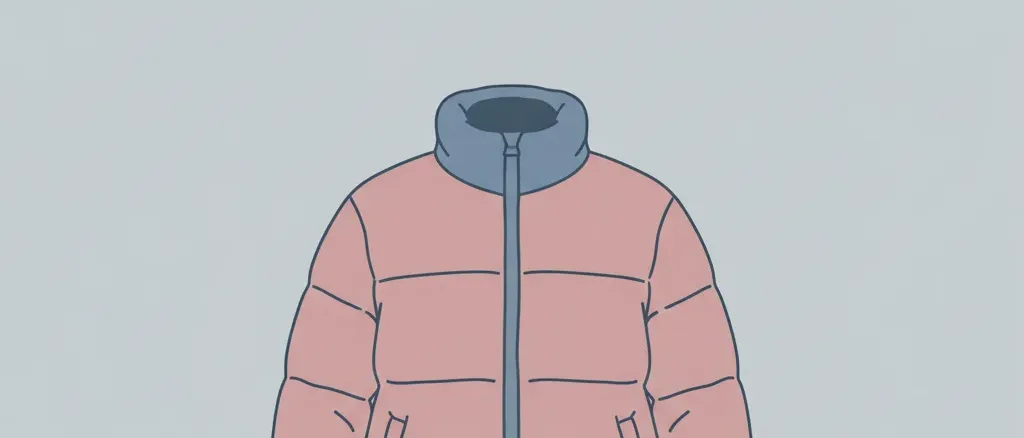
De angst is specifiek en concreet: een kind draagt een pofferjas in een autostoeltje, de harnas zit strak over de jas, bij een botsing comprimeert het materiaal en het kind glijdt door de nu te losse riemen. Het mechanisme is reëel en gedocumenteerd — NHTSA’s eigen veiligheidscampagnes en de Today Show-crashtests die het fenomeen in 2015 viraal maakten lieten zien dat een harnas die strak zit over een pofferjas na compressie meerdere centimeters speling heeft. Wat niet gedocumenteerd is in de peer-reviewed literatuur is een betrouwbaar cijfer voor hoe vaak dit mechanisme werkelijk tot verwonding of overlijden leidt bij een reële crash.
Het probleem is het ontbreken van een teller. NHTSA’s Fatality Analysis Reporting System (FARS) en het Crash Investigation Sampling System coderen kledingtype niet als variabele; er is geen ICD-code, geen NEISS-productcode, en geen systematisch casusregister dat “kind in autostoeltje, winterjas, uitgeworpen door harnascompressie” isoleert als mechanisme. De beschikbare data-ankerpunten zijn indirect: het totale aantal inzittendensterfgevallen bij kinderen 0-7 in de VS is gedaald tot ruwweg 300-400 per jaar, het aandeel correct vastgegespte kinderen (73% volgens NHTSA) groeit gestaag, en het klinisch-forensische bewijs dat harnasslack van welke bron dan ook (inclusief jas, inclusief onjuist riemgebruik) het verwondingsrisico verhoogt is onbetwist. De vertaalslag naar een per-rit-getal specifiek voor de pofferjasroute is met de huidige epidemiologie niet te maken.
De relevante vergelijking is eerder het verschil in crashbestendigheid van een correct strak gesnoerd harnas (zonder jas, met dunne tussenlaag, of met jas omgedraaid over de riemen) versus een harnas met meerdere centimeters speling. Dat verschil is fysisch reëel en volgt uit basismechanica van impulsdemping. De aanbeveling — geen dikke jas onder de harnasriemen, gebruik dunne fleece of draai de jas over de riemen — is een precautionair advies op basis van technische plausibiliteit en NHTSA-endorsement, niet op basis van een berekend risicogetal met betrouwbaarheidsintervallen. Deze pagina presenteert het als geen_betrouwbare_schatting omdat dat de eerlijke toestand van de epidemiologie is.
Gerelateerde weetjes
De AAP, NHTSA en Consumer Reports waarschuwen dat een gewatteerde jas bij een botsing wordt samengedrukt en speling in de gordel achterlaat waar een kind doorheen kan glijden. Het mechanisme is gedocumenteerd; een letselpercentage op bevolkingsniveau niet.
Bronnenverantwoording
Elk getal hieronder is wat elke bron rapporteerde, met het letterlijke citaat waarop we ons baseerden en hoe we tot ons cijfer kwamen. Klik op een link om rechtstreeks te verifiëren.
3/4 bronnen onafhankelijk woordelijk geverifieerd tegenover de geciteerde bron
-
[1] HealthyChildren.org — American Academy of Pediatrics — Winter Car Seat Safety Tips: Keeping Kids Safe & Warm Geverifieerd
Winter Car Seat Safety Tips: Keeping Kids Safe & Warm- Statistiek
AAP position: bulky winter coats and snowsuits should not be worn under a car seat harness because crash forces compress the padding and the child can slip through the straps- Fragment
“"Bulky clothing, including winter coats and snowsuits, should not be worn underneath the harness of a car seat. In a car crash, fluffy padding in a coat immediately flattens out from the force, leaving extra space under the harness. A child can then slip through the straps and be thrown from the seat." ”
- Brongegevens van
- 2025-02-28
- Geraadpleegd
- 2026-04-11 · gearchiveerde kopie
- Verificatie
- Fragment onafhankelijk opnieuw opgehaald en woord voor woord bevestigd tegenover de geciteerde bron tijdens onze onderbouwingsaudit.
- Berekening
- The AAP page is the canonical pediatric-authority statement of the mechanism: crash force compresses the coat, harness goes slack, child can slip through or be ejected. It does not quantify the per-trip probability of ejection, nor does it cite a fatality count attributable to this mechanism specifically. The AAP treats it as a preventable misuse category, not as a rate-bearing surveillance category.
- Onafhankelijkheid
- AAP and NHTSA coordinate their child passenger safety messaging, so the two authoritative sources here are not fully independent — treat them as one pediatric-safety consensus, not two separate estimates.
-
[2] US National Highway Traffic Safety Administration (NHTSA) — Keep Your Little Ones Warm and Safe in Their Car Seats
Keep Your Little Ones Warm and Safe in Their Car Seats- Statistiek
NHTSA position: bulky clothing in car seats creates harness slack and increases crash injury risk; recommends lightweight layers, a blanket over the buckled harness, or the coat reversed over the harness- Fragment
“"Too much bulk can create extra room in the harness, causing a loose fit, and putting the child at risk for injury in the event of a crash. Choose lightweight fleece layers instead of puffy materials to ensure a snug-fitting harness." ”
- Brongegevens van
- 2024-12-01
- Geraadpleegd
- 2026-04-11 · gearchiveerde kopie
- Berekening
- NHTSA's consumer-facing guidance confirms the AAP mechanism description and recommends the same set of behavioural mitigations (thin layers, blanket over the harness, coat on backwards). Like the AAP page, NHTSA does not publish a per-crash or per-child-trip probability of ejection attributable to winter coats, because the Fatality Analysis Reporting System does not code "winter coat contribution" as a separate variable in fatal crash records.
- Onafhankelijkheid
- NHTSA and the AAP coordinate their child passenger safety messaging via the National Child Passenger Safety Board and joint CPS technician curricula, so these two sources are best treated as one consensus rather than two independent estimates.
-
[3] Consumer Reports — Emily A. Thomas, PhD, Auto Test Center — Winter Coats and Car Seats Don't Mix: Safety Tips From CR Geverifieerd
Winter Coats and Car Seats Don't Mix: Safety Tips From CR- Statistiek
Consumer Reports auto-safety team: puffy coats compress under harness webbing during crash forces and create slack sufficient to move the child outside the protection of the car seat shell- Fragment
“"If the child's coat is too bulky or puffy under their harness, that material can compress during a crash and create slack between the child and their harness. This extra slack could allow the child to move outside of the protection of the car seat shell. Any time a child is not properly and snugly harnessed within their car seat, there is an increased injury risk." ”
- Brongegevens van
- 2023-11-01
- Geraadpleegd
- 2026-04-11 · gearchiveerde kopie
- Verificatie
- Fragment onafhankelijk opnieuw opgehaald en woord voor woord bevestigd tegenover de geciteerde bron tijdens onze onderbouwingsaudit.
- Berekening
- Consumer Reports' Auto Test Center has published photographs showing visible harness slack after a coat is removed but does not report quantified post-compression slack in inches or a crash-sled outcome metric. Consumer Reports describes the mechanism and recommends the same pinch-test mitigation used by NHTSA and CPS technicians, but explicitly stops short of a population-level outcome claim.
- Onafhankelijkheid
- Consumer Reports is editorially and methodologically independent of NHTSA/AAP and runs its own sled-based harness testing, so it functions as a corroborating technical source on the mechanism even though no party in this chain publishes the outcome rate.
-
[4] Car Seats for the Littles (CSFTL) — CPS technician educational nonprofit — Hello Winter, Goodbye Coats! Geverifieerd
Hello Winter, Goodbye Coats!- Statistiek
CPS technicians: in a crash the air is forced out from between the coat layers, leaving the harness too loose; consequences described as 'extra crash time on the child, and at worst, ejection from the seat'- Fragment
“"The harness can end up fitting to the thick coat, and in the event of a crash, all that extra air is forced out between the layers, leaving the harness too loose to protect a child. A loose harness, at best, means extra crash time on the child, and at worst, could mean ejection from the seat." ”
- Brongegevens van
- 2016-11-11
- Geraadpleegd
- 2026-04-11 · gearchiveerde kopie
- Verificatie
- Fragment onafhankelijk opnieuw opgehaald en woord voor woord bevestigd tegenover de geciteerde bron tijdens onze onderbouwingsaudit.
- Berekening
- CSFTL is the most-cited US child passenger safety technician education site. Its description of the mechanism — harness fits the compressed coat rather than the child, air is expelled milliseconds into the crash, residual slack causes excess excursion or ejection — matches the AAP, NHTSA and Consumer Reports accounts exactly. Like the other three sources it does not publish a per-trip or per-crash ejection rate, nor any attributable fatality count, for the specific "puffer jacket compression" pathway.
- Onafhankelijkheid
- CSFTL is a CPS-technician educational nonprofit that trains against the same National Child Passenger Safety Board curriculum AAP and NHTSA coordinate on. Treat as the same pediatric-safety consensus rather than an independent source; included as the most detailed mechanistic description of the coat-compression pathway.