Качество доказательств 4.25/5
Оценка по восьми измерениям согласно рубрике качества . Каждое измерение оценивается от 1 до 5.
- D1 Обоснованность источниками
- 4/5
- D2 Авторитетность источника
- 5/5
- D3 Арифметика
- 4/5
- D4 Неопределённость
- 4/5
- D5 Охват
- 4/5
- D6 Текст
- 4/5
- D7 Честность восприятия
- 4/5
- D8 Полнота оговорок
- 5/5
● ваши факторы — нажмите на этот риск ▾ для отображения
- Ваши факторы
≈ Так же вероятно, как
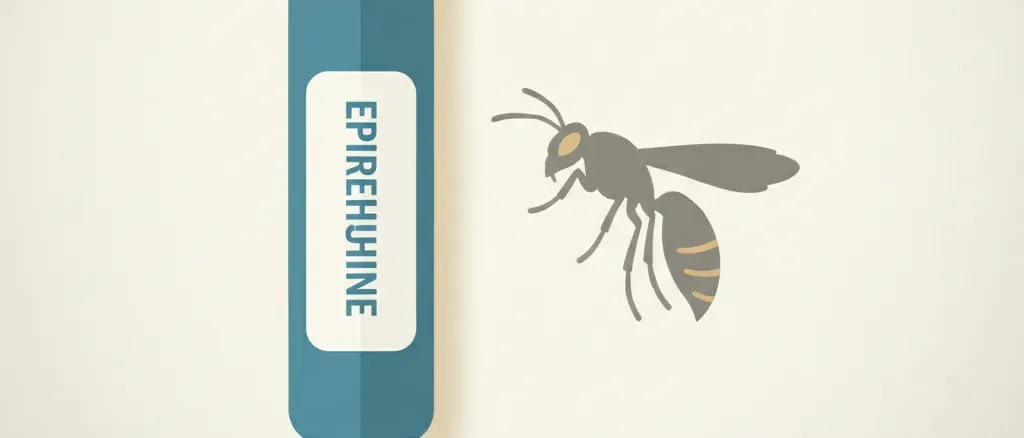
Воспринимаемый
Анафилаксия от укуса имеет необычный профиль восприятия: люди, носящие автоинъектор адреналина, знают свой точный риск и обычно оценивают его верно, тогда как большинство тех, у кого реакции никогда не было, полагают, что их пожизненный опыт «уже жалили, и всё было нормально» делает их по сути безопасными. Доказательства не подтверждают второе прочтение: примерно половина всех смертельных реакций на укус в США происходит у людей без предшествующей истории системного аллергического ответа.
Грубая оценка: неаллергичные взрослые склонны оценивать личный риск как близкий к нулю; фактическая пожизненная частота тяжёлых реакций — примерно 1 из 50
Источник: редакционная интуиция, не опрос
Фактический
~3 % взрослых в США сообщают о системной аллергической реакции на укус в течение жизни
взрослые в США
Показать вычисления
Golden (Immunology and Allergy Clinics of North America, 2007, PMC1961691) и ACAAI сообщают, что системные аллергические реакции на укусы возникают примерно у 3 % взрослых в США в течение их жизни. Показатель 3 % (≈7,8 млн из 260 млн взрослых) — самый широкий обоснованный числитель: он включает системные реакции только с крапивницей в дополнение к полной сердечно-сосудистой или дыхательной анафилаксии. Доля, соответствующая более строгому клиническому определению анафилаксии (степень III–IV по Мюллеру: гипотензия, бронхоспазм или потеря сознания, требующие адреналина), составляет примерно две трети системных реакций у взрослых, что даёт пожизненную вероятность около 2 % (~1 из 50). Нормализованное значение 0,02 используется, потому что вопрос касается именно требующей адреналина анафилаксии, а не реакций только с крапивницей. Границы неопределённости охватывают полный потолок в 3 % и консервативный нижний порог в 1 %, соответствующий распространённости диагностированной аллергии на яд.
Оговорки: Показатель 3 % за всю жизнь охватывает все системные реакции на укусы у взрослых…
Показатель 3 % за всю жизнь охватывает все системные реакции на укусы у взрослых в США, включая более лёгкие эпизоды только с крапивницей, которые могут не требовать адреналина. Строгая сердечно-сосудистая/дыхательная анафилаксия (сценарий, где автоинъектор действительно спасает жизнь) — это доля, оцениваемая здесь в ~2 % за всю жизнь. Риск крайне неравномерен: у людей с предшествующими системными реакциями вероятность отреагировать снова при повторном укусе составляет 25–70 %, тогда как прошедшие иммунотерапию ядом снижают свой риск примерно на 95 %. Примечательно, что примерно половина всех смертельных реакций на укус в США происходит у людей без предшествующей истории системной аллергии, — поэтому пожизненный опыт «никогда не было плохой реакции» не устраняет риск, а лишь помещает человека в менее рискованную часть распределения населения.
Связанные риски
Другие риски на схожие темы — для изучения связанных страхов.


Проглотить пчелу или осу
Каковы шансы случайно проглотить живую пчелу или осу и получить смертельную реакцию дыхательных путей?

Ошейник для кошки
Какова вероятность того, что кошка получит серьёзную травму или погибнет из-за ошейника?




Выбрать сравниваемый
About 3% of US adults will experience a systemic allergic reaction to a bee or wasp sting at some point in their life — roughly 1 in 33. The subset that meets the clinical threshold for anaphylaxis (cardiovascular or respiratory involvement: hypotension, bronchospasm, or loss of consciousness) sits at roughly 2% lifetime, or about 1 in 50. These are not exotic numbers; for comparison, the lifetime probability of dying in a car crash is around 1 in 93, so sting-triggered anaphylaxis is in the same order of magnitude as one of the most-cited benchmark risks in everyday life.
What makes this fear tractable is that it has a highly effective treatment: epinephrine given promptly converts what would otherwise be a life-threatening event into one with very low fatality. The ~220,000 annual US emergency department visits for sting allergic reactions resolve with ~62 deaths per year — a case fatality rate around 0.03% among those who reach an ED. The gap between “systemic anaphylaxis event” and “death from it” is almost entirely explained by access to and timing of epinephrine. The practical implication for the roughly 1–2% of adults with a confirmed venom allergy is straightforward: carrying a prescribed auto-injector and knowing how to use it transforms the risk profile substantially.
A finding worth flagging: per the allergy literature, roughly half of fatal sting reactions in the US occur in people with no prior history of a systemic allergic response. This does not mean the average person should carry an epi-pen — the absolute risk per sting for a non-allergic adult is still very small — but it does mean that a lifetime record of uneventful stings is not a reliable signal of permanent safety. First systemic reactions can and do occur in middle age and beyond, with no warning from prior sting tolerance. Anyone who develops more than local swelling after a sting warrants allergy evaluation.
Связанные факты
Около ~3% взрослых в США сообщают о системной аллергической реакции на укус насекомого в какой-то момент — то есть примерно ~1 на 50 за жизнь. Люди без аллергии обычно считают свой риск почти нулевым, но большинство реакций случаются у тех, у кого не было истории.
Реестр утверждений
Каждое число ниже — это то, что сообщил источник, с дословной цитатой, на которую мы опирались, и тем, как мы пришли к нашей цифре. Нажмите на ссылку, чтобы проверить самостоятельно.
1/3 источников независимо дословно сверены с указанным источником
-
[1] Immunology and Allergy Clinics of North America (Golden DBK) / PubMed Central — Insect Sting Anaphylaxis
Insect Sting AnaphylaxisSee all 2 Likelier entries citing this source →
- Статистика
Systemic allergic reactions reported by up to 3% of US adults; ≥50 fatal sting reactions per year; ~half of fatal reactions occur with no prior history- Выдержка
“"Systemic allergic reactions are reported by up to 3% of adults, and almost 1% of children have a medical history of severe sting reactions … At least 50 fatal sting reactions occur each year in the United States … Half of all fatal reactions occur with no history of previous sting reactions." ”
- Данные источника:
- 2007-05-01
- Дата обращения
- 2026-05-04 · архивная копия
- Расчёт
- Primary source for the 3% lifetime systemic reaction prevalence. The normalized value of 0.02 uses the ~2/3 severe-within-systemic fraction (Grade III–IV, epi-requiring) to arrive at a ~2% lifetime probability.
- Независимость
- Draws from clinical allergy and venom-IgE serology literature, independent of death-certificate or NEISS ED-visit data streams.
-
[2] American Academy of Family Physicians / American Family Physician — Stinging Insect Allergy
Stinging Insect AllergySee all 2 Likelier entries citing this source →
- Статистика
Systemic allergic reactions to insect stings occur in about 1% of children and 3% of adults; at least 50 fatal reactions per year in the US; half of sting-related deaths occur with the first systemic reaction- Выдержка
“"Systemic allergic reactions to insect stings are estimated to occur in about 1 percent of children and 3 percent of adults … At least 50 fatal reactions to insect stings are reported each year in the United States, and many sting fatalities may not be recognized … Studies have shown that one half of sting-related deaths occur with the first systemic reaction." ”
- Данные источника:
- 2003-06-15
- Дата обращения
- 2026-05-04 · архивная копия
- Расчёт
- Independently corroborates the 3% adult systemic-reaction prevalence used for the native numerator (this AAFP review gives "about 1 percent of children and 3 percent of adults"). It also corroborates the Golden 2007 fatality framing: at least 50 fatal reactions per year in the US, with one half of sting-related deaths occurring with the first systemic reaction — supporting the caveat that a record of uneventful stings is not proof of permanent safety.
- Независимость
- AAFP review drawing on epidemiological literature independent of the Golden 2007 PMC source above.
-
[3] Scientific Reports (Nature) / Zhang, Wang, Quan, Yan, Zeng, Fang, Yang — A prediction nomogram for mortality in patients following wasp stings: a retrospective study Проверено
A prediction nomogram for mortality in patients following wasp stings: a retrospective study- Статистика
Hymenoptera stings prompt approximately 220,000 US emergency department visits per year and cause an average of 62 deaths annually, a case-fatality rate of roughly 0.03% among those who reach an ED- Выдержка
“"Annually, Hymenoptera stings prompt approximately 220,000 emergency department visits and cause an average of 62 deaths in the United States, making stings from hornets, wasps, and bees the deadliest of all venomous animal encounters." ”
- Данные источника:
- 2024-10-31
- Дата обращения
- 2026-07-03 · архивная копия
- Проверка
- Выдержка независимо повторно загружена и подтверждена слово в слово по указанному источнику в ходе нашей проверки достоверности.
- Расчёт
- Source for the ED-visit and case-fatality figures in the body text: 62 deaths / 220,000 ED visits ≈ 0.028%, rounded to "around 0.03%." The article attributes the underlying US figure to Forrester, Weiser & Forrester, "An update on fatalities due to venomous and nonvenomous animals in the United States (2008-2015)," Wilderness Environ Med 29 (2018): 36-44.
- Независимость
- Draws on ED-visit surveillance (via the cited Forrester et al. 2018 fatality review) rather than the clinical allergy/venom-IgE literature used by the Golden and AAFP sources above.