Качество доказательств 4.75/5
Оценка по восьми измерениям согласно рубрике качества . Каждое измерение оценивается от 1 до 5.
- D1 Обоснованность источниками
- 5/5
- D2 Авторитетность источника
- 5/5
- D3 Арифметика
- 5/5
- D4 Неопределённость
- 4/5
- D5 Охват
- 5/5
- D6 Текст
- 5/5
- D7 Честность восприятия
- 4/5
- D8 Полнота оговорок
- 5/5
≈ Так же вероятно, как
Воспринимаемый
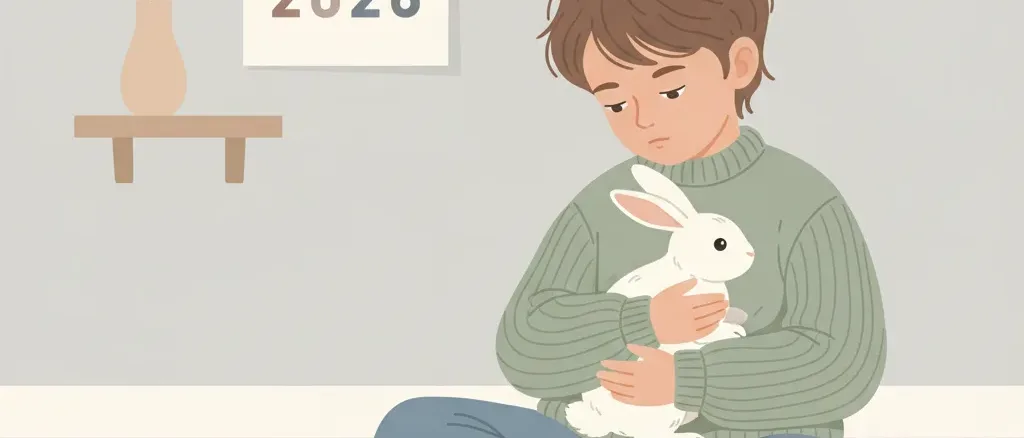
Родители и дети часто полагают, что кролики — это недолговечные «первые питомцы» того же уровня, что и хомяки, — нечто, что, вероятно, уйдёт в течение года или двух. На практике ухоженный домашний кролик обычно живёт 8–12 лет, из-за чего кролик, подаренный 9-летнему ребёнку, вполне вероятно будет жив, когда этому ребёнку исполнится 13. Ни один строгий опрос напрямую не измерял родительские интуиции о продолжительности жизни кролика в контексте детского владения питомцем, поэтому эта запись помечена как интуитивная.
Грубая оценка: многие родители полагают, что кролики живут 2–4 года, как хомяки
Источник: редакционная интуиция, не опрос
Фактический
~30 из 100 домашних кроликов умирают в течение 4 лет с момента приобретения
Домашние комнатные кролики в семейных домохозяйствах
Показать вычисления
Ретроспективное японское исследование 898 домашних кроликов, наблюдавшихся в клинике экзотических животных (2006–2020), выявило медианную продолжительность жизни 7 лет (IQR 5–9), при которой 18 % доживали дольше 9 лет. Применяя экспоненциальную модель выживаемости с λ = ln(2)/7 ≈ 0,099 в год, вероятность гибели в течение 4 лет с момента приобретения (в возрасте ~8–12 недель) составляет 1 − e^(−0,099 × 4) ≈ 0,33. House Rabbit Society сообщает, что комнатные домашние кролики при оптимальных условиях обычно живут 8–12 лет; при медиане 10 лет получается λ ≈ 0,069 и P(4 года) ≈ 0,24. Центральная оценка 0,30 находится между типичным и оптимальным уходом, отражая, что первый кролик ребёнка часто получает достаточный, но не всегда экспертный уход. Охват — subgroup_lifetime: цифра относится к 4-летнему окну после приобретения питомца, а не к 59-летней взрослой жизни.
Оговорки: Охват — subgroup_lifetime — это вероятность за 4-летнее окно, а не показатель за…
Охват — subgroup_lifetime — это вероятность за 4-летнее окно, а не показатель за 59-летнюю взрослую жизнь. Результаты значительно различаются по породе (мелкие породы, такие как нидерландский карликовый, живут дольше крупных, вроде фламандского гиганта), комнатному или уличному содержанию (у уличных кроликов медианная продолжительность жизни примерно вдвое короче), статусу стерилизации/кастрации (нестерилизованность несёт высокий пожизненный риск рака матки у самок, и House Rabbit Society сообщает об ожидаемой продолжительности жизни 8–12 лет для стерилизованных/кастрированных комнатных кроликов), возрасту при приобретении (у более старых кроликов остаётся меньше лет) и доступу к ветеринарной помощи. Кролик, приобретённый в возрасте 2 лет, а не 8 недель, столкнулся бы с существенно более низким риском смерти за 4 года. Центральная оценка 30 % отражает типичного комнатного домашнего кролика при уходе среднего качества в детском домохозяйстве.
Связанные риски
Другие риски на схожие темы — для изучения связанных страхов.
Побег домашнего кота
Какова вероятность того, что исключительно домашняя кошка получит серьёзные травмы или погибнет, сбежав на улицу?

Хомяк умирает до подросткового возраста
Каковы шансы, что хомяк, подаренный 9-летнему ребёнку, умрёт до его 13-летия?


Укус собаки без поводка
Каковы шансы, что ваша собака без поводка укусит человека или другую собаку?

Потеря бабушки/дедушки в детстве
Каковы шансы, что 9-летний ребёнок потеряет хотя бы одного бабушку или дедушку до совершеннолетия?

Дети и откровенный контент
Каковы шансы ребенка столкнуться с откровенным или насильственным контентом онлайн до 13 лет?

Сексуальное насилие над детьми
Какова вероятность того, что ребёнок подвергнется сексуальному насилию?

Решения, на которые влияет этот риск
Выборы, зависящие от этого риска — как взвешивается компромисс.
Сказать правду vs. солгать о смерти питомца
% сожалеют об этом выборе
Преобладает бездействие
Сожаление о бездействии в ∞× выше
Выбрать сравниваемый
Domestic rabbits live far longer than most people expect. A well-cared-for indoor pet rabbit has a median lifespan of roughly 7–10 years depending on breed, care quality, and whether it has been spayed or neutered. A child who receives a rabbit at age 9 is likely to still have that animal when they turn 13 — the four-year window that matters here only captures the early portion of a rabbit’s expected life. Applying an exponential survival model to the median lifespan reported in peer-reviewed retrospective data suggests roughly 25–33% of typical pet rabbits die within four years of acquisition. The central estimate of 30% reflects average child-household care, which is adequate but rarely as thorough as the husbandry practiced by dedicated rabbit owners.
The contrast with hamsters is stark and often overlooked. A Syrian hamster — the most common species sold in pet stores — has an average lifespan of two to three years. A hamster acquired at age 9 is nearly certain to be gone before the child turns 12, let alone 13. Rabbits are routinely grouped with hamsters and guinea pigs in the cultural category of “small, easy, short-lived pets,” but that framing is wrong for rabbits. A rabbit is more comparable in longevity to a cat than to a hamster: both can live into their early teens with good care, and both require a decade-long commitment rather than a 1–3 year one.
Several variables shift the probability meaningfully. Outdoor rabbits face predators, extremes of temperature, and diseases that cut life expectancy substantially compared to indoor counterparts. Unspayed female rabbits carry a high lifetime risk of developing uterine cancer, which makes spaying a major longevity intervention, not merely an optional procedure — the House Rabbit Society notes that a spayed or neutered house rabbit has a life expectancy of 8 to 12 years. Small breeds such as Netherland Dwarfs and Mini Lops typically outlive large breeds like Flemish Giants by several years. A rabbit acquired at eight weeks old faces a different 4-year survival curve than one acquired as a two-year-old adult from a rescue. These factors compound: the best-case scenario (indoor, neutered, small breed, rabbit-specialist vet) produces a 4-year mortality risk closer to 18–20%; the worst realistic scenario (outdoor, unspayed female, minimal veterinary care) climbs toward the top of this entry’s uncertainty range, around 45%.
Связанные факты
Около 3 in 10 домашних кроликов умирают в течение 4 лет после того, как ребёнок их завёл. Смерть первого питомца достаточно частое явление, и семьям нередко приходится решать, как её объяснить.
В шведском когортном исследовании утраты 27% родителей, избегавших честного разговора о смерти, позже пожалели, что не сделали этого. Никто из 147 родителей, которые поговорили, об этом не пожалел.
Реестр утверждений
Каждое число ниже — это то, что сообщил источник, с дословной цитатой, на которую мы опирались, и тем, как мы пришли к нашей цифре. Нажмите на ссылку, чтобы проверить самостоятельно.
1/3 источников независимо дословно сверены с указанным источником
-
[1] Journal of Exotic Pet Medicine (ScienceDirect) — Age at death and cause of death of pet rabbits (Oryctolagus cuniculus) seen at an exotic animal clinic in Tokyo, Japan: a retrospective study of 898 cases (2006–2020)
Age at death and cause of death of pet rabbits (Oryctolagus cuniculus) seen at an exotic animal clinic in Tokyo, Japan: a retrospective study of 898 cases (2006–2020)- Статистика
Median age at death of 898 pet rabbits was 7 years (IQR 5–9); 18% lived beyond 9 years- Выдержка
“"The median age at death was 7 years (interquartile range: 5 to 9 years), and 18% of all rabbits lived beyond 9 years. The main causes of death included neoplasia (n = 223; 24.8%), gastrointestinal disease (n = 135; 15.0%), bacterial abscess (n = 90; 10.0%), urinary disease (n = 85; 9.5%), trauma (n = 44; 4.9%), and cardiac disease (n = 27; 3.0%)." ”
- Данные источника:
- 2022-07-01
- Дата обращения
- 2026-05-03 · архивная копия
- Расчёт
- Median lifespan of 7 years from this peer-reviewed retrospective is the primary anchor for the central estimate. Applying an exponential survival model: λ = ln(2) / 7 ≈ 0.099 per year. P(rabbit dies within 4 years of acquisition) = 1 − e^(−0.099 × 4) = 1 − 0.671 ≈ 0.33. This population (clinic patients in an exotic-animal practice in Tokyo) likely overrepresents rabbits receiving better-than-average care, so 0.33 may be a slight underestimate relative to the average child's pet rabbit. Used as the lower anchor of the central estimate.
- Независимость
- Drawn from a Japanese exotic-animal clinic's case records (2006–2020); methodologically independent of the UK VetCompass cohort and the House Rabbit Society lifespan guidance.
-
[2] House Rabbit Society — How Long Do Rabbits Live? Проверено
How Long Do Rabbits Live?- Статистика
Indoor house rabbits typically live 8–12 years- Выдержка
“"Indoor house rabbits typically live 8–12 years, depending on their size, breed, and the quality of care they receive. A well-cared-for house rabbit that has been spayed or neutered early in life has a life expectancy of 8 to 12 years." ”
- Данные источника:
- 2024-01-01
- Дата обращения
- 2026-05-03 · архивная копия
- Проверка
- Выдержка независимо повторно загружена и подтверждена слово в слово по указанному источнику в ходе нашей проверки достоверности.
- Расчёт
- Under ideal indoor care (spayed/neutered, optimal diet), median lifespan is approximately 10 years. Applying exponential survival: λ = ln(2)/10 ≈ 0.069 per year. P(dies within 4 years) = 1 − e^(−0.069 × 4) ≈ 0.24. This represents the lower bound of the uncertainty range — best-case indoor care. The 12-year upper end of HRS's range gives λ = 0.058, P(4 years) ≈ 0.21. The 8-year lower end gives λ = 0.087, P(4 years) ≈ 0.30, consistent with the central estimate. Difference between HRS guidance and clinical studies likely reflects selection bias in both directions: HRS population are committed rabbit owners; clinic patients skew toward unwell rabbits.
- Независимость
- House Rabbit Society is the leading US rabbit welfare organization, drawing on veterinary guidance and member surveys. Methodologically independent of the Japanese and UK academic studies.
-
[3] Veterinary Record / O'Neill et al. (VetCompass Programme) — Morbidity and mortality of domestic rabbits (Oryctolagus cuniculus) under primary veterinary care in England
Morbidity and mortality of domestic rabbits (Oryctolagus cuniculus) under primary veterinary care in England- Статистика
Median age at death among 370 rabbits that died during the study was 4.3 years (IQR 2.1–7.0, range 0.1–14.4)- Выдержка
“"The median age at death of the 370 rabbits that died during the study was 4.3 years (IQR 2.1–7.0, range 0.1–14.4). For males, the median age at death was older (5.2 years, IQR 3.0–8.1, range 0.2–14.4) than for females (3.7 years, IQR 2.0–5.9, range 0.1–11.8)." ”
- Данные источника:
- 2020-01-01
- Дата обращения
- 2026-05-03 · архивная копия
- Расчёт
- The VetCompass UK figure of 4.3 years is the median age at death among rabbits that died during a 1-year observational window (2013) across 107 clinics — it is NOT a cohort survival median. It captures which rabbits were dying at the time of observation, which skews toward younger ages because older rabbits had not yet died. This number should not be read as "median lifespan = 4.3 years." The Japanese retrospective (7-year median) is a more direct measure of lifespan because it follows rabbits through to death. The UK study is included as independent corroboration of mortality patterns and cause-of-death data (flystrike, GI stasis, anorexia) rather than as a lifespan anchor. The UK study also includes outdoor rabbits, who have significantly shorter lifespans than indoor pets.
- Независимость
- VetCompass draws from primary-care veterinary records across England in 2013; methodologically independent of both the Japanese clinic study and the HRS member-survey data.